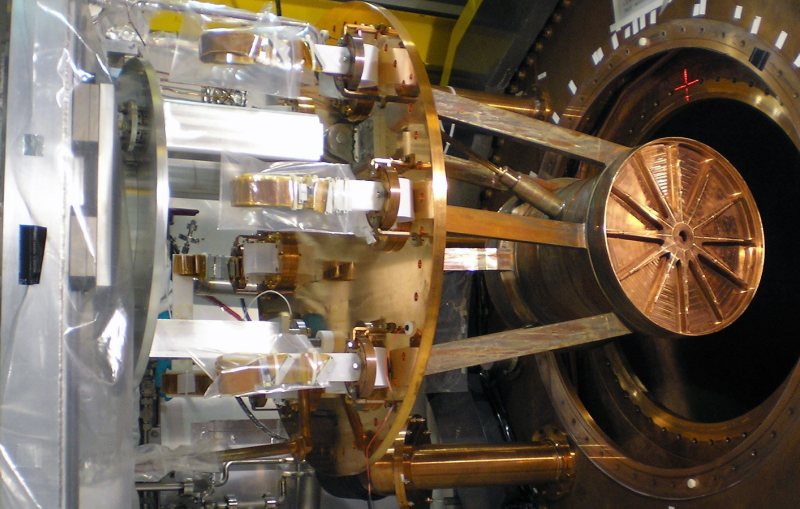
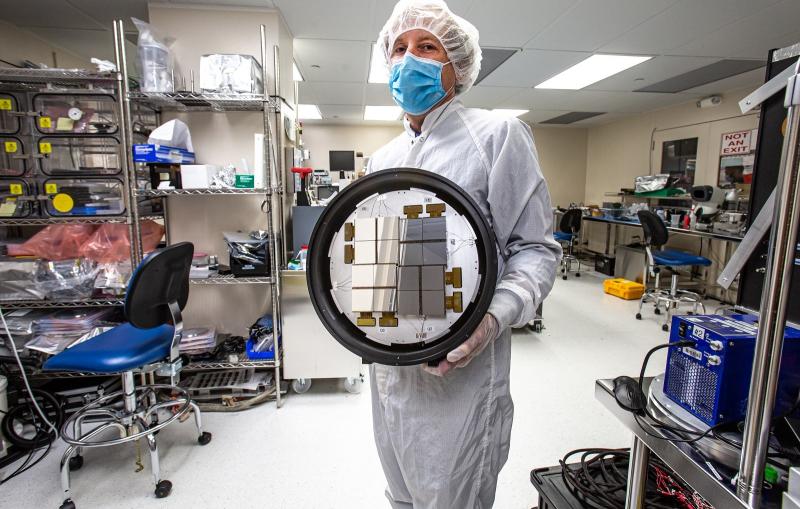
Detectors help enable science at many SLAC facilities and research programs, particularly in the fields of X-ray science, particle physics, and astrophysics.
Contributions to LIGO have come from many Stanford teams, including SLAC, Applied Physics, Mechanical Engineering, Aeronautics and Astronautics and the School of Earth, Energy...
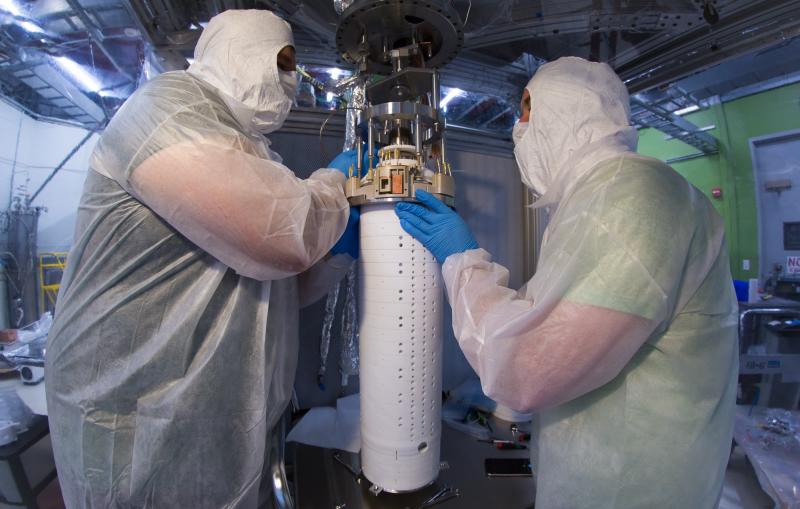
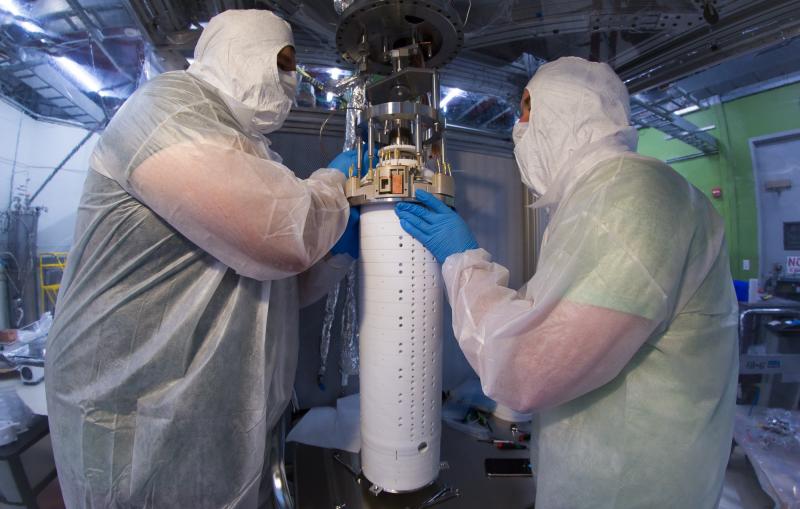
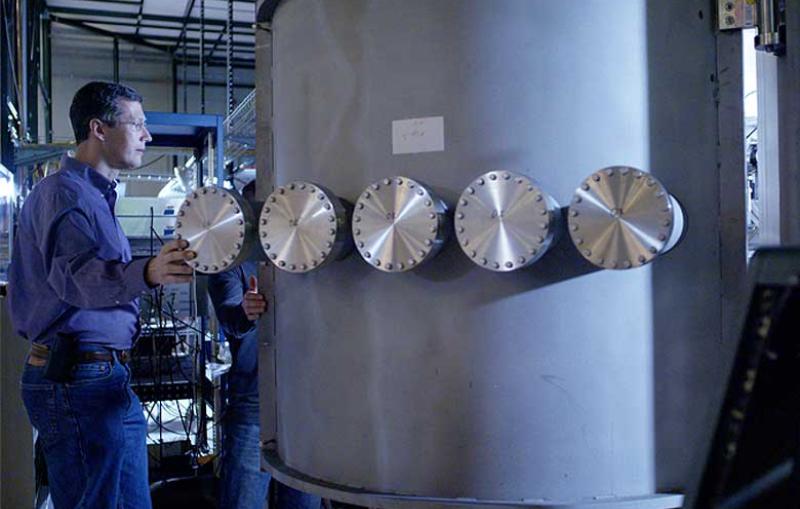
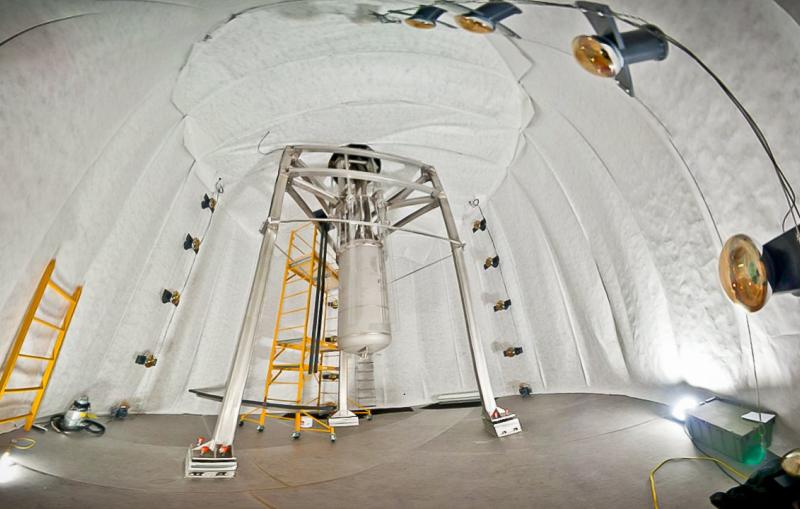
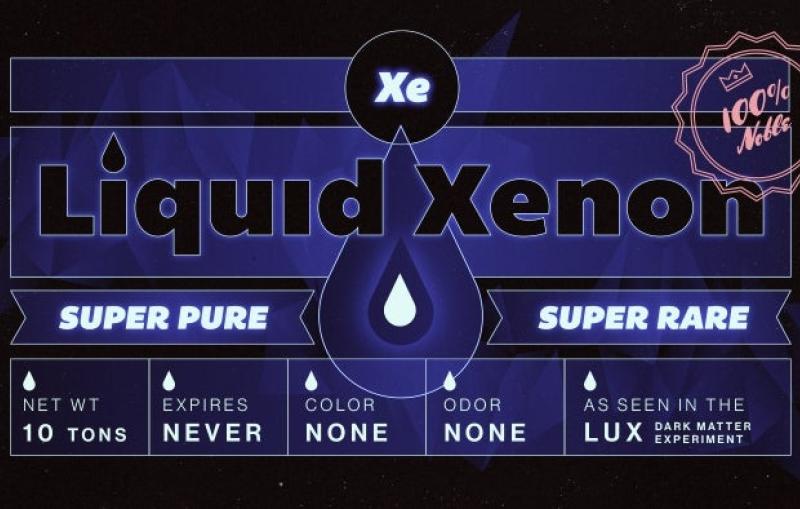
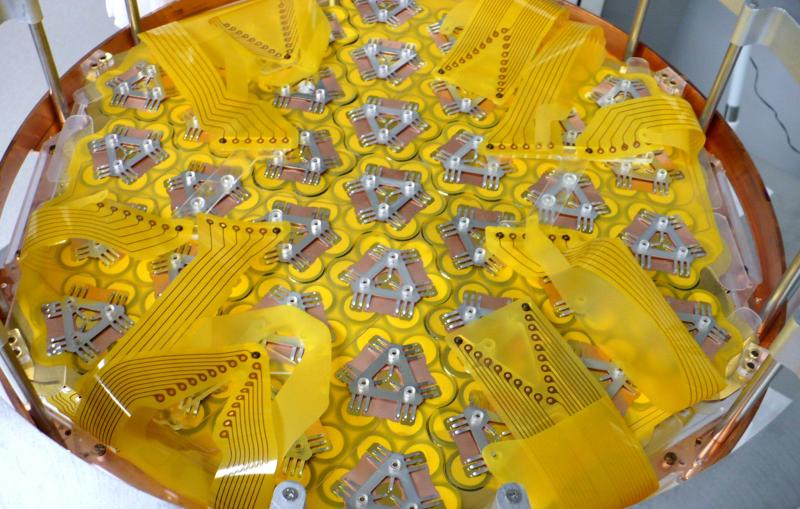
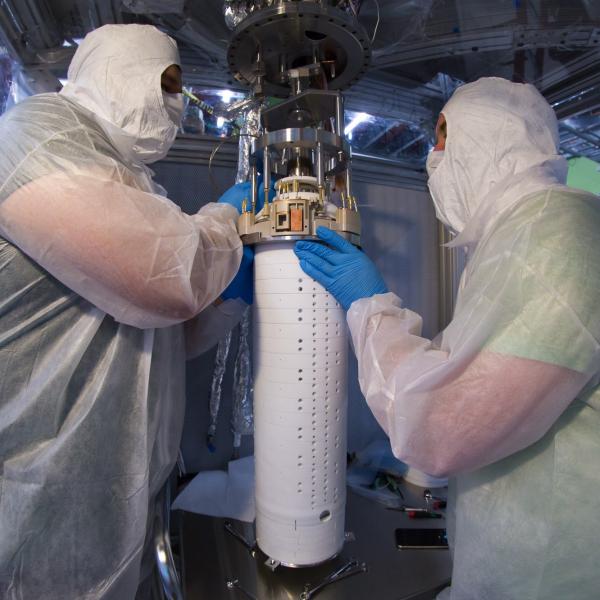
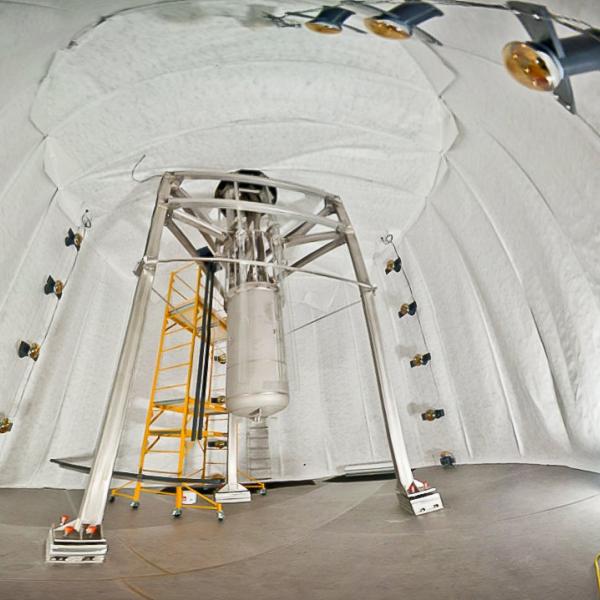
Dark matter hunters of the LUX collaboration have ruled out a larger-than-ever range of properties that hypothetical dark matter particles might have had.
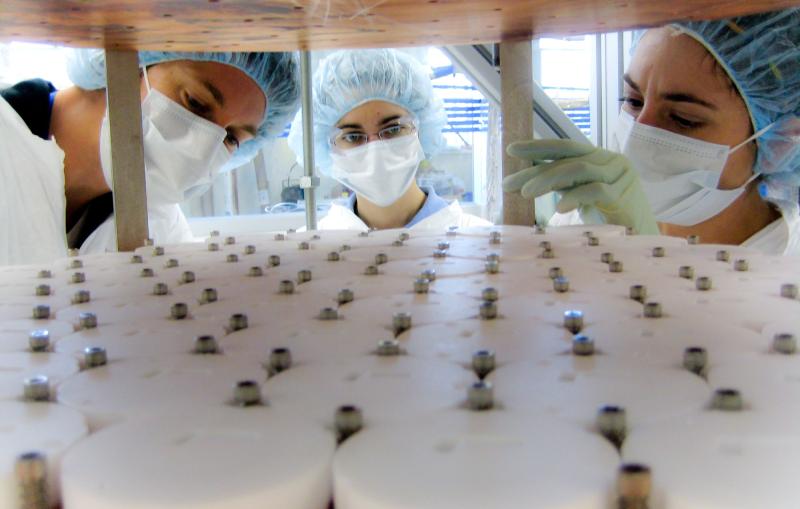
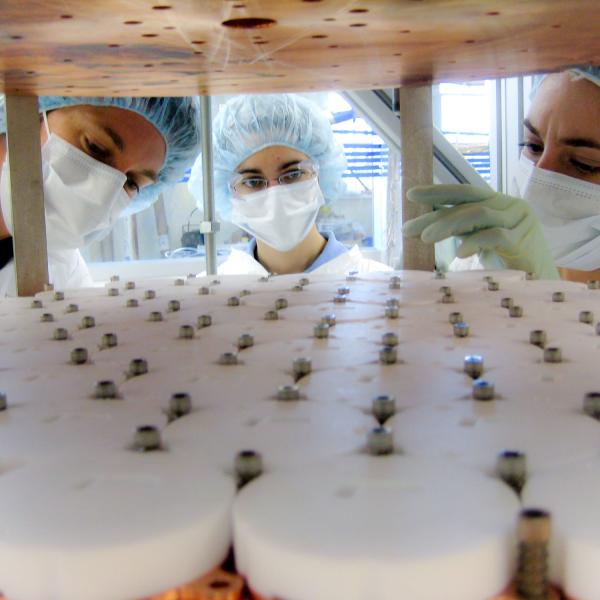
SLAC is ramping up its efforts to understand neutrinos – elusive fundamental particles whose properties may help researchers solve a number of cosmic mysteries.
It will provide new insights into the physics of black holes, the formation of chemical elements, stars and galaxies, and the evolution of the universe itself.
Contributions to LIGO have come from many Stanford teams, including SLAC, Applied Physics, Mechanical Engineering, Aeronautics and Astronautics and the School of Earth, Energy and Environmental Sciences.
Dark matter hunters of the LUX collaboration have ruled out a larger-than-ever range of properties that hypothetical dark matter particles might have had.
SLAC is ramping up its efforts to understand neutrinos – elusive fundamental particles whose properties may help researchers solve a number of cosmic mysteries.