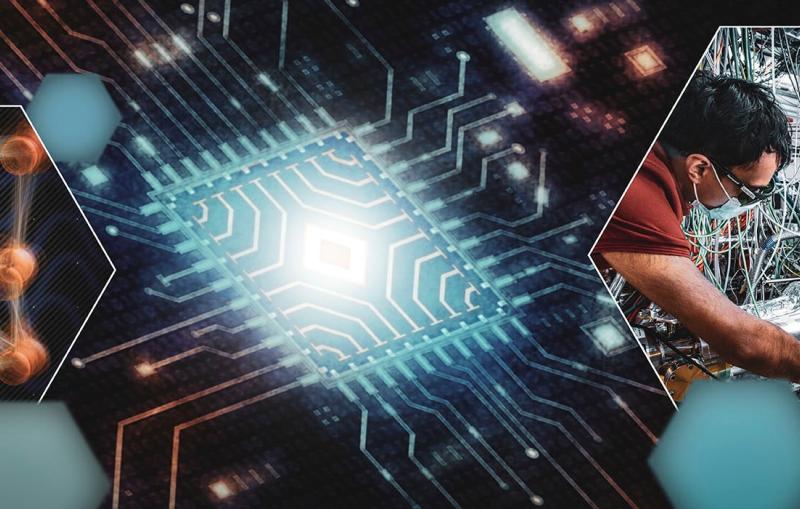
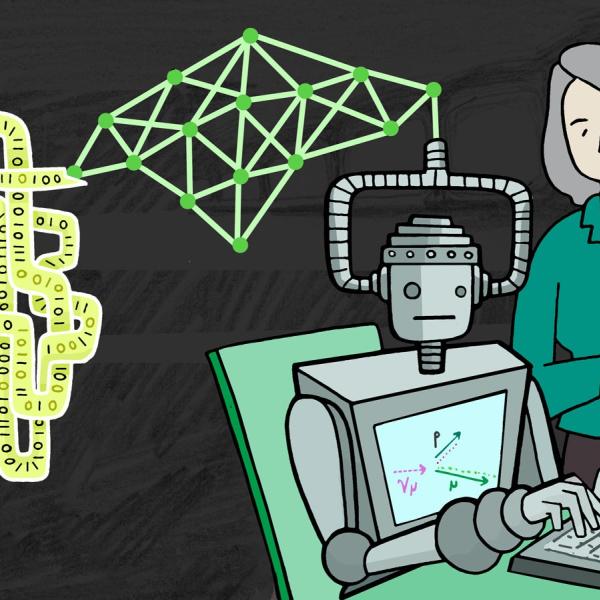
To address challenges associated with extremely large data volumes and rates, SLAC’s Computer science division works with Stanford and Silicon Valley partners on innovative computational solutions.
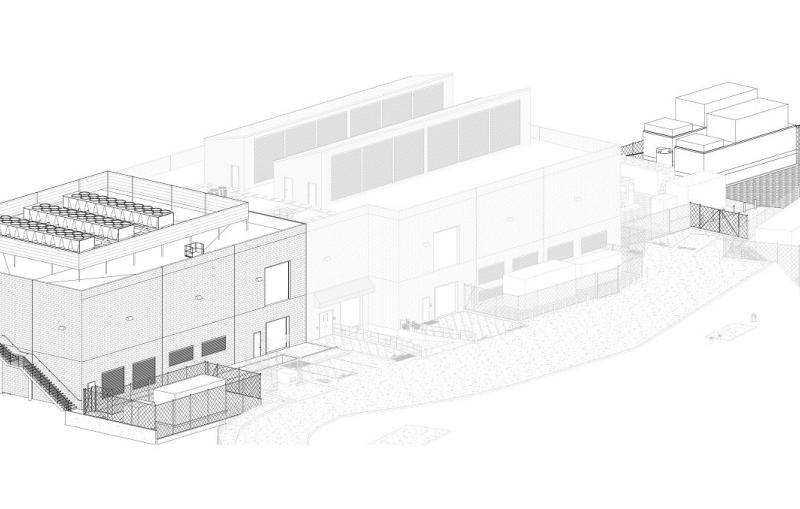
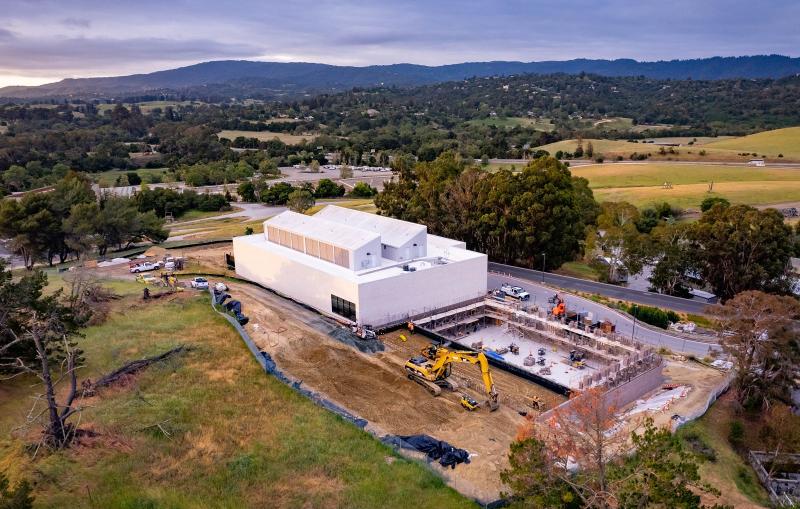
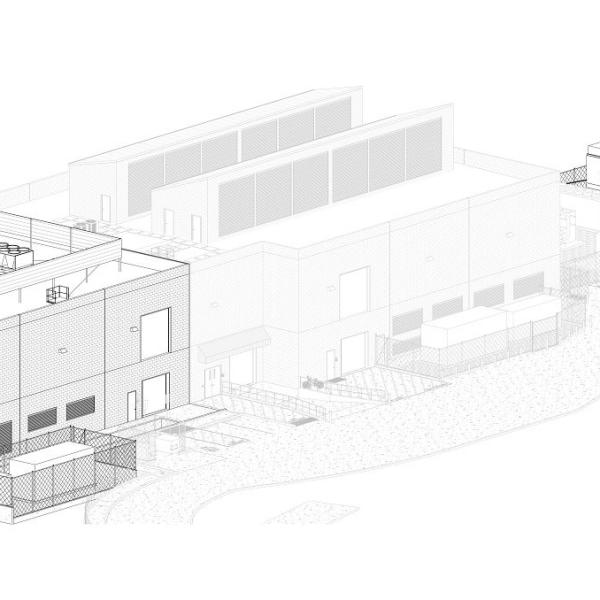
Construction of an annex to the Stanford Research Computing Facility (SRCF) began in November 2021 and is expected to be completed in the second half of 2023.
(Olivier Bonin/SLAC National Accelerator Laboratory)
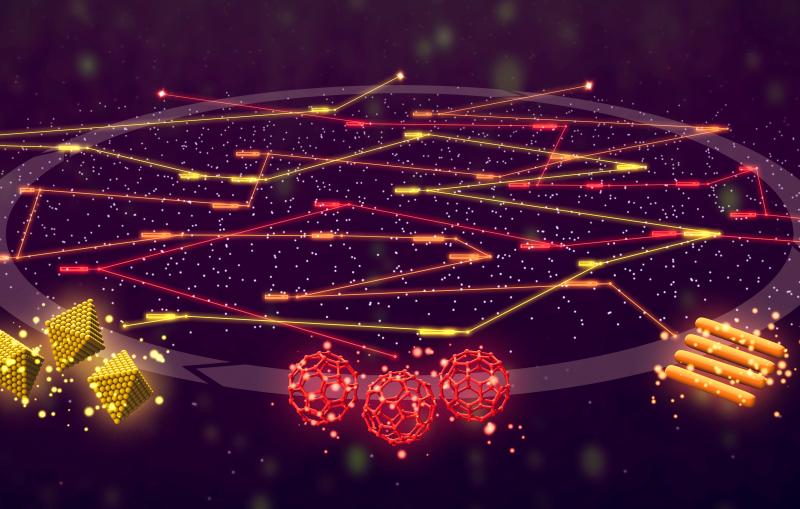
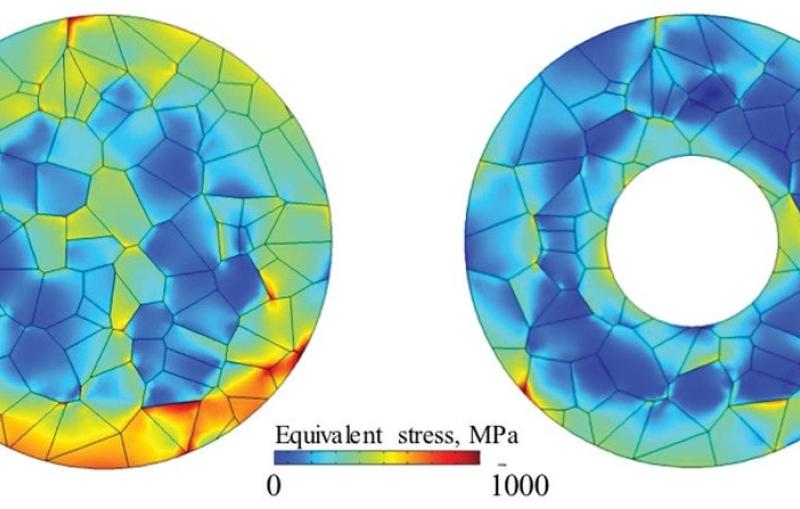
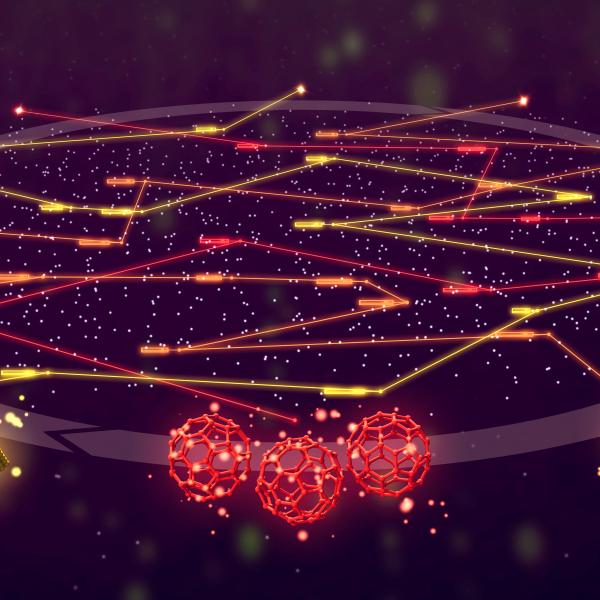
The method could lead to the development of new materials with tailored properties, with potential applications in fields such as climate change, quantum computing...
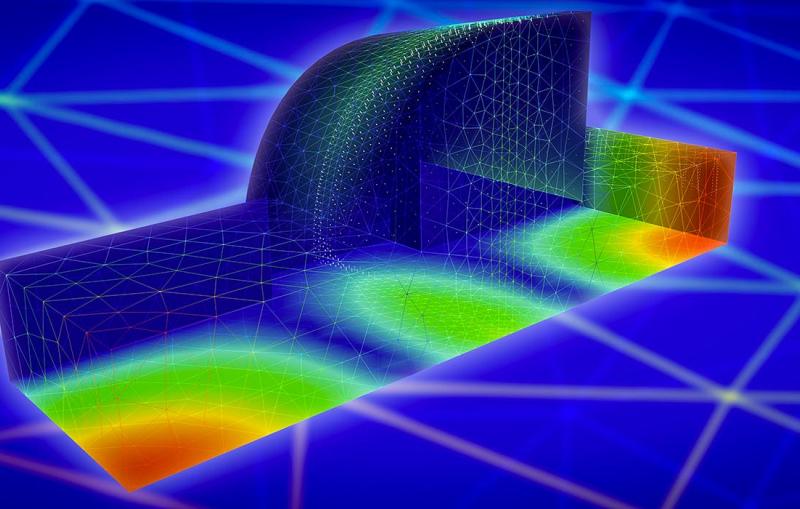
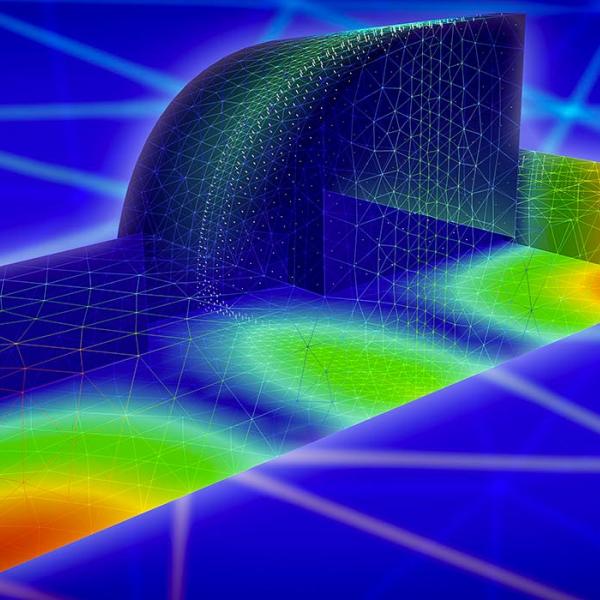
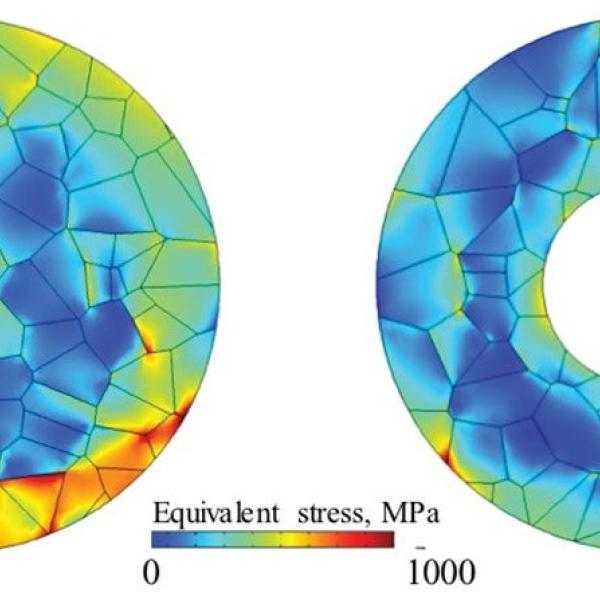
SLAC works with two small businesses to make its ACE3P software easier to use in supercomputer simulations for optimizing the shapes of accelerator structures.
An extension of the Stanford Research Computing Facility will host several data centers to handle the unprecedented data streams that will be produced by...
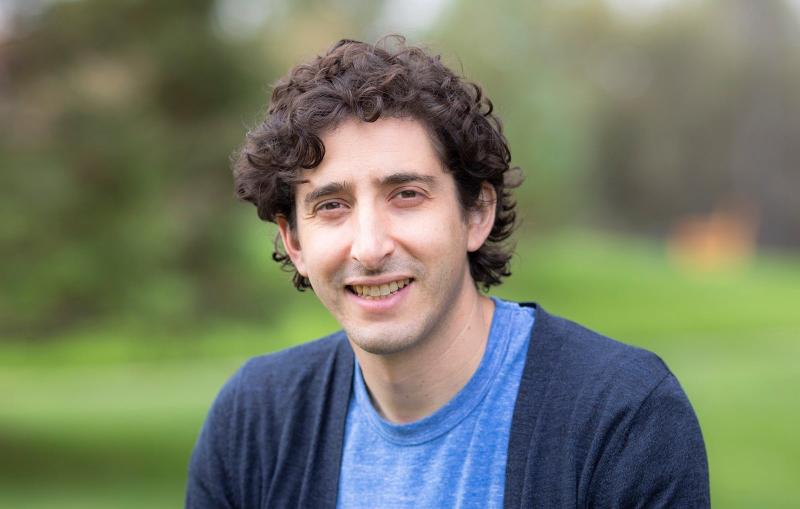
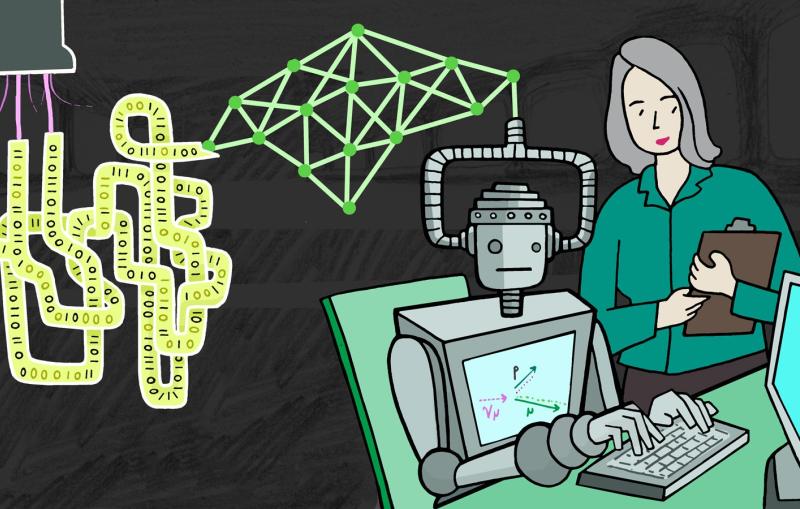
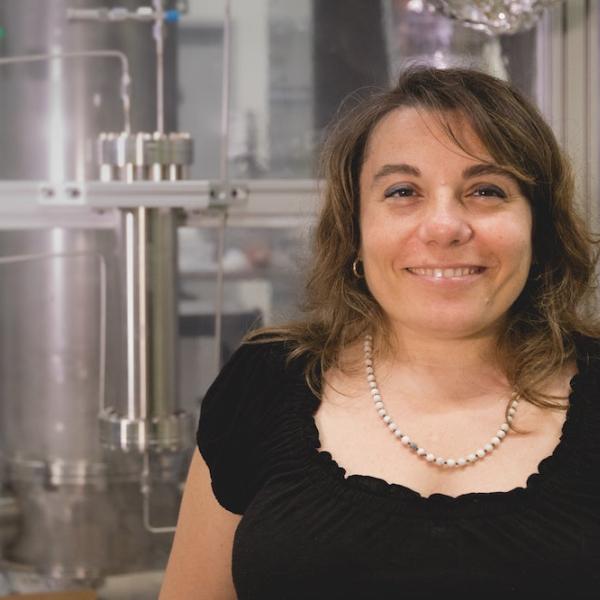
Daniel Ratner, head of SLAC’s machine learning initiative, explains the lab’s unique opportunities to advance scientific discovery through machine learning.
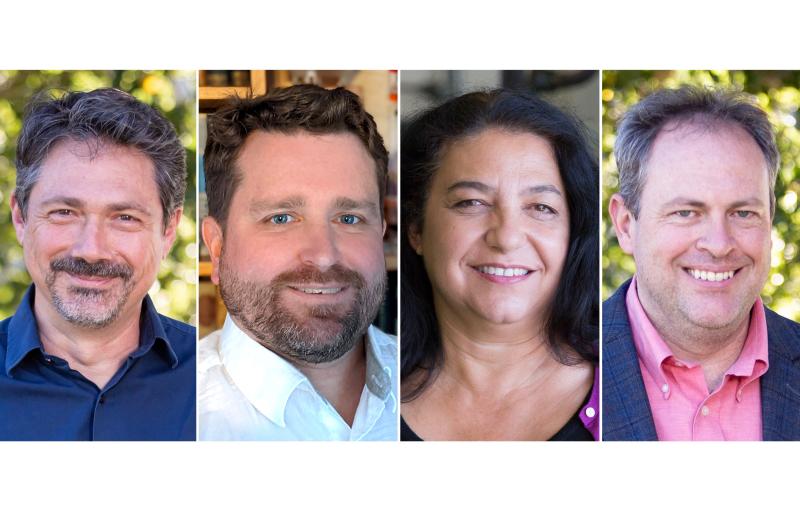
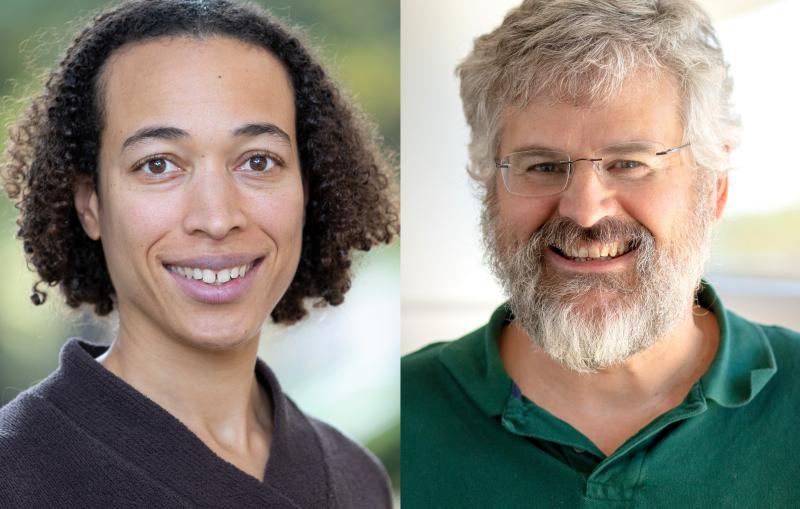
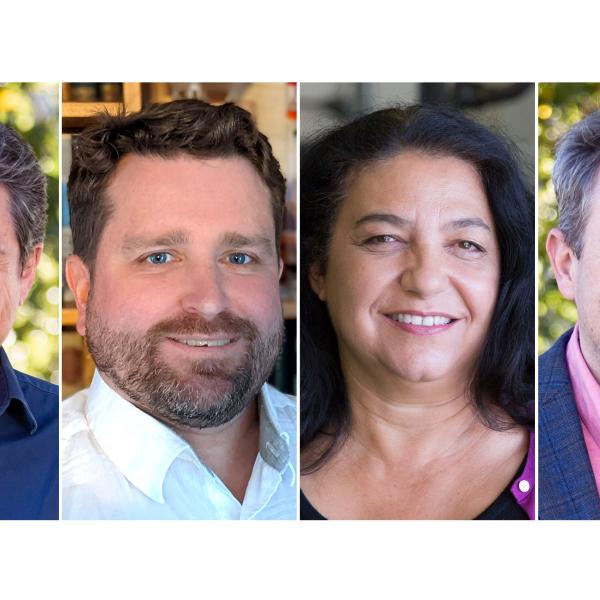
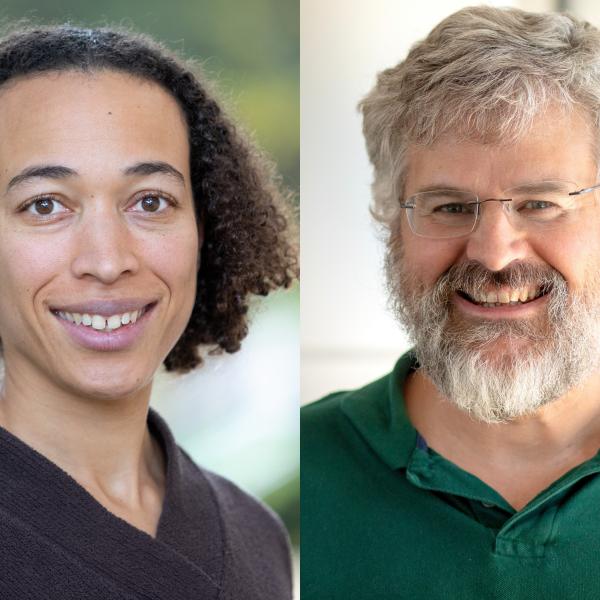
Monika Schleier-Smith and Kent Irwin explain how their projects in quantum information science could help us better understand black holes and dark matter.
The method could lead to the development of new materials with tailored properties, with potential applications in fields such as climate change, quantum computing and drug design.
SLAC works with two small businesses to make its ACE3P software easier to use in supercomputer simulations for optimizing the shapes of accelerator structures.
An extension of the Stanford Research Computing Facility will host several data centers to handle the unprecedented data streams that will be produced by a new generation of scientific projects.
Daniel Ratner, head of SLAC’s machine learning initiative, explains the lab’s unique opportunities to advance scientific discovery through machine learning.
Monika Schleier-Smith and Kent Irwin explain how their projects in quantum information science could help us better understand black holes and dark matter.
Researchers from SLAC and around the world increasingly use machine learning to handle Big Data produced in modern experiments and to study some of the most fundamental properties of the universe.