SLAC topics

Chemistry and catalysis RSS feed

Catalysts are the unsung heroes of chemistry, accelerating reactions used to make fertilizers, fuels and consumer products. Our work aims to make catalysts more efficient and reduce the use of fossil fuels.

Related link: Energy sciences
Browse tagged content below

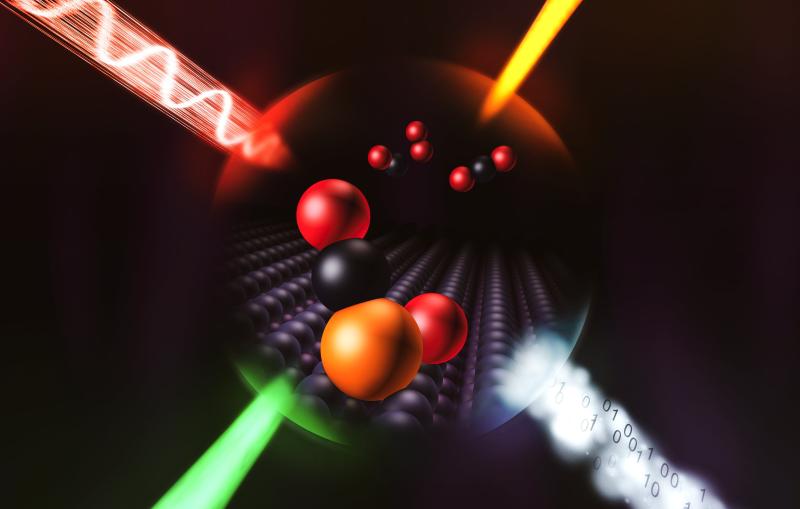
Depiction of four techniques used to study a single-atom catalyst.
Feature

With SLAC’s X-ray laser, a research team captured ultrafast changes in fluorescent proteins between “dark” and “light” states. The insights allowed the scientists to...

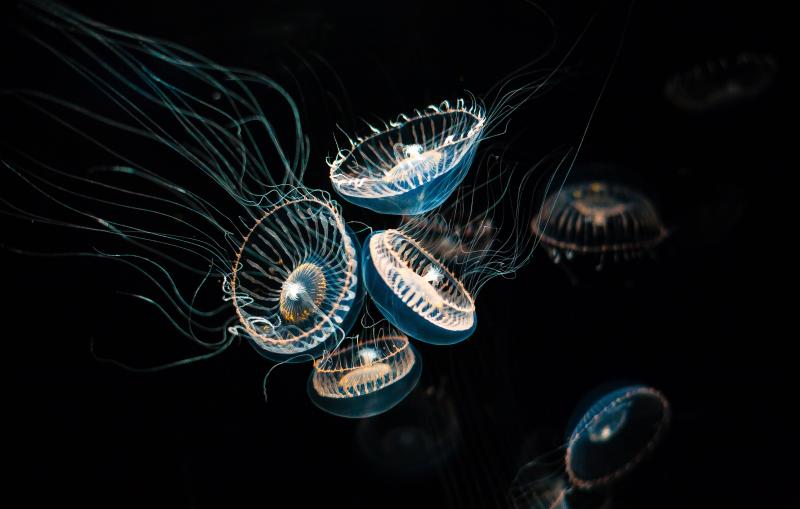
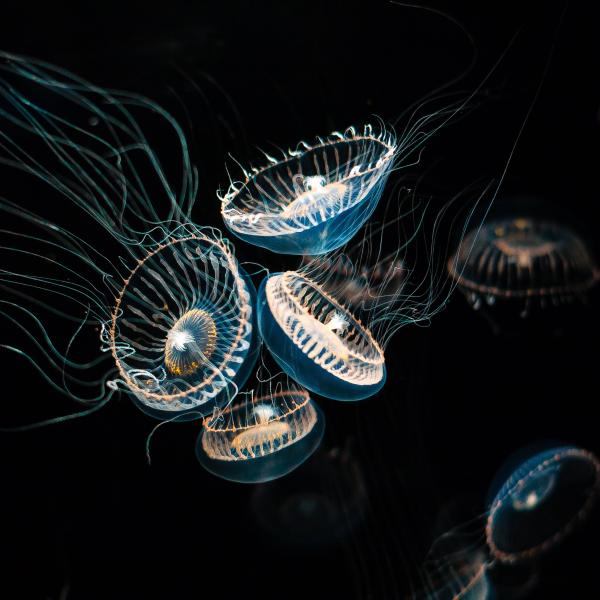
Aequorea victoria, a bioluminescent jellyfish
Feature

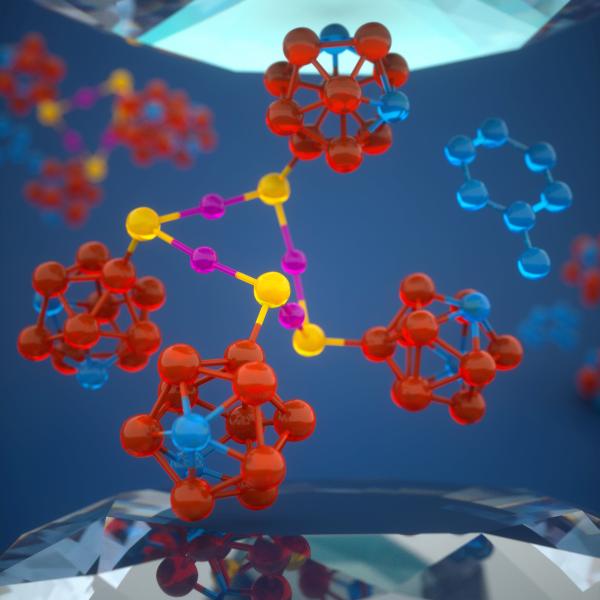
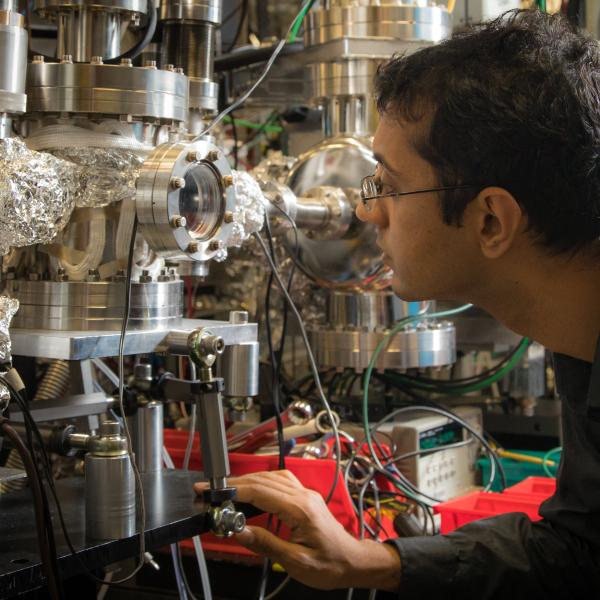
Kumar’s work, carried out in part at SSRL, explains how memristors work – a new class of electronic devices with applications in next-generation information...

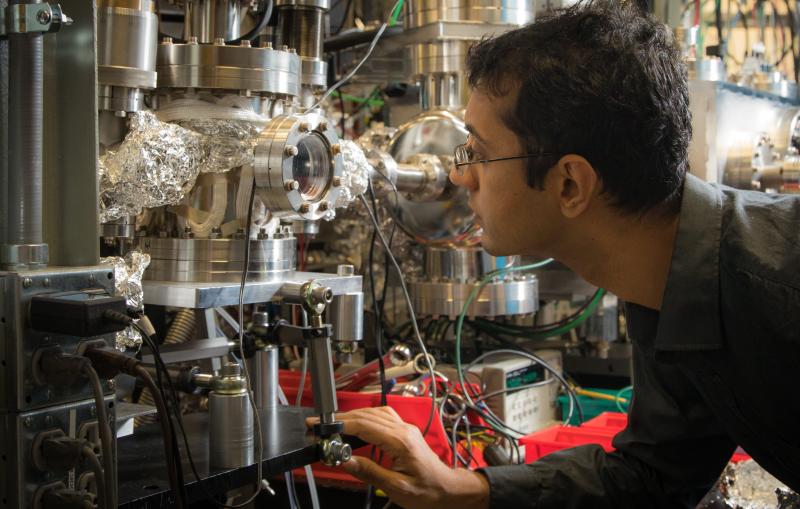
photo of Suhas Kumar at SSRL
Feature

Over the next five years they’ll work on getting significantly more information about how catalysts work and improving biological imaging methods.

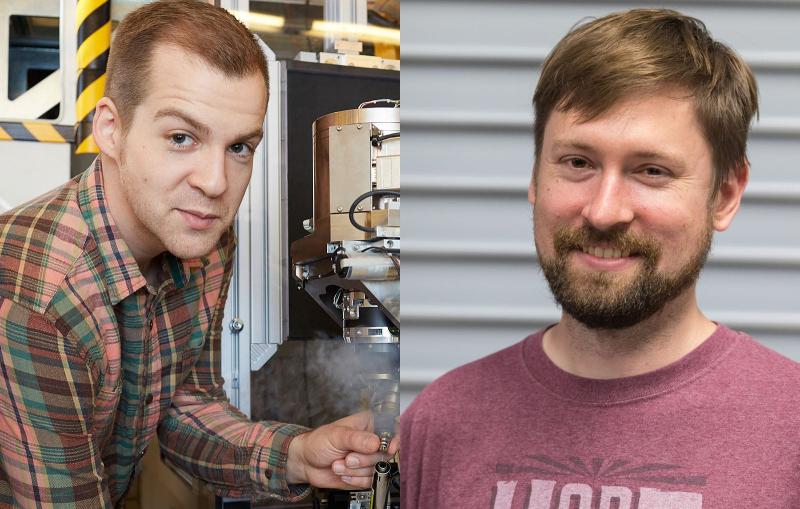
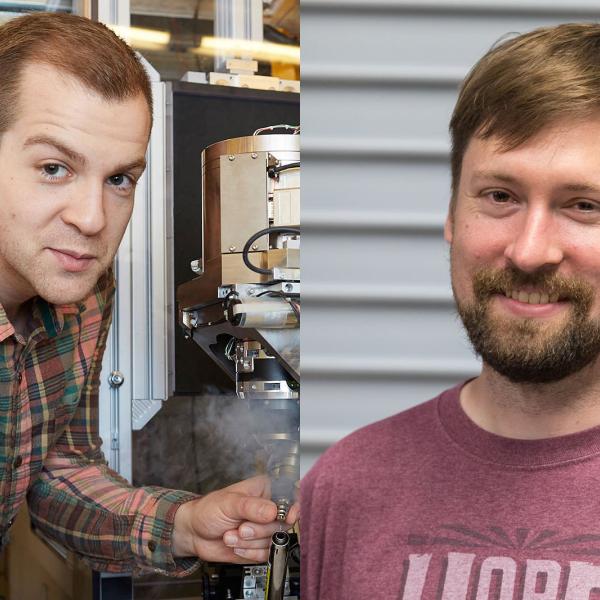
Cornelius Gati and Franklin Fuller, the 2017 Panofsky fellows at SLAC
Feature

With SLAC’s X-ray laser and synchrotron, scientists measured exactly how much energy goes into keeping this crucial bond from triggering a cell's death spiral.

An optical laser (green) excites the iron-containing active site of the protein cytochrome c, and then an X-ray laser (white) probes the iron.
Feature

A recent discovery by scientists from the SUNCAT Center for Interface Science and Catalysis could lead to a new, more sustainable way to make...

Feature

Scientists have developed a new molybdenum-coated catalyst that more efficiently generates hydrogen gas, which could lead to a sustainable clean fuel source in the...

Graph of the photocatalytic water splitting performance
Feature

An advance by SLAC and Stanford researchers greatly reduces the time needed to analyze complex catalytic reactions for making fuel, industrial chemicals and other...

Feature

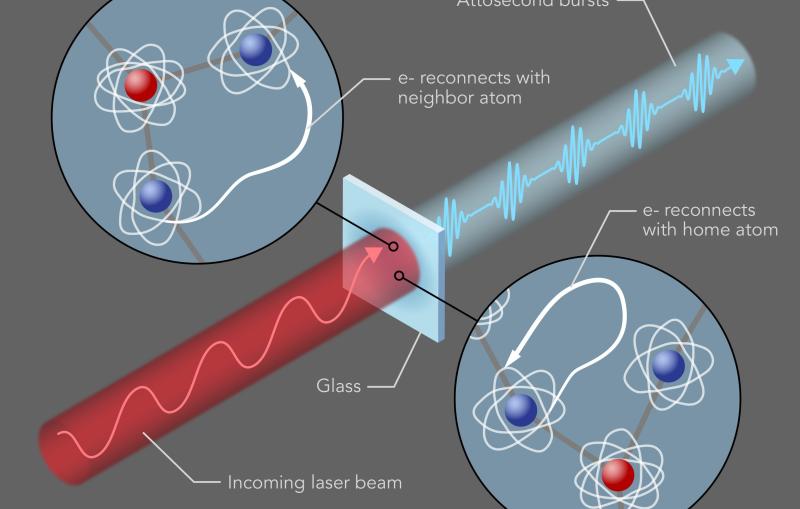
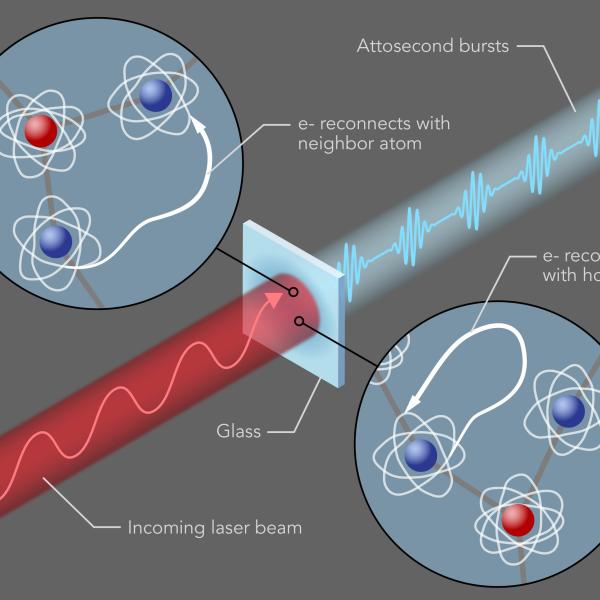
Researchers at SLAC are already looking at the largely unexplored realm of attosecond science.

Feature

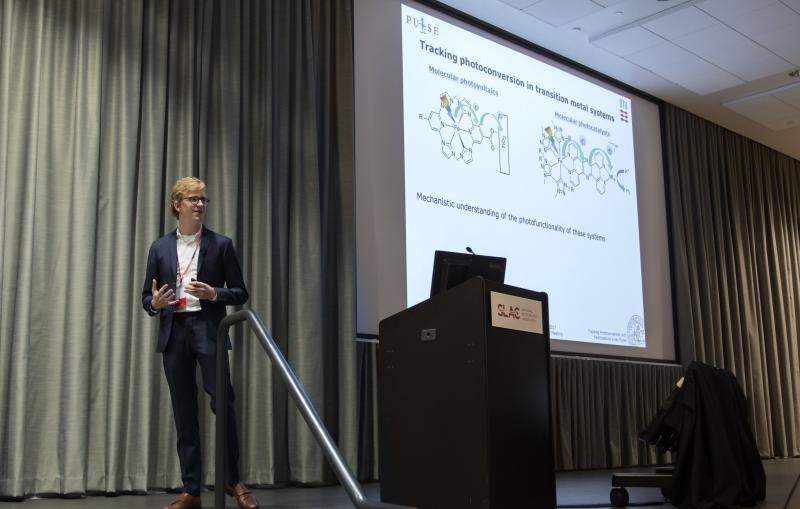
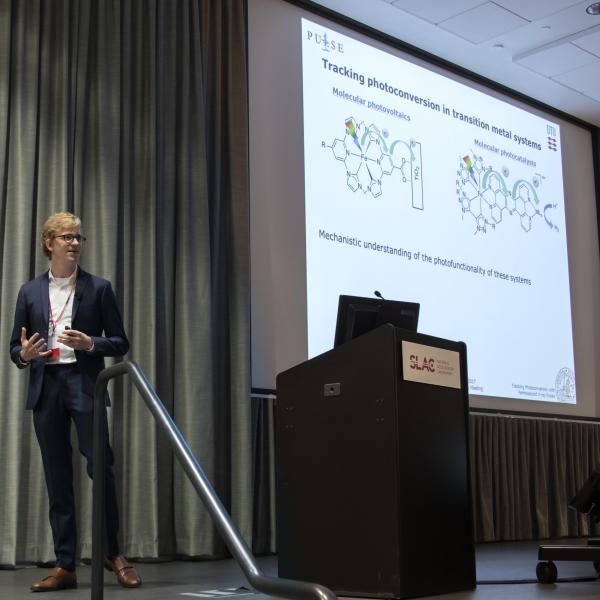
PULSE scientist Amy Cordones-Hahn describes her work on chemical reactions that turn sunlight into useable energy.

Feature

Explore the fourth dimension, from processes that occur in billions of years down to tiny slivers of a second.

Feature

Accelerator physicist Agostino Marinelli discusses how SLAC's X-ray laser makes femtosecond light.

Feature

Ryan Coffee, scientist at the Linac Coherent Light Source, explains in a video interview.

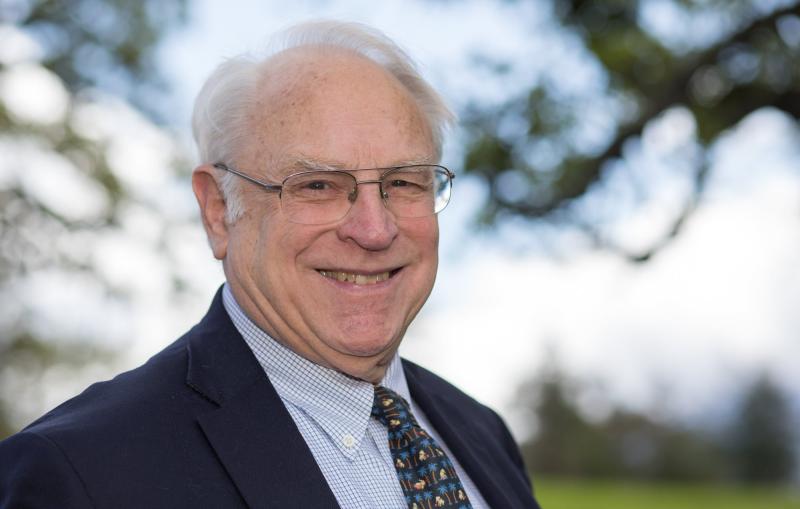
Ryan Coffee