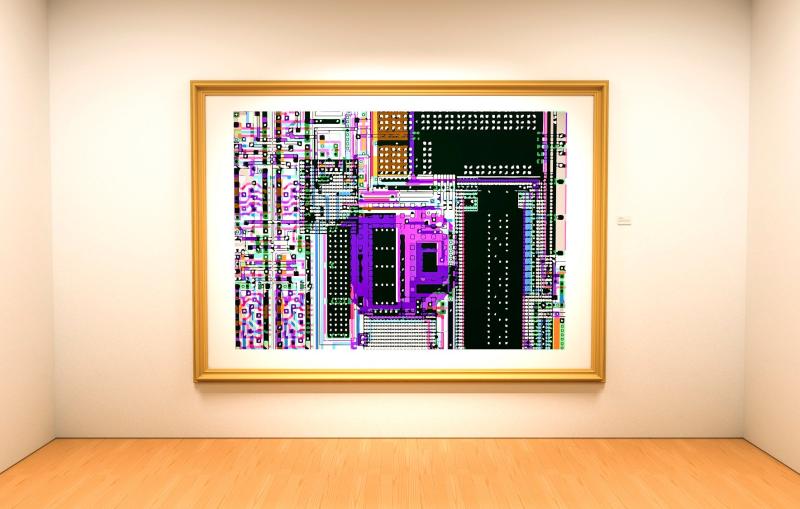
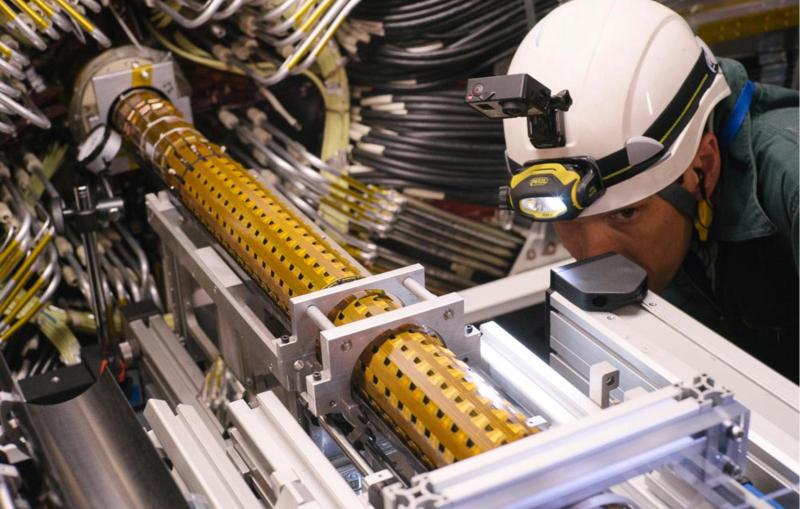
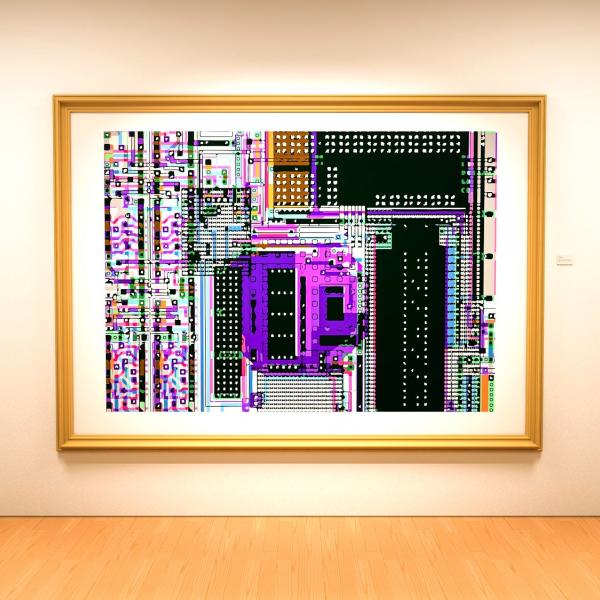
A team of electrical designers develops specialized microchips for a broad range of scientific applications, including X-ray science and particle physics.
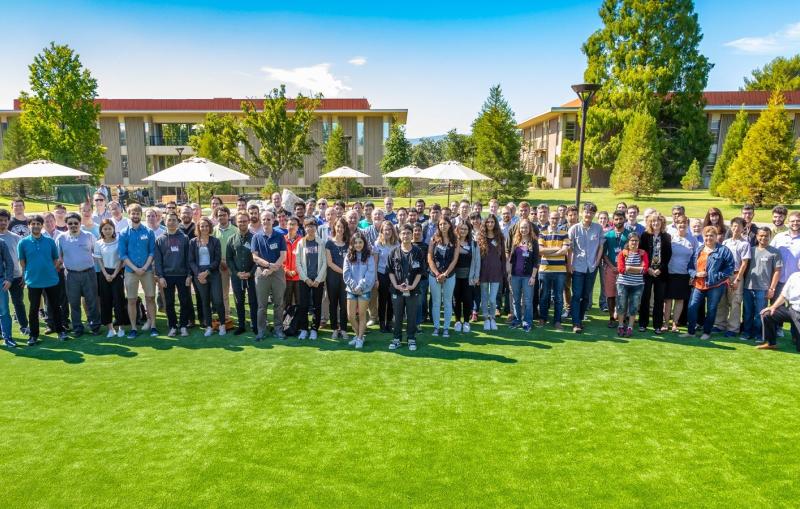
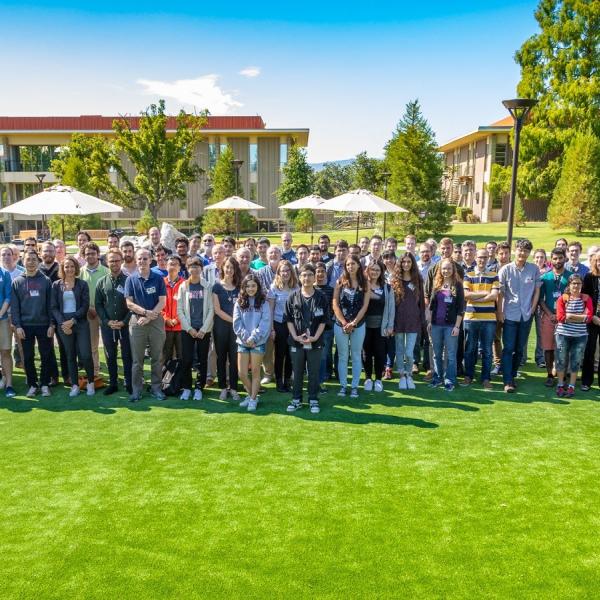
The event attracted 124 participants and explores the successes and challenges of the theory that describes subatomic particles and fundamental forces.
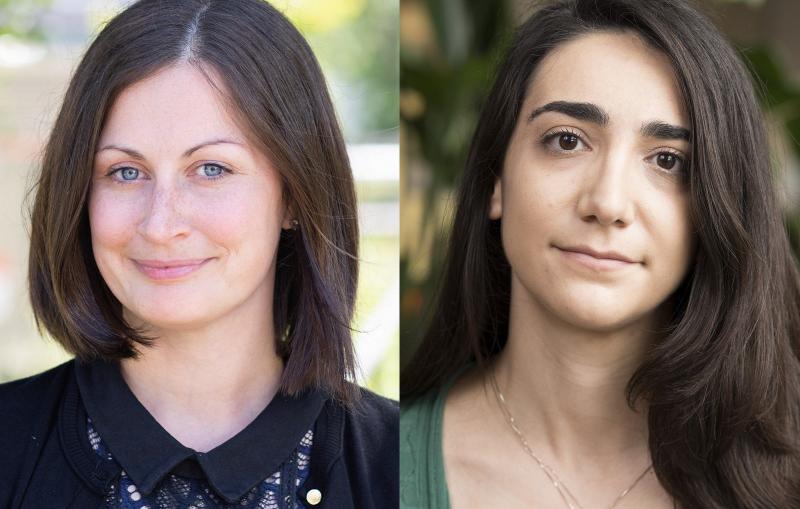
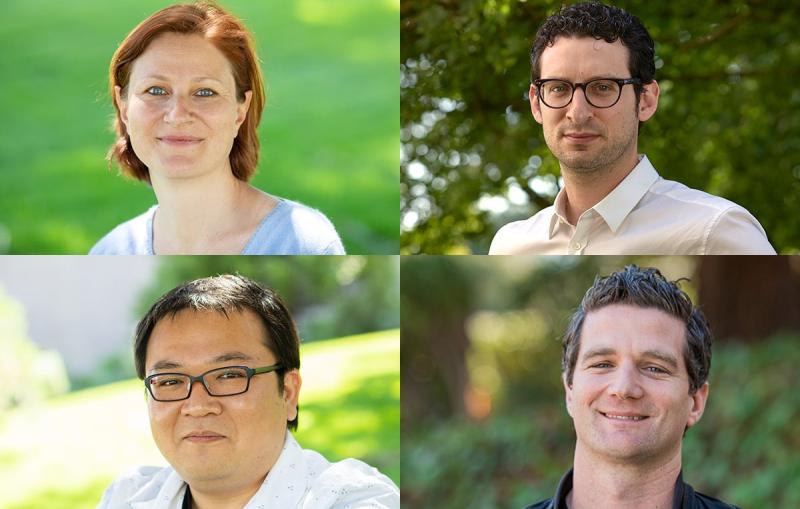
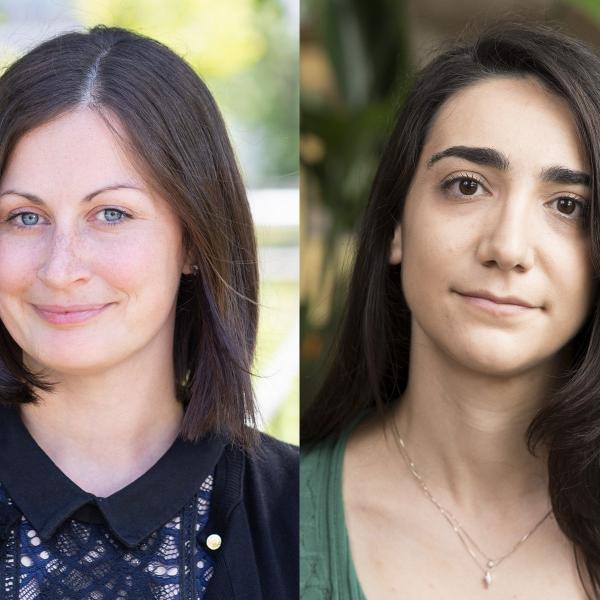
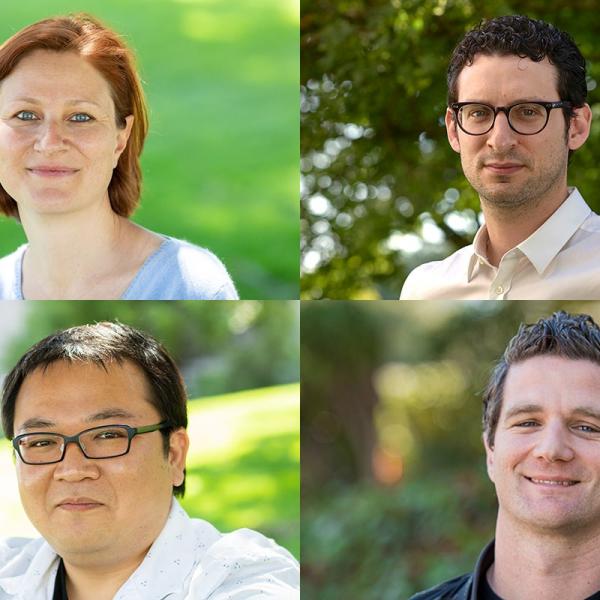
Tais Gorkhover, Michael Kagan, Kazuhiro Terao and Joshua Turner will each receive $2.5 million for research that studies fundamental particles, nanoscale objects, quantum materials...
A team of electrical designers develops specialized microchips for a broad range of scientific applications, including X-ray science and particle physics.
The event attracted 124 participants and explores the successes and challenges of the theory that describes subatomic particles and fundamental forces.
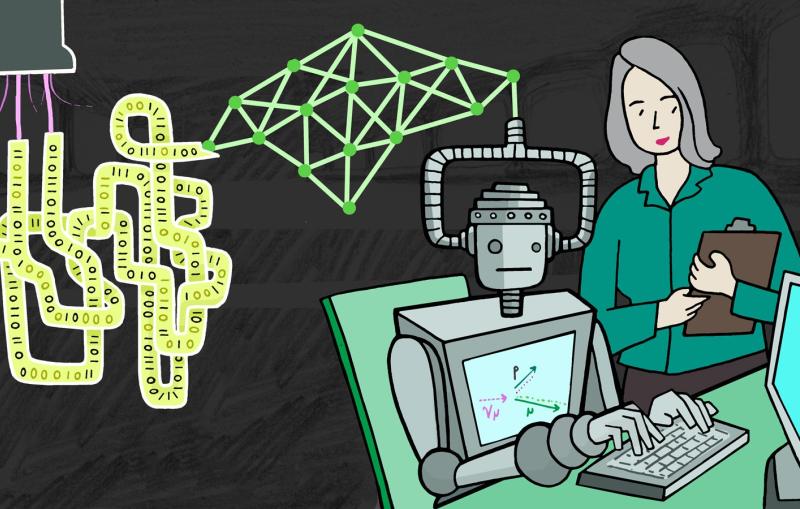
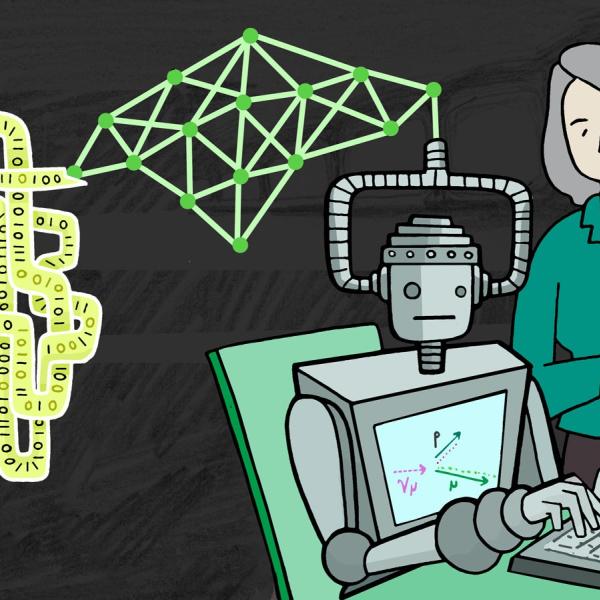
Researchers from SLAC and around the world increasingly use machine learning to handle Big Data produced in modern experiments and to study some of the most fundamental properties of the universe.
Tais Gorkhover, Michael Kagan, Kazuhiro Terao and Joshua Turner will each receive $2.5 million for research that studies fundamental particles, nanoscale objects, quantum materials and machine learning.