SLAC topics

ATLAS experiment RSS feed

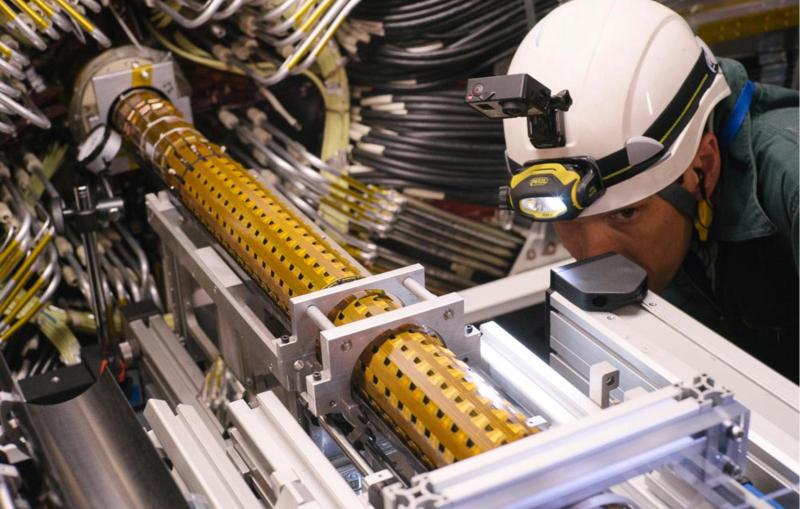
SLAC scientists contribute significantly to the ATLAS experiment at the world’s most powerful particle collider, CERN’s Large Hadron Collider.

Browse tagged content below

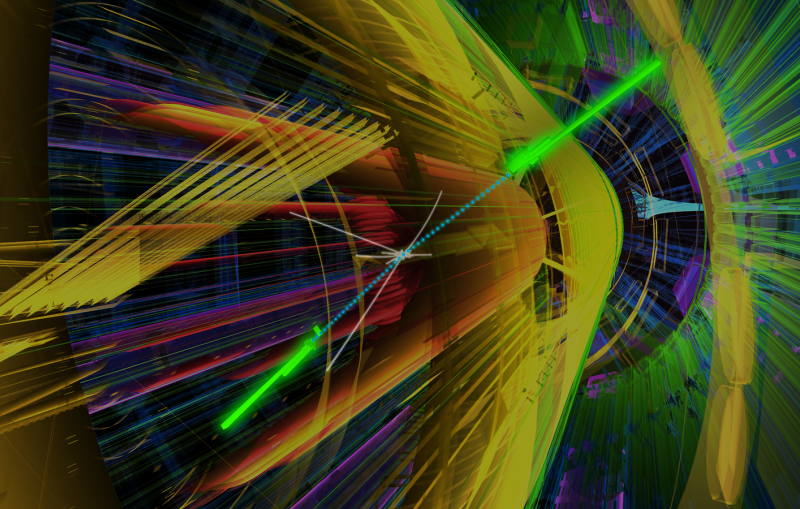
ATLAS experiment.
Feature
VIA Symmetry Magazine

The Value of Basic Research

How can we measure the worth of scientific knowledge? Economic analysts give it a shot.

Feature
VIA Symmetry Magazine

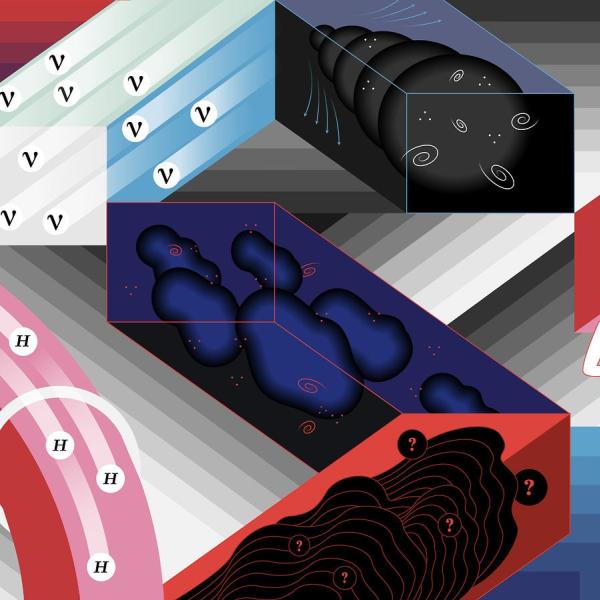
2016 year in particle physics

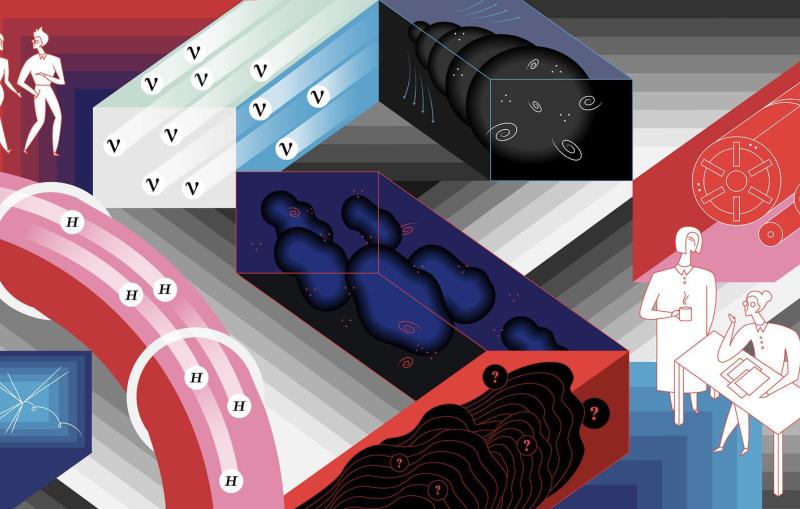
Scientists furthered studies of the Higgs boson, neutrinos, dark matter, dark energy and cosmic inflation and continued the search for undiscovere

Feature
VIA Symmetry Magazine

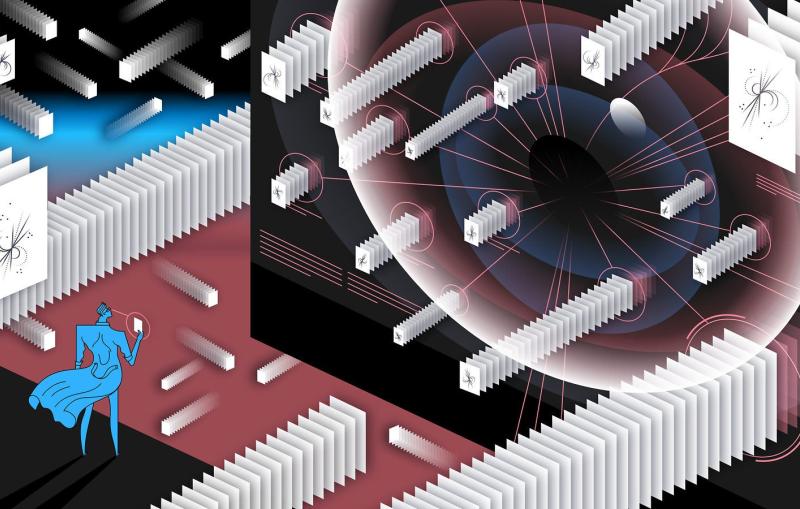
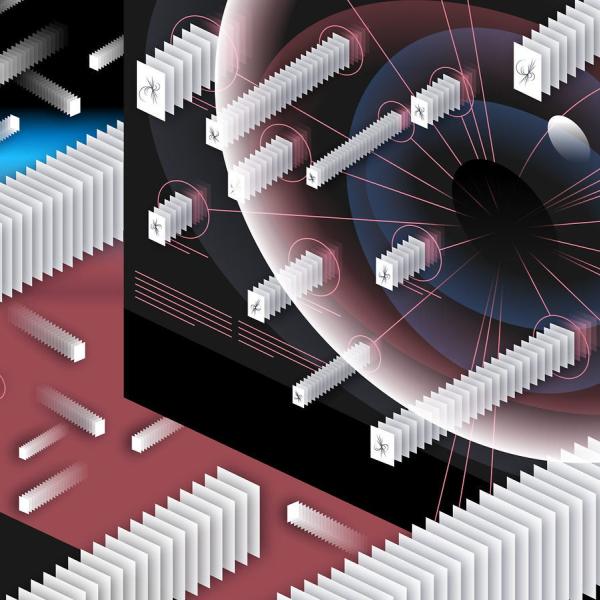
Deep Learning Takes on Physics

Can the same type of technology Facebook uses to recognize faces also recognize particles?

Feature

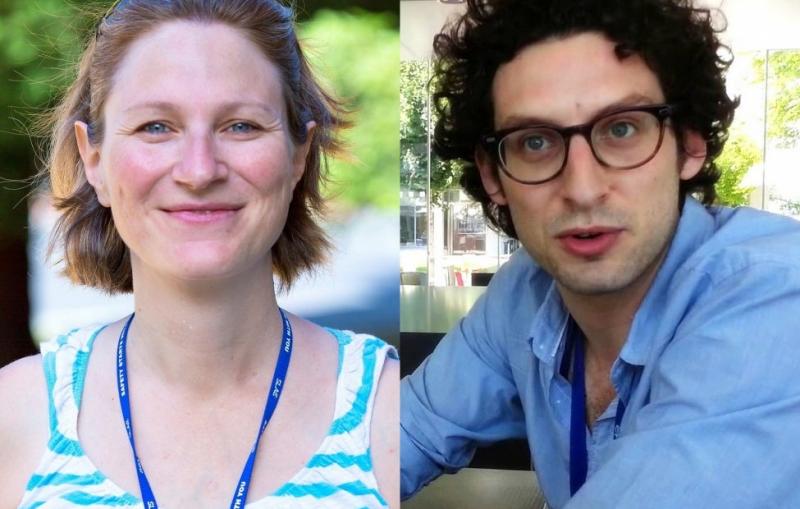
The fellowship will support their research into developing new methods of imaging tiny particles and understanding the properties of the Higgs boson.

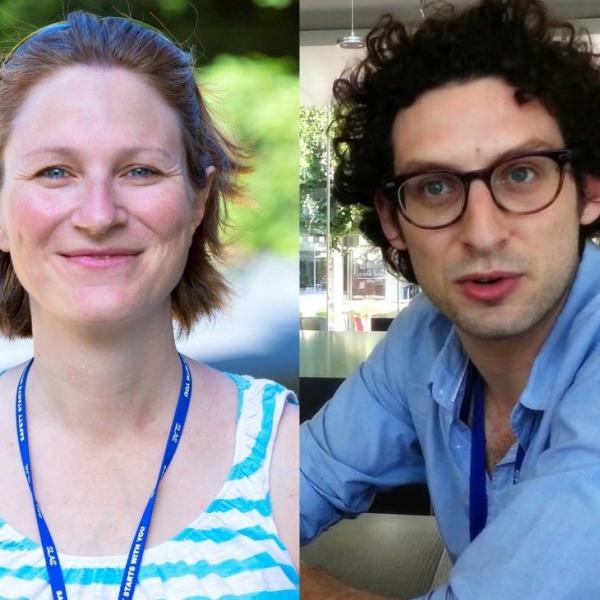
Tais Gorkhover and Michael Kagan, the 2016 Panofsky Fellows at SLAC
Feature

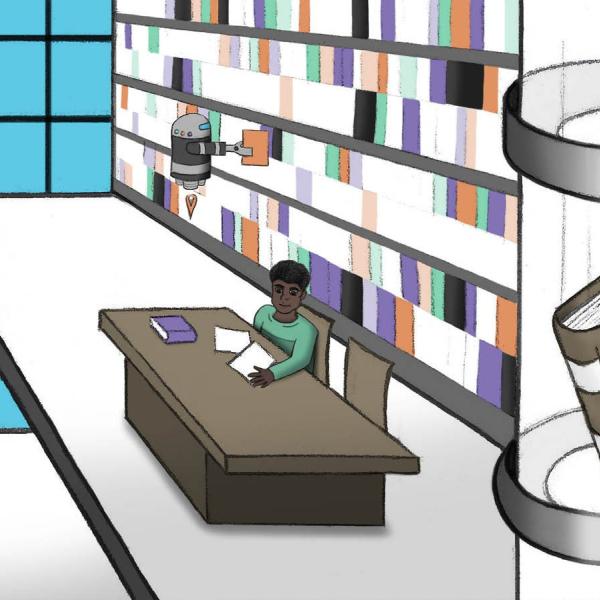
The first website to be hosted in the US has grown to be an invaluable hub for open science.

Feature

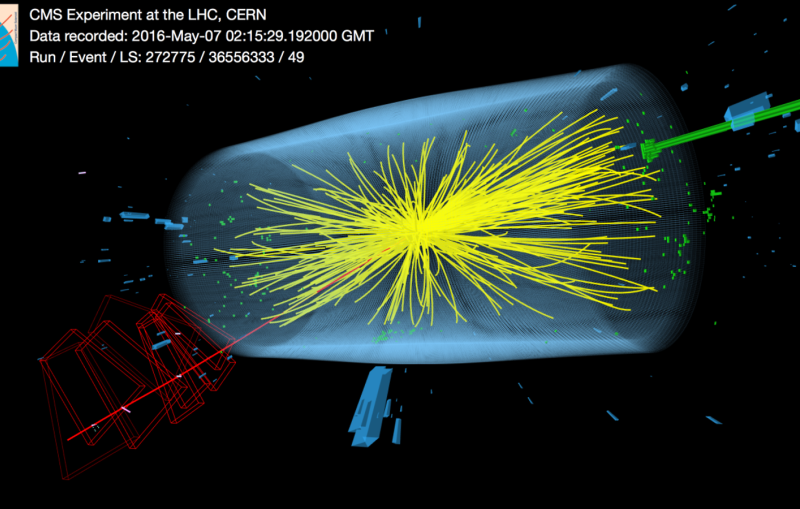
Experiments at the Large Hadron Collider are once again recording collisions at extraordinary energies.

Feature
VIA Symmetry Magazine

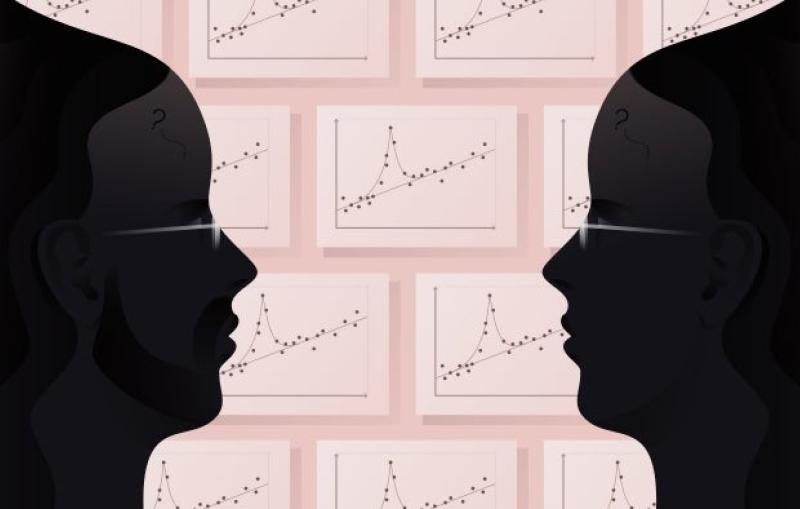
Bump Watch 2016

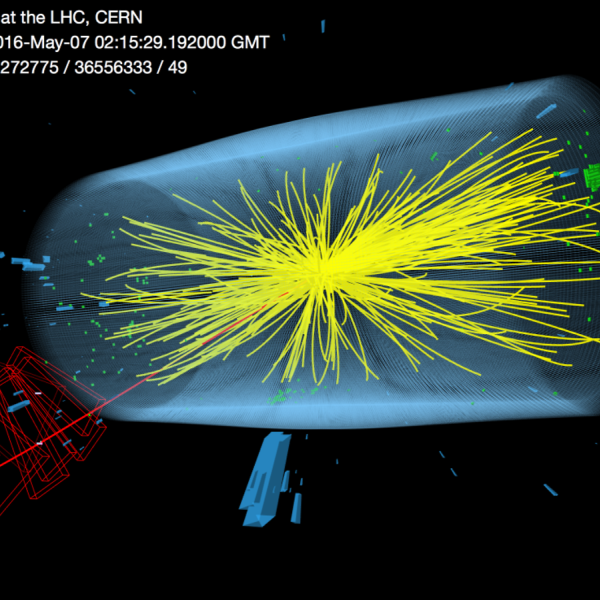
A bump in the LHC data has physicists electrified…but what does it mean?

Feature

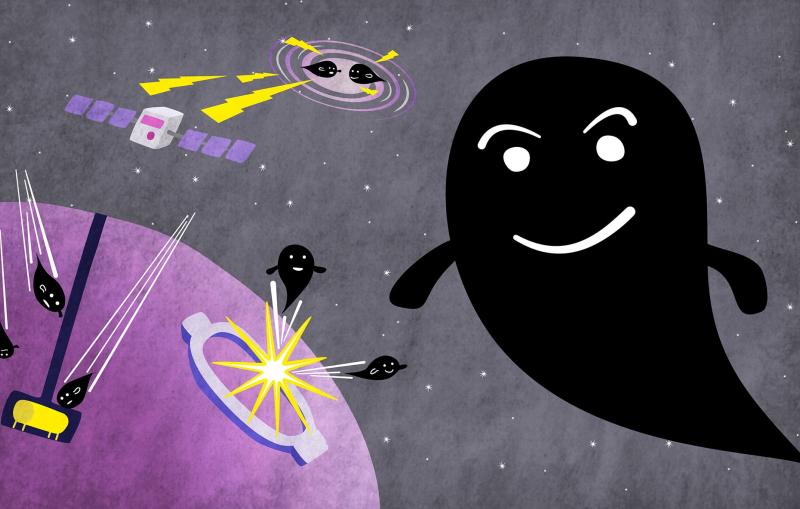
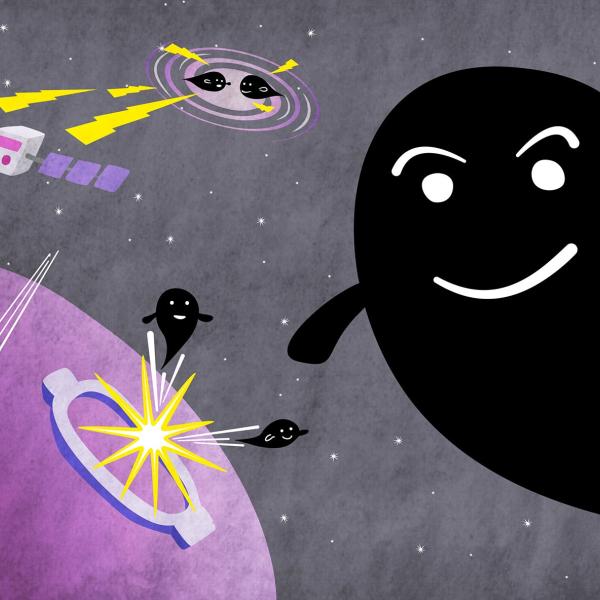
Dark matter hunters around the world pursue three approaches to look for fingerprints of ghostly WIMPs: on the Earth’s surface, underground and in space.

Researchers around the world pursue three approaches to look for fingerprints of dark matter's ghostly components.
Feature

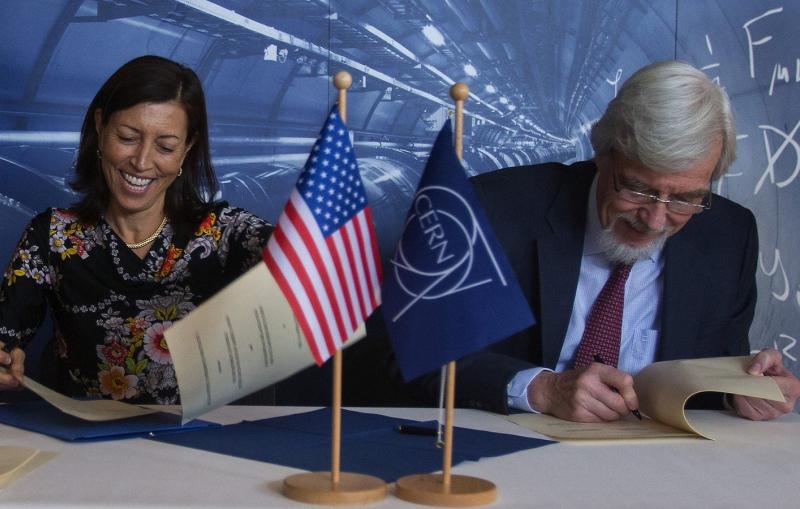
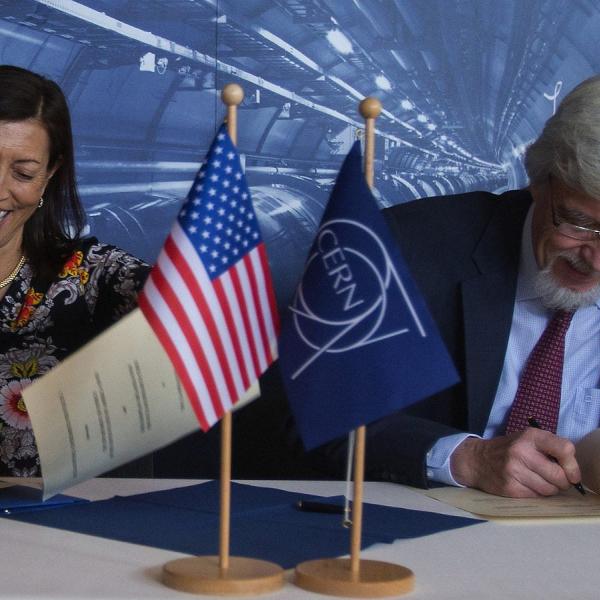
The United States and the European physics laboratory have formally agreed to partner on continued LHC research, upcoming neutrino research and a

Feature
VIA Symmetry Magazine

Charge-Parity Violation

Matter and antimatter behave differently. Scientists hope that investigating how might someday explain why we exist.

Photo of closed rose. In mirror it is open.

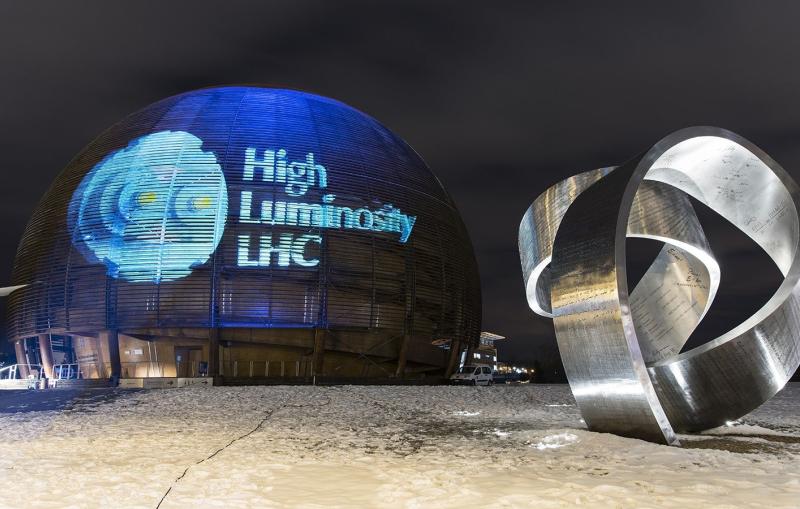
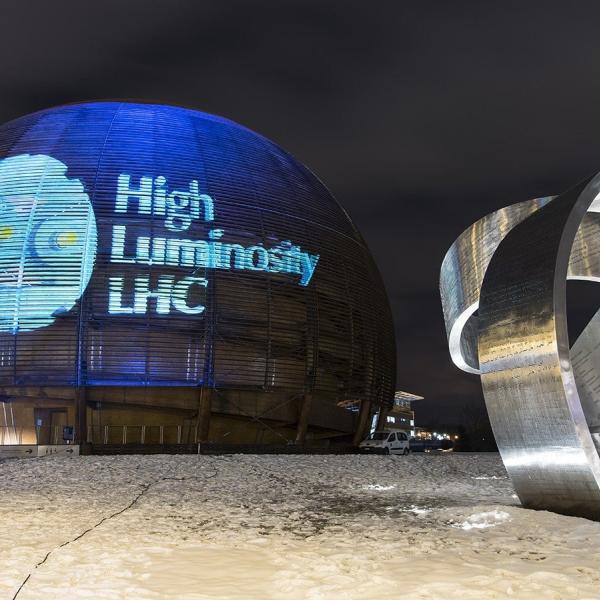
Physicists are already preparing upgrades that will increase the physics reach of the Large Hadron Collider in the next decade.

Feature

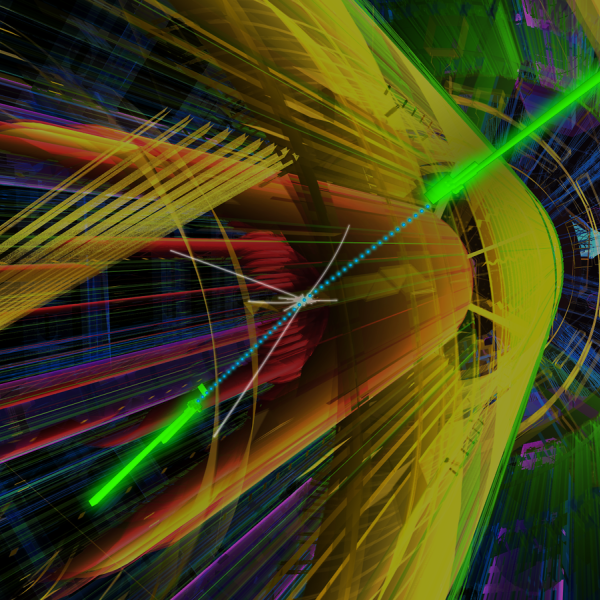
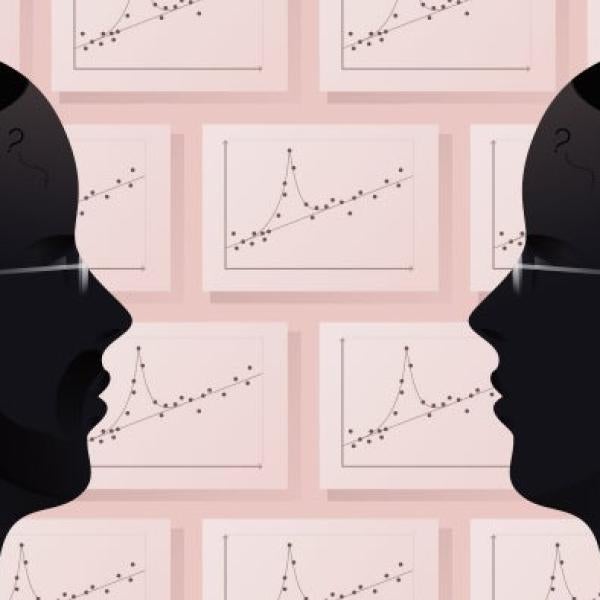
For physicists, seeing is not always believing.