SLAC’s astrophysicists and cosmologists pursue top-priority research on topics including dark matter and dark energy, the formation of galaxies and cosmic evolution.
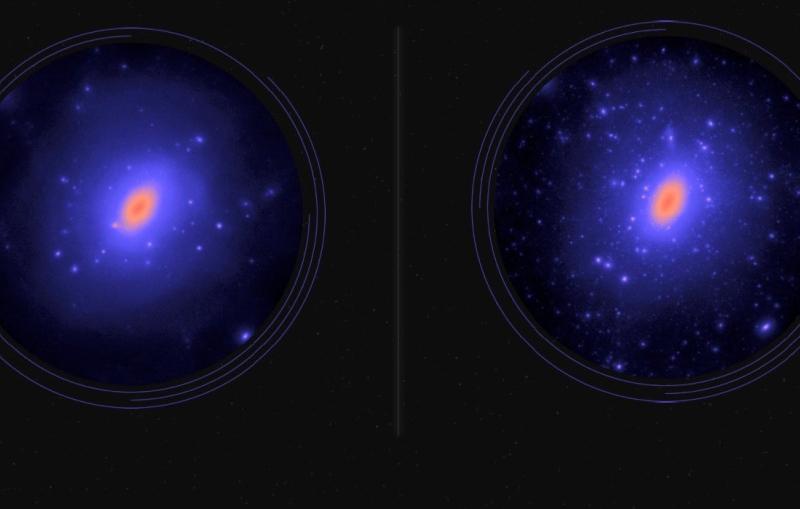
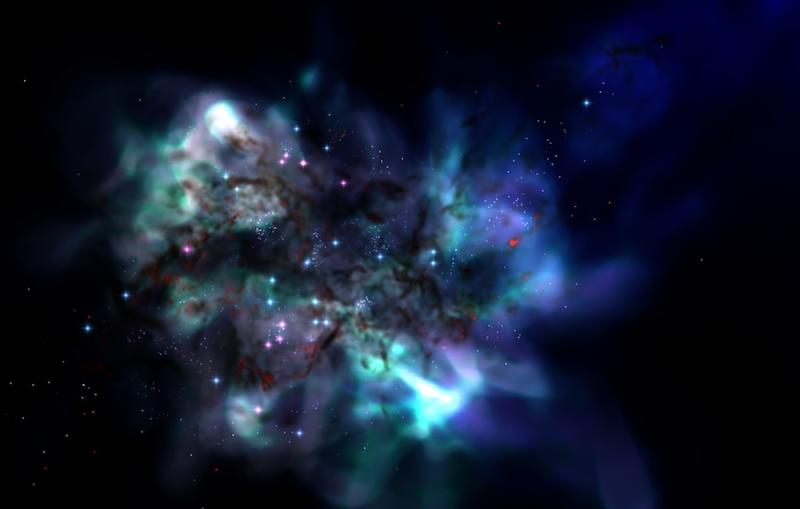
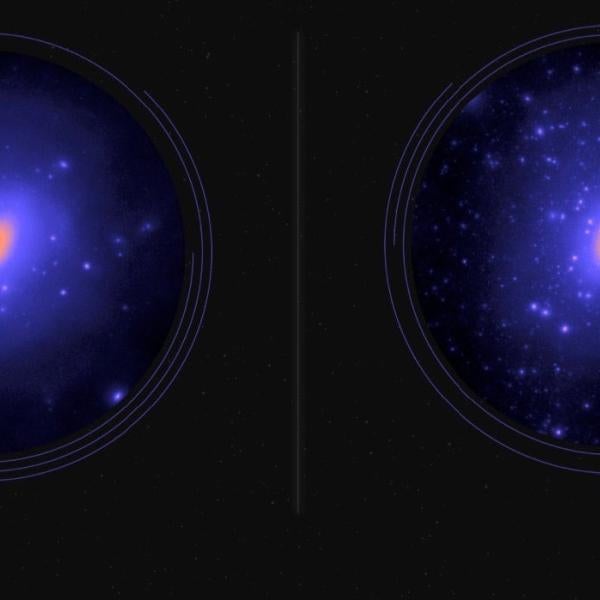
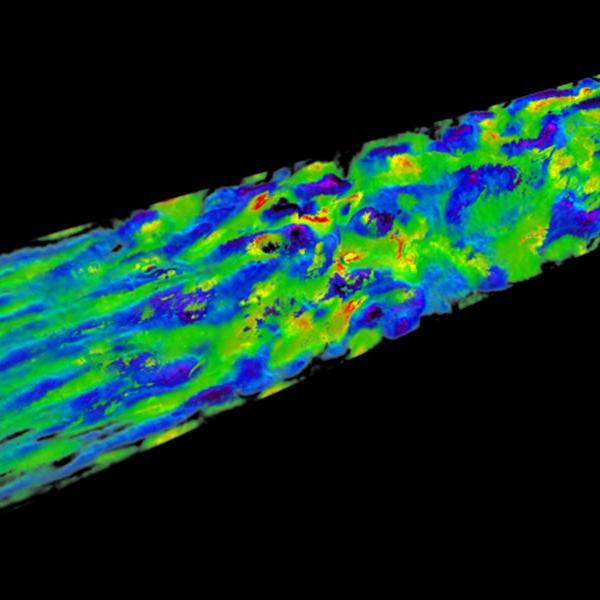
Dwarf Galaxy 3.
(Visualization by Ralf Kaehler and Tom Abel. Simulation by John Wise, Tom Abel/The Kavli Foundation/SLAC National Accelerator Laboratory/Stanford University)
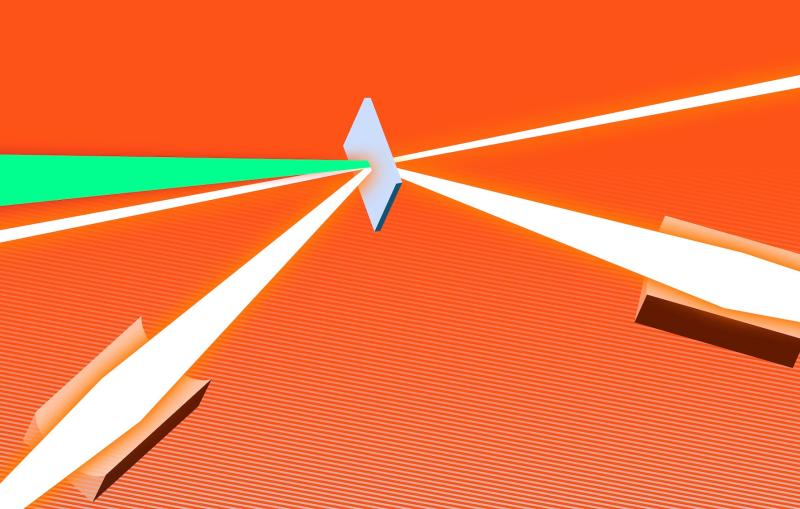
Their work uses machine learning to transform the way scientists tune particle accelerators for experiments and solve longstanding mysteries in astrophysics and cosmology.
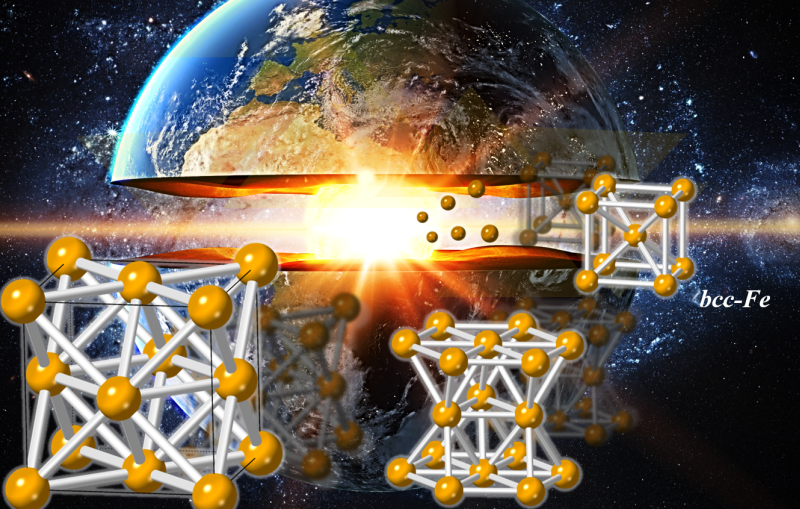
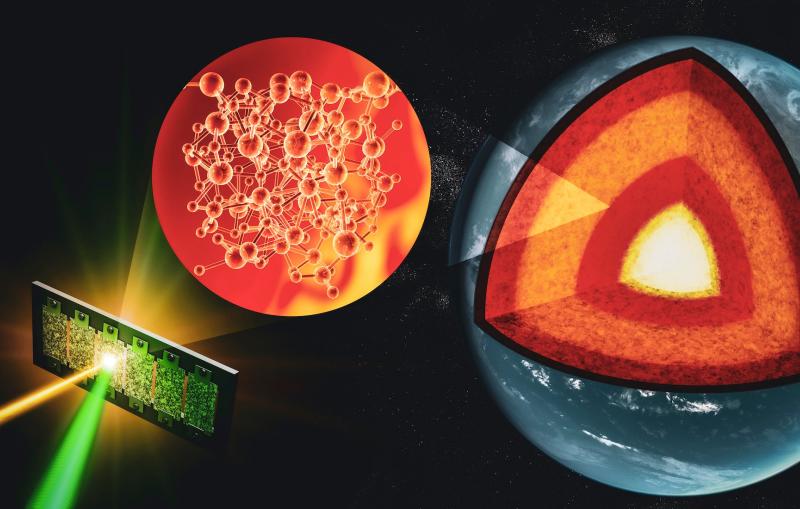
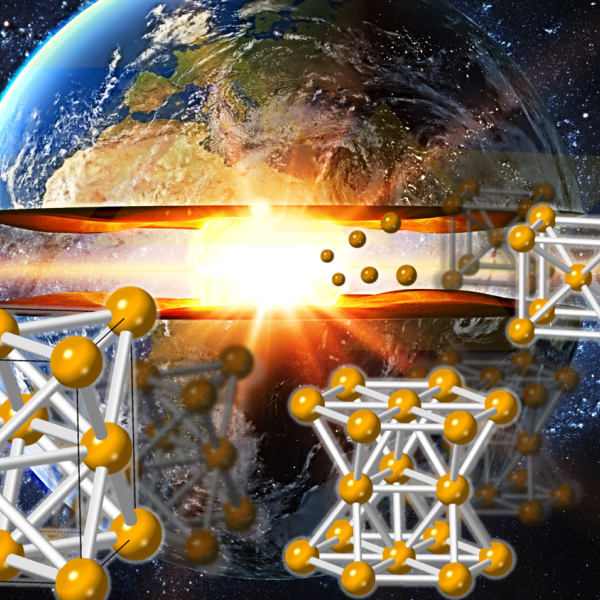
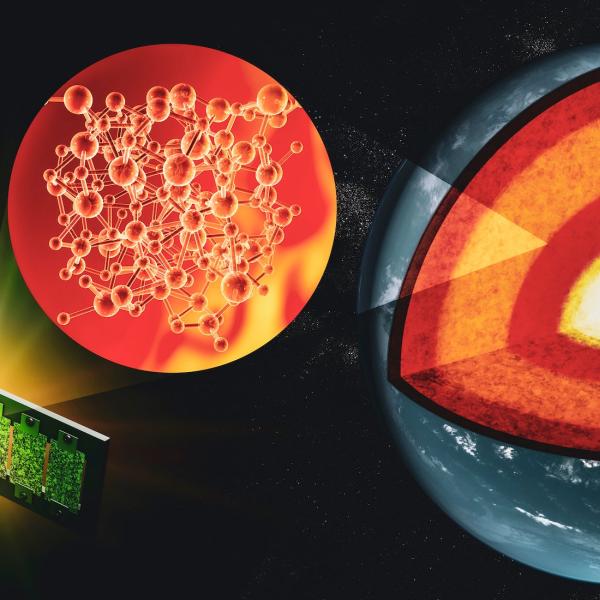
Researchers developed a way to measure the basic properties of matter at the highest pressures thus far achieved in a controlled laboratory experiment.
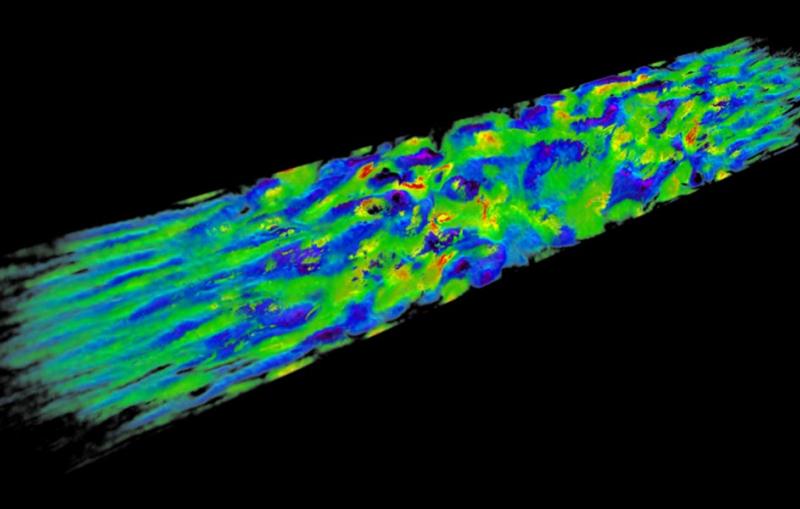
In experiments at the National Ignition Facility, a SLAC-led team found new details about how supernovas boost charged particles to nearly the speed of...
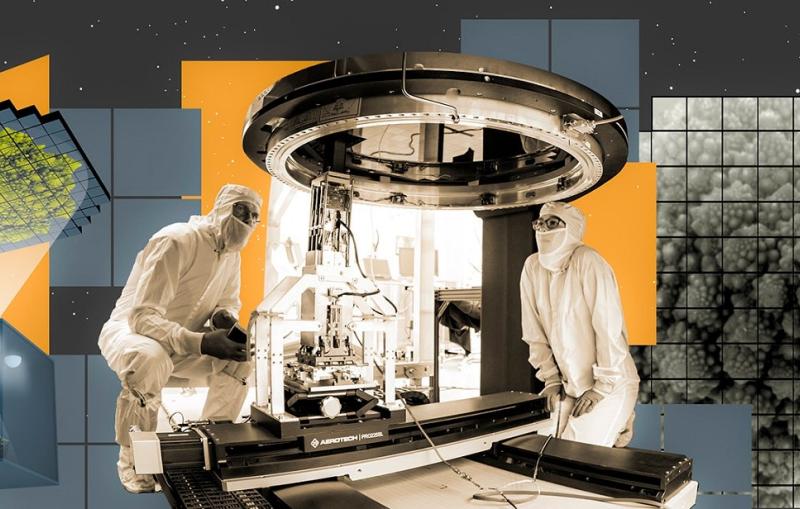
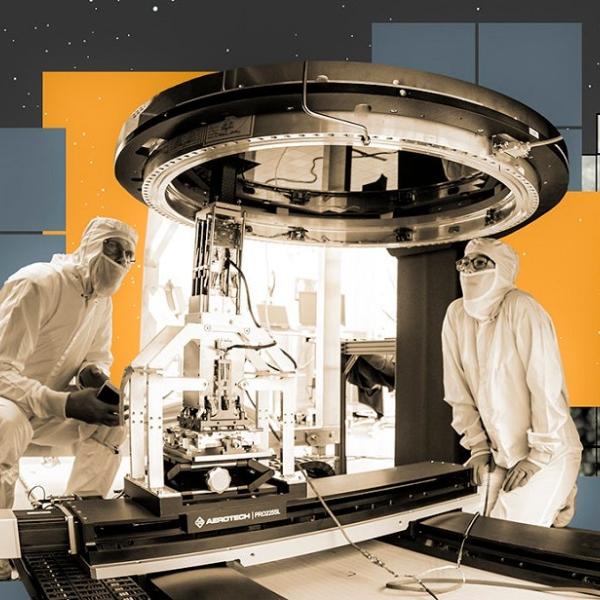
The Dark Energy Spectroscopic Instrument, which will map millions of galaxies in 3D from a mountaintop in Arizona, has reached its final milestone toward...
Blandford’s major contributions range from energetic jets ripping forth from colossal black holes to cosmic “magnifying” glasses to gravitational waves.
Physicists at SLAC and Stanford propose that the influence of cosmic rays on early life may explain nature’s preference for a uniform “handedness” among...
Their work uses machine learning to transform the way scientists tune particle accelerators for experiments and solve longstanding mysteries in astrophysics and cosmology.
Researchers developed a way to measure the basic properties of matter at the highest pressures thus far achieved in a controlled laboratory experiment.
In experiments at the National Ignition Facility, a SLAC-led team found new details about how supernovas boost charged particles to nearly the speed of light.
The Dark Energy Spectroscopic Instrument, which will map millions of galaxies in 3D from a mountaintop in Arizona, has reached its final milestone toward its startup.
Blandford’s major contributions range from energetic jets ripping forth from colossal black holes to cosmic “magnifying” glasses to gravitational waves.
Physicists at SLAC and Stanford propose that the influence of cosmic rays on early life may explain nature’s preference for a uniform “handedness” among biology’s critical molecules.