



SLAC topics

Advanced accelerator R and D RSS feed

New technologies, such as "plasma wakefield" accelerators, can boost electrons to very high energies in very short distances. This could lead to linear accelerators that are 100 times more powerful, boosting electrons to a given energy in one hundredth the distance. 

Related link: Advanced accelerators

Browse tagged content below
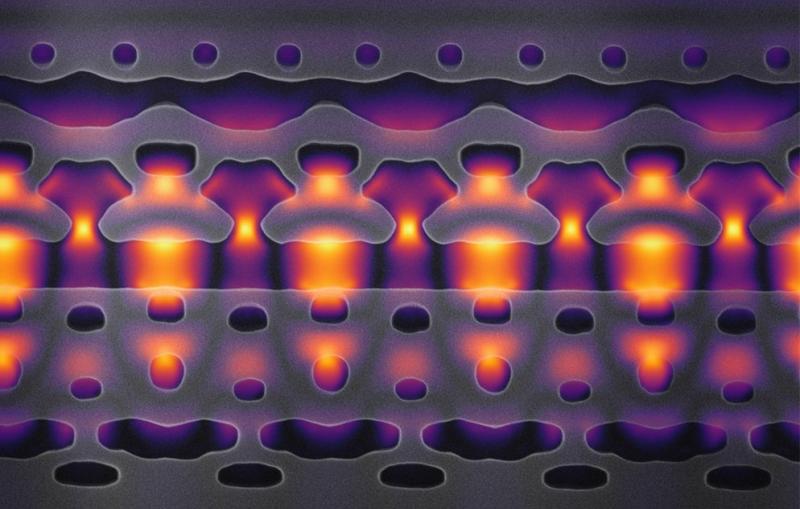
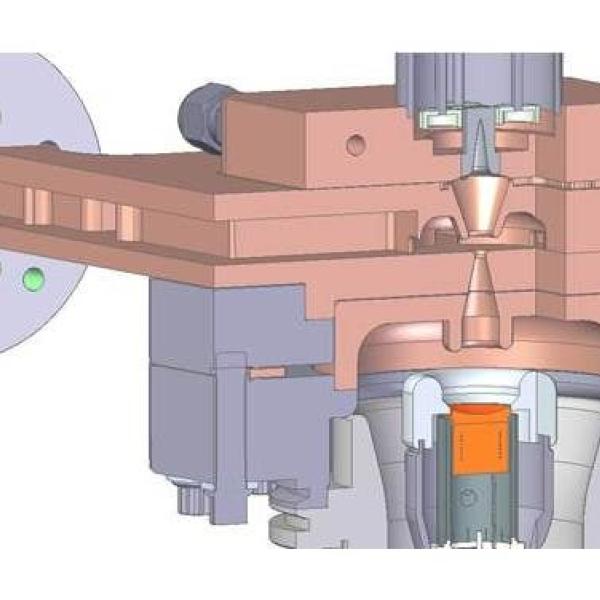
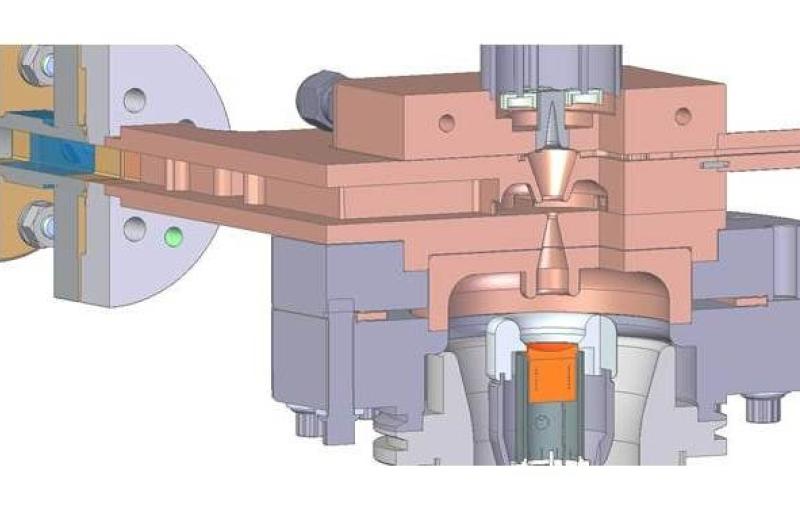
This image, magnified 25,000 times, shows a section of an accelerator-on-a-chip.
Feature

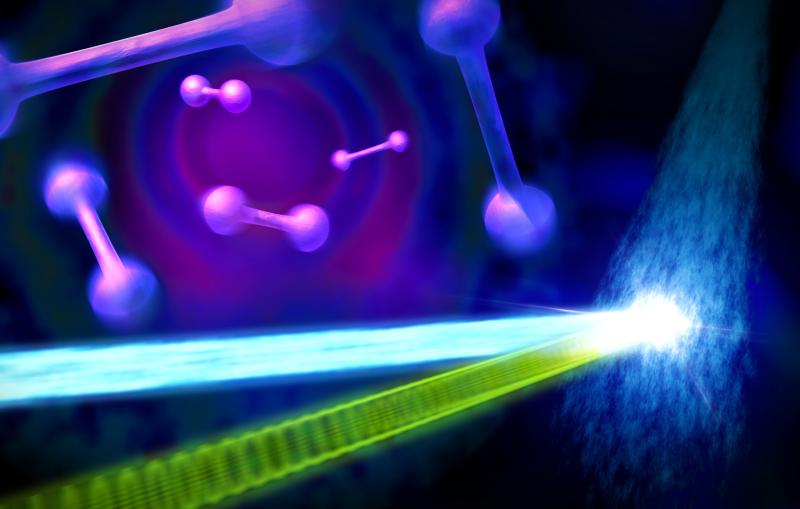
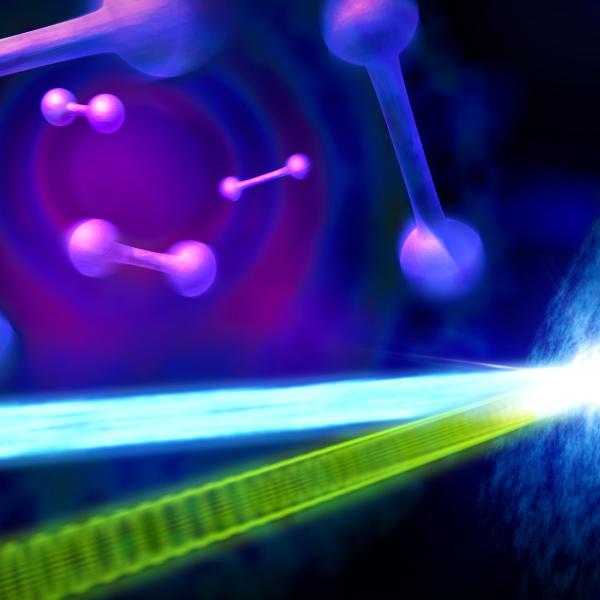
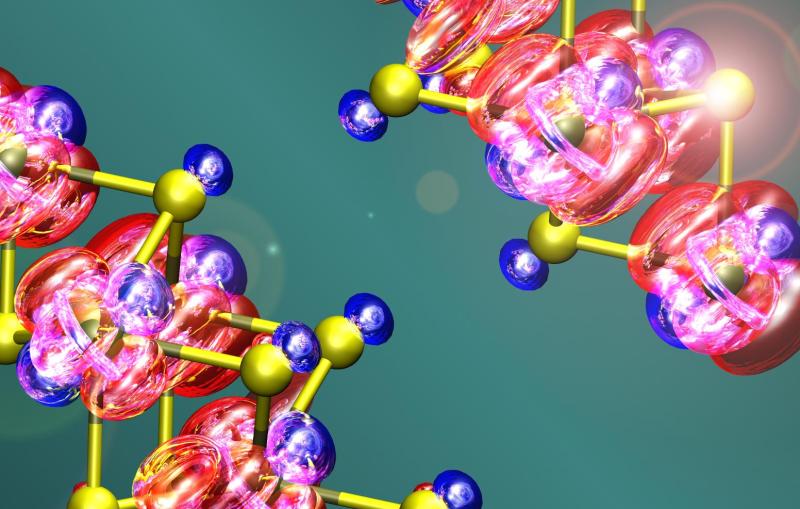
In experiments with the lab’s ultrafast "electron camera," laser light hitting a material is almost completely converted into nuclear vibrations, which are key to...

UED Molybdenum Diselenide
Feature

He is recognized for his numerous contributions to the advancement of accelerator physics, community service and education.

Alexander Chao
Feature

A new device could open new avenues for the generation of high-frequency radiation with applications in science, radar, communications, security and medical imaging.

New Millimeter Source
Feature

Zeeshan Ahmed, Frederico Fiuza and Emilio Nanni will each receive about $2.5 million over five years to pursue cutting-edge research into cosmic inflation, plasma...

SLAC's 2017 DOE Early Career Award winners
News Release

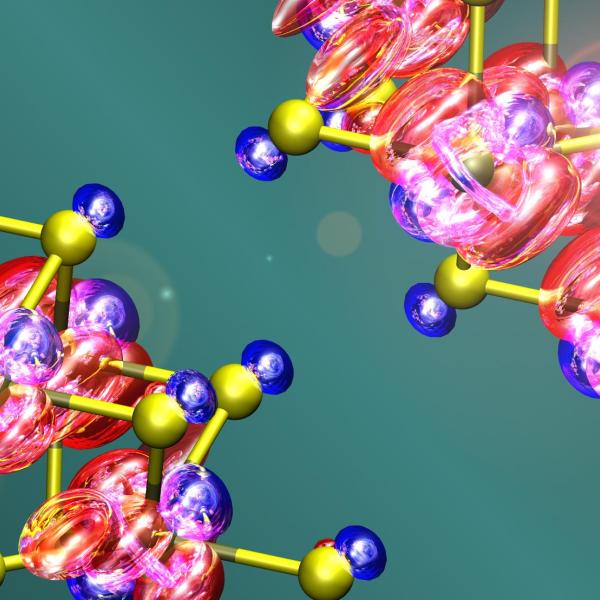
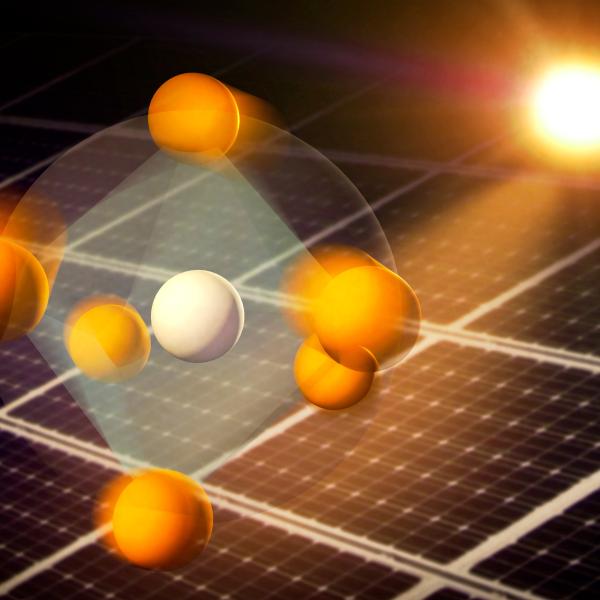
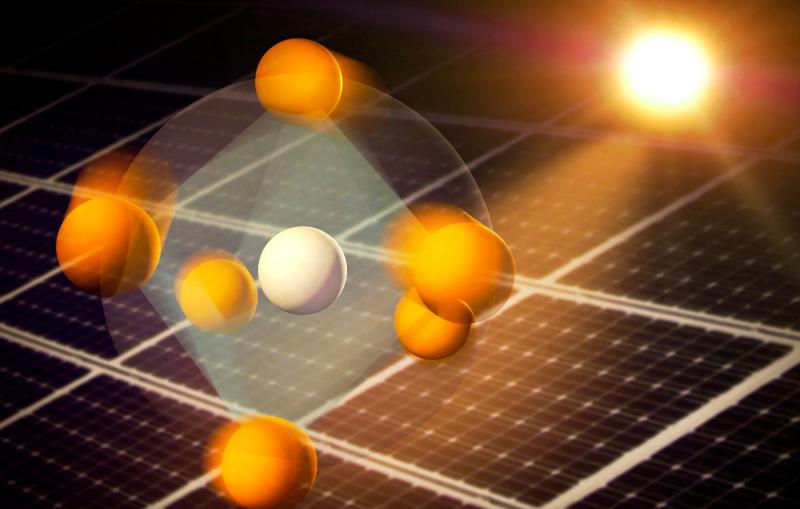
SLAC’s ultrafast “electron camera” reveals unusual atomic motions that could be crucial for the efficiency of next-generation perovskite solar cells.

UED Perovskites
Feature

Accelerator physicist Agostino Marinelli discusses how SLAC's X-ray laser makes femtosecond light.

Feature
VIA Symmetry Magazine

The Life of an Accelerator

As it evolves, SLAC's linear accelerator illustrates some important technologies from the history of accelerator science.

Feature

Two recently funded computing projects work toward developing cutting-edge scientific applications for future exascale supercomputers that can perform at least a billion billion computing...

News Release

Method creates new opportunities for studies of extremely fast processes in biology, chemistry and materials science.

Feature

Four Stanford students receive funding for work on novel accelerators and beams for SLAC's X-ray laser.

Feature

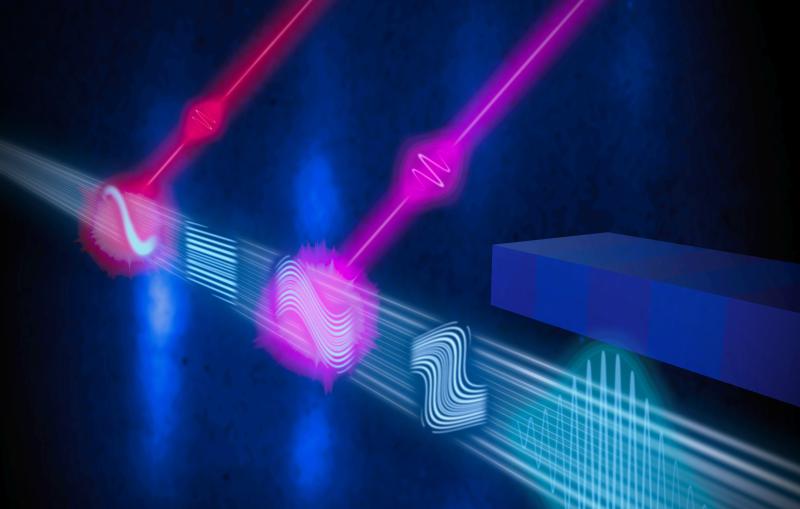
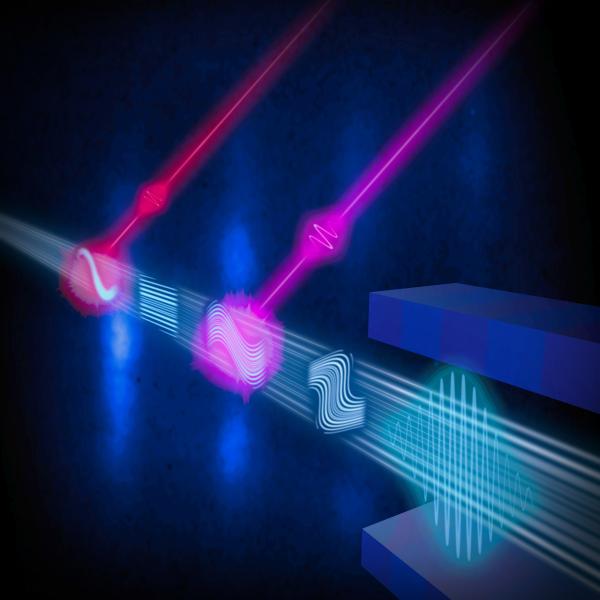
Manipulating electron beams of X-ray lasers with regular laser light could potentially open up new scientific avenues.

Beam of electrons illustration.
Feature

Researchers have reached another milestone in the development of a promising technology that could lead to more efficient and powerful particle accelerators.