SLAC topics

Advanced accelerator R and D RSS feed

New technologies, such as "plasma wakefield" accelerators, can boost electrons to very high energies in very short distances. This could lead to linear accelerators that are 100 times more powerful, boosting electrons to a given energy in one hundredth the distance. 

Related link: Advanced accelerators

Browse tagged content below
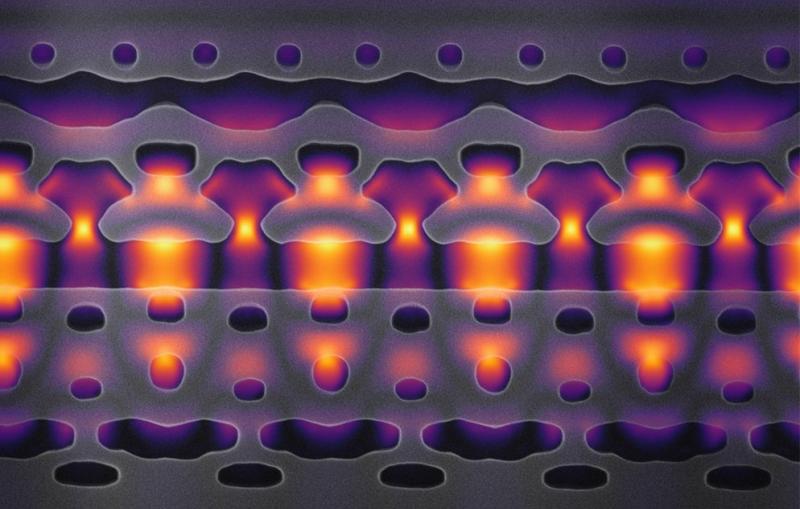
This image, magnified 25,000 times, shows a section of an accelerator-on-a-chip.
Feature

They used synthetic diamond crystals as mirrors to make X-ray pulses run laps inside a vacuum chamber, demonstrating a key process needed for future...

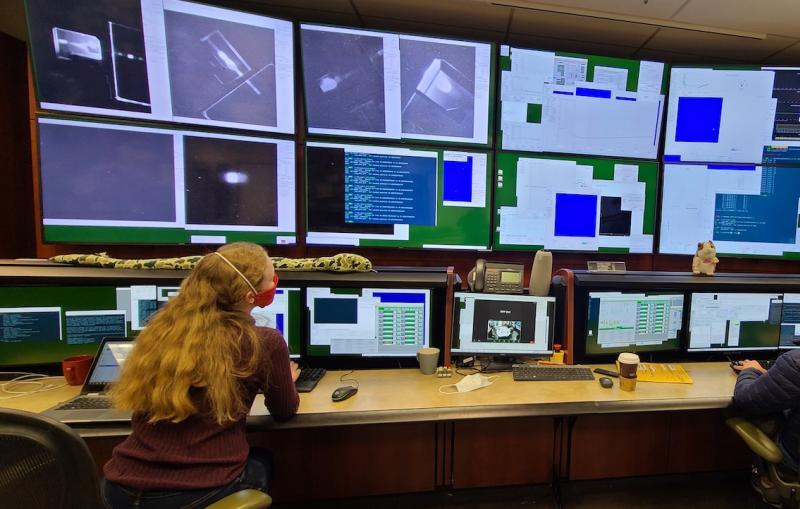
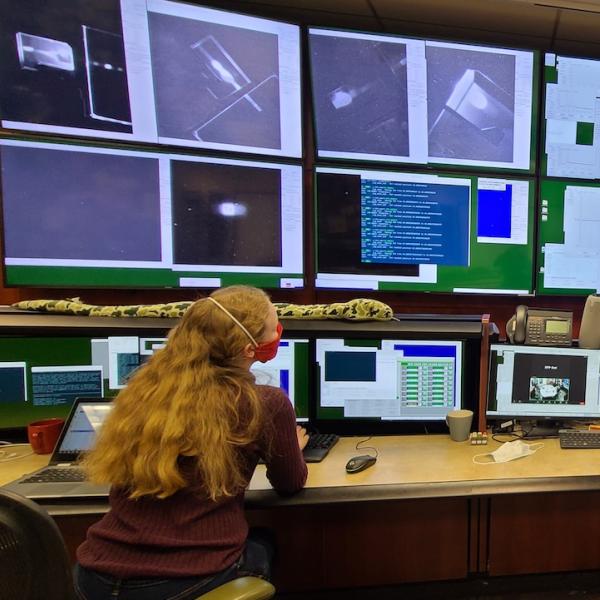
Two scientists in a control room full of computer monitors that allow them to adjust diamond mirrors in their CBXFEL experiment
Feature

The long – but not too long – cavity would ping-pong X-ray pulses inside of a particle accelerator facility to help capture nature’s fastest...

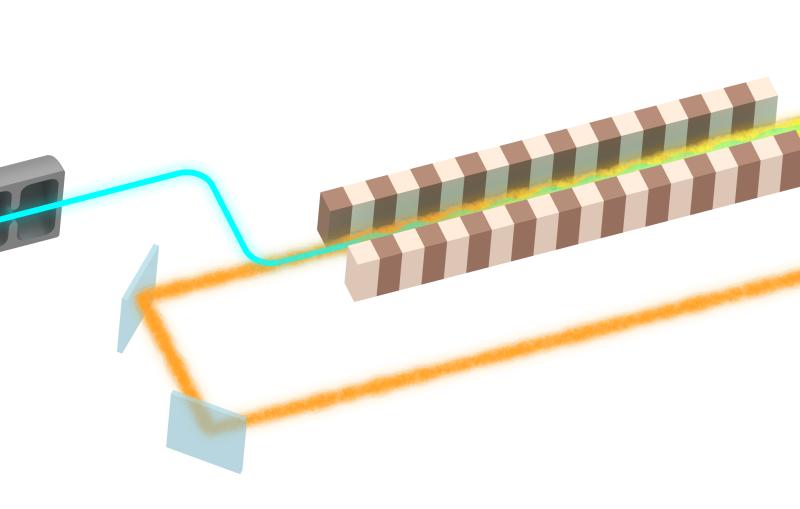
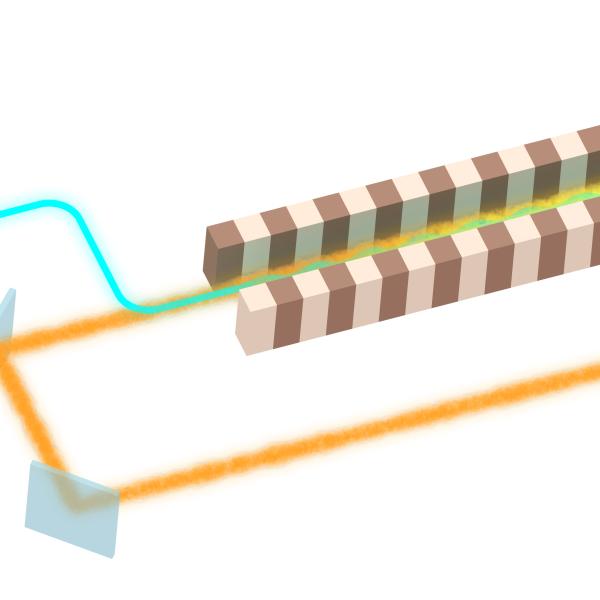
This cartoon figure shows how the cavity-based X-ray free electron laser works in general. The electron beam (blue) travels through an undulator (brown), which causes the beam to release X-ray pulses. These pulses bounce around a set of four mirrors, helping them become coherent, before they continue down the accelerator to experimental halls.
Feature

The algorithm pairs machine-learning techniques with classical beam physics equations to avoid massive data crunching.

This is a representation of a particle beam traveling through an accelerator.
Feature

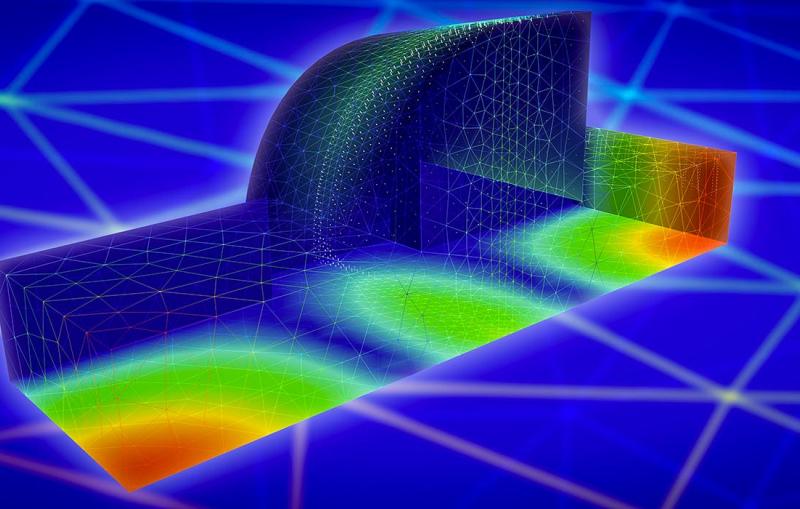
SLAC works with two small businesses to make its ACE3P software easier to use in supercomputer simulations for optimizing the shapes of accelerator structures.

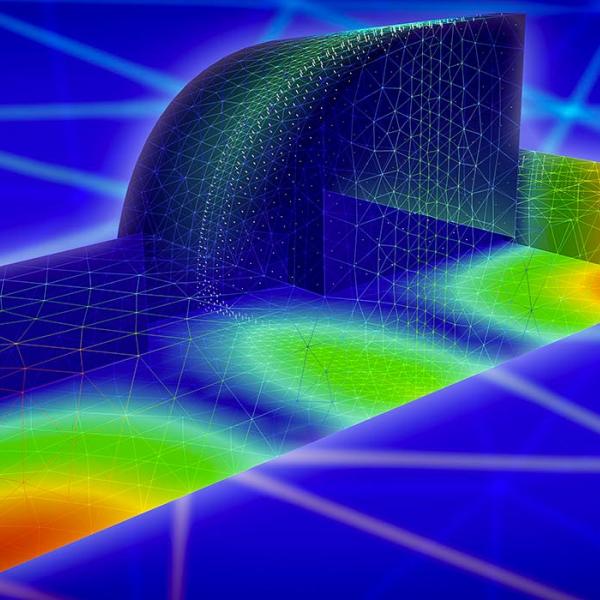
A large, complex shape is seen against a blue background crisscrossed with white lines. The shape is dark blue and resembles a brick partially topped with a thick shark’s fin. Three areas of bright red, orange and green, are on the shape’s bottom edge.
Feature

An extension of the Stanford Research Computing Facility will host several data centers to handle the unprecedented data streams that will be produced by...

SRCF-II
News Brief

Knowing a magnet’s past will allow scientists to customize particle beams more precisely in the future. As accelerators stretch for higher levels of performance...

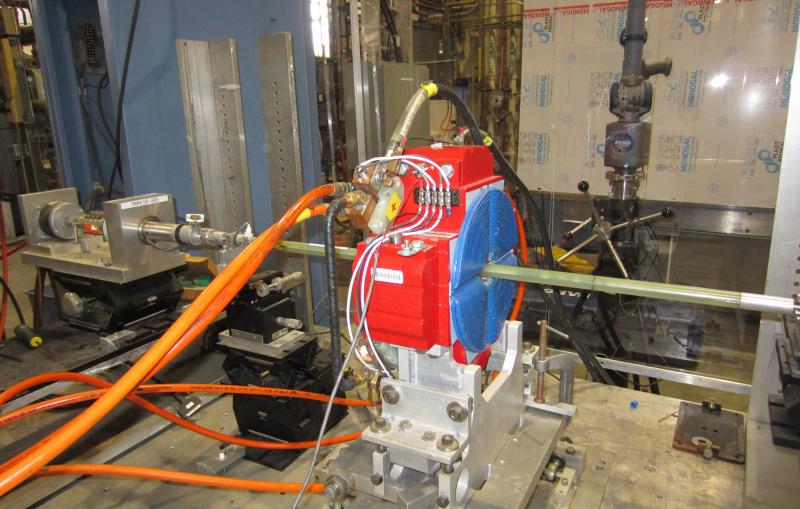
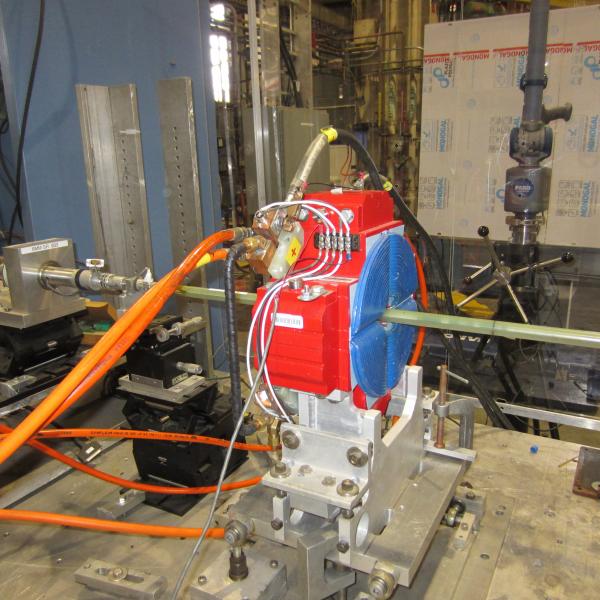
A magnet on a test stand inside SLAC National Accelerator Laboratory.
Feature

Edelen draws on machine learning to fine tune particle accelerators, while Kurinsky develops dark matter detectors informed by quantum information science.

Side by side photographs of a woman and a man.
News Release

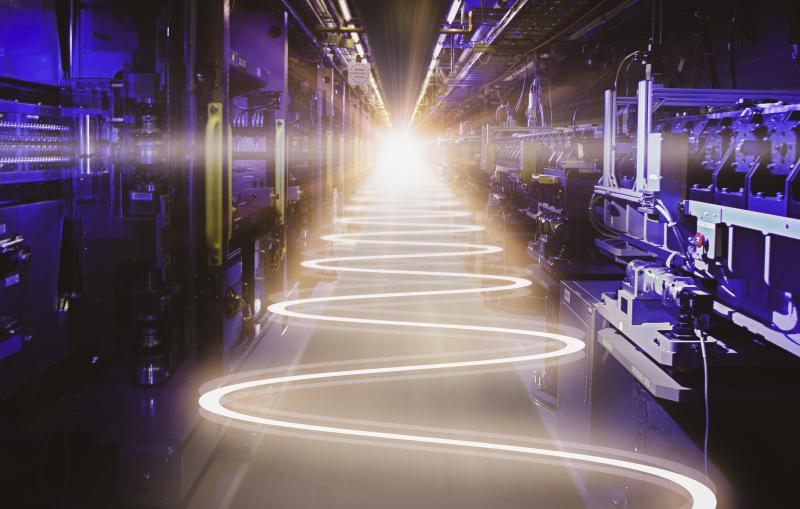
The facility, LCLS-II, will soon sharpen our view of how nature works on ultrasmall, ultrafast scales, impacting everything from quantum devices to clean energy.

LCLS-II cooldown
Feature

The leaders of SLAC's Technology Innovation Directorate discuss how their group supports the lab's most innovative projects.

TID senior managers
Feature

SLAC’s Matt Garrett and Susan Simpkins talk about tech transfer that brings innovations from the national lab to the people, including advances for medical...

Tech Transfer
Feature

Over the past few years, Kathleen Ratcliffe and Tien Fak Tan have worked together to help build the superconducting accelerator that will drive new...

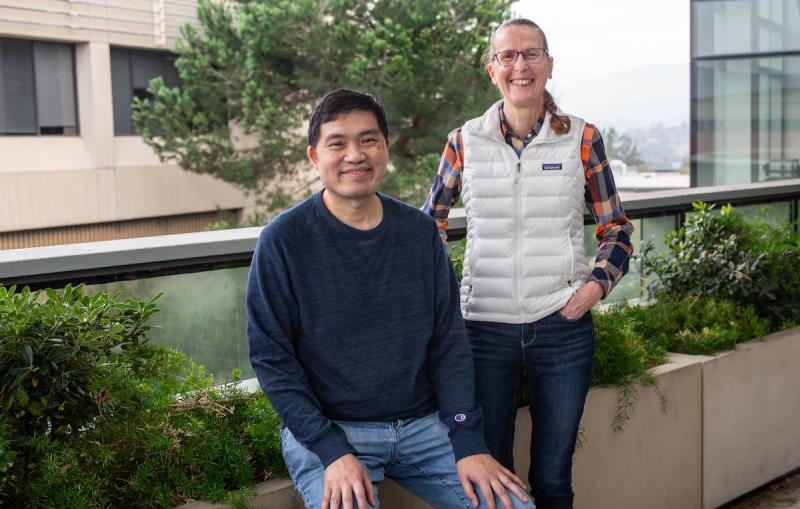
SLAC's Tien Tan, left, and Kathleen Ratcliffe pose for a portrait outside a SLAC building.
Feature

From the invisible world of elementary particles to the mysteries of the cosmos, recipients of this prestigious award for early career scientists explore nature...

Panofsky fellows