SLAC topics

Accelerators RSS feed

Accelerators form the backbone of SLAC’s national user facilities. They generate some of the highest quality particle beams in the world, helping thousands of scientists perform groundbreaking experiments each year.

Browse tagged content

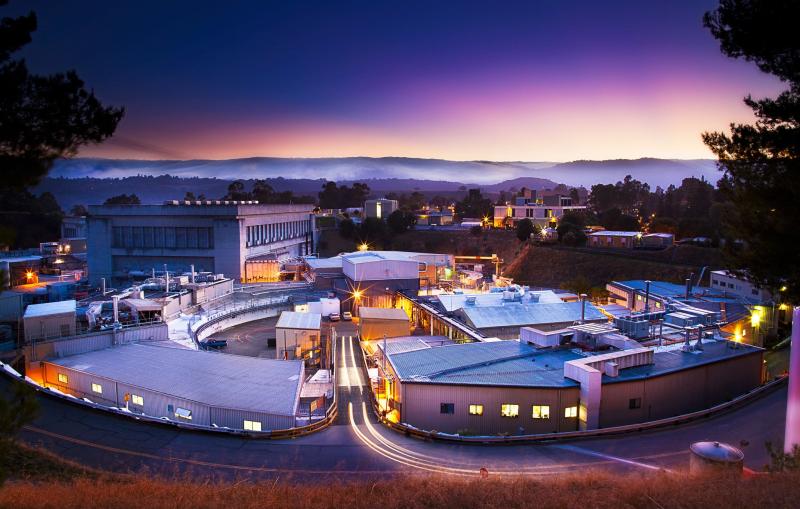
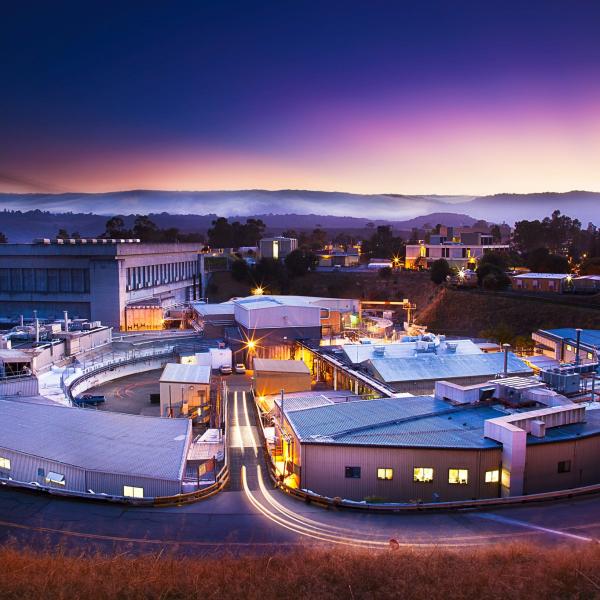
Linac towards SLAC campus
Feature

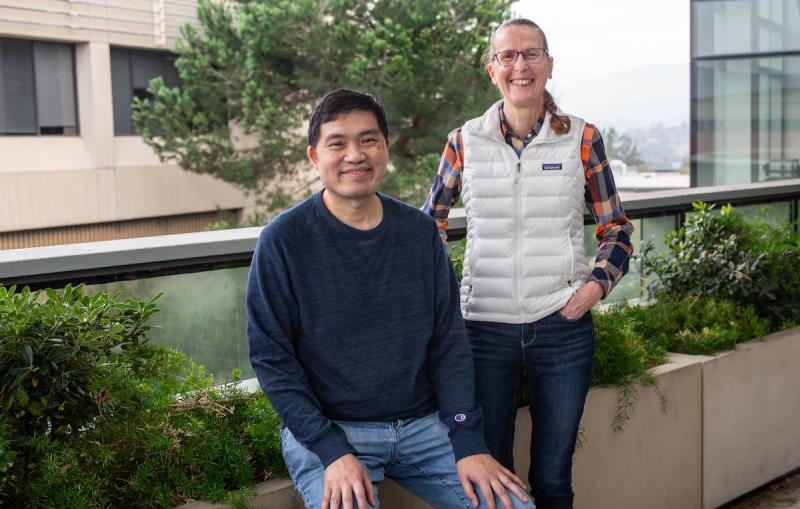
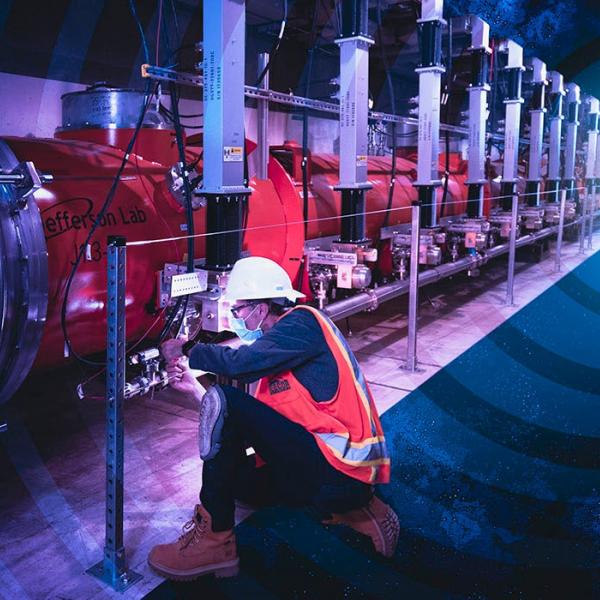
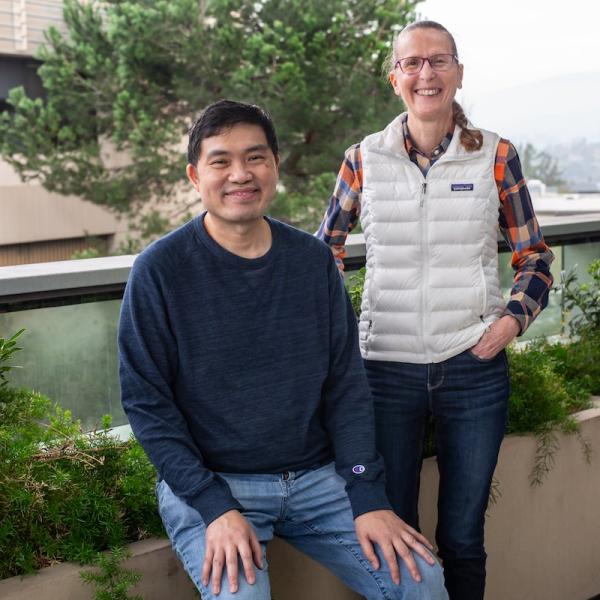
Over the past few years, Kathleen Ratcliffe and Tien Fak Tan have worked together to help build the superconducting accelerator that will drive new...

SLAC's Tien Tan, left, and Kathleen Ratcliffe pose for a portrait outside a SLAC building.
Feature

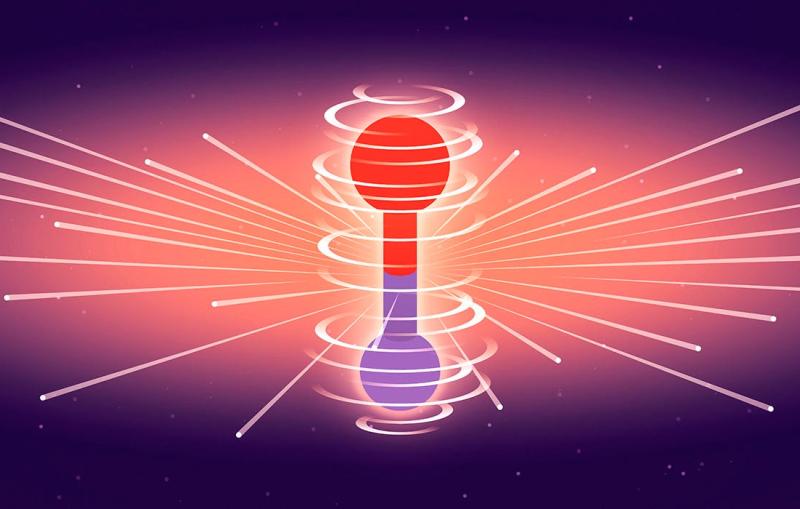
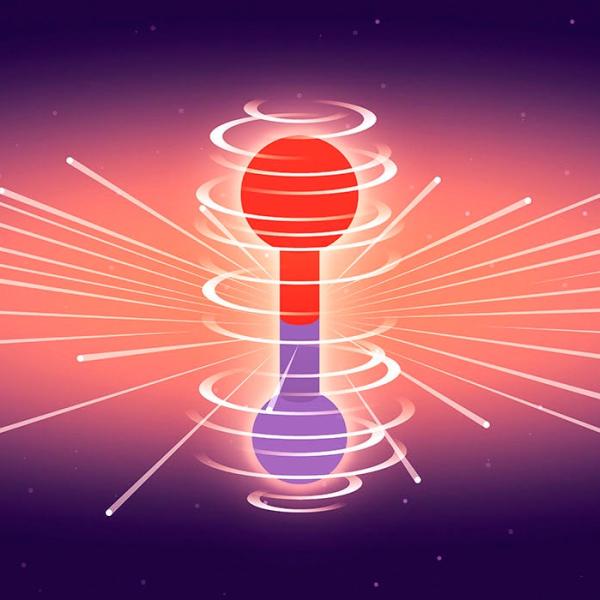
Less than a millionth of a billionth of a second long, attosecond X-ray pulses allow researchers to peer deep inside molecules and follow electrons...

Illustration of attosecond coherent electron motions.
Feature

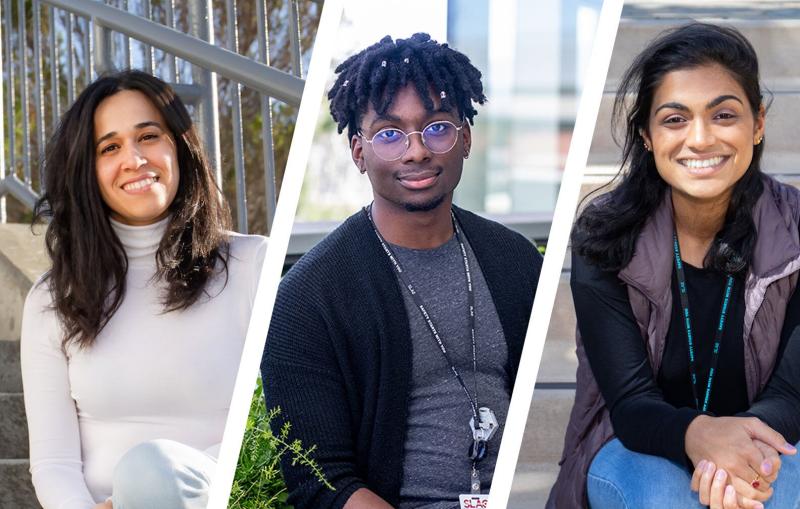
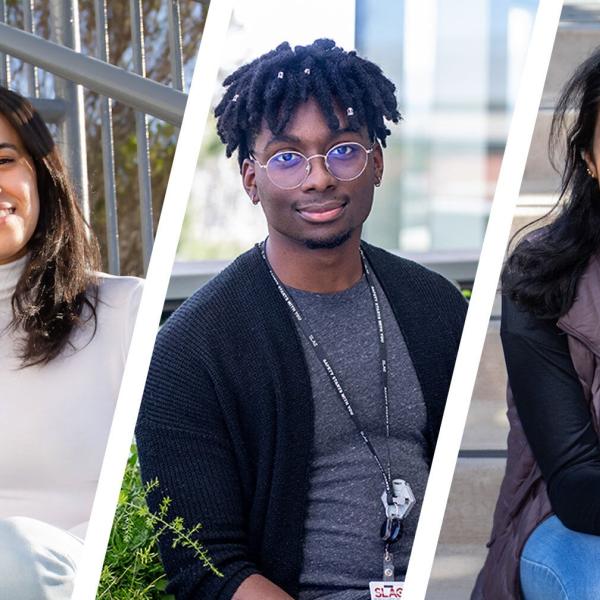
Three physicists talk about how they got started, their work at SLAC and what they would say to others considering a career in STEM.

Isleydys Silva Torrecilla, Emmanuel Aneke and Bhavna Nayak
Feature

Teaching machine learning the basics of accelerator physics is particularly useful in situations where actual data don’t exist.

SSRL
Feature

From the invisible world of elementary particles to the mysteries of the cosmos, recipients of this prestigious award for early career scientists explore nature...

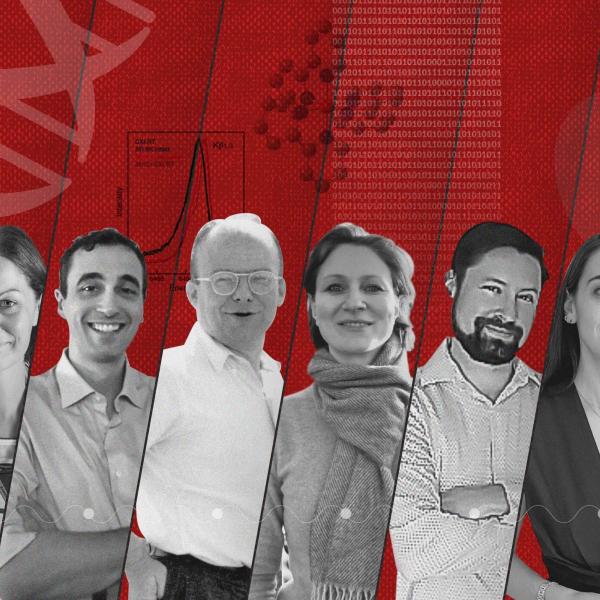
Panofsky fellows
News Brief

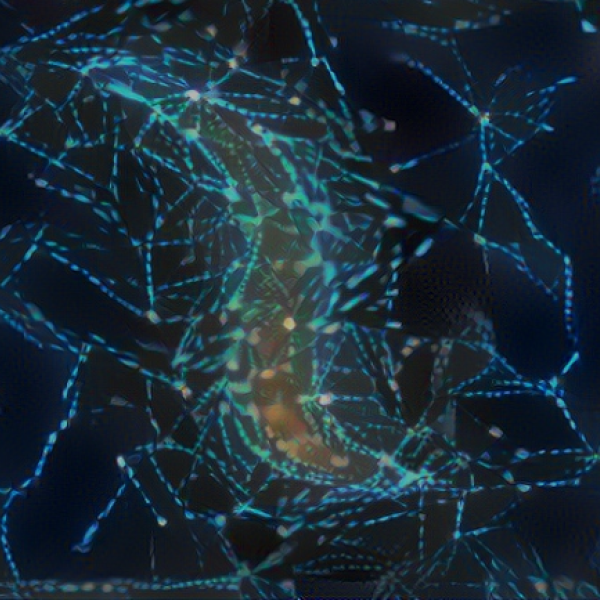
It can help operators optimize the performance of X-ray lasers, electron microscopes, medical accelerators and other devices that depend on high-quality beams.

Artistic representation of a neural network superimposed on an electron beam profile
Feature

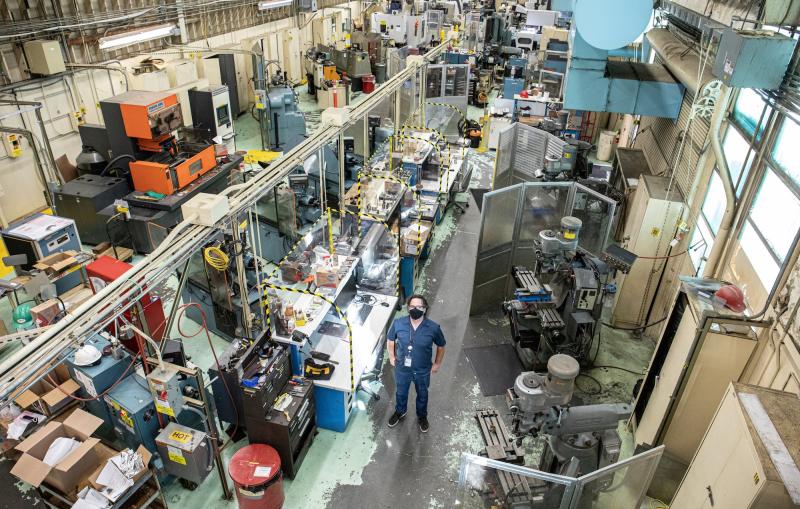
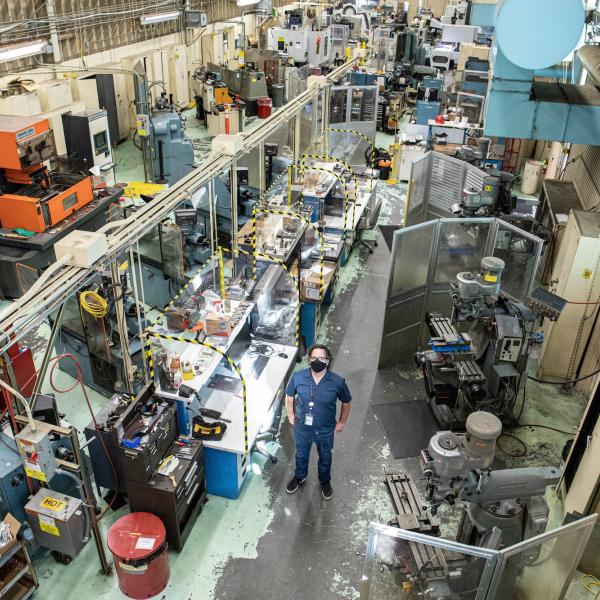
At the Machine Shop, Pete Franco crafts beautiful, intricate and precise parts for the lab’s latest scientific tools.

Pete Franco at the SLAC Machine Shop
News Release

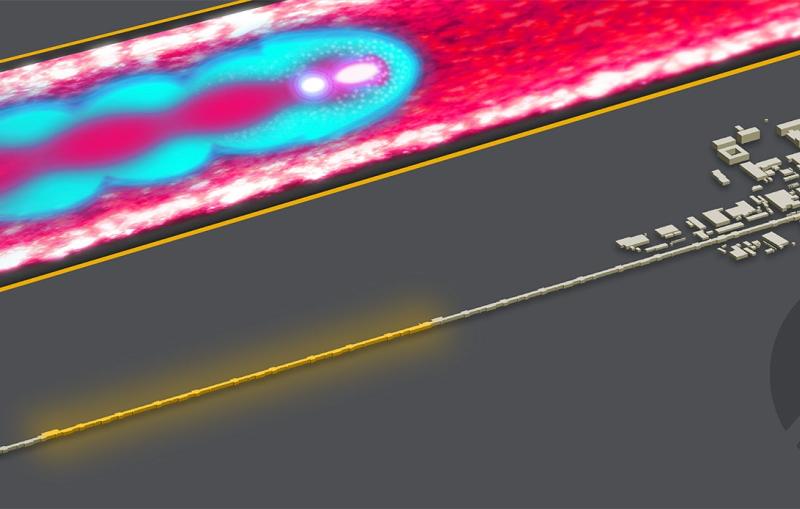
FACET-II will pave the way for a future generation of particle colliders and powerful light sources, opening avenues in high-energy physics, medicine, and materials...

FACET-II
Feature

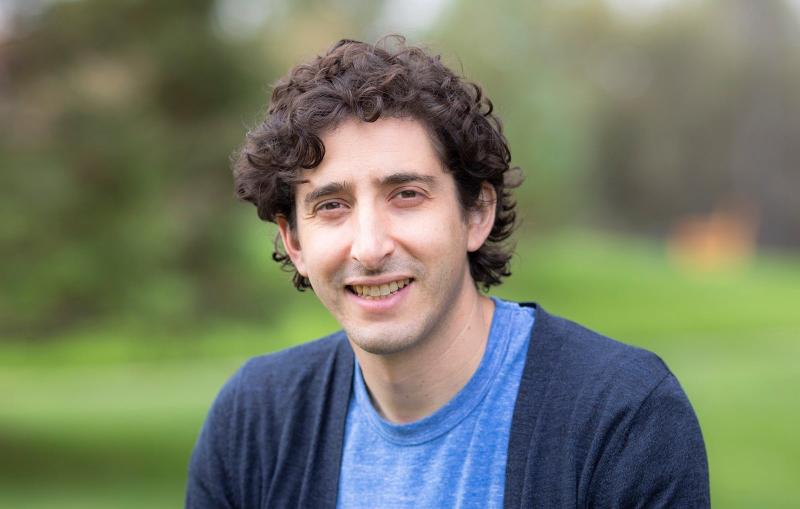
Daniel Ratner, head of SLAC’s machine learning initiative, explains the lab’s unique opportunities to advance scientific discovery through machine learning.

Physicist Daniel Ratner.
News Brief

Institute of Electrical and Electronics Engineers recognizes his contributions to developing electron beams that power unique ‘electron cameras’ and could advance X-ray lasers.

Xijie Wang
News Brief

This leap in capability will allow scientists to investigate quantum and chemical systems more directly than ever before.

SXU
Feature

Their work uses machine learning to transform the way scientists tune particle accelerators for experiments and solve longstanding mysteries in astrophysics and cosmology.

Portraits of Auralee Edelen and Kimmy Wu