

SLAC topics

Accelerator engineering RSS feed

Accelerators have hundreds of thousands of components that all need to be designed, engineered, operated and maintained. Research at SLAC is paving the way to a new generation of particle acceleration technology.

Browse tagged content below

SXU
Feature

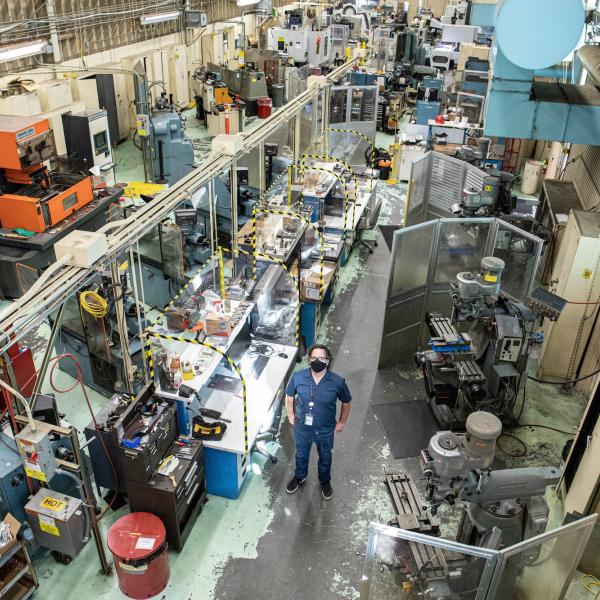
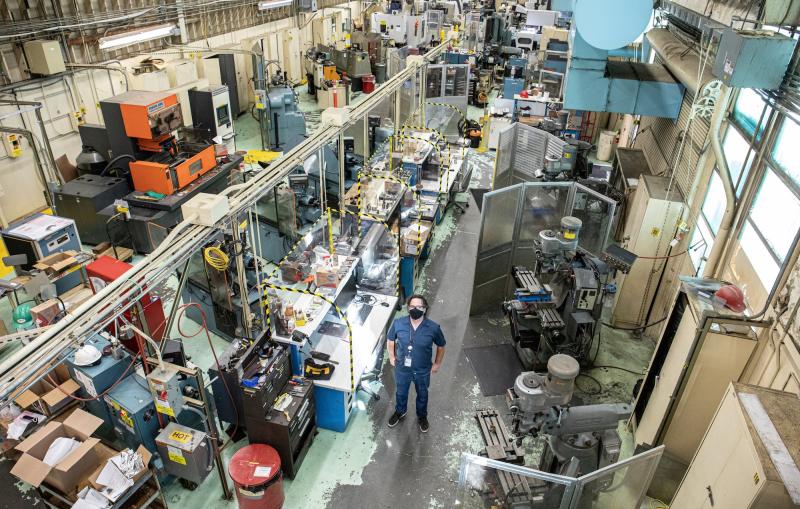
At the Machine Shop, Pete Franco crafts beautiful, intricate and precise parts for the lab’s latest scientific tools.

Pete Franco at the SLAC Machine Shop
News Release

FACET-II will pave the way for a future generation of particle colliders and powerful light sources, opening avenues in high-energy physics, medicine, and materials...

FACET-II
Feature

Daniel Ratner, head of SLAC’s machine learning initiative, explains the lab’s unique opportunities to advance scientific discovery through machine learning.

Physicist Daniel Ratner.
News Brief

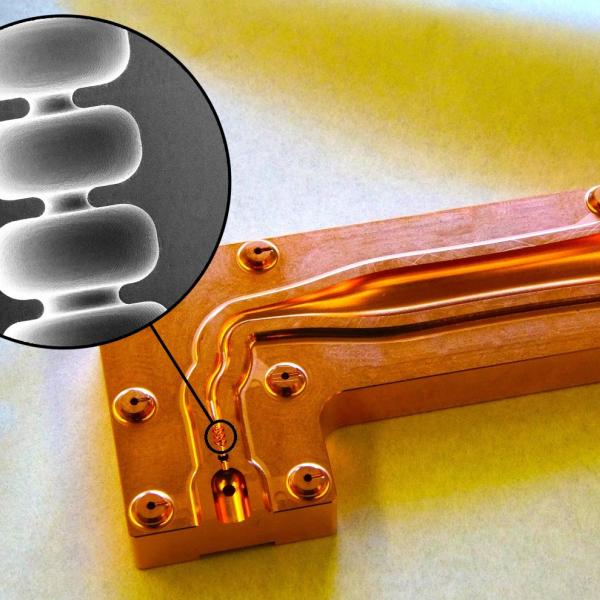
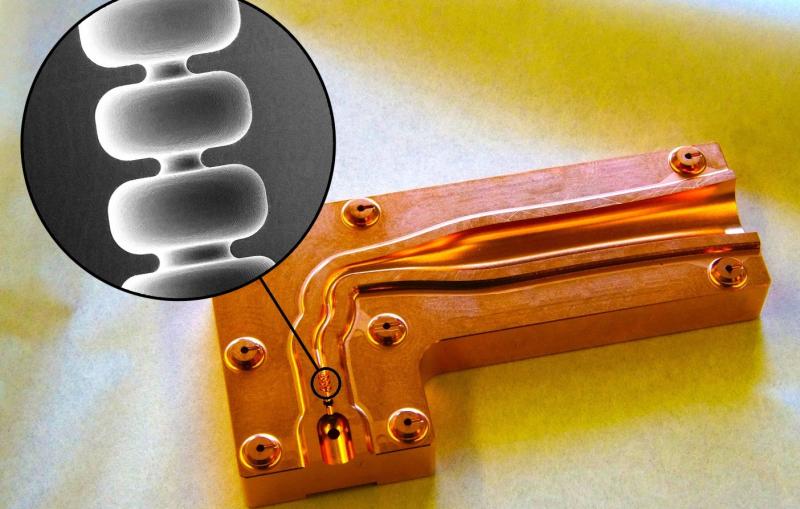
It uses terahertz radiation to power a miniscule copper accelerator structure.

Terahertz accelerator structure
Illustration
The second phase of a major upgrade project is now online at SLAC’S Linac Coherent Light Source (LCLS). On Saturday...
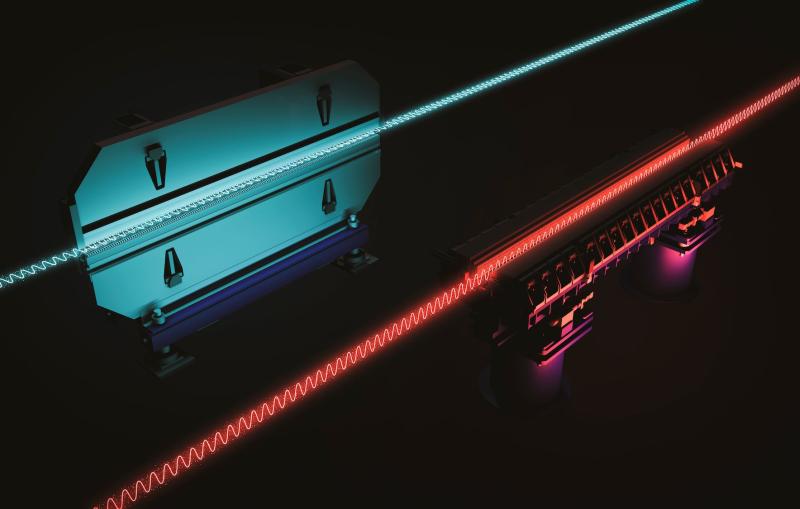
SXU
News Brief

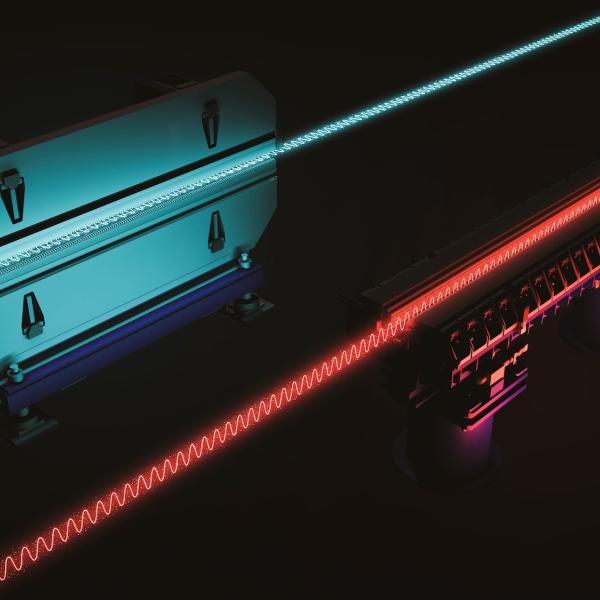
This leap in capability will allow scientists to investigate quantum and chemical systems more directly than ever before.

SXU
Illustration

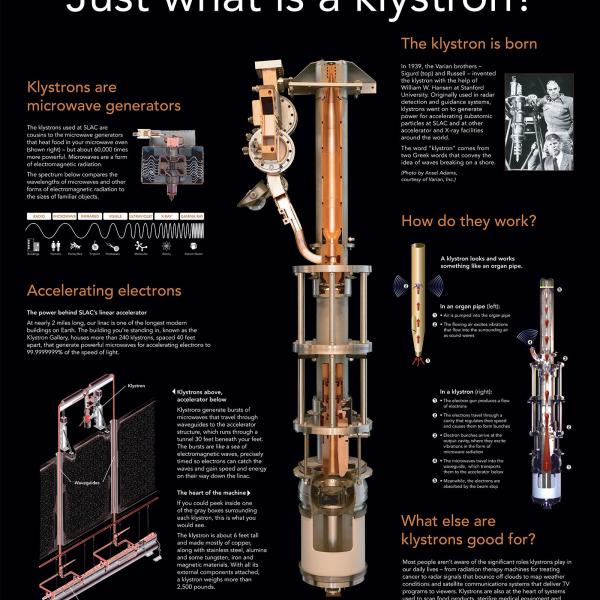
Klystrons are microwave generators. The klystrons used at SLAC are cousins to the microwave generators that heat up food in your microwave oven.
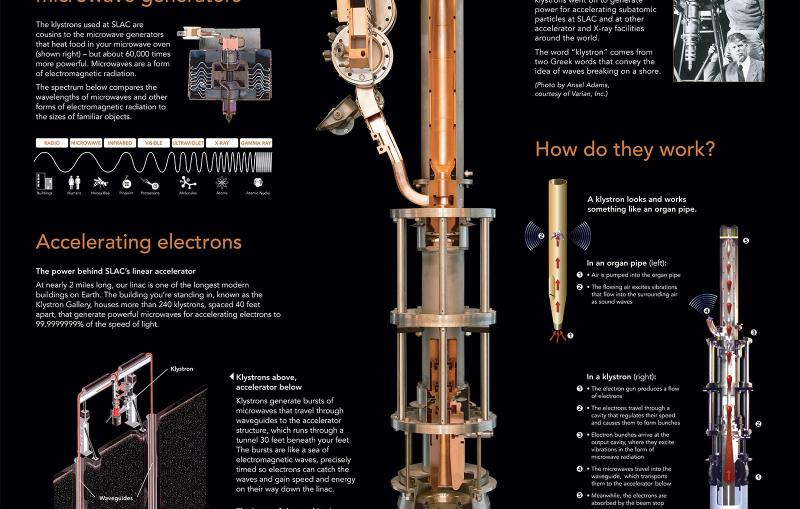

Klystron poster
News Release

Marking the beginning of the LCLS-II era, the first phase of the major upgrade comes online.

New undulator hall
Feature

Researchers have squeezed a high-energy electron beam into tight bundles using terahertz radiation, a promising advance in watching the ultrafast world of atoms unfold.

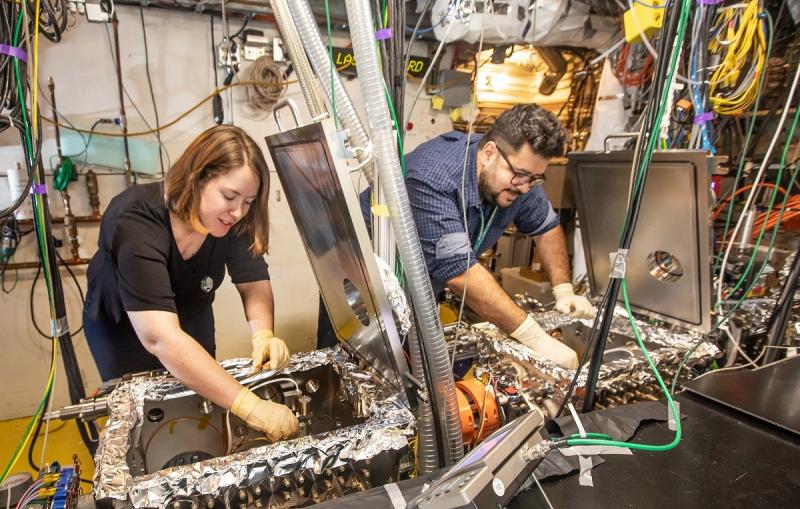
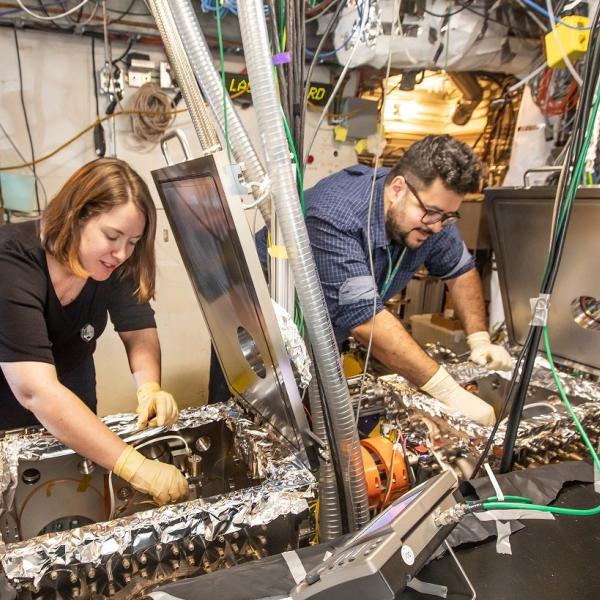
SLAC’s Emma Snively and Mohamed Othman at the lab’s high-speed “electron camera."
Feature

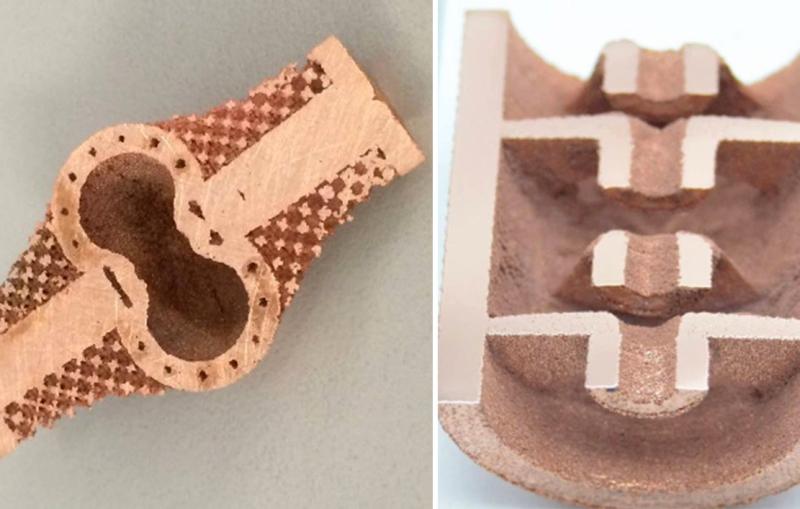
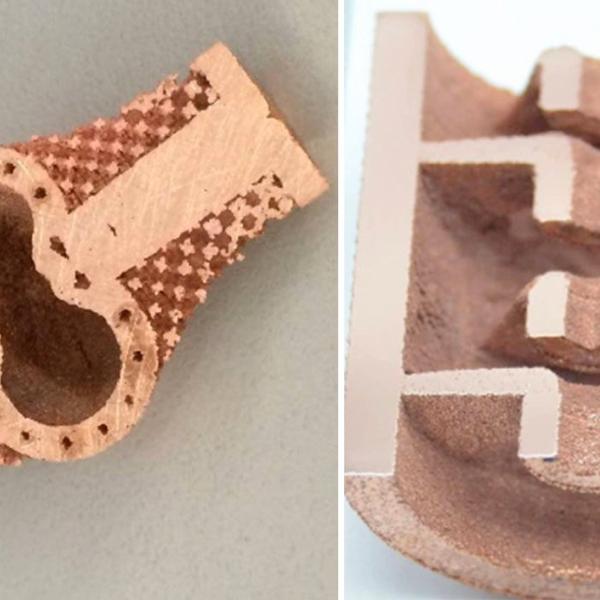
SLAC scientists and collaborators are developing 3D copper printing techniques to build accelerator components.

3D-printed copper components
Feature

Just as engineers once compressed some of the power of room-sized mainframes into desktop PCs, so too have the researchers shown how to pack...

This image, magnified 25,000 times, shows a section of an accelerator-on-a-chip.
News Release

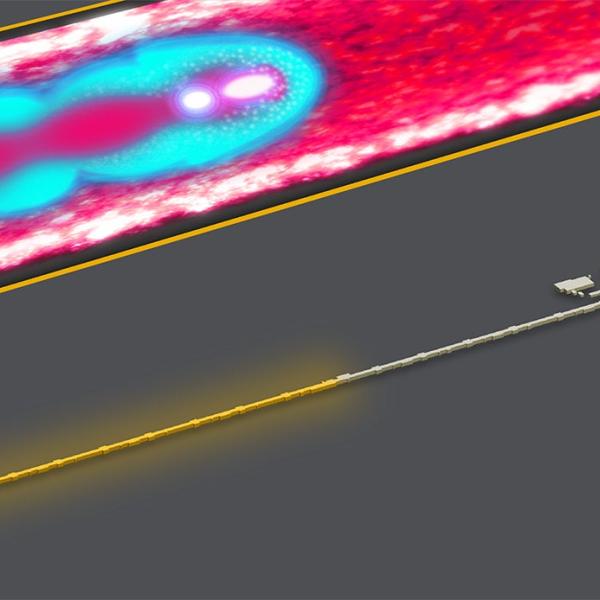
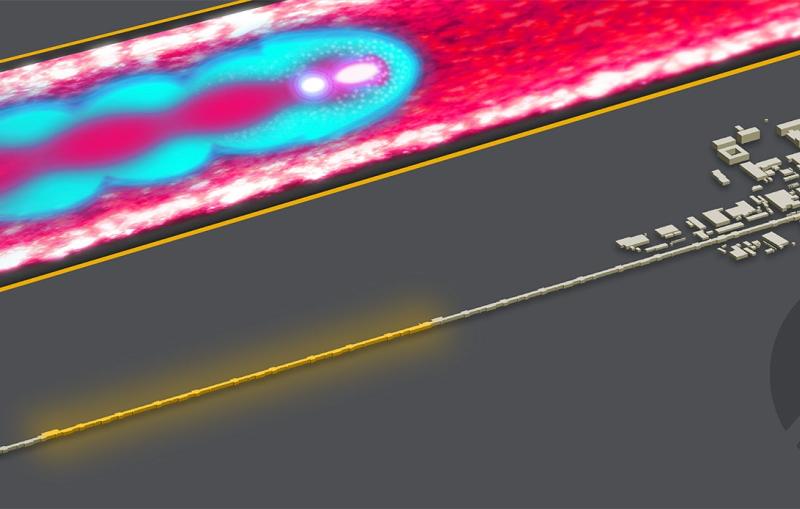
Called XLEAP, the new method will provide sharp views of electrons in chemical processes that take place in billionths of a billionth of a...

XLEAP illustration.