New technologies

Related Content

A polymer-based electrolyte makes for batteries that keep working – and don’t catch fire – when heated to over 140 degrees F. 

A white disc of battery material catches fire.
SLAC Experts

Daniel Ratner

Areas of research: New technologies; machine learning; deep learning; artificial intelligence; accelerator physics; physics and machine learning

Physicist Daniel Ratner.

SLAC develops and deploys some of the world’s most advanced scientific tools for exploring how the universe works at the biggest, smallest and fastest scales. Here we explain how they work and the exciting discoveries they make possible.

SAGE campers have fun experimenting with a Van de Graff generator

Modern technology creates new opportunities for society: Just think about how artificial intelligence has changed our cars and cell phone apps.

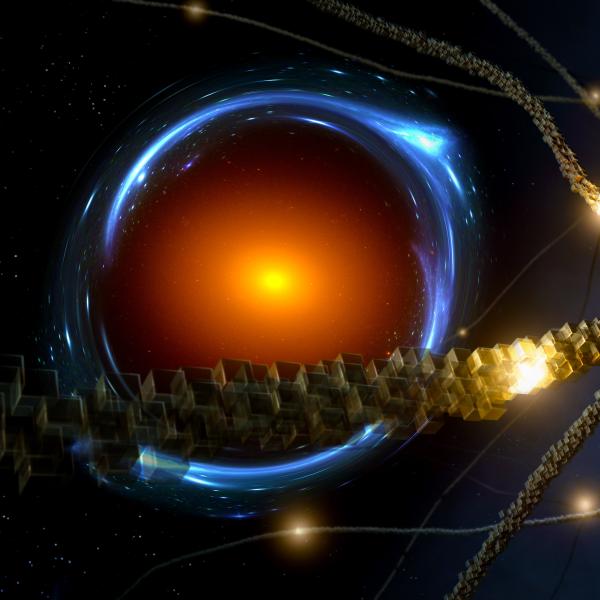
Neural Nets and Gravitational Lenses

Download a variety of fact sheets to learn more about SLAC, our programs and latest scientific discoveries. 

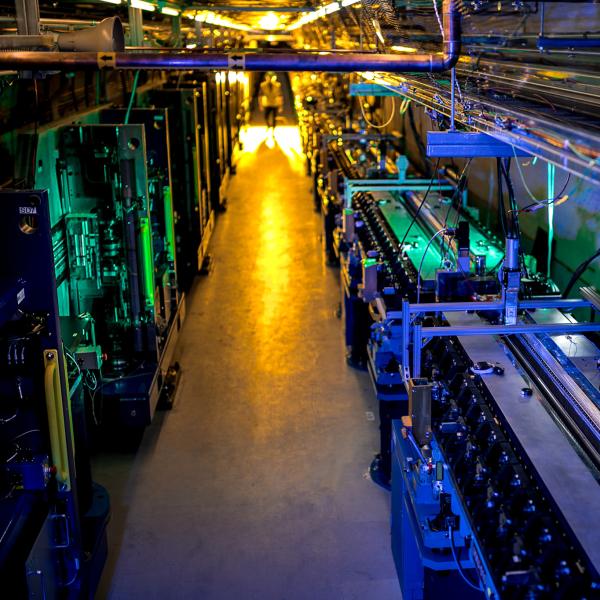
Empty undulator hall

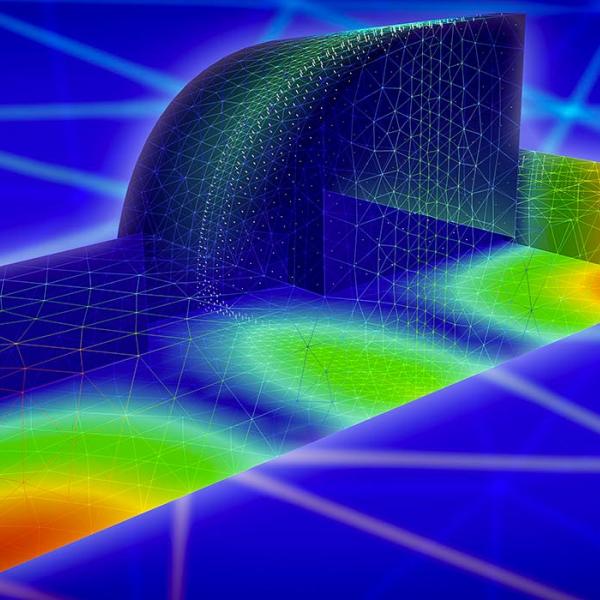
SLAC works with two small businesses to make its ACE3P software easier to use in supercomputer simulations for optimizing the shapes of accelerator structures.

A large, complex shape is seen against a blue background crisscrossed with white lines. The shape is dark blue and resembles a brick partially topped with a thick shark’s fin. Three areas of bright red, orange and green, are on the shape’s bottom edge.

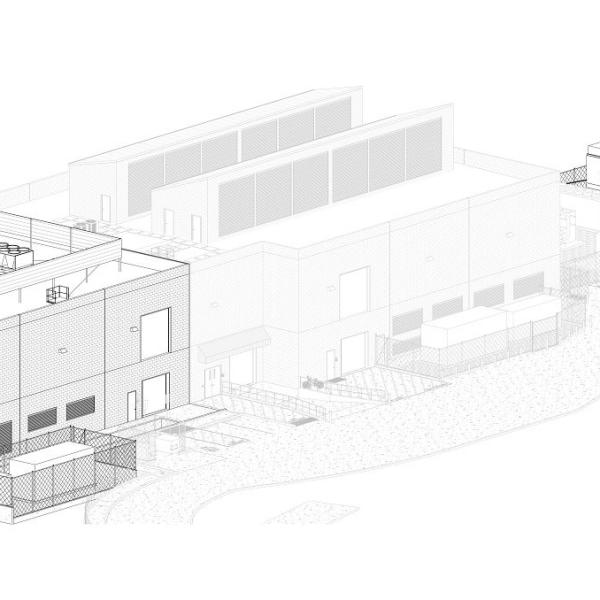
An extension of the Stanford Research Computing Facility will host several data centers to handle the unprecedented data streams that will be produced by a new generation of scientific projects.

SRCF-II

The leaders of SLAC's Technology Innovation Directorate discuss how their group supports the lab's most innovative projects.

TID senior managers

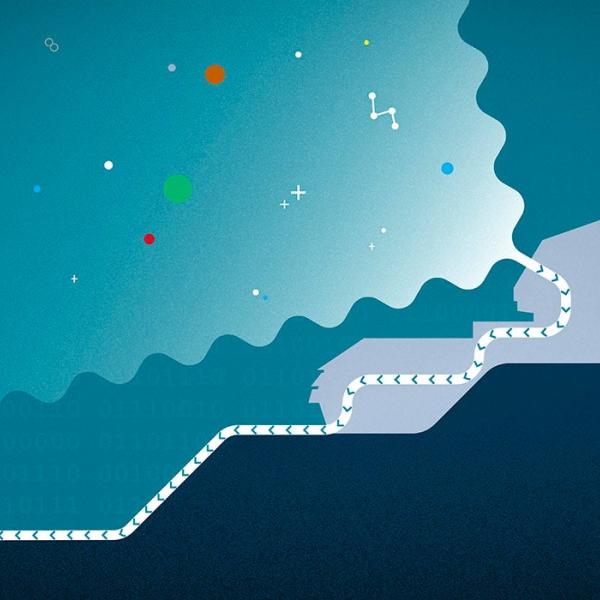
The Rubin Observatory's LSST Camera will take enormously detailed images of the night sky from atop a mountain in Chile. Down below the mountain, high-speed computers will send the data out into the world. What happens in between?

LSST data illustration

SLAC’s Matt Garrett and Susan Simpkins talk about tech transfer that brings innovations from the national lab to the people, including advances for medical devices and self-driving vehicles.


Tech Transfer