New technologies

Related Content

The Center for Energy Efficient Magnonics (CEEMag) brings together a multidisciplinary group of researchers from SLAC and seven universities

Spin wave-based interconnect illustration

The Aqueous Battery Consortium of Stanford, SLAC, and 13 others seeks to overcome the limitations of a battery using water as its electrolyte.

The method could lead to the development of new materials with tailored properties, with potential applications in fields such as climate change, quantum computing and drug design.

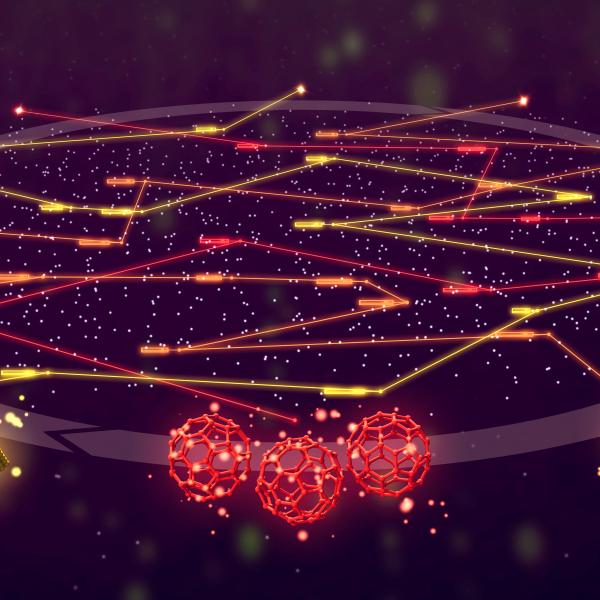
self driving experiments

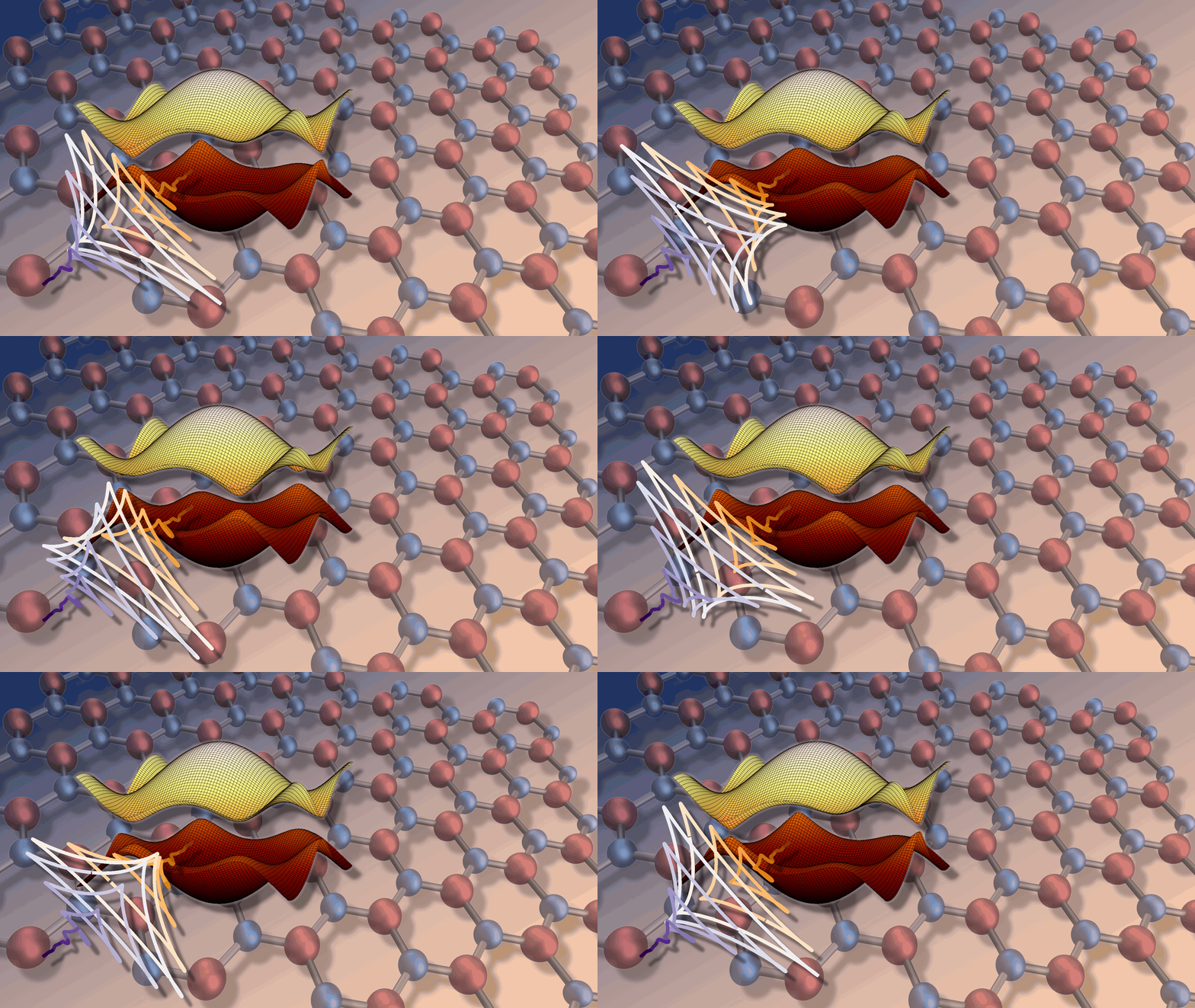
The team developed a groundbreaking method that harnesses the structure of light to twist and tweak the properties of quantum materials. 

quantum control

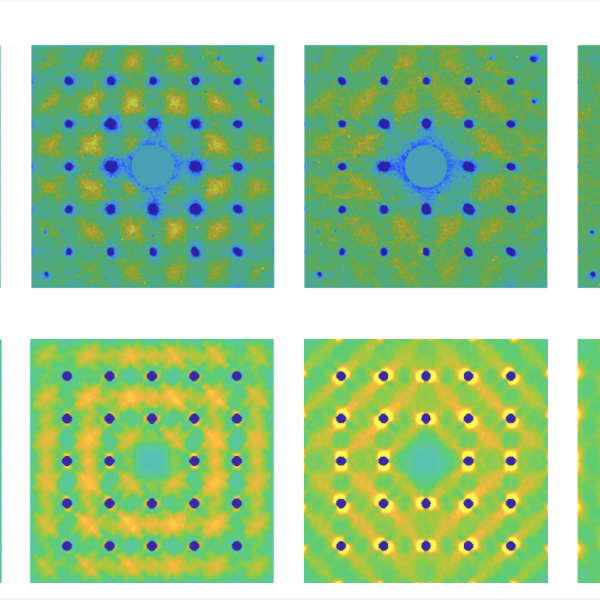
Researchers have uncovered new insights about tungsten's ability to conduct heat, which could lead to materials advancements for fusion reactor and aerospace technologies.

tungsten

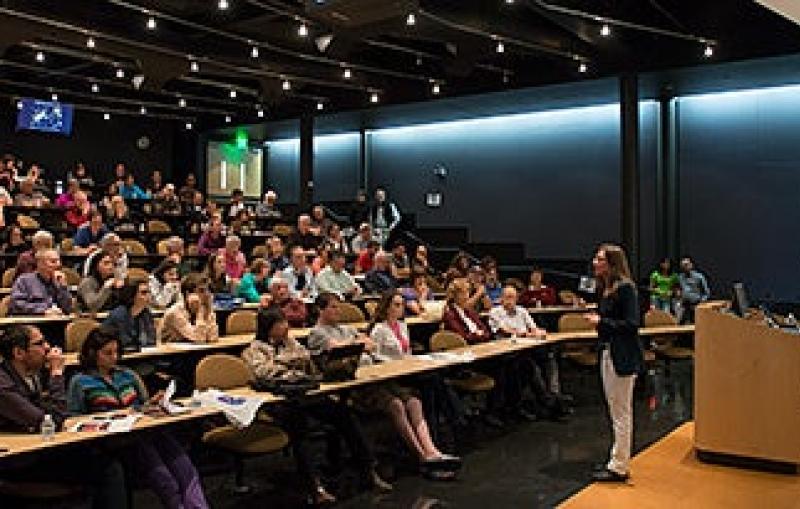
SLAC's colloquium talks are aimed at a broad scientific and technical audience, but occasionally, those talks may be of more general interest.

Scientific Seminars and Events

Teams at SLAC installed new experimental hutches with cutting-edge instruments that will harness the upgraded facility’s new capabilities and expand the breadth of research done at the facility.

SLAC's linac at sunrise, looking east.

Machine Learning (ML) algorithms are found across all scientific directorates at SLAC, with applications to a wide range of tasks including online data reduction, system controls, simulation, and analysis of big data. 

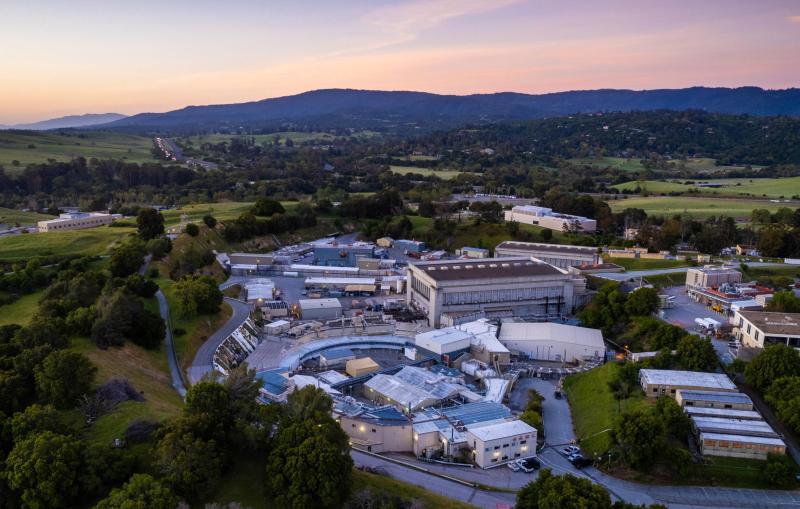
SLAC aerial at night

SLAC’s microelectronics research is breaking new ground in sustainable computing.

Illustration of technology microelectronics