Learn about our science, people, facilities and partners. Discover our history and vision for the future.
Who we are
We explore radically new ideas with an entrepreneurial mindset.
Get an overview of research at SLAC: X-ray and ultrafast science, particle and astrophysics, cosmology, particle accelerators, biology, energy and technology.
Revealing nature’s fastest processes with X-rays, lasers and electrons
Studying the particles and forces that knit the cosmos together
Building smaller, faster, more powerful accelerators for all
Understanding the machinery of life at its most basic level
Inventing new tools for science and society
Breaking new ground in securing abundant, affordable and reliable energy.
SLAC science explained
Cut through the jargon while exploring our research.
Learn more about the places where science happens at SLAC: our major facilities, institutes and centers.
Linac Coherent Light Source
Stanford Synchrotron Radiation Lightsource
Facility for Advanced Accelerator Experimental Tests
Cryogenic Electron Microscopy
Stanford Institute for Materials & Energy Science
Kavli Institute for Particle Astrophysics & Cosmology
Stanford PULSE Institute
Center for Interface Science & Catalysis
NSF-DOE Vera C. Rubin Observatory LSST
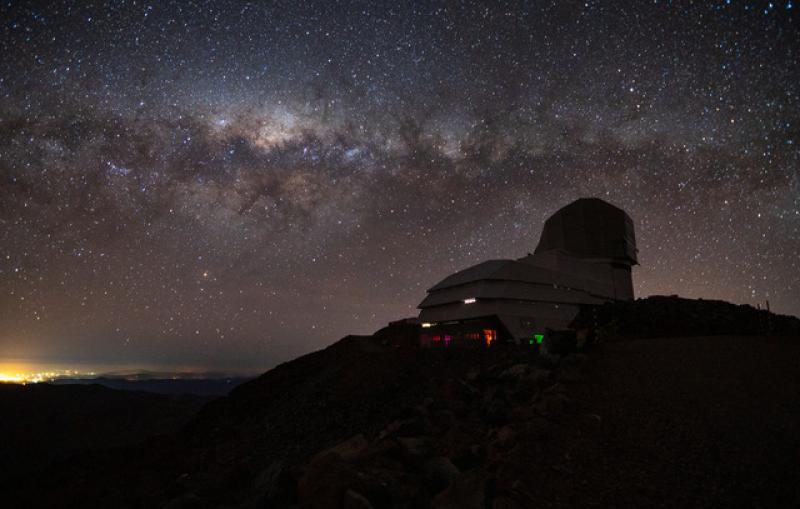
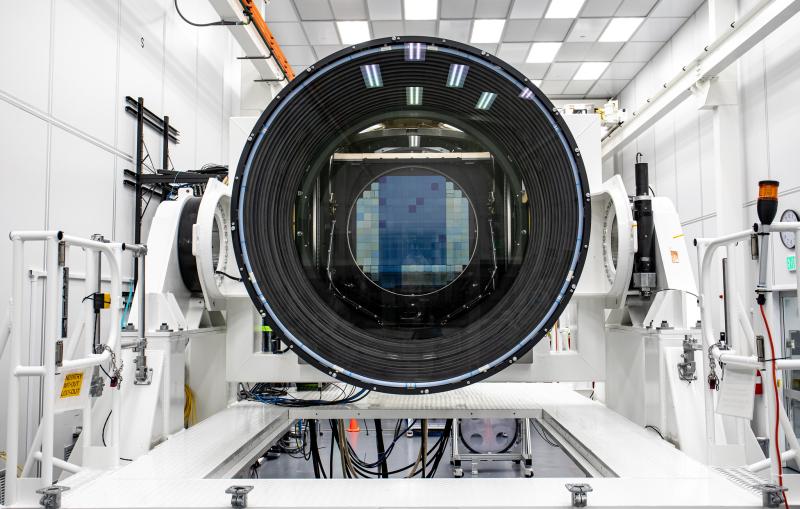
SLAC & Stanford build the world’s largest digital camera for the Legacy Survey of Space and Time (LSST).
Find a career, partner with us or apply to use our tools and facilities.
Apply to become a user of our scientific research facilities and instruments.
Careers at SLAC
Join our united workforce.
Get the latest news about the lab, our science and discoveries. Explore SLAC events and learn how to participate.
This joint publication of SLAC and Fermilab is your view into the world of particle physics.
STEM Community Day 2026
Saturday, September 12
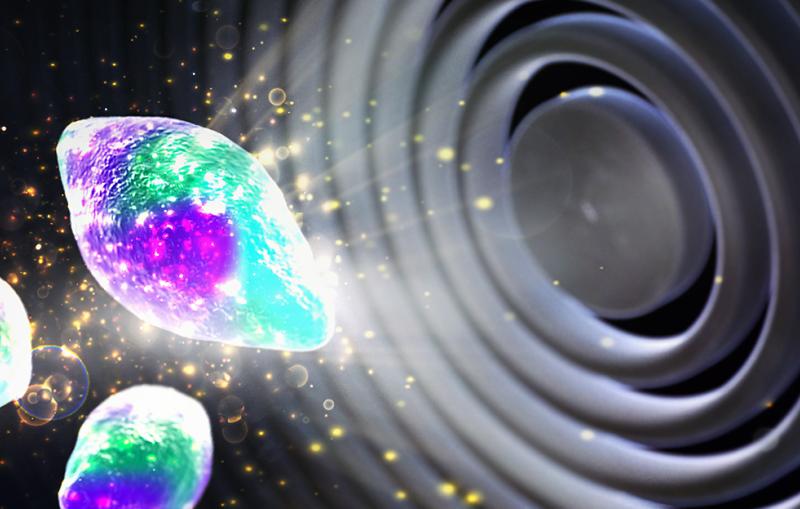
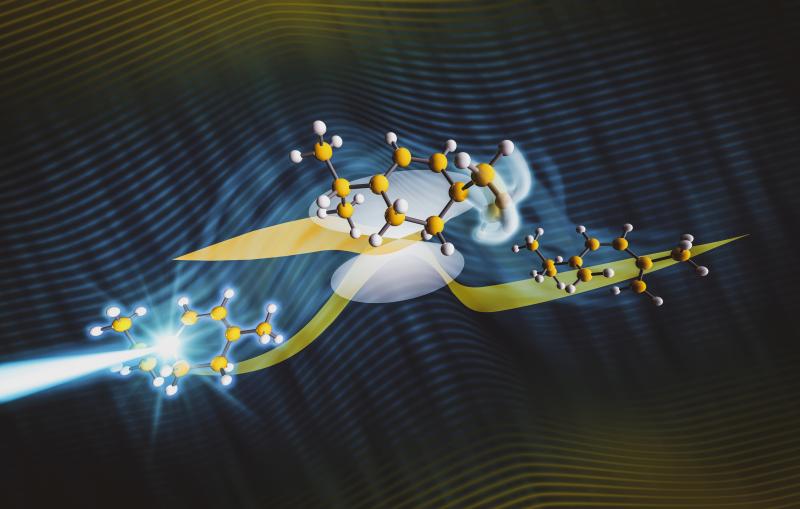
Experiments visualize how 2D perovskite structures change when excited.
Join us for a full day of talks and panel discussions looking at the past, present and future of the Stanford Synchrotron Radiation Lightsource...
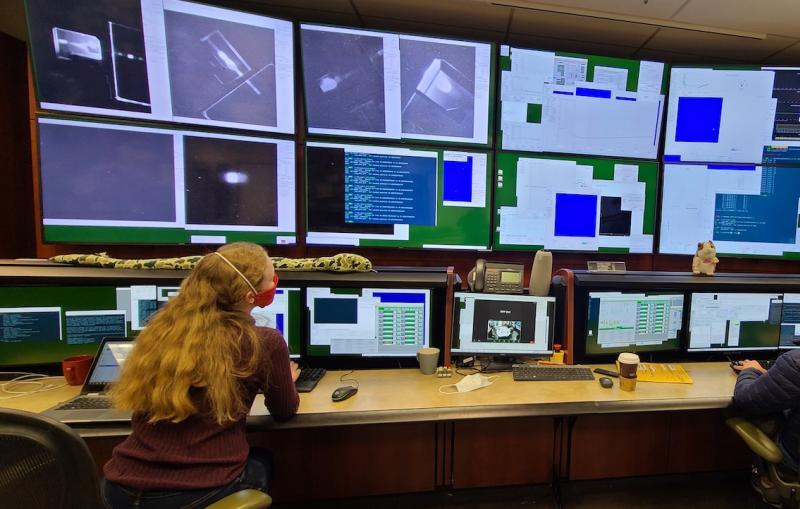
By tinkering and troubleshooting, Aalayah Spencer helps turn researchers’ ideas into state-of-the-art science experiments.
Together with two long-time collaborators, he is recognized for work that helps us understand the strong nuclear force.
This ‘beautiful’ herringbone-like pattern could give rise to unique features that scientists are just starting to explore.
This year’s regional champions, Saratoga High School and Joaquin Miller Middle School, are accompanied by the first-ever Good Sport and Volunteer Award winners.
The synthetic galaxy catalog will help test Roman's capabilities and foster collaboration with the Rubin project.
Presented by Axel Levy.
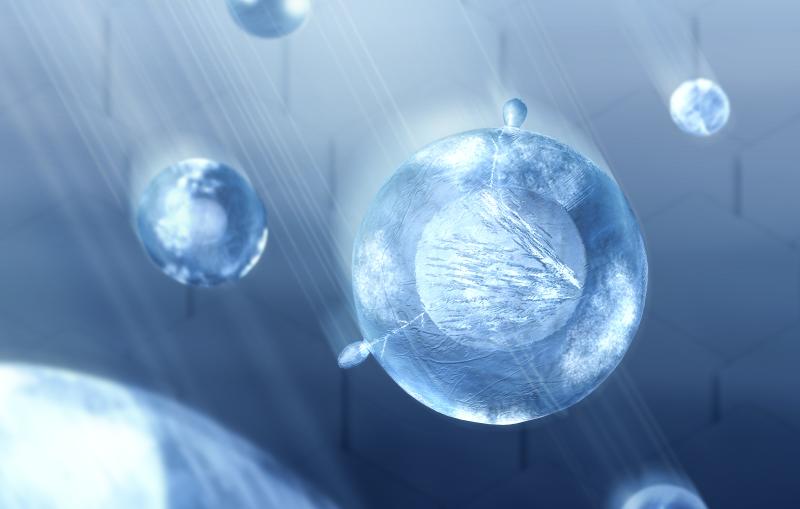
The reanalysis considered new types of particle collisions and how dark matter particles interact with the Earth.
The long – but not too long – cavity would ping-pong X-ray pulses inside of a particle accelerator facility to help capture nature’s fastest...