SLAC National Accelerator Laboratory
    • About

      Learn about our science, people, facilities and partners. Discover our history and vision for the future.

    • OUR STORY
      • Mission, vision, values
      • History
    • LAB OVERVIEW
      • SLAC at a glance
      • Lab organization
      • Our partnerships
    • OUR PEOPLE
      • Leadership
      • Meet our teams
      • Faculty
    • VISIT SLAC
      • Public tours
      • Contact us
    • Resources
      • Images, videos & more
      • Brochures & fact sheets
    • Connect With Us
      • Facebook
      • Flickr
      • Instagram
      • LinkedIn
      • Twitter
      • YouTube
    video

    Who we are

    We explore radically new ideas with an entrepreneurial mindset.

    Science and User Support Building to the left and Arrillaga Science Center building to the right from above the Main Quad at SLAC's campus.
    • Research

      Get an overview of research at SLAC: X-ray and ultrafast science, particle and astrophysics, cosmology, particle accelerators, biology, energy and technology.

    • X-ray and Ultrafast science icon X-ray & ultrafast science

      Revealing nature’s fastest processes with X-rays, lasers and electrons

    • Physics of the universe science icon Physics of the universe

      Studying the particles and forces that knit the cosmos together

    • Advanced Accelerators science icon Advanced accelerators

      Building smaller, faster, more powerful accelerators for all

    • Science of life science icon Science of life

      Understanding the machinery of life at its most basic level

    • New technologies science icon New technologies

      Inventing new tools for science and society

    • Energy sciences science icon Energy sciences

      Finding clean, sustainable solutions for the world’s energy challenges

    Spotlight

    SLAC science explained

    Cut through the jargon while exploring our research.

    SAGE campers have fun experimenting with a Van de Graff generator
    • Facilities & Centers

      Learn more about the places where science happens at SLAC: our major facilities, institutes and centers.

    • SCIENTIFIC FACILITIES
      • LCLS website

        Linac Coherent Light Source

      • SSRL website

        Stanford Synchrotron Radiation Lightsource

      • FACET-II website

        Facility for Advanced Accelerator Experimental Tests

      • CryoEM website

        Cryogenic Electron Microscopy

    • JOINT INSTITUTES & CENTERS
      • SIMES website

        Stanford Institute for Materials & Energy Science

      • KIPAC website

        Kavli Institute for Particle Astrophysics & Cosmology

      • PULSE website

        Stanford PULSE Institute

      • SUNCAT website

        Center for Interface Science & Catalysis

      • SLAC-Stanford Battery Center

    NSF-DOE Vera C. Rubin Observatory LSST

    SLAC & Stanford build the world’s largest digital camera for the Legacy Survey of Space and Time (LSST).

    LSST cutaway
    • Work with Us

      Find a career, partner with us or apply to use our tools and facilities.

    • PARTNER WITH US
      • For industry partners
      • Research partnerships & tech transfer
      • Technology Innovation
    • CAREERS AT SLAC
      • Job openings
      • Internships
      • Life at SLAC
    • USE OUR FACILITIES

      Apply to become a user of our scientific research facilities and instruments.

    • COMING TO SLAC
    • BECOME A SUPPLIER

    Careers at SLAC

    Join our united workforce.

    SLAC staff in main quad
    • News & Events

      Get the latest news about the lab, our science and discoveries. Explore SLAC events and learn how to participate.

    • NEWS CENTER
      • News archive
      • Media resources
      • Images & videos
    • SLAC EVENTS
      • Public lectures
      • Scientific seminars
      • Community events
    • SYMMETRY MAGAZINE

      This joint publication of SLAC and Fermilab is your view into the world of particle physics.

    • EDUCATIONAL PROGRAMS
      • Educational tours
      • Resources for students & educators
    • Connect With Us
      • Facebook
      • Flickr
      • Instagram
      • LinkedIn
      • Twitter
      • YouTube
    Spotlight

    SLAC events

    Event attendees listen to a science lecture
Filter search by
Staff portalStanford directoryComing to SLACResources for…
  1. Home
  2. …
Filter by research area
  • X-ray and ultrafast science (25)
  • Energy sciences (3)
  • Physics of the universe (3)
  • New technologies (1)
Filter by Type
  • (-) News (80)
  • Video (8)
  • Event (7)
  • Image (5)
  • Page (5)
  • News Collection (1)
  • Person (1)
Sort by
80 results
Display Grid Display List
Clear all
Feature

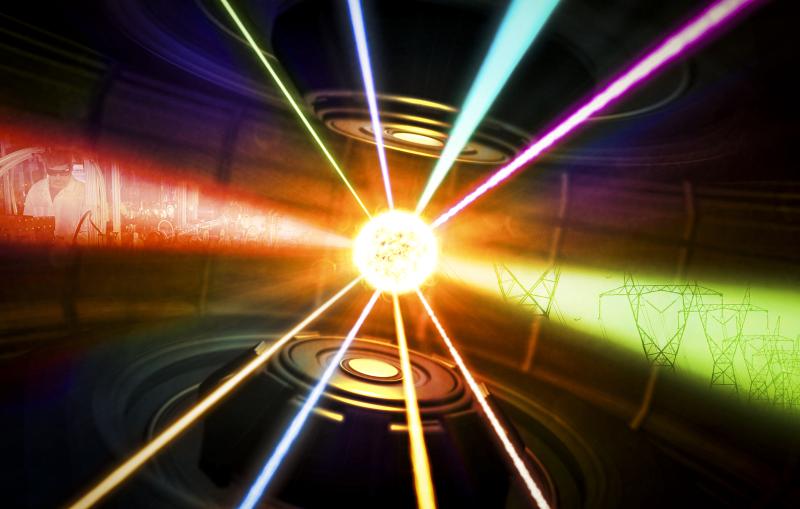
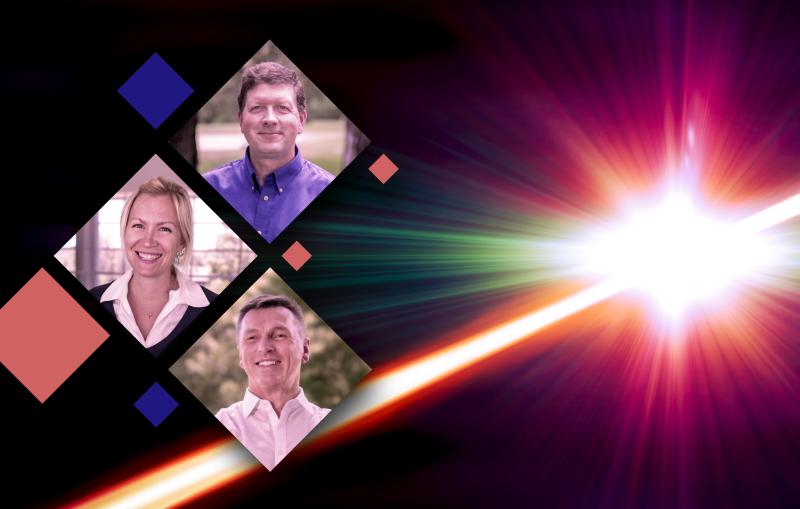
SLAC scientists explain: What is inertial fusion energy?

Following the NIF ignition demonstrations, the prospect of developing a fusion energy source using lasers looks brighter than ever. 

February 21, 2024  ·  8 min read
Illustration featuring three SLAC scientists Alan Fry, Arianna Gleason, and Siegfried Glenzer.
News Brief

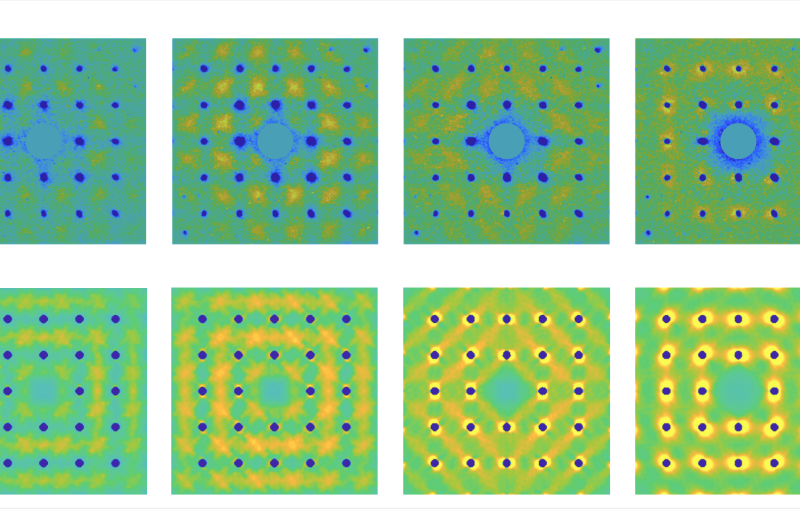
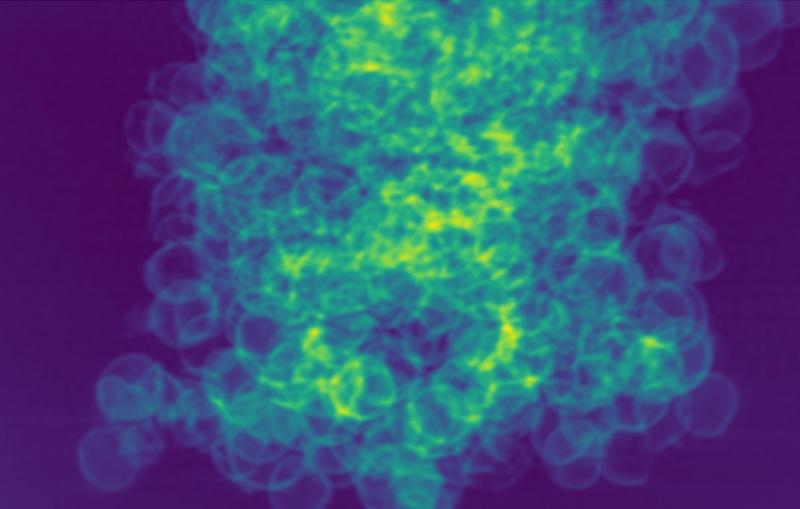
LCLS resolves fusion-related nanofoams in 3D

An X-ray imaging technique revealed that copper nanofoams used in inertial fusion experiments aren't as uniform as expected.

August 8, 2024  ·  2 min read
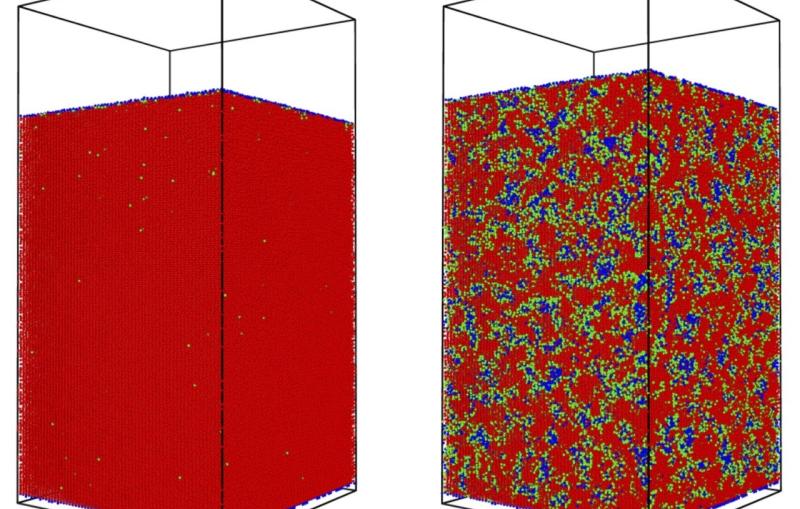
Green blobs on a blue background.
News Brief

SLAC to develop fusion energy target technology as part of DOE Fusion Innovation Research Engine Collaboratives

As a member of a collaborative team led by General Atomics, SLAC will help bridge basic research programs with the growing fusion industry. 

February 19, 2025  ·  2 min read
Graphic representation of lasers hitting a fusion fuel target in a fusion target chamber
Feature

What will it take to bring fusion energy to the US power grid?

In this Q&A, Arianna Gleason discusses the technologies needed to make commercialized fusion energy a reality and how SLAC is advancing this energy frontier. 

May 7, 2025  ·  7 min read
Headshot of Arianna Gleason with graphic representation of a laser shot
Feature

New research on tungsten unlocks potential for improving fusion materials

Researchers have uncovered new insights about tungsten's ability to conduct heat, which could lead to materials advancements for fusion reactor and aerospace technologies.

March 13, 2024  ·  4 min read
tungsten
News Brief

SLAC brings rapid-fire laser and target expertise to national fusion energy research hubs

SLAC will partner in two collaborations that aim to speed up progress in fusion energy science and technology.

December 7, 2023  ·  2 min read
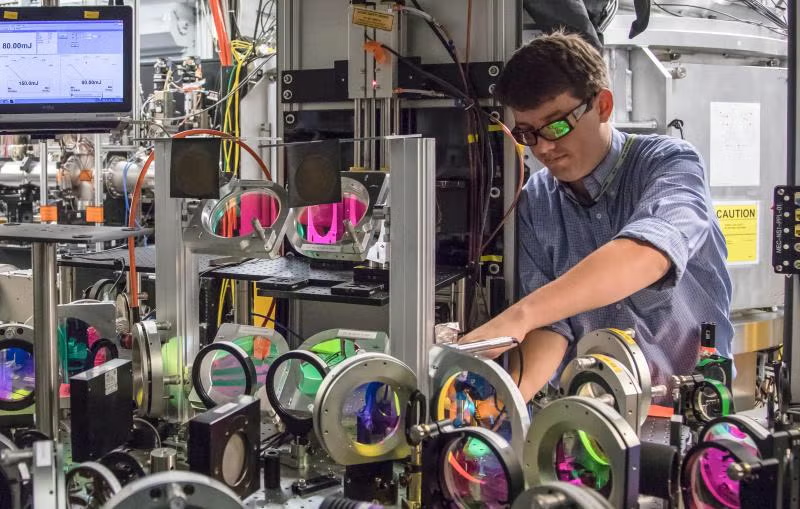
Laser engineer Eric Cunningham with the Matter in Extreme Conditions optical laser
Feature

The ideal fusion fuel target doesn’t exist – yet. Researchers at SLAC are trying to change that.

Researchers at SLAC are developing experimental techniques to evaluate new candidates for inertial fusion energy targets. 

November 26, 2025  ·  7 min read
a graphic in the style of graphic novel depicts four lasers converging on a spherical target, which represents an inertial fusion energy reaction
Feature

Renewed support for high power laser facilities will benefit discovery science and inertial fusion energy research at SLAC

LaserNetUS funding will allow scientists to explore fundamental plasma science and inertial fusion energy research and technology.

October 26, 2023  ·  2 min read
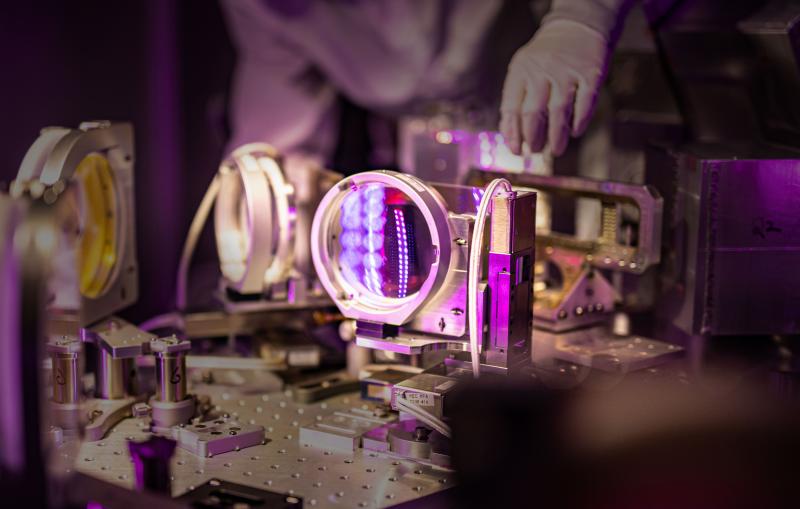
Matter in Extreme Conditions (MEC) Hutch 6, located in the LCLS Far Experimental Hall.
Feature

In brief: Radiation damage lowers melting point of potential fusion reactor material

SLAC’s ‘electron camera’ films rapidly melting tungsten and reveals atomic-level material behavior that could impact the design of future reactors.

May 24, 2019  ·  2 min read
Tungsten melting
News Release

Atomic Movie of Melting Gold Could Help Design Materials for Future Fusion Reactors

SLAC’s high-speed ‘electron camera’ shows for the first time the coexistence of solid and liquid in laser-heated gold, providing new clues for designing materials...
June 28, 2018  ·  5 min read
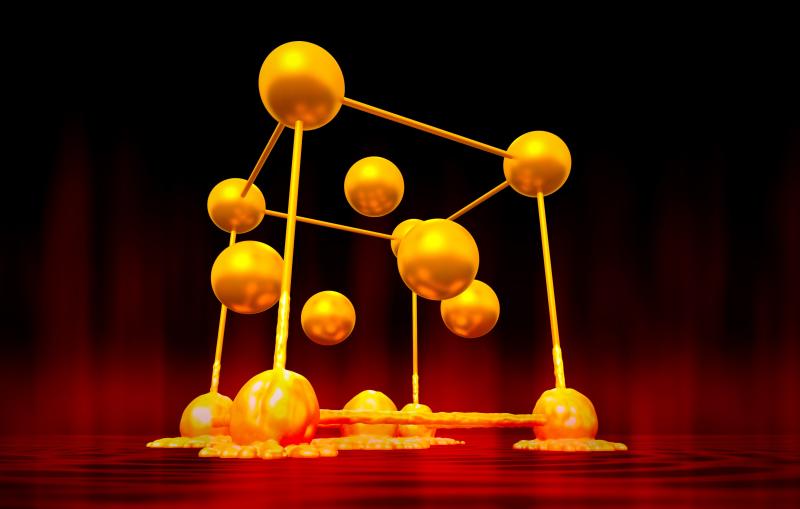
UED Gold Melting
Feature

Arianna Gleason and Diana Gamzina receive DOE Early Career Research grants

The SLAC scientists will each receive $2.5 million for their research on fusion energy and advanced radiofrequency technology.

August 1, 2019  ·  7 min read
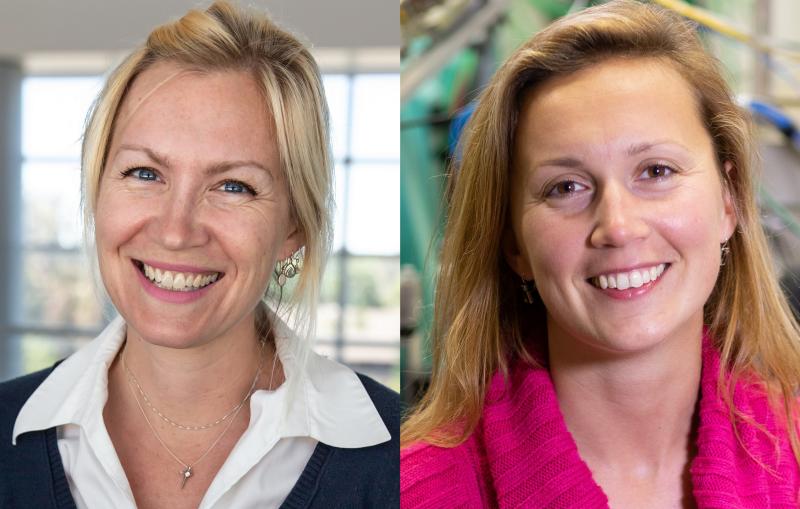
Gleason-Gamzina-ECA2019
Feature

A new way to study how elements mix deep inside giant planets

It could offer insights into the evolution of planetary systems and guide scientists hoping to harness nuclear fusion as a new source of energy.

June 16, 2020  ·  4 min read
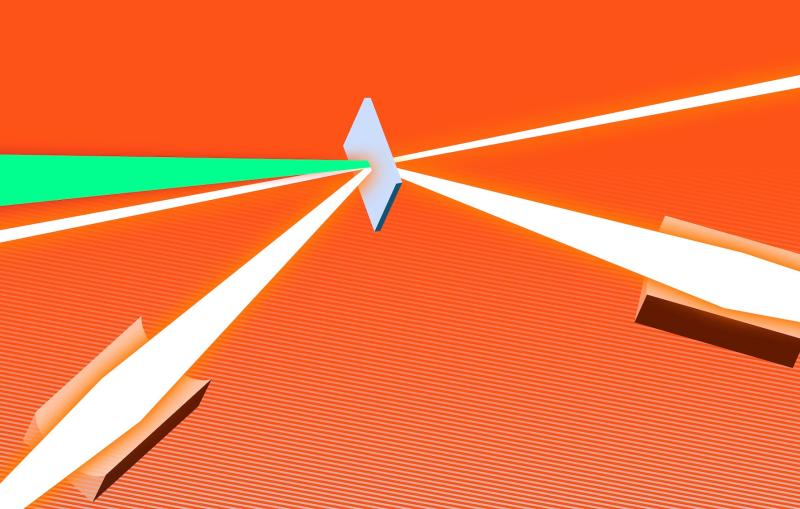
Scattered photons
  • Currently on page 1
  • Page 2
  • Page 3
  • Page 4
  • Page 5
  • Page 6
  • Page 7
  • Go to next page

SLAC National Accelerator Laboratory 
2575 Sand Hill Road  
Menlo Park, CA 94025-7015  
650.926.3300

  • Coming to SLAC
  • Connect with us
  • Contact us
  • Facebook
  • Flickr
  • Instagram
  • LinkedIn
  • Twitter
  • YouTube

Sign up for our email

Monthly newsletter for cutting-edge science, SLAC milestones and events.

Sign up

Bold People
Visionary Science
Real Impact

We explore how the universe works at the biggest, smallest and fastest scales and invent powerful tools used by scientists around the globe.

  • About
    • Our story
    • Our people
    • Lab overview
    • Visit SLAC
    • Resources
    • Connect with us
  • Research
    • X-ray & ultrafast science
    • Advanced accelerators
    • New technologies
    • Physics of the universe
    • Science of life
    • Energy sciences
    • SLAC science explained
  • Facilities & centers
    • Scientific facilities
    • Joint institutes & centers
  • Work with us
    • Partner with us
    • Become a supplier
    • Use our facilities
    • Careers at SLAC
  • News & events
    • News center
    • Symmetry Magazine
    • Media resources
    • Events
    • Educational programs
    • Connect with us
  • Staff portal
  • Privacy policy
  • Accessibility
  • Vulnerability disclosure
  • A–Z index
  • Website feedback
Home
  • SLAC home
  • Maps & directions
  • Emergency info
  • Careers

© 2026 SLAC National Accelerator Laboratory is operated by Stanford University for the U.S. Department of Energy Office of Science.

Stanford University U.S. Department of Energy
Top Top
Back to top Back to top