Find a career, partner with us or apply to use our tools and facilities. As a DOE Office of Science national laboratory run by Stanford University, SLAC offers unique collaborations and opportunities to innovate. We seek out and engage people...
The new method allows better studies of valence electrons key to materials’ properties and could help unlock novel photocatalysts, light-switchable superconductors and other applications...
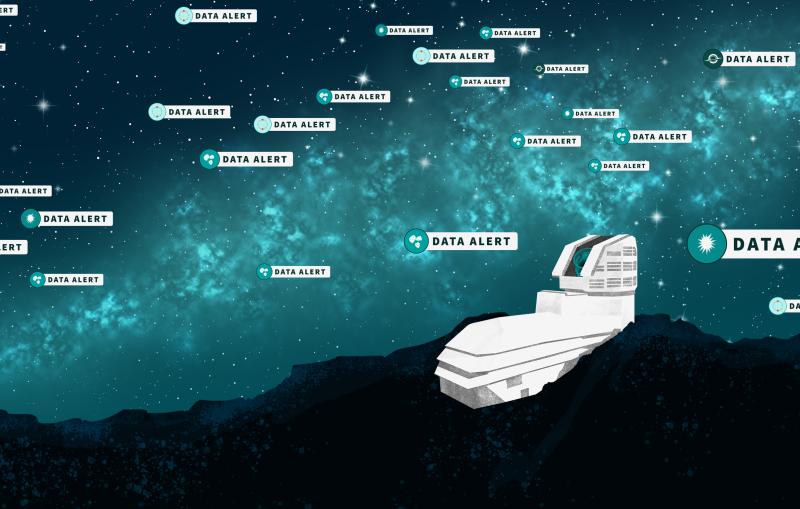
NSF-DOE Rubin Observatory has issued its first scientific alerts, marking a historic milestone in astrophysics and kicking off a new era of dynamic, real-time...
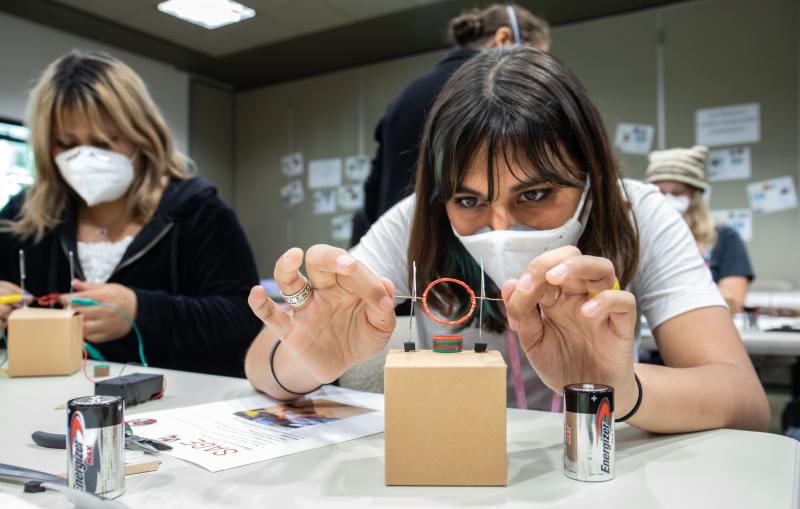
At SLAC, we strive to solve real-world problems through science and innovation. Be a part of a growing community in STEM. Find out about our educational and internship programs and participate in our lectures and events.
Coming to SLACSpread across 426 acres, SLAC’s campus boasts an array of distinctive and historic buildings, including the 2-mile-long Klystron Gallery. The lab hosts...
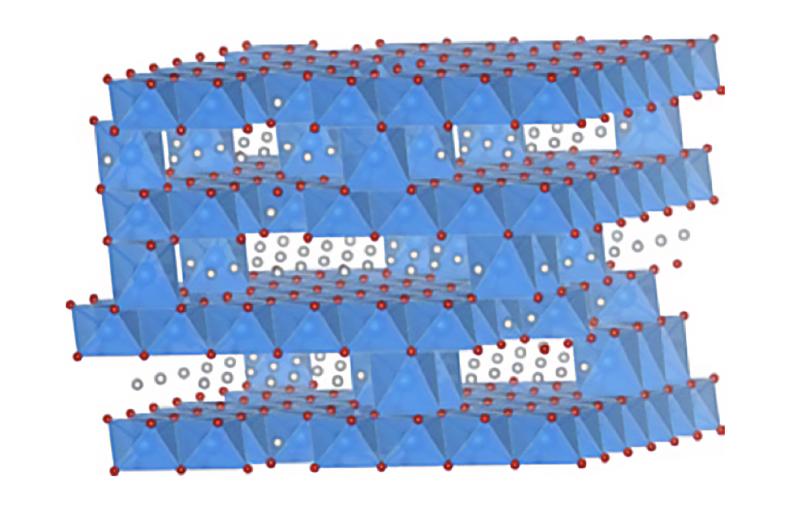
By instigating atomic disorder in lithium-ion battery materials, researchers created more stable materials that don’t expand, contract and degrade like traditional materials do.
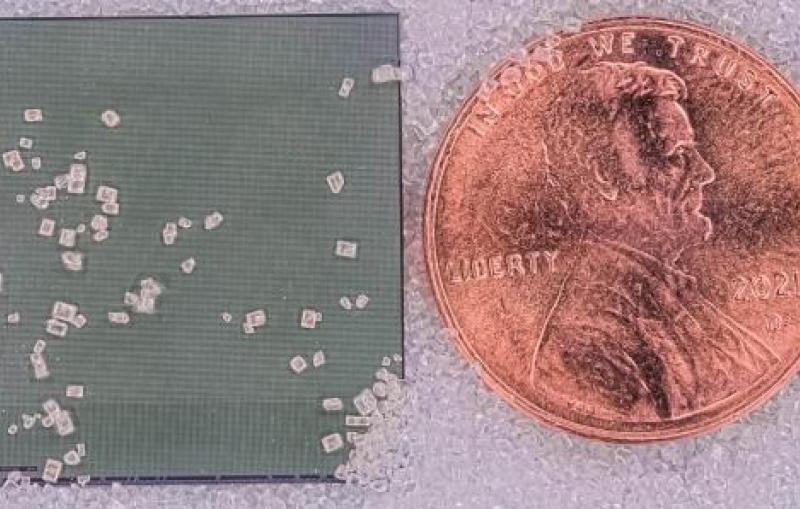
Argonne, SLAC researchers designed a chip that compresses and processes detector data instantly, letting scientists analyze results and steer experiments as they happen.