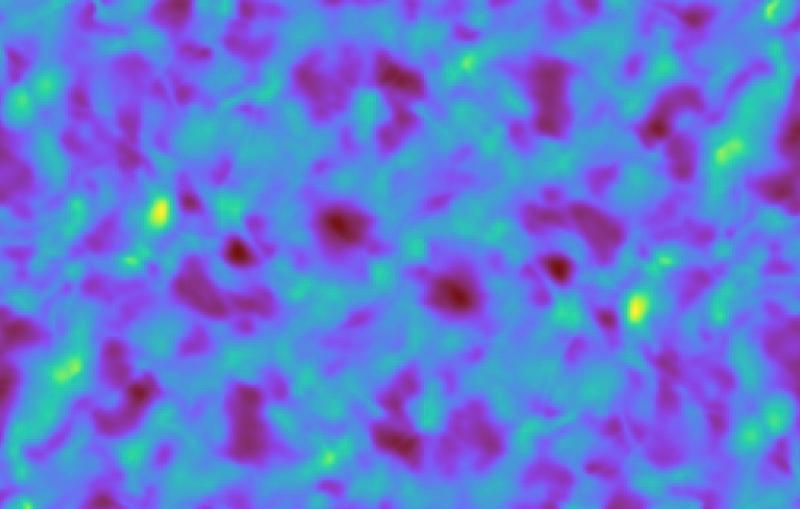
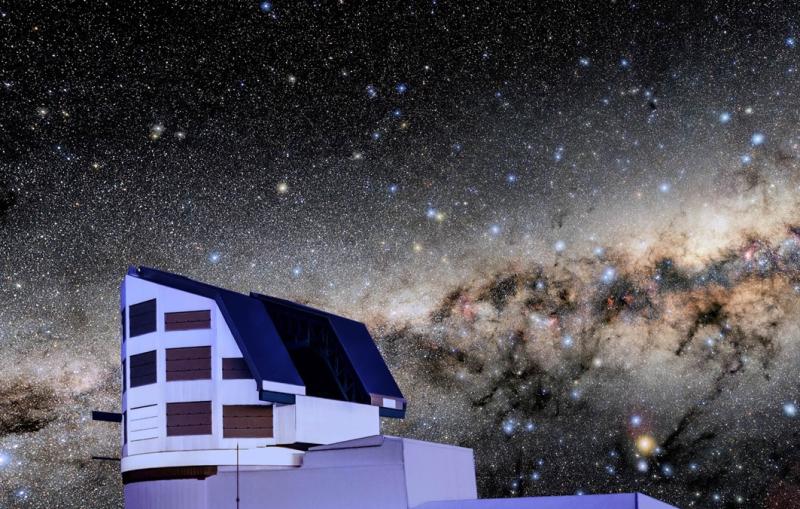
SLAC scientists played key roles in leadership, survey design, cosmological applications, studies of dark matter and of links to the cosmic microwave background.
An international team of researchers simulated magnetic forces in the early universe and found they could bridge the gap between the observed and calculated...
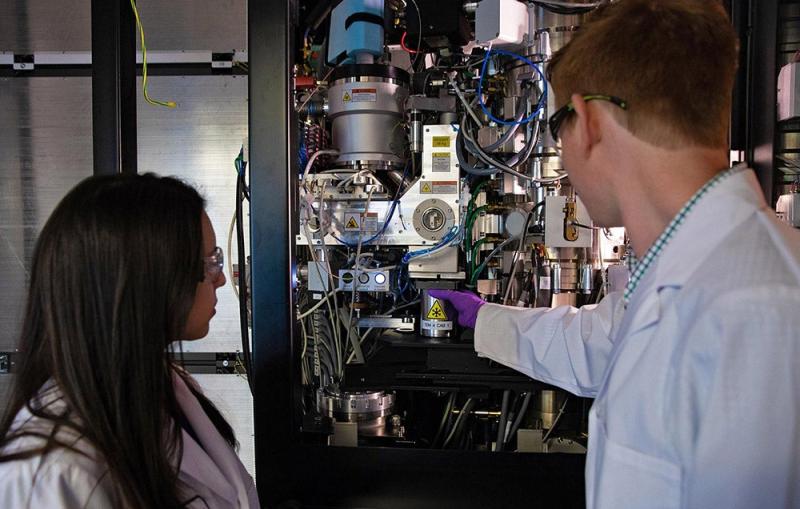
The X-ray Pump Probe instrument is returning to normal operations this spring, anticipating a major capability boost when the high-energy beam comes online.
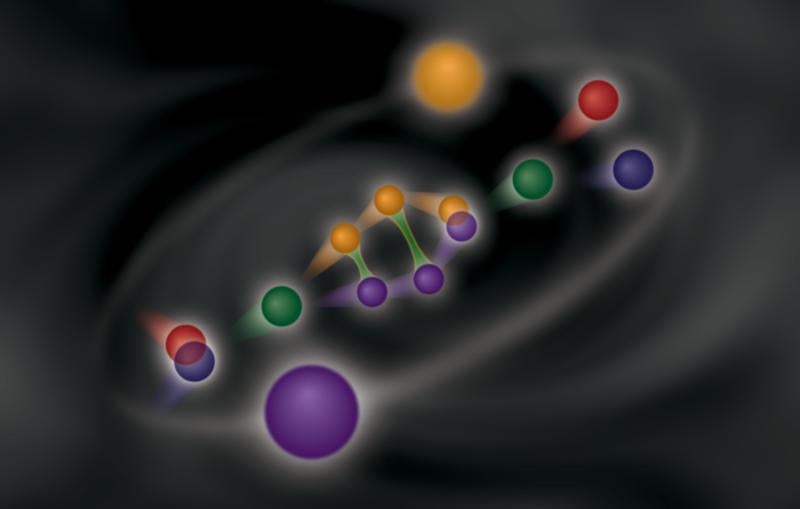
True muonium, a long-theorized but never-seen atom, might be observed in future experiments, thanks to recent theoretical work by researchers at the Department of...
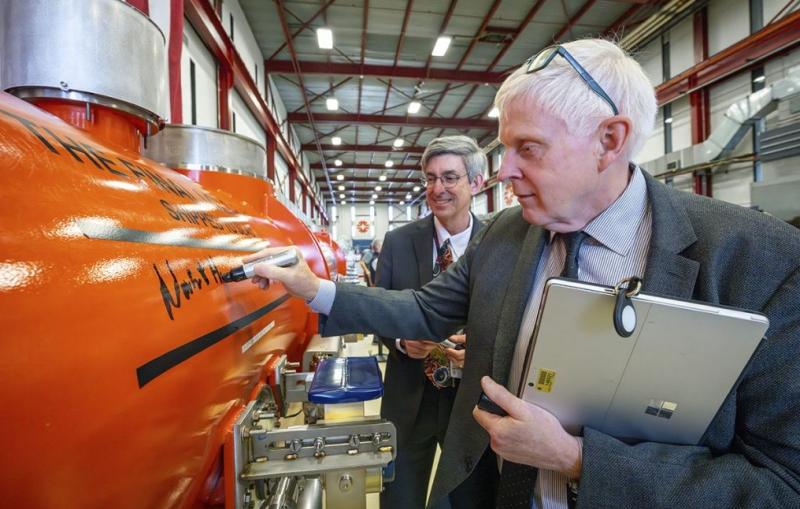
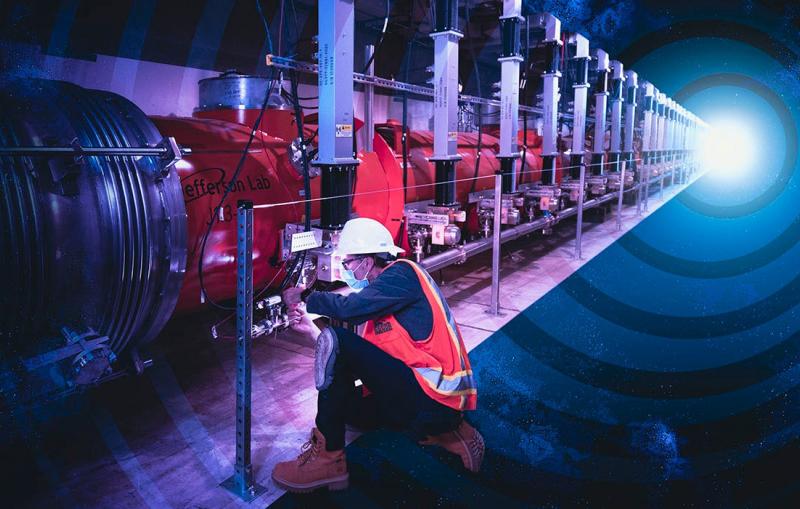
The facility, LCLS-II, will soon sharpen our view of how nature works on ultrasmall, ultrafast scales, impacting everything from quantum devices to clean energy.