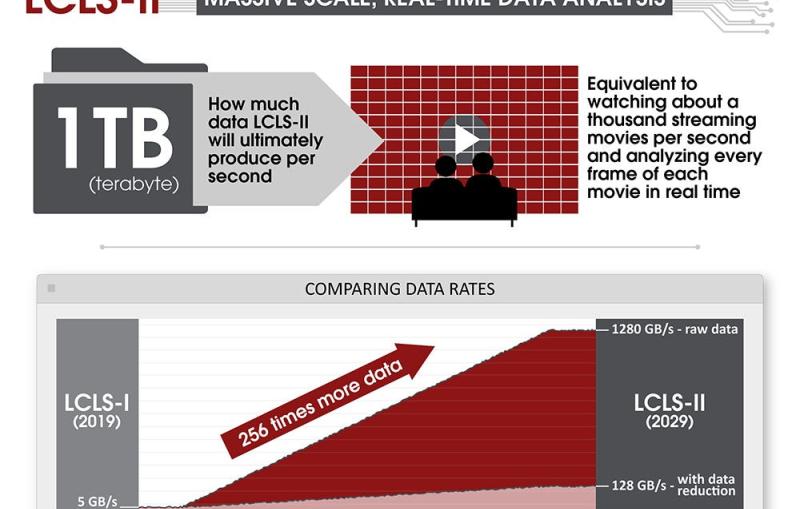
When upgrades to the X-ray laser at the Department of Energy’s SLAC National Accelerator Laboratory are complete, the powerful new machine will capture up...
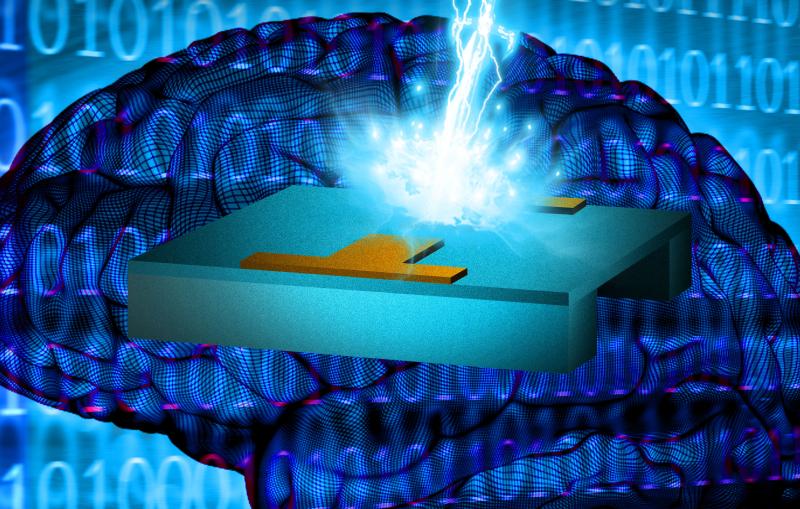
Presented by Aaron Lindenberg. As we reach the limits of high-speed computation based on silicon, ideas for the next generation of computers have focused...
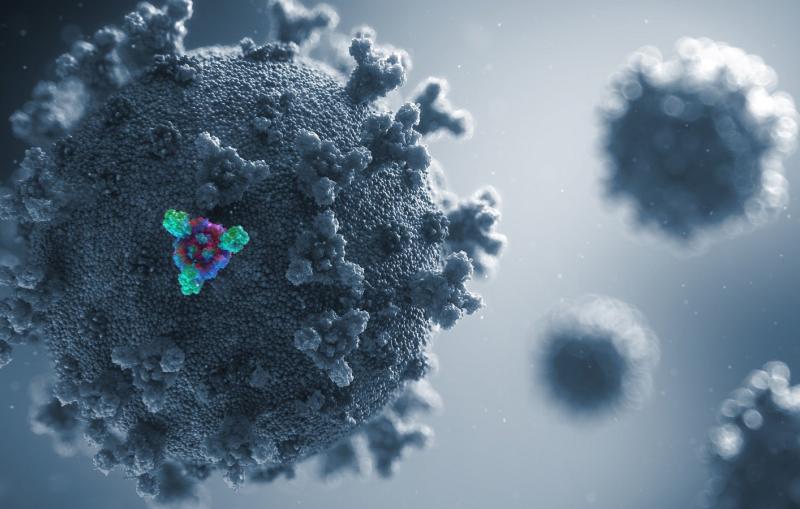
The lab is responding to the coronavirus crisis by imaging disease-related biomolecules, developing standards for reliable coronavirus testing and enabling other essential research.
University of Alberta researchers worked with SLAC X-ray scientists to explore the potential of a feline coronavirus drug that may be effective against SARS-CoV-2.
Q-NEXT will tackle next-generation quantum science challenges through a public-private partnership, ensuring U.S. leadership in an economically crucial arena.
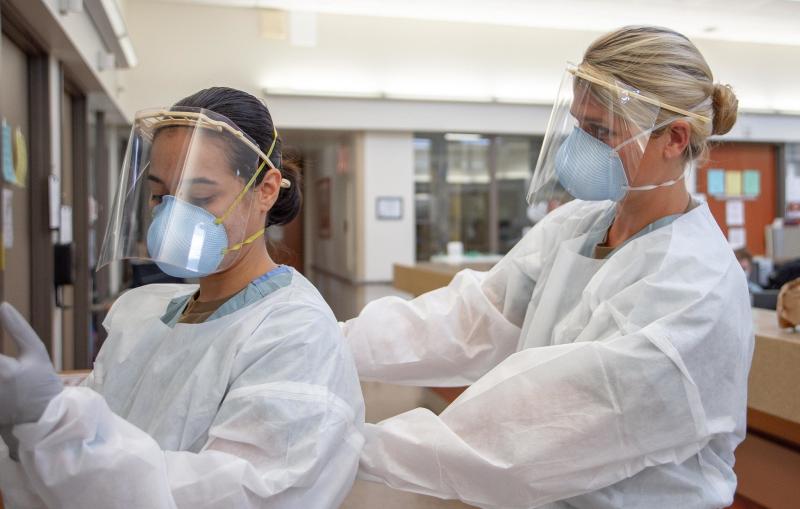
They found that gently heating N95 masks in high relative humidity could inactivate SARS-CoV-2 virus trapped within the masks, without degrading the masks’ performance.
Daniel Ratner, head of SLAC’s machine learning initiative, explains the lab’s unique opportunities to advance scientific discovery through machine learning.
The newly launched Quantum Fundamentals, ARchitecture and Machines initiative will build upon existing strengths in theoretical and experimental quantum science and engineering at Stanford...
Monika Schleier-Smith and Kent Irwin explain how their projects in quantum information science could help us better understand black holes and dark matter.