After a major upgrade, SLAC's X-ray free-electron laser is 10,000 times brighter and thousands of times faster. Now, researchers are using LCLS to observe...
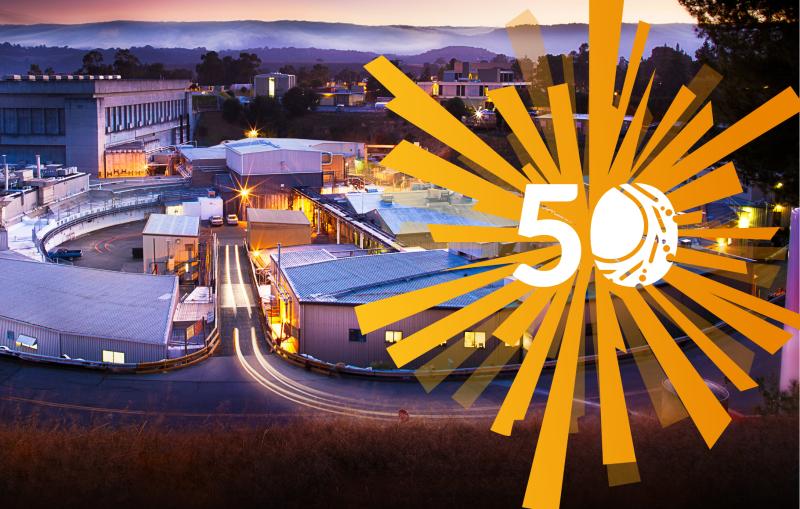
On April 20, 2023 we celebrated 50 years of transformative science at SSRL. This unique event acknowledged many individuals who have made SSRL such a vital and impactful facility through partnerships among SSRL users and staff that fuel our success.
SSRL and LCLS scientists will help visiting research teams solve their experimental challenges, then apply what they’ve learned to help others work more efficiently.
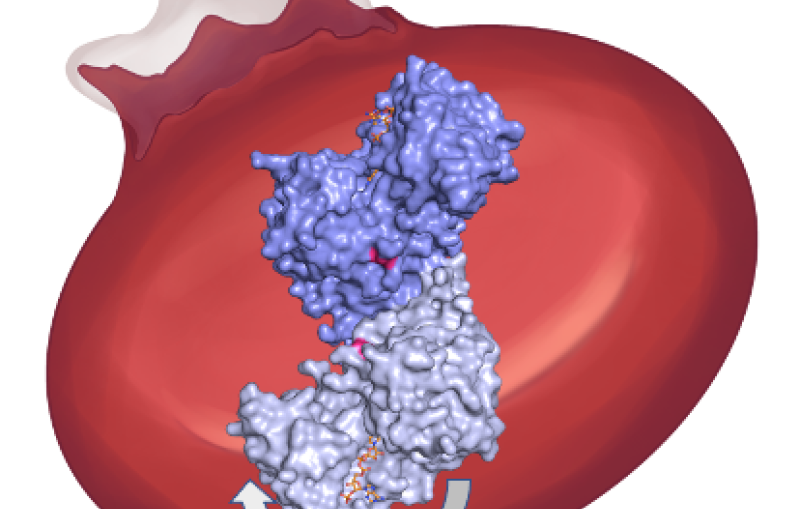
G6PD deficiency affects about 400M people worldwide and can pose serious health risks. Uncovering the causes of the most severe cases could finally lead...
In a first-ever collaboration, three U.S. Department of Energy national laboratory light source facilities—the Advanced Light Source, the Linac Coherent Light Source, and the...
The new method allows better studies of valence electrons key to materials’ properties and could help unlock novel photocatalysts, light-switchable superconductors and other applications...
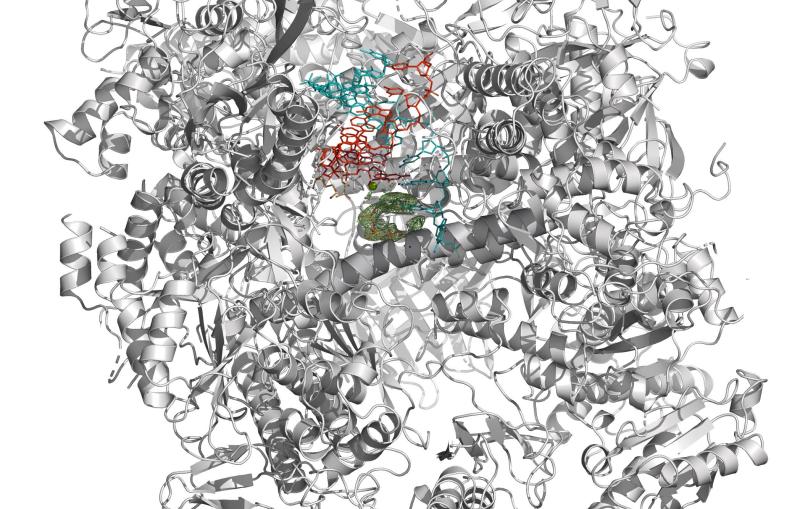
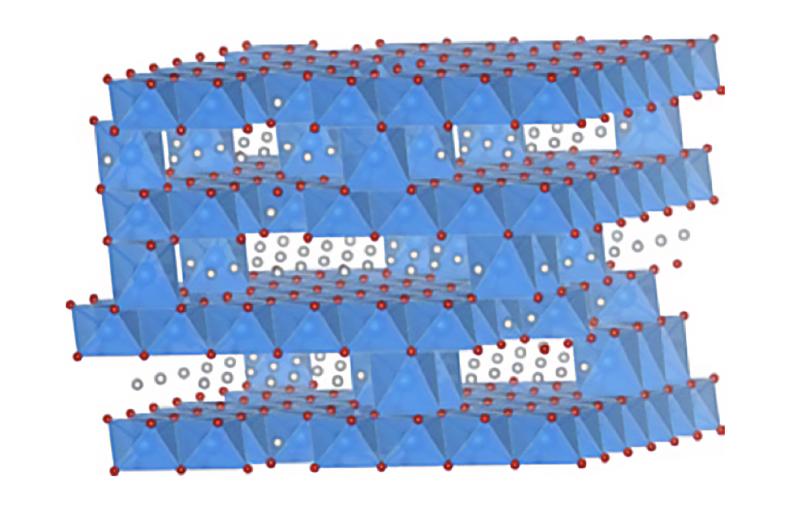
By instigating atomic disorder in lithium-ion battery materials, researchers created more stable materials that don’t expand, contract and degrade like traditional materials do.
Argonne, SLAC researchers designed a chip that compresses and processes detector data instantly, letting scientists analyze results and steer experiments as they happen.
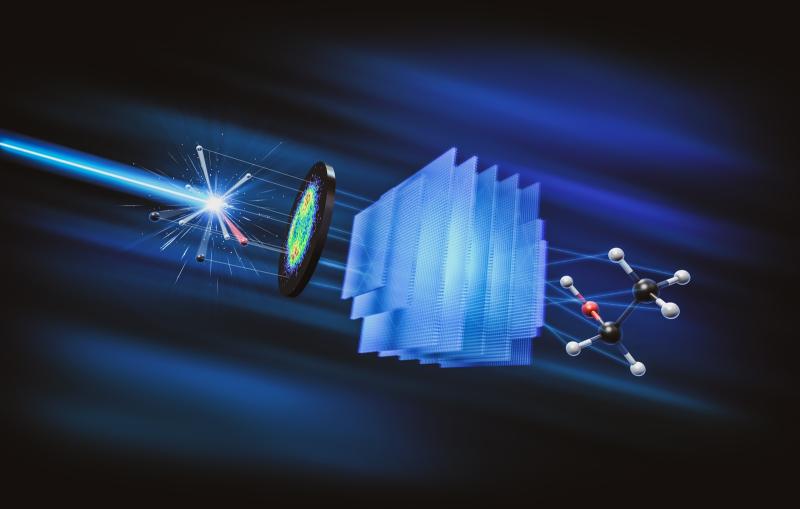
SLAC researchers and collaborators trained a neural network that can use ion momentum to work backward and predict the pre-blast geometry of a molecule.
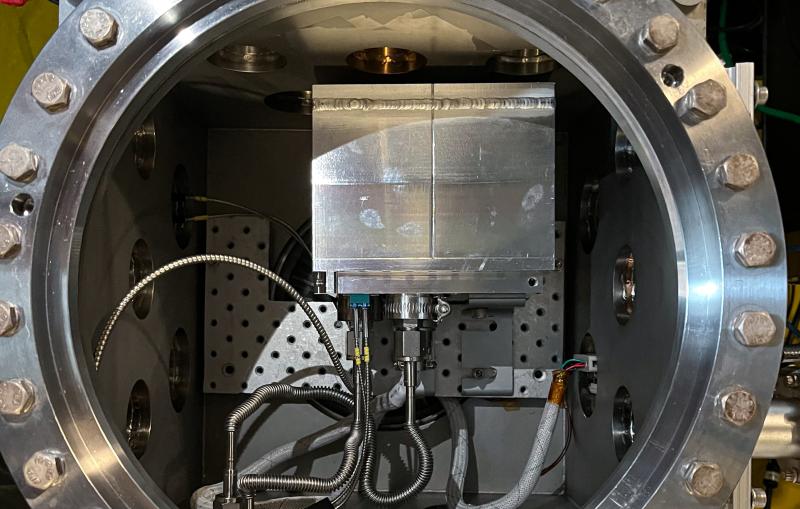
Researchers reengineered an ePix10k detector for use in ultrafast electron diffraction, empowering studies of chemical processes that were previously out of reach.