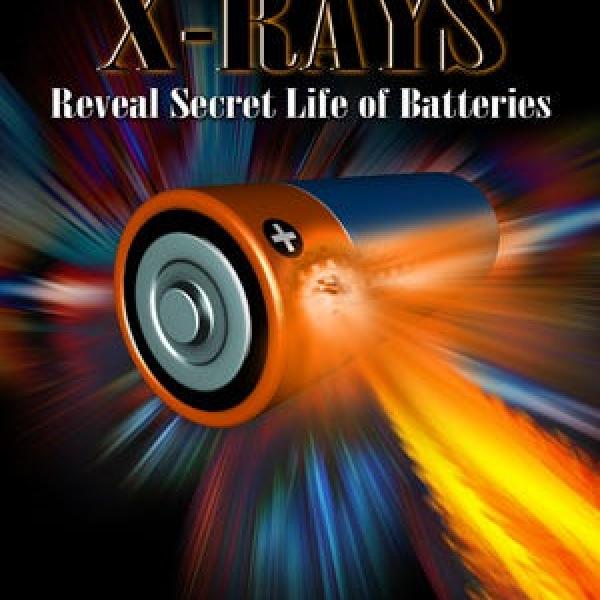
Researchers are using powerful synchrotron-based X-rays to peer inside lithium-ion batteries while they operate. Understanding how batteries function – and what causes them to eventually fail – will help scientists design the next generation of battery technologies.
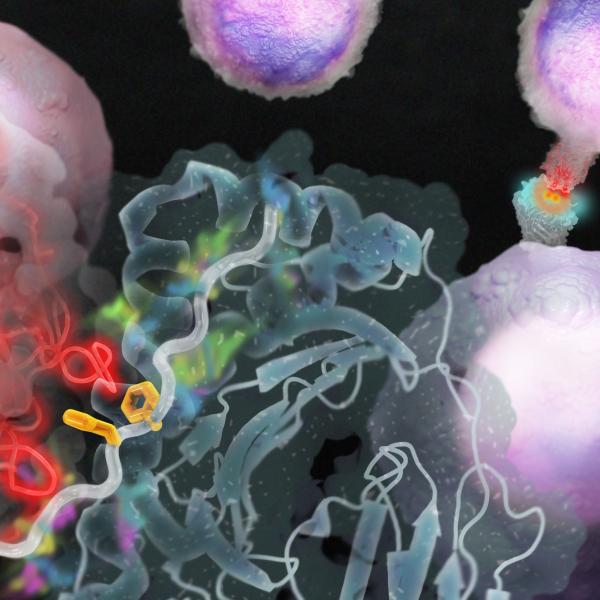
By finding surprising similarities in the way immune system defenders bind to disease-causing invaders, a new study may help scientists develop new treatments.
Researchers from Oxford, SIMES and Berkeley Lab say cadmium arsenide could yield practical devices with the same extraordinary electronic properties as 2-D graphene.
After working with particle accelerators his entire professional career, Heather Rock Woods’ father placed himself in the path of a beam to fight cancer.
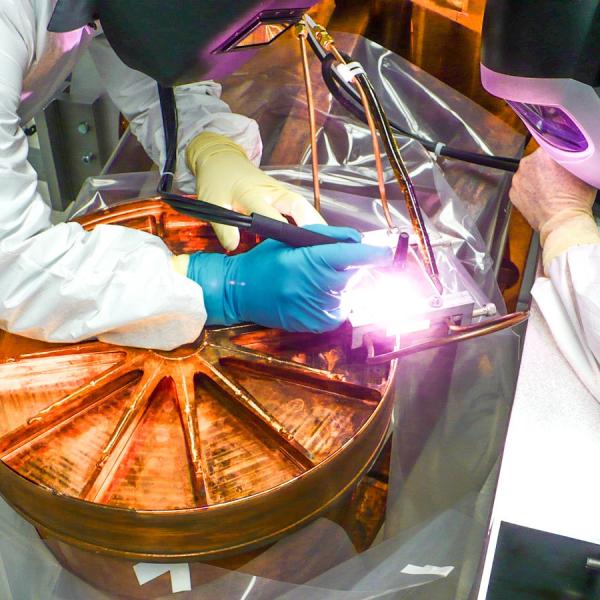
If it exists, a type of decay called neutrinoless double-beta decay will show that neutrinos are their own antiparticles and can help scientists determine their masses.
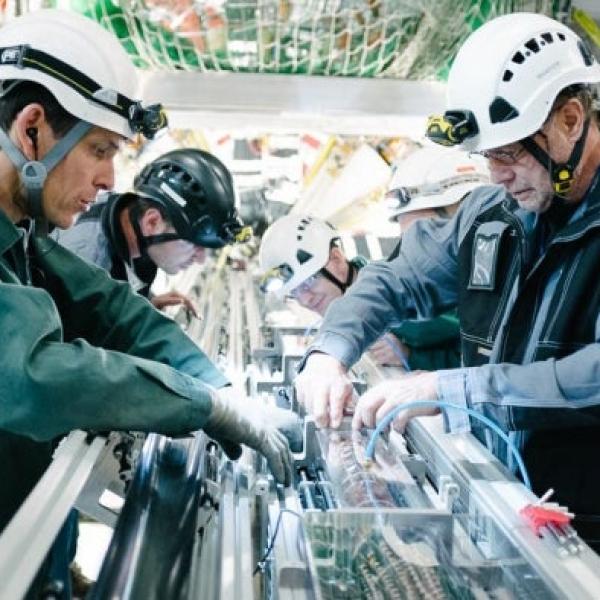
A sensor design first envisioned in 1995 by physicists and engineers at SLAC plays a starring role in a major ATLAS detector upgrade at the Large Hadron Collider.