Anchoring individual iridium atoms on the surface of a catalytic particle boosted its performance in carrying out a reaction that’s been a bottleneck for sustainable energy production.
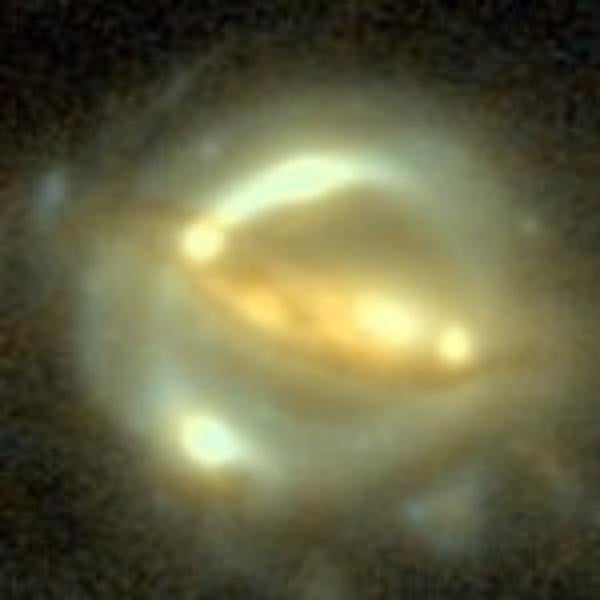
Presented by Justin Myles. As the universe expanded from the Big Bang, regions where the density of matter was higher than average grew into galaxies and clusters of galaxies.
The chemically controlled chains reveal an ultrastrong attraction between electrons that may help cuprate superconductors carry electrical current with no loss at relatively high temperatures.
Much like crystallizing rock candy from sugar syrup, the new method grows 2D perovskites precisely layered with other 2D materials to produce crystals with a wide range of electronic properties.
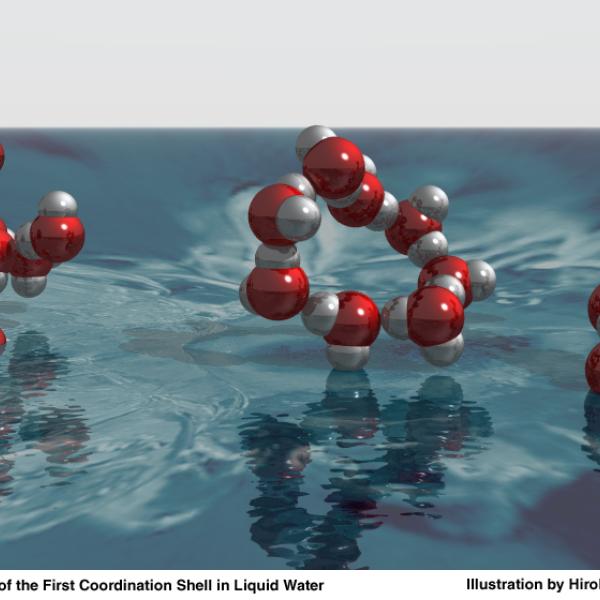
This is the first direct observation of a hydroxyl-hydronium complex – important for a wide range of chemical and biological processes from the tails of comets to cancer treatment.
Spawned by the spins of electrons in magnetic materials, these tiny whirlpools behave like independent particles and could be the future of computing. Experiments with SLAC’s X-ray laser are revealing their secrets.