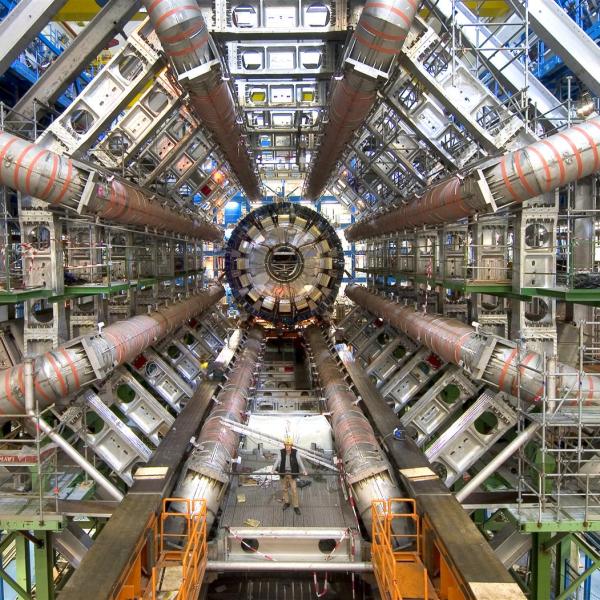
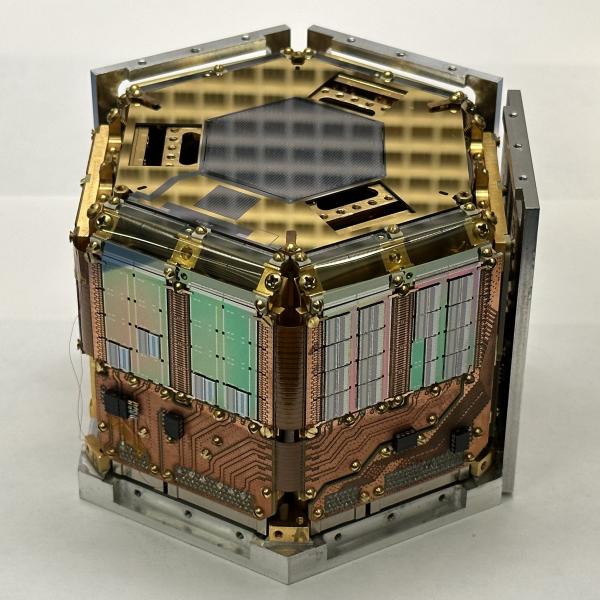
SLAC experimentalists and theorists collaborate to develop critical detector components, data analysis tools, and theoretical models for the HL-LHC upgrade, which will investigate the Higgs boson and pursue physics beyond the Standard Model.
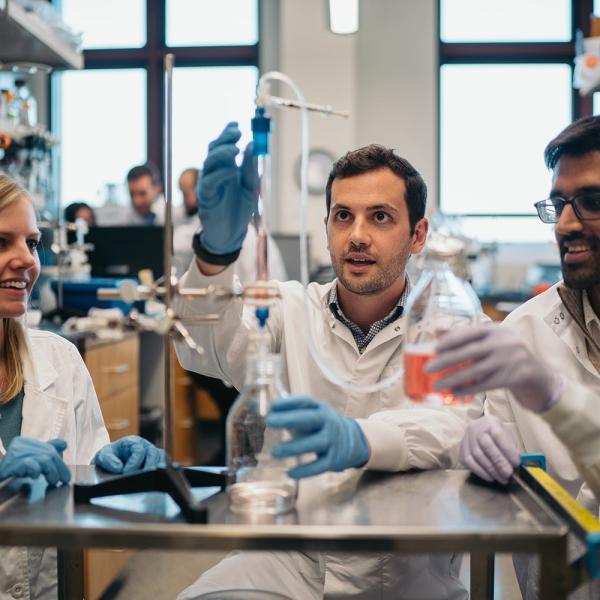
Scientists at Stanford and NYU have published and investigated a new structure of the protein LAG-3 which could enable the development of new cancer treatments.
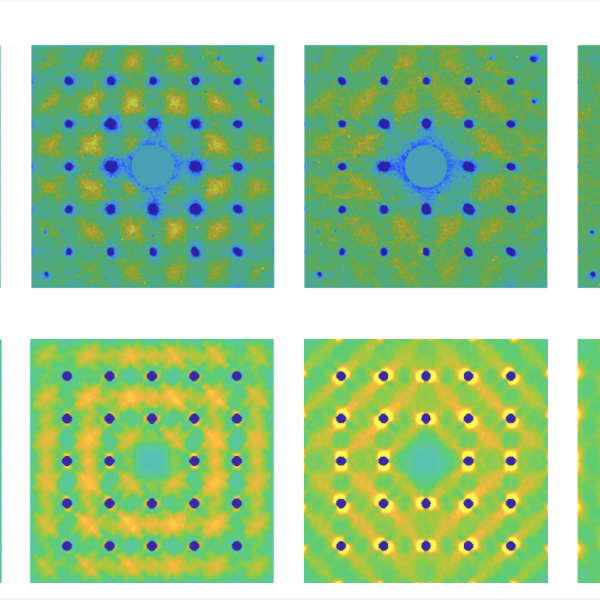
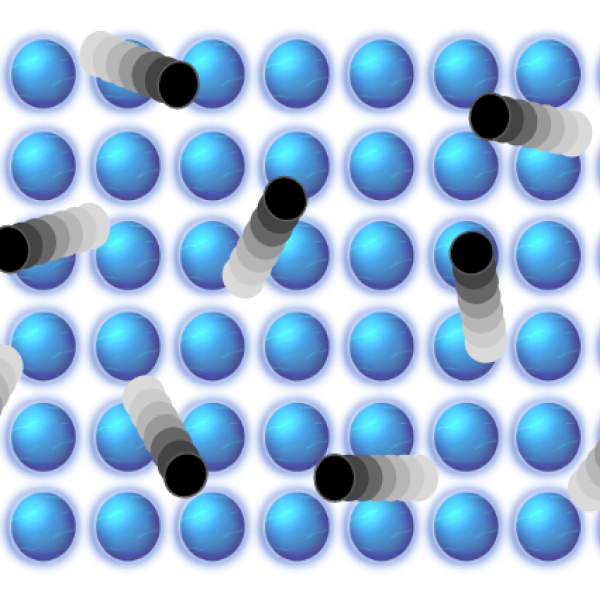
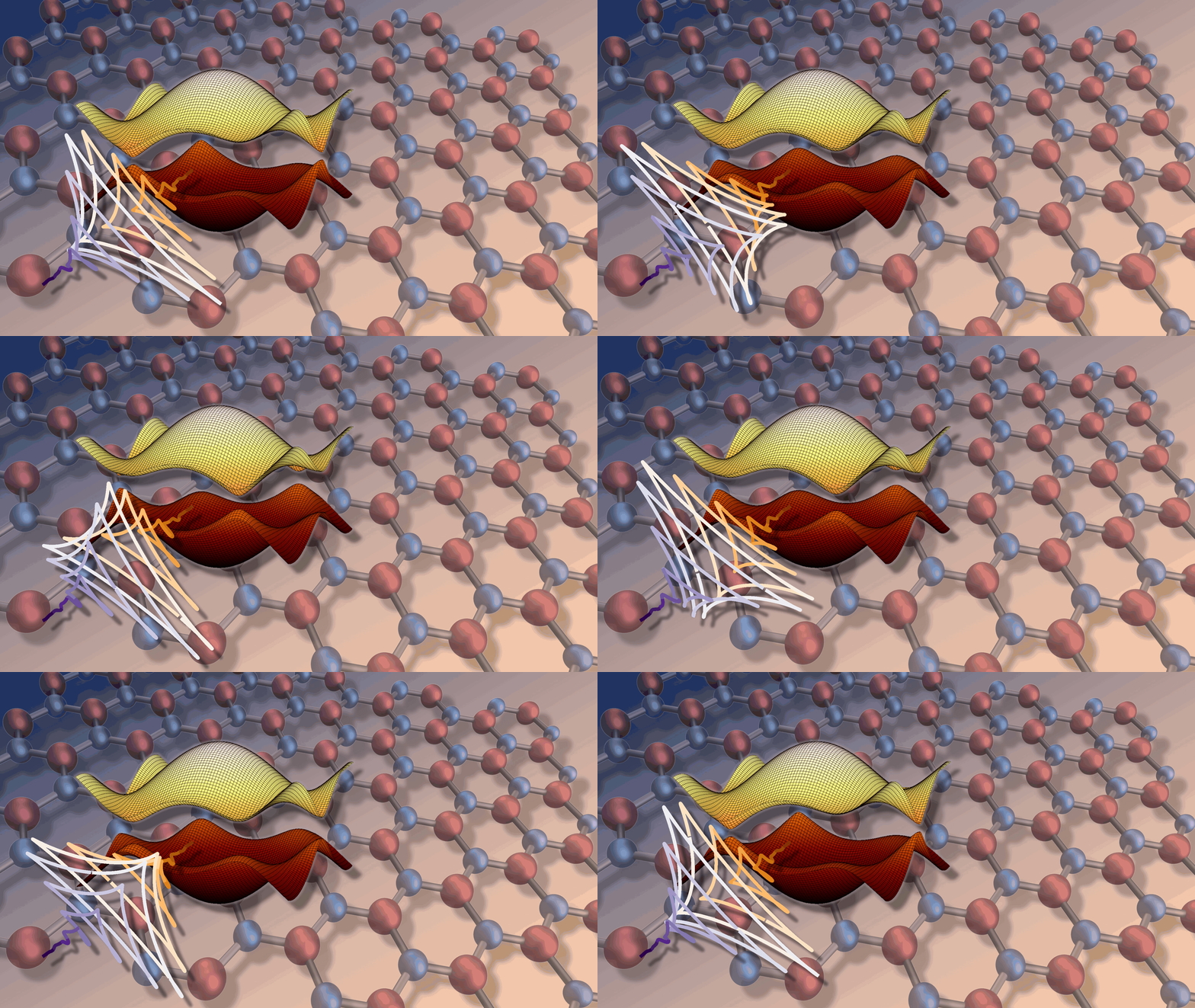
Researchers have uncovered new insights about tungsten's ability to conduct heat, which could lead to materials advancements for fusion reactor and aerospace technologies.
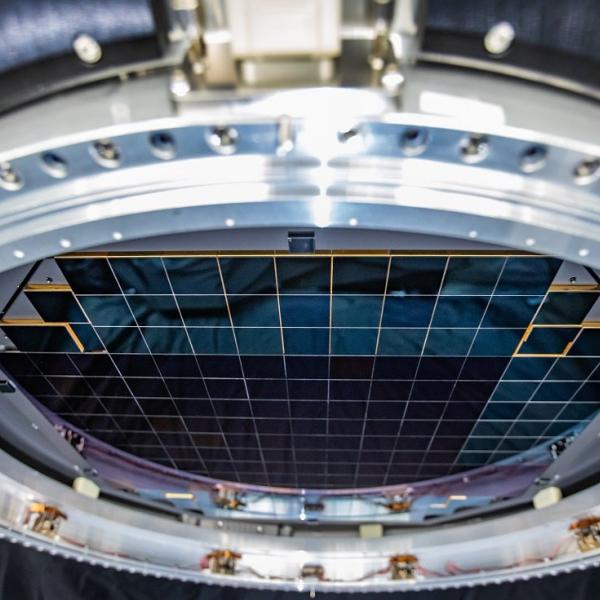
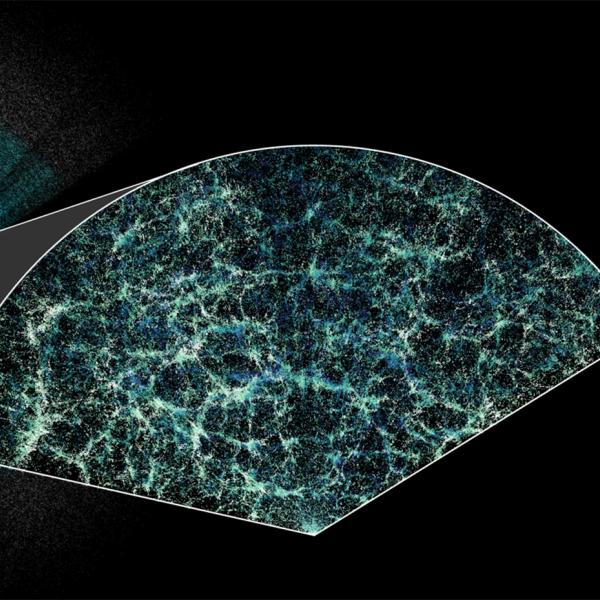
Researchers have used the Dark Energy Spectroscopic Instrument to make the largest 3D map of our universe and world-leading measurements of dark energy, the mysterious force behind its accelerating expansion.