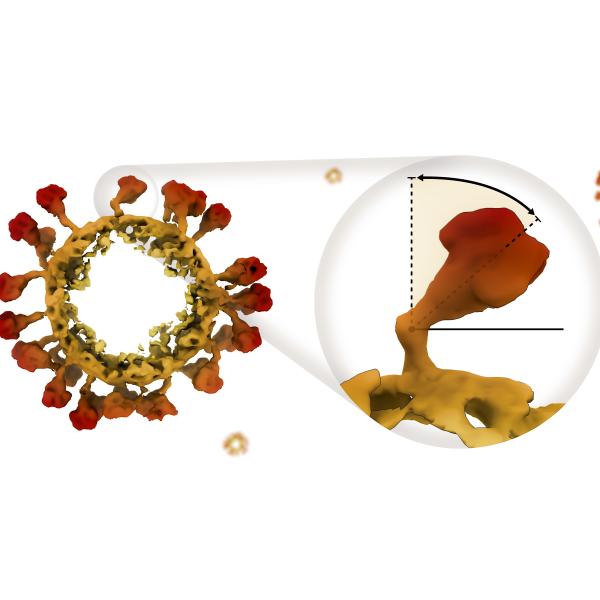
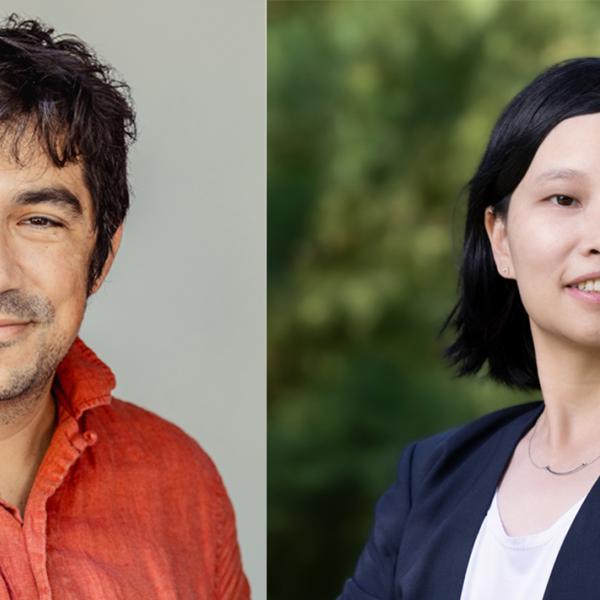
Peter Dahlberg has combined two complex imaging techniques into one. The 2021 Panofsky Fellow adds cryo-ET and biosensors to fluorescence microscopy to give context to high-resolution images of individual proteins in cells.
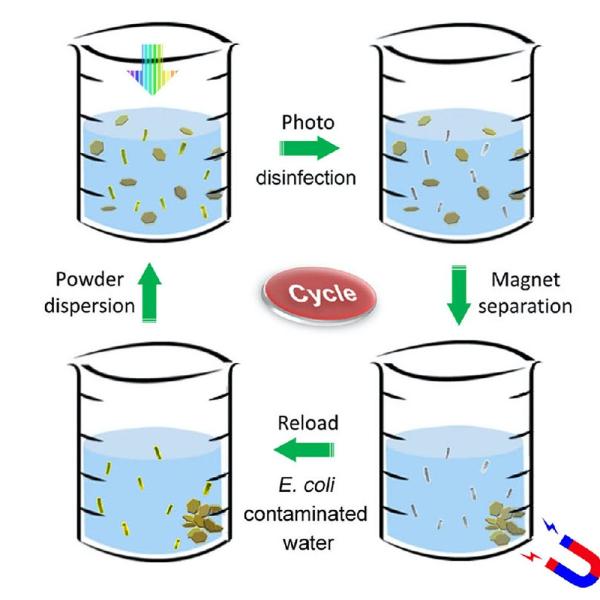
A low-cost, recyclable powder can kill thousands of waterborne bacteria per second when exposed to sunlight. Stanford and SLAC scientists say the ultrafast disinfectant could be a revolutionary advance for 2 billion people worldwide without access to safe drinking water.
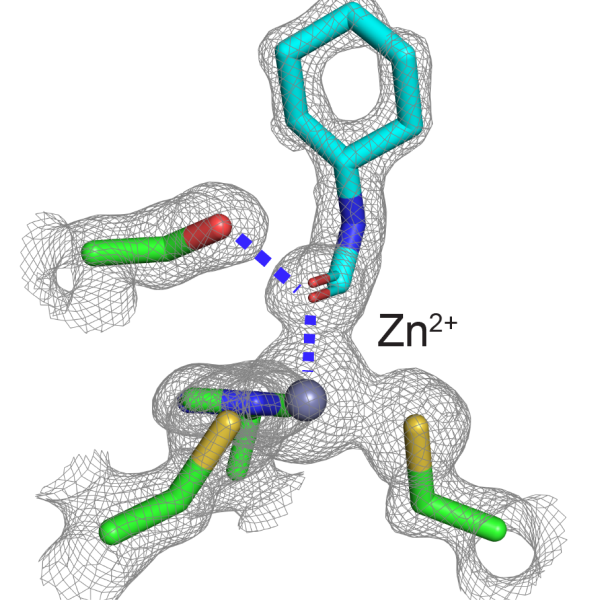
A swap of metals and a mutation ramp up the electric field strength at the active site of an enzyme, making it works an astonishing 50 times faster than its unmodified analog.
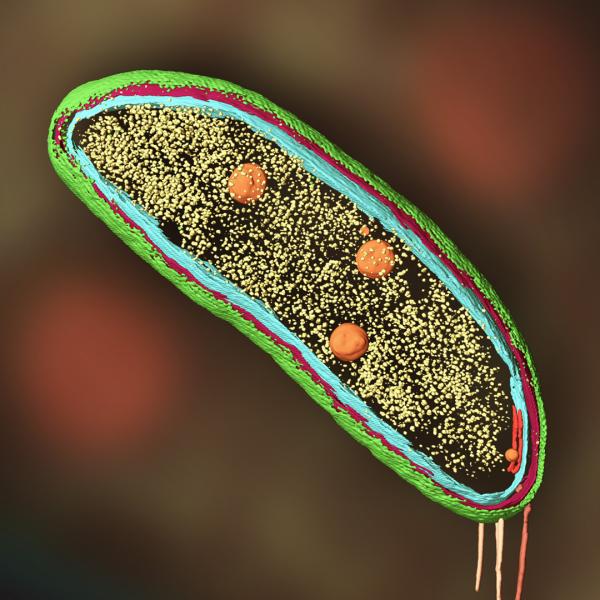
Tiny microbes and molecular machines have an outsized impact on human health, and they play key roles in the vast global cycles that shape climate and make carbon and nitrogen available to all living things. SLAC biology advances our understanding...
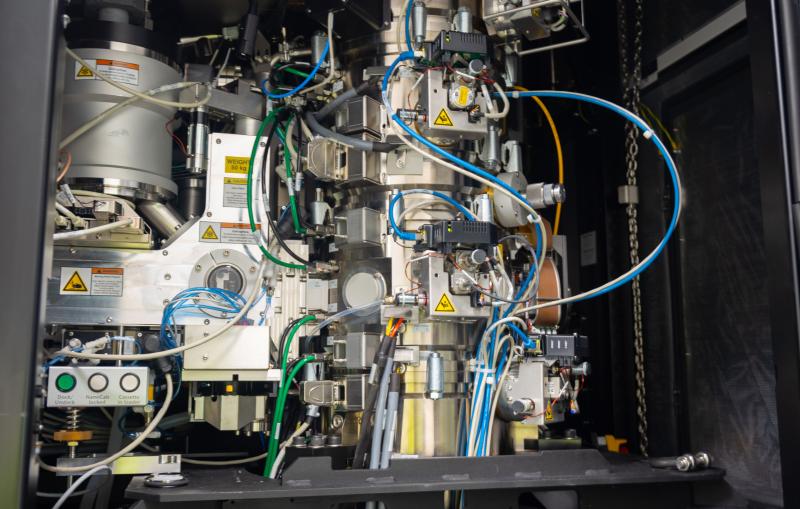
The CryoEM (cryogenic electron microscopy) facility at SLAC, built and operated in partnership with Stanford University, is equipped with multiple state-of-the-art instruments for cryoEM.