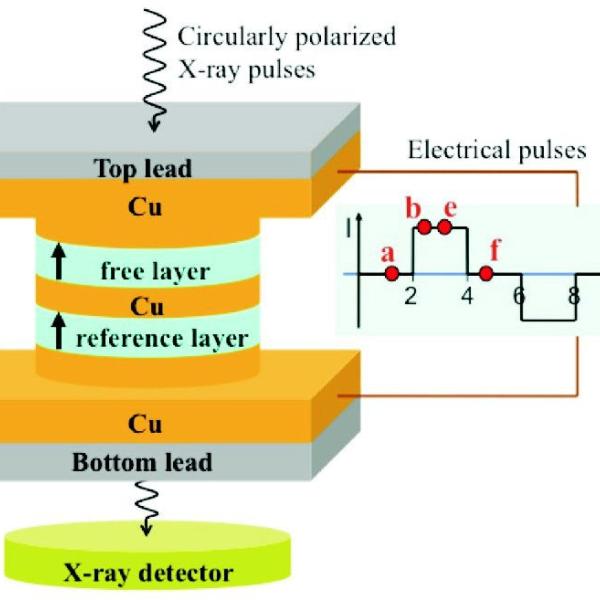
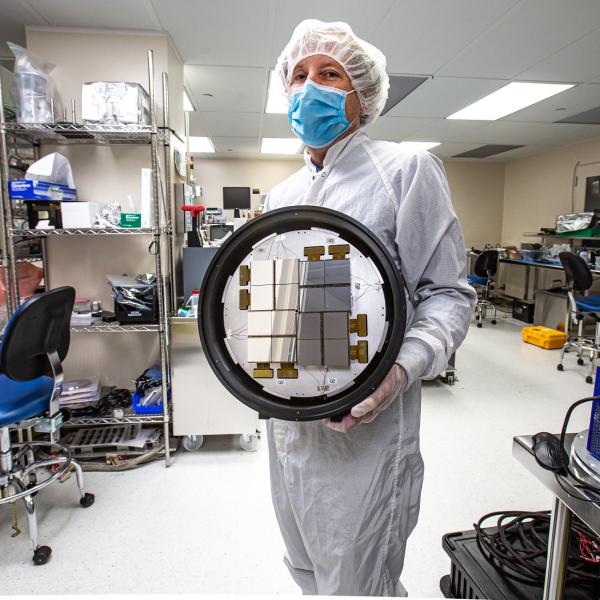
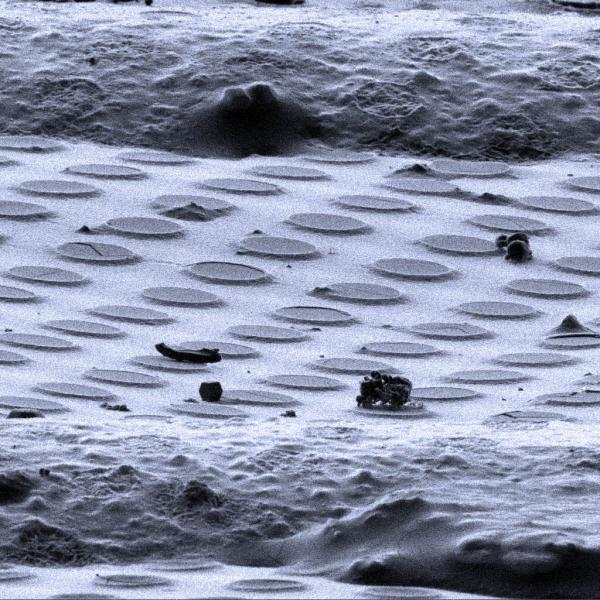
“Smaller, faster, cheaper" is Silicon Valley's mantra for progress. But as critical components shrink to near atomic dimensions, it’s becoming much more difficult for their developers to understand exactly how they operate before committing to product design and manufacturing.
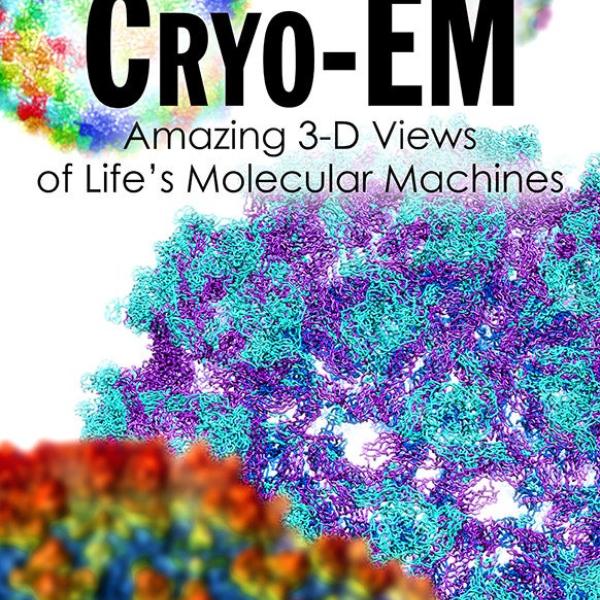
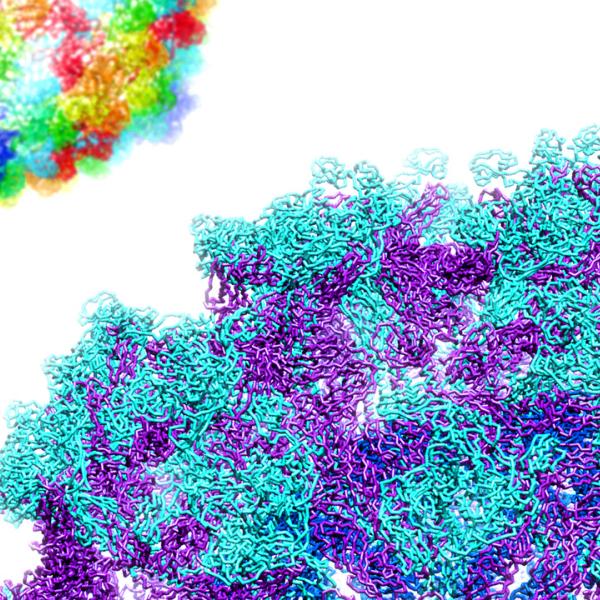
The ribosome, found in all living cells, is the molecular machine that builds proteins. It faithfully attaches together amino acids – the building blocks of proteins – in the order determined by messenger RNA molecules, which in turn follow the...
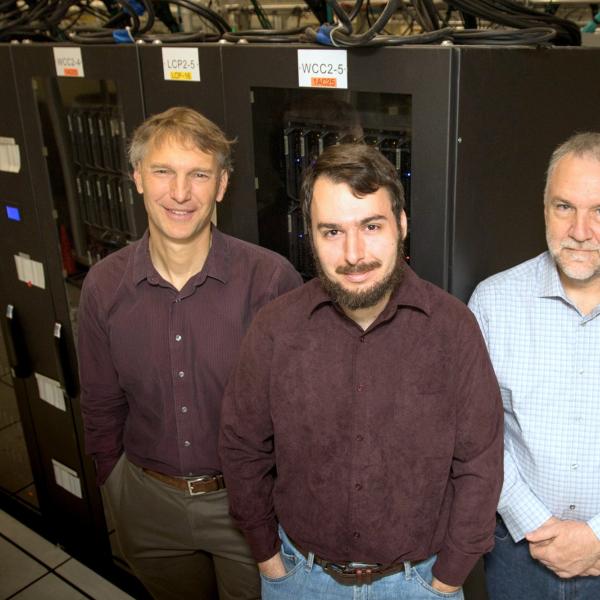
As members of the lab’s Computer Science Division, they develop the tools needed to handle ginormous data volumes produced by the next generation of scientific discovery machines.
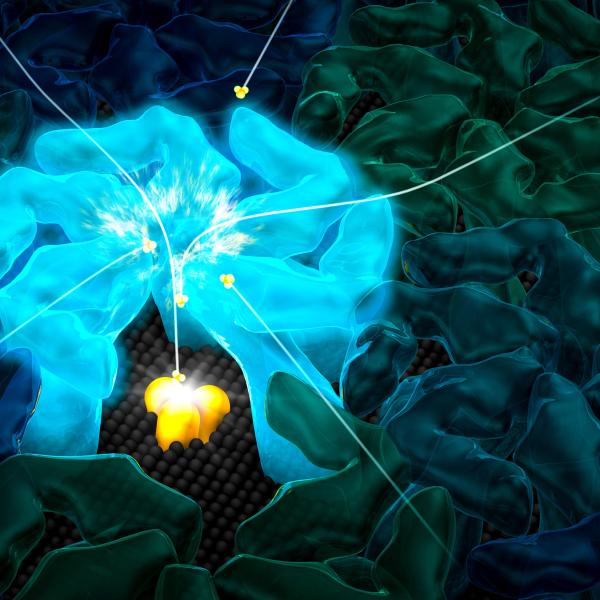
An artist’s depiction of a tiny pore in the crystalline shell of an ammonia-eating archaea microbe; surrounding proteins are shown in blue. The pore’s negative charge attracts ammonium ions from the environment, which interact with an enzyme complex (yellow) to...
Cornelius Gati and other researchers were studying a protein thought to be important for the progression of tuberculosis when they made a strange discovery, unlike anything scientists have seen before: a giant cavity that could transport a wide range of...
A battery's liquid electrolyte clings to small holes in a cryo-EM sample holder. The electrolyte will be fast-frozen into a glassy state to preserve its contents for study with the cryo-EM electron beam.