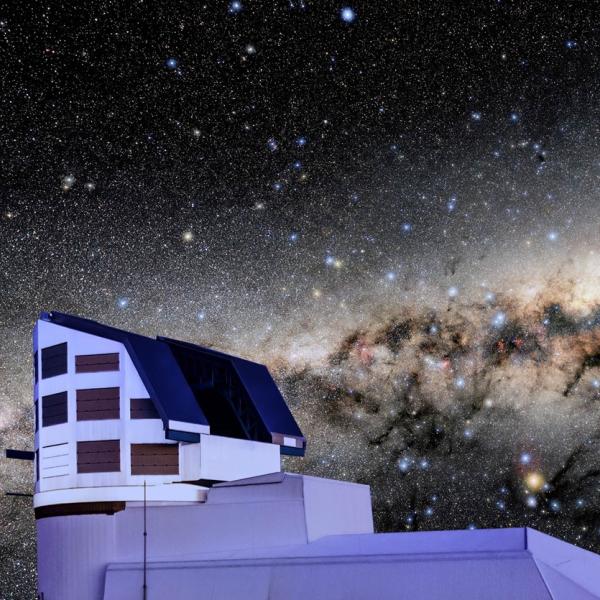
NSF–DOE Vera C. Rubin Observatory is about to embark on its quest to capture the cosmos, marking the culmination of decades of work by thousands of people across the globe.
With survey operations set to begin this fall, the Rubin control room at SLAC will serve as a key hub for training and remote observing support for the NSF–DOE Vera C. Rubin Observatory.
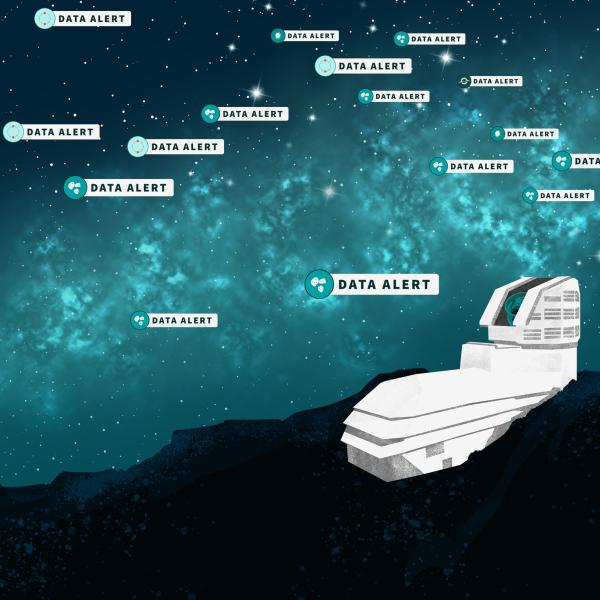
NSF-DOE Rubin Observatory has issued its first scientific alerts, marking a historic milestone in astrophysics and kicking off a new era of dynamic, real-time observation of the night sky.
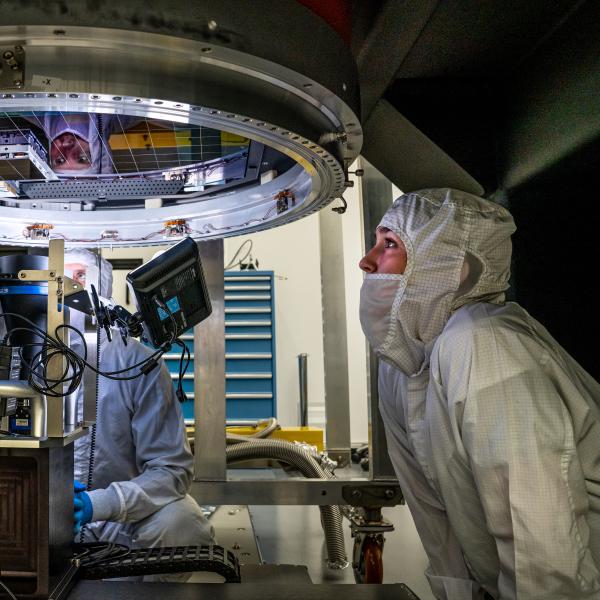
The world’s biggest digital camera was built at SLAC, and shipped to the NSF-DOE Vera C. Rubin Observatory in northern Chile last year. This observatory has a goal no less ambitious than to map the entire the southern sky and...
SLAC scientists played key roles in leadership, survey design, cosmological applications, studies of dark matter and of links to the cosmic microwave background.
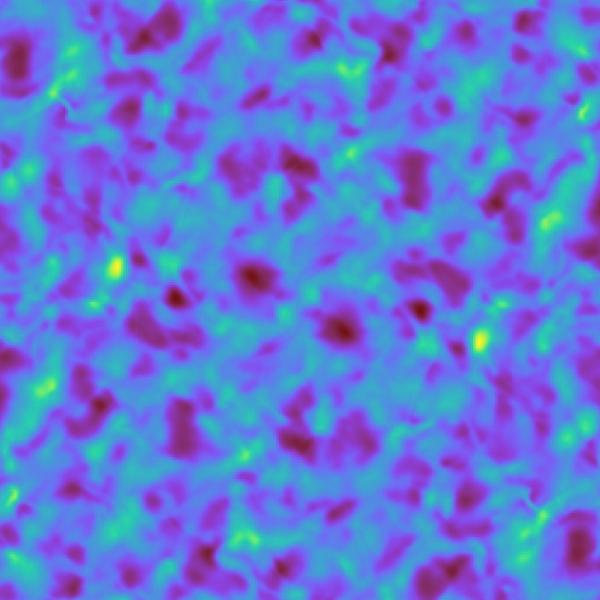
An international team of researchers simulated magnetic forces in the early universe and found they could bridge the gap between the observed and calculated rates of the universe’s expansion.
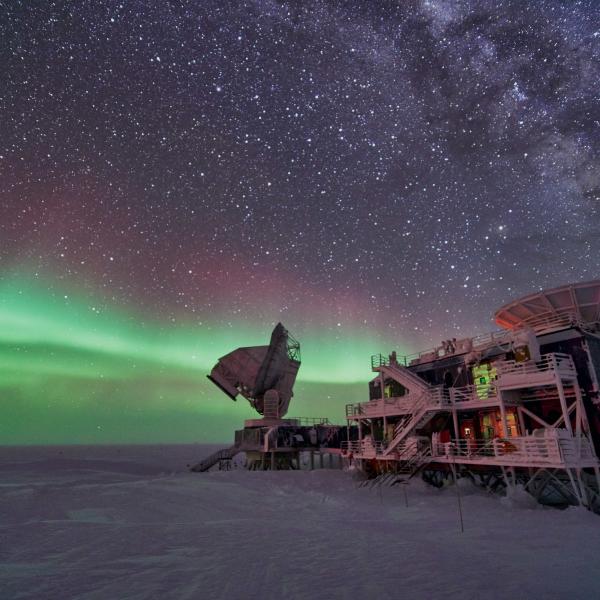
This week 200 members of the Cosmic Microwave Background Stage-4 (CMB-S4) collaboration are meeting at SLAC to focus on the continuing development of this science research project. CMB-S4 and the next generation telescopes will provide measurements of the cosmic...