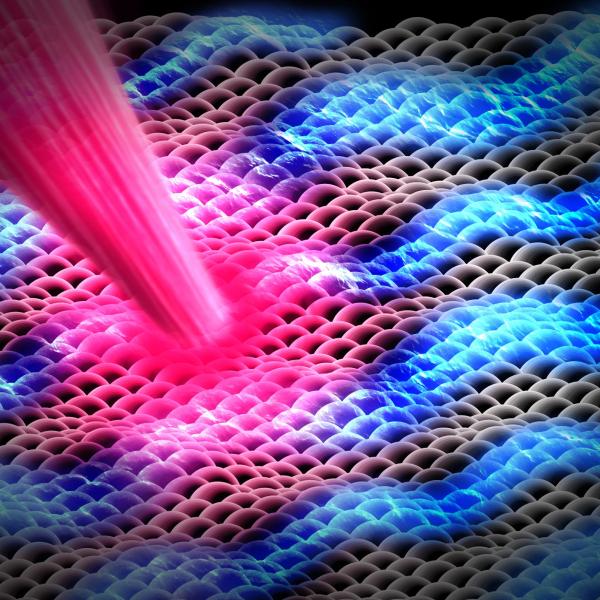
Researchers used SLAC’s ultrafast electron diffraction (UED) as an electron camera to take snapshots of a three-atom-thick layer of a promising material as it wrinkles in response to a laser pulse.
This video explains the basics of how scientists at SLAC National Accelerator Laboratory use powerful X-rays from the Linac Coherent Light Source to make molecular movies.
SLAC National Accelerator Laboratory is responding to the coronavirus crisis by imaging disease-related biomolecules, developing standards for reliable coronavirus testing and enabling other essential research. As the world grapples with COVID-19, SLAC scientists are turning their attention to SARS-CoV-2, the...
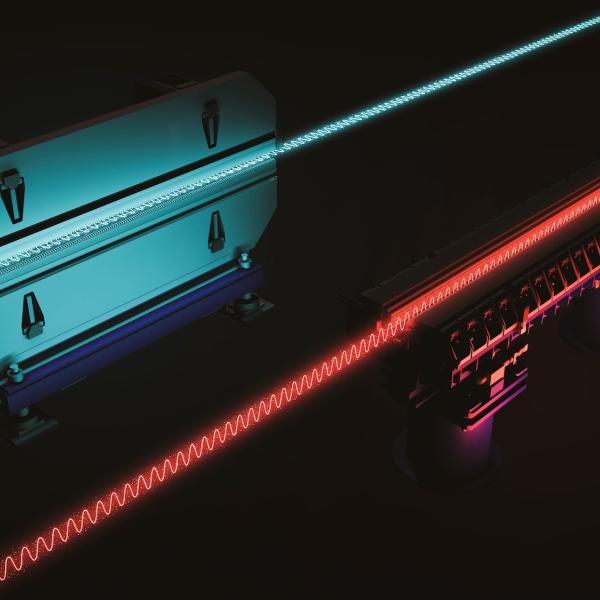
The second phase of a major upgrade project is now online at SLAC’S Linac Coherent Light Source (LCLS). On Saturday, scientists ushered an electron beam through a new undulator to produce “soft” X-rays (left). This follows the upgraded facility’s first...
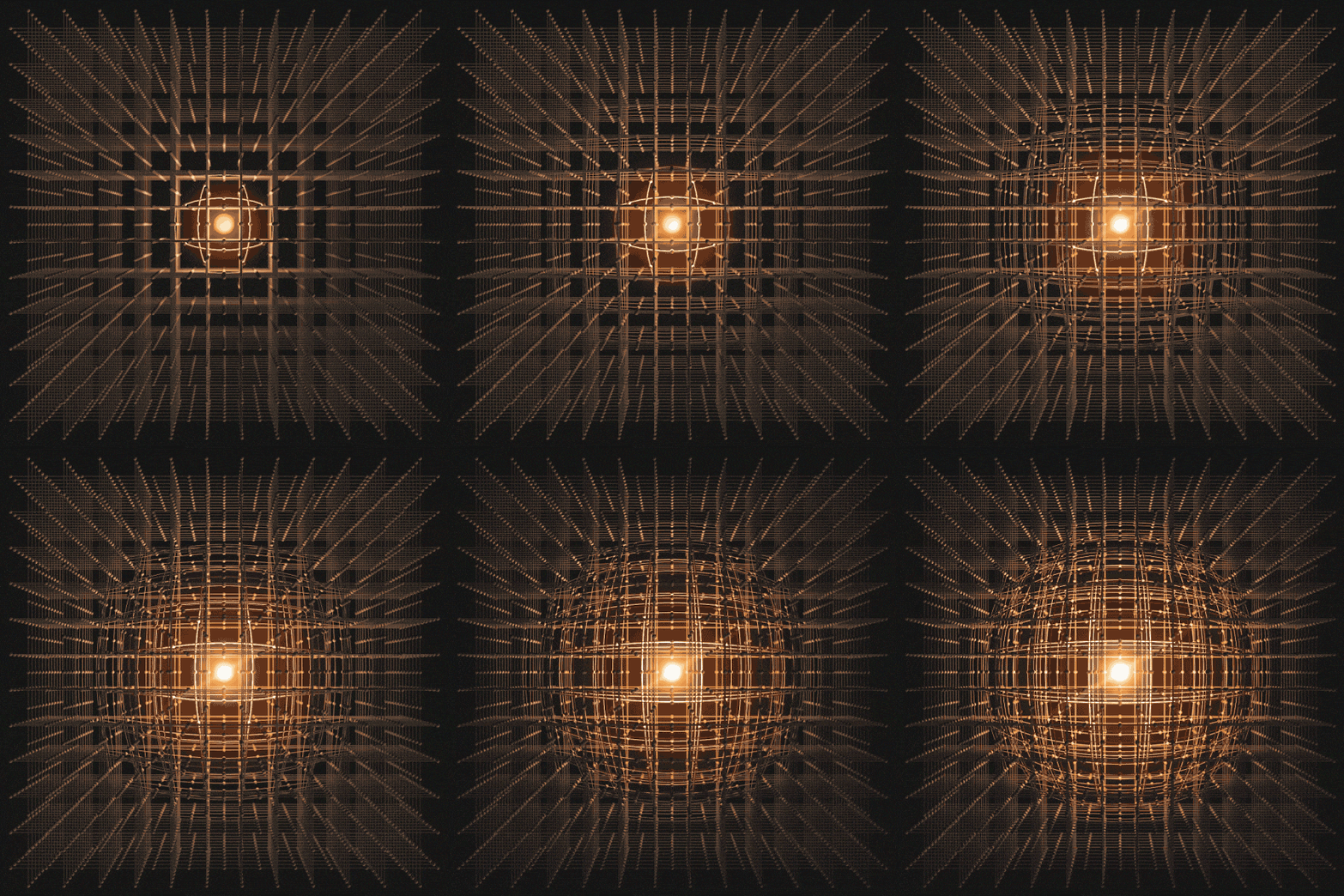
An illustration shows polarons – fleeting distortions in a material’s atomic lattice ––in a promising next-generation energy material, lead hybrid perovskite.
As this animation shows, polaronic distortions start very small and rapidly expand outward in all directions to a diameter of about 5 billionths of a meter, which is about a 50-fold increase. This nudges about 10 layers of atoms slightly...
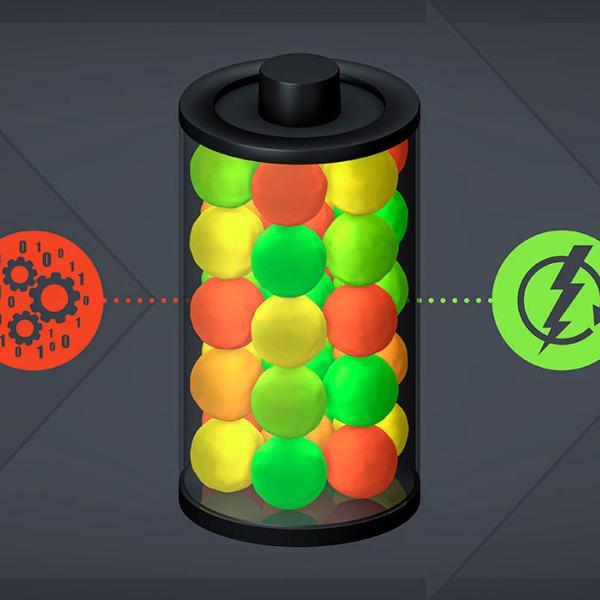
Diagram with icons depicting how X-ray studies, machine learning and lab work (left) were used to study electrode nanoparticles (center) for batteries used in electric vehicles, consumer electronics and solar power (right).