SLAC topics

X-ray science RSS feed

X-ray studies at SLAC facilities help scientists understand the fundamental workings of nature by probing matter in atomic detail.

atoms forming a tentative bond
Feature

A new theory and computer simulation by SLAC and Stanford researchers rule out high-energy magnetic interactions as a major factor in making copper oxide...

Photo - Researchers at SLAC
Feature

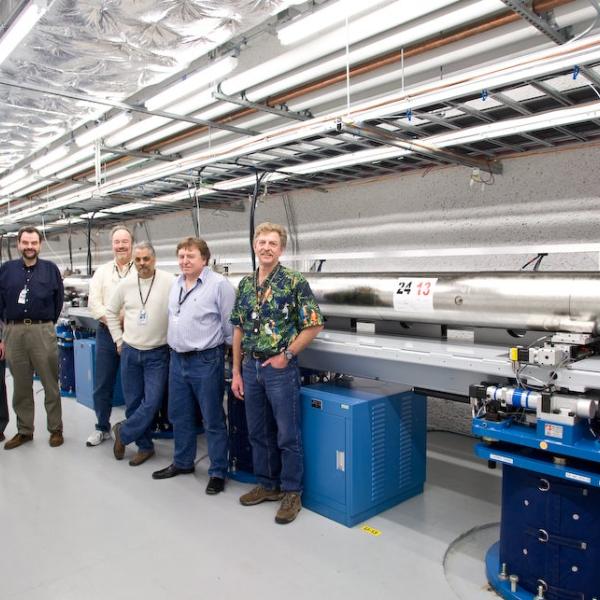
Five years ago, the brightest source of X-rays on the planet lit up at SLAC. The Linac Coherent Light Source (LCLS) X-ray laser's scientific...

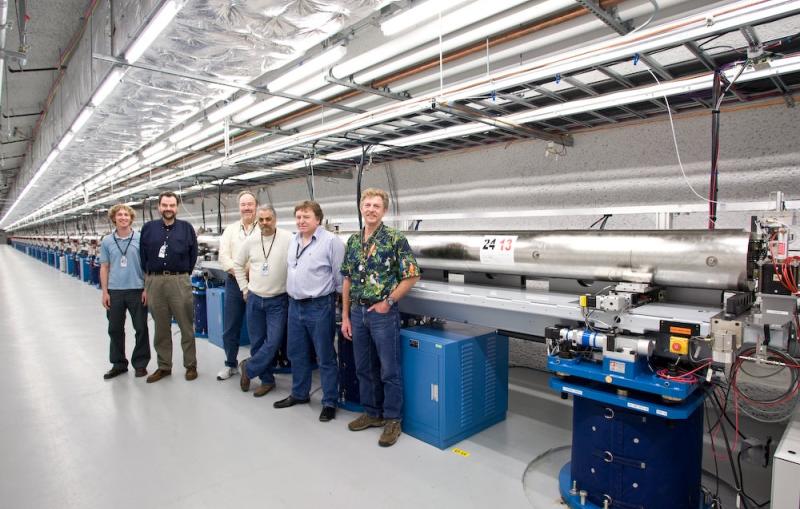
Image - Some of the LCLS team members stand by the newly installed undulators in this 2009 photo. From right: Mike Zurawel, Geoff Pile from Argonne National Laboratory, Paul Emma, Dave Schultz, Heinz-Dieter Nuhn and Don Schafer. (Brad Plummer)
Feature

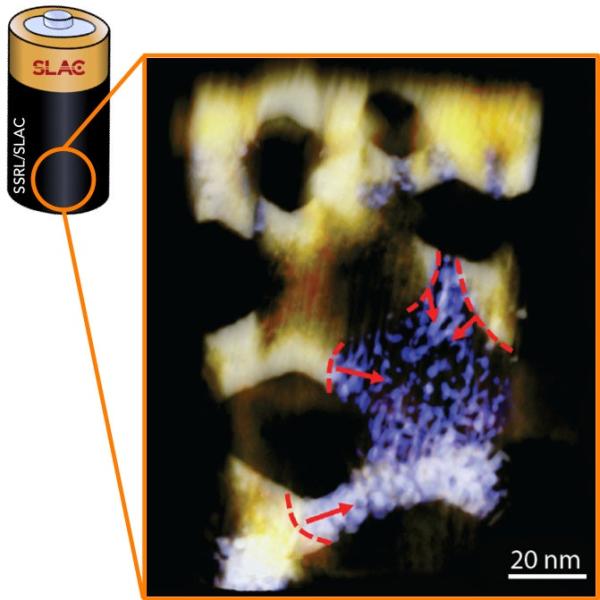
Windows that darken to filter out sunlight in response to electric current, function much like batteries. Now, X-ray studies at SLAC provide a crystal-clear...

lithium ions interact with an ultrathin sheet of nickel oxide
Feature

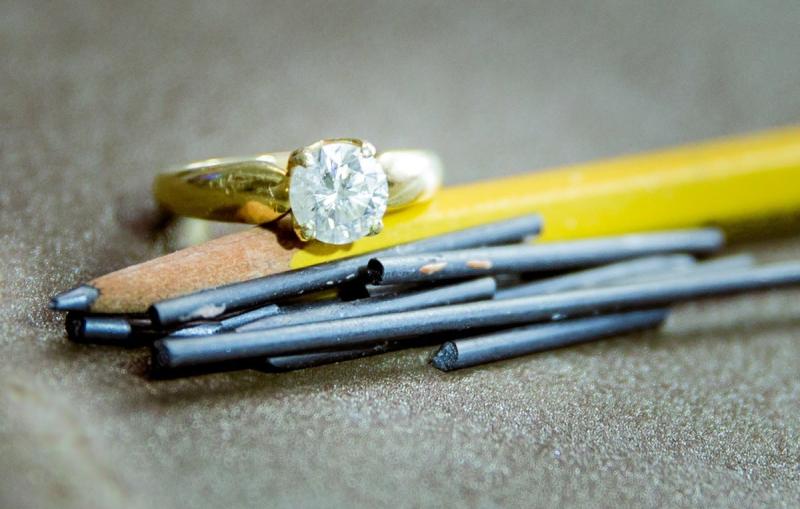
SLAC researchers have found a new way to transform graphite into diamond. The approach may have implications for industrial applications ranging from cutting tools...

Feature

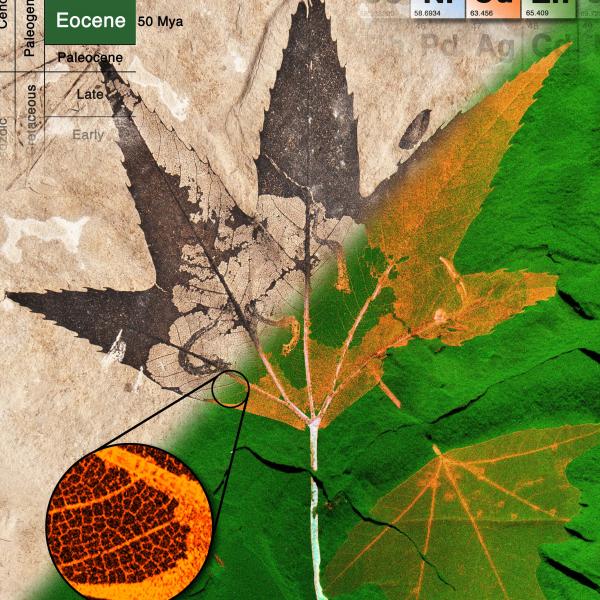
X-ray studies conducted at SLAC and in the United Kingdom have resurrected the detailed chemistry of 50-million-year-old leaves from fossils found in the western...

A composite optical and X-ray image (red is copper, green is zinc, blue is nickel) of a 50-million-year-old leaf fossil. Trace metals correlate with the leaf's original biological structures. Also visible are ancient caterpillar feeding tubes.
News Release

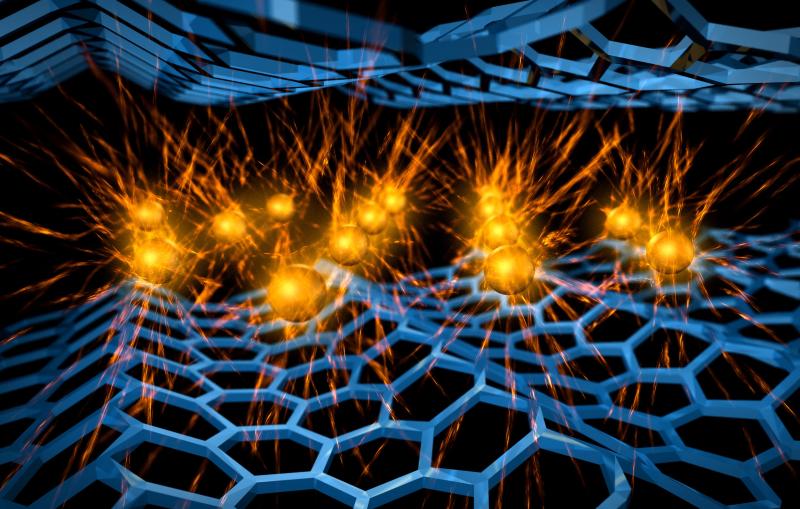
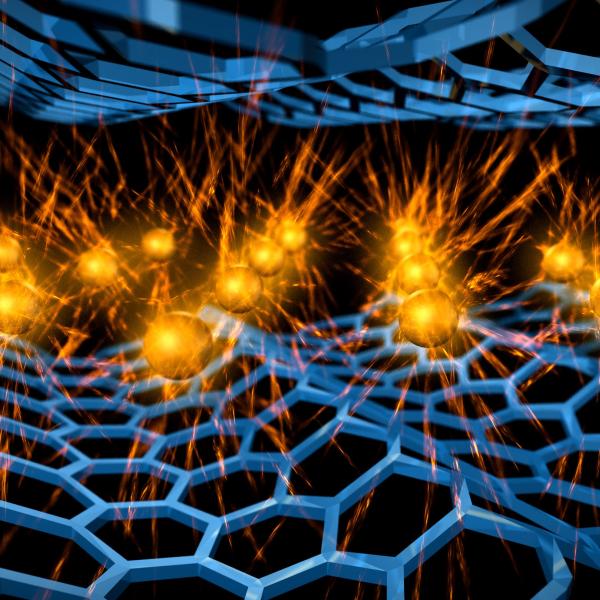
Scientists have discovered a potential way to make graphene – a single layer of carbon atoms with great promise for future electronics – superconducting...

Superconducting Graphene Layers
Feature

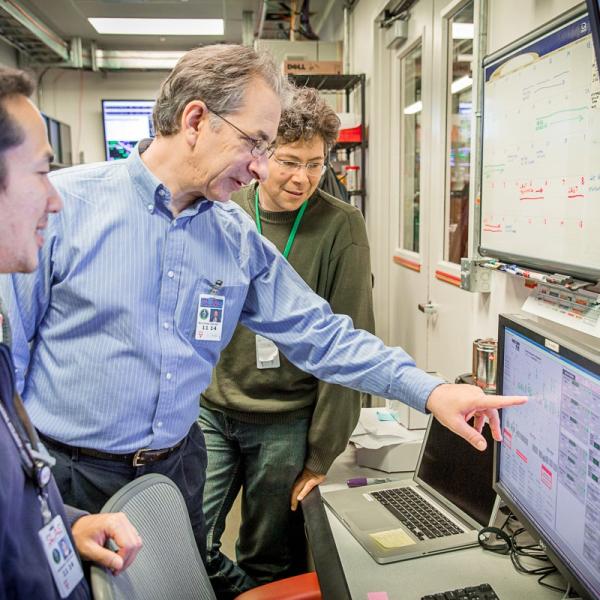
A new tool for analyzing mountains of data from SLAC’s Linac Coherent Lightsource (LCLS) X-ray laser can produce high-quality images of important proteins using...

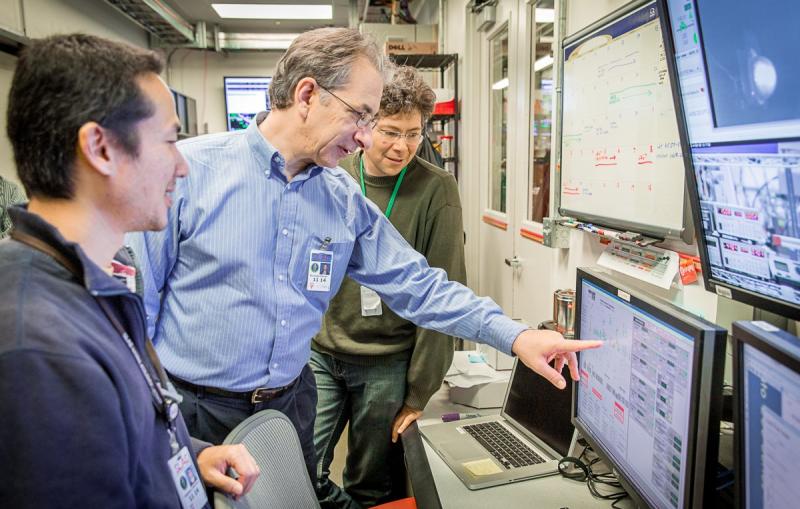
Photo - Nicholas Sauter, middle, points to a monitor during an experiment this month at SLAC's Linac Coherent Light Source X-ray laser.
Feature

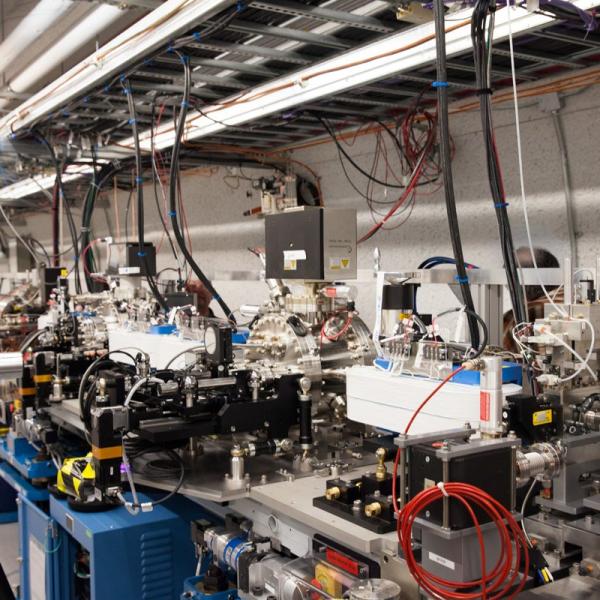
A new system at SLAC National Accelerator Laboratory's X-ray laser narrows a rainbow spectrum of X-ray colors to a more intense band of light...

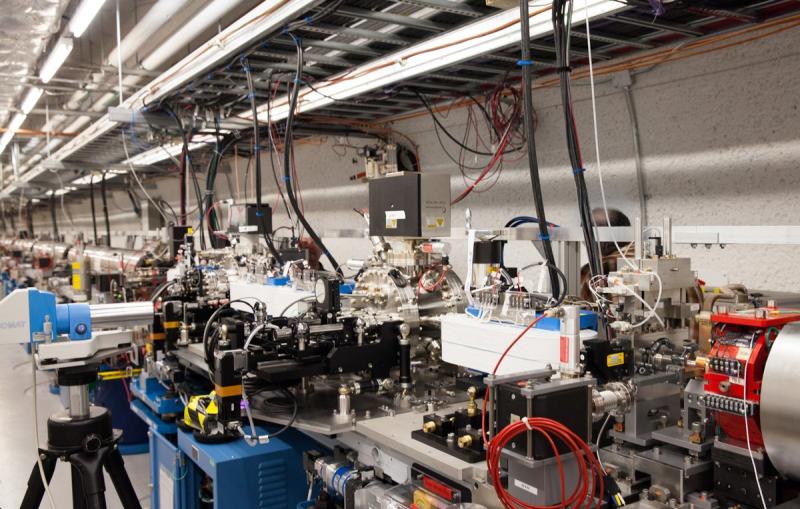
Photo - A view of the soft X-ray self-seeding system during installation in the Undulator Hall at SLAC's Linac Coherent Light Source X-ray laser. (Brad Plummer/SLAC)
Feature

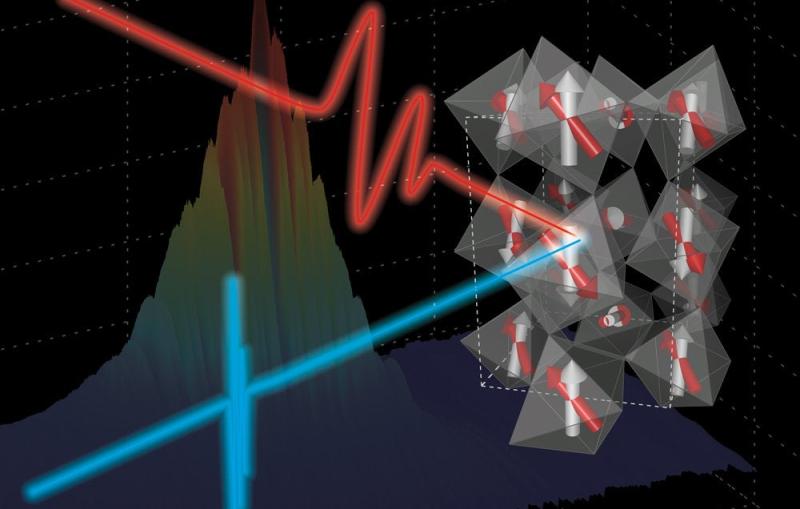
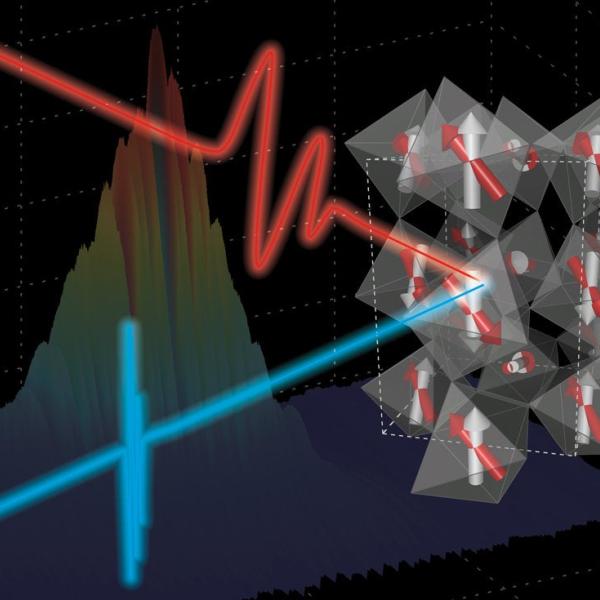
An experiment at SLAC’s X-ray laser has revealed the first atomic-scale details of a new technique that could point the way to faster data...

Image - A laser-driven electric pulse excites a magnetic response in a multiferroic material that is measured by SLAC's X-ray laser pulse (blue).
Feature

Growing up in China shortly after the Cultural Revolution, Zhirong Huang may have been the only middle-school child in Beijing who knew anything about...

Zhirong Huang, associate professor of physics
Feature

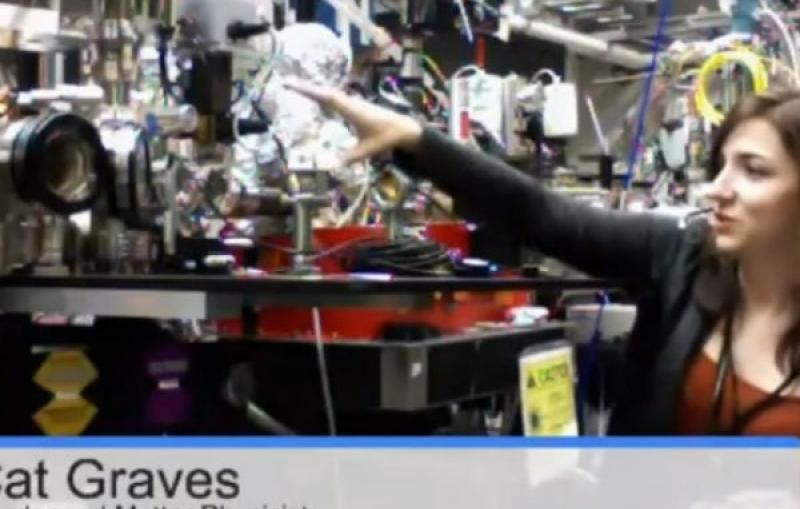
Teachers are using Google+ to bring their classes behind the scenes at national laboratories and to teach students about careers in STEM.

Feature

While this particular material is very unstable, the research shows it may be possible to find a material with the properties graphene has to...

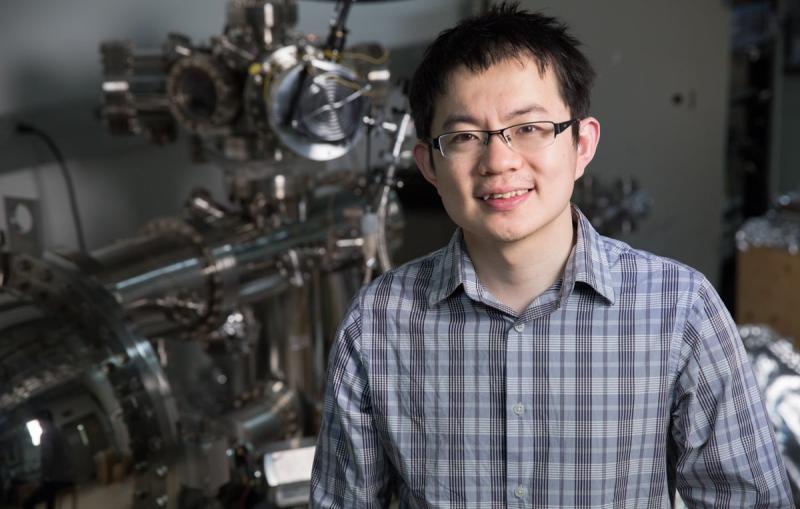
photo of zhongkai liu