

SLAC topics

Chemistry and catalysis RSS feed

Catalysts are the unsung heroes of chemistry, accelerating reactions used to make fertilizers, fuels and consumer products. Our work aims to make catalysts more efficient and reduce the use of fossil fuels.

Related link: Energy sciences

Browse tagged content below

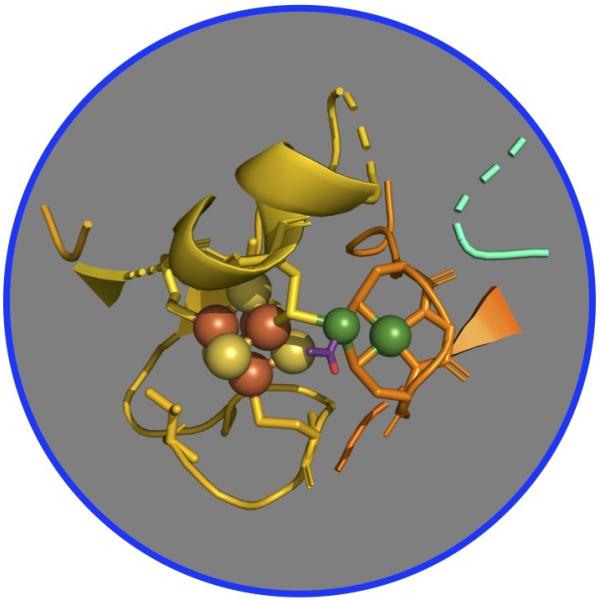
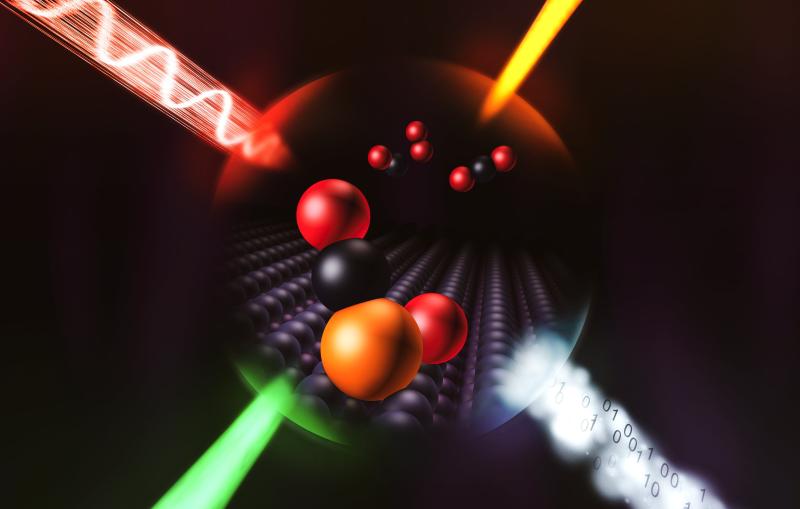
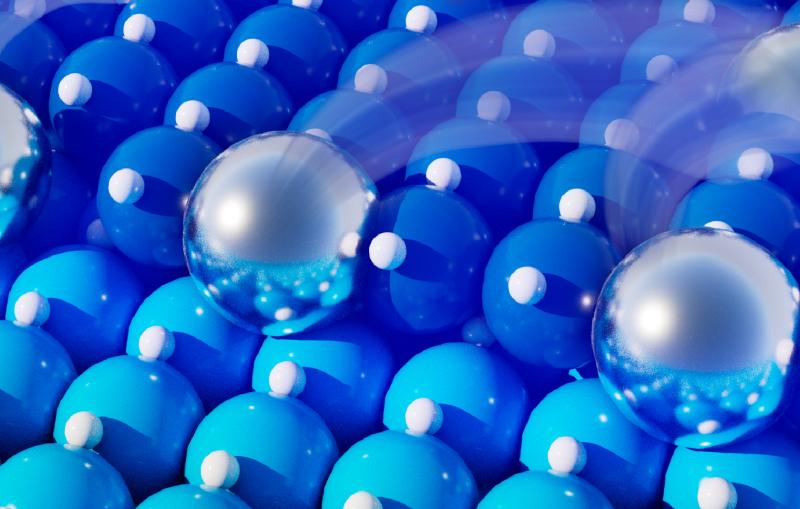
Depiction of four techniques used to study a single-atom catalyst.
Feature

Two GEM Fellows reflect on their summer internships at SLAC and share their thoughts on representation and mentorship.

Nate Keyes and Zariq George
Feature

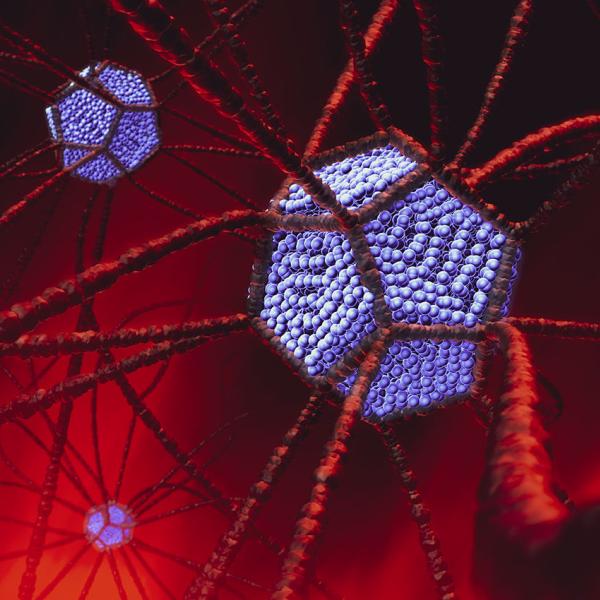
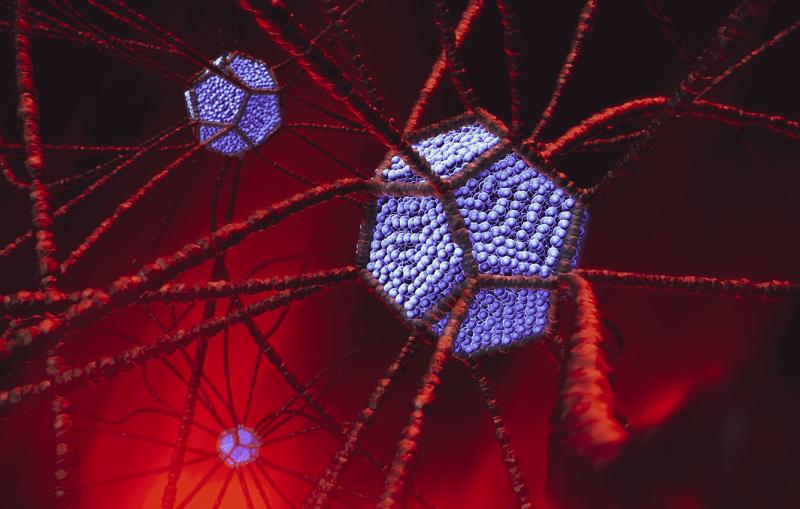
Encapsulating precious-metal catalysts in a web-like alumina framework could reduce the amount needed in catalytic converters – and our dependency on these scarce metals.

A web of red material encapsulates blue polyhedrons.
Illustration

Studies of atomic-level processes that drain battery life and efficiency help improve battery performance. 

Studies of atomic-level processes that drain battery life and efficiency help improve battery performance.

Illustration
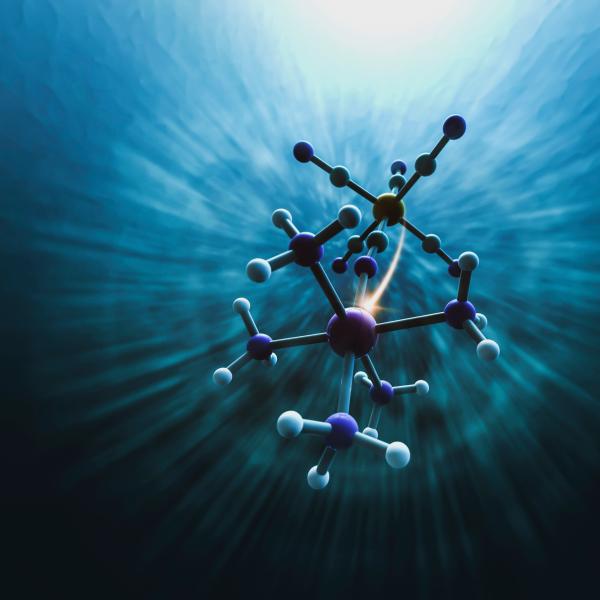
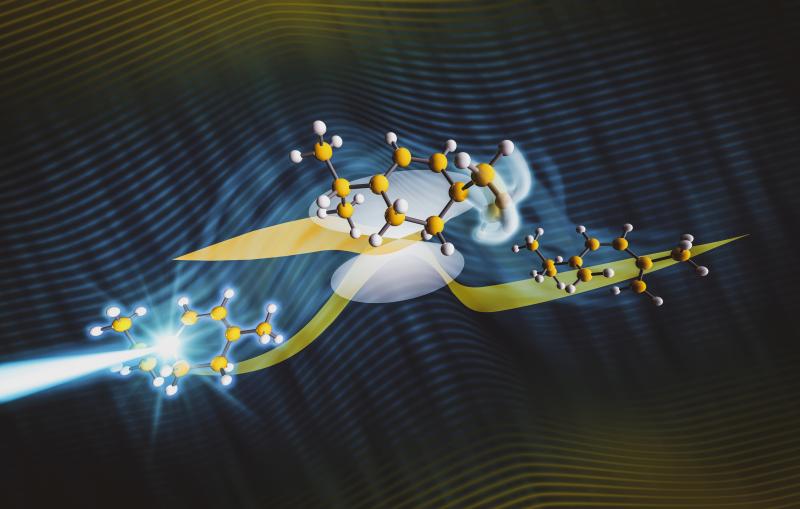
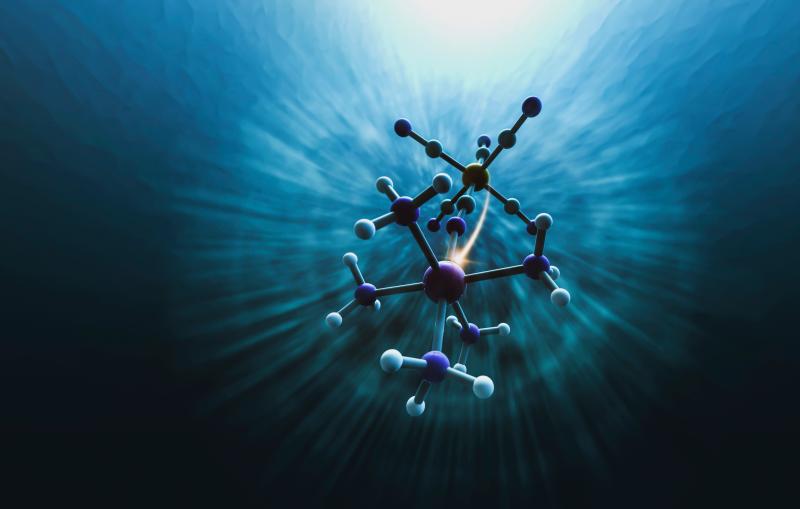
When light drives electron transfer in a molecular complex, the surrounding solvent molecules also rapidly move.
Illustration

Identifying each tiny chemical step in photosynthesis could aid the development of renewable energy technology.

Identifying each tiny chemical step in photosynthesis could aid the development of renewable energy technology.
Illustration

Scientists use a series of magnets to transform an electron bunch into a narrow current spike which then produces a very intense attosecond X-ray...

XLEAP illustration
Illustration

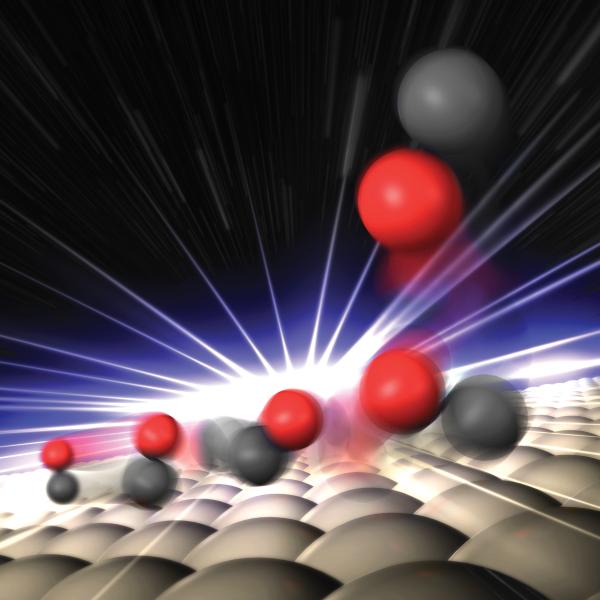
The ultrafast, ultrabright X-ray pulses of the Linac Coherent Light Source (LCLS) have enabled unprecedented views of a catalyst in action, an important step...
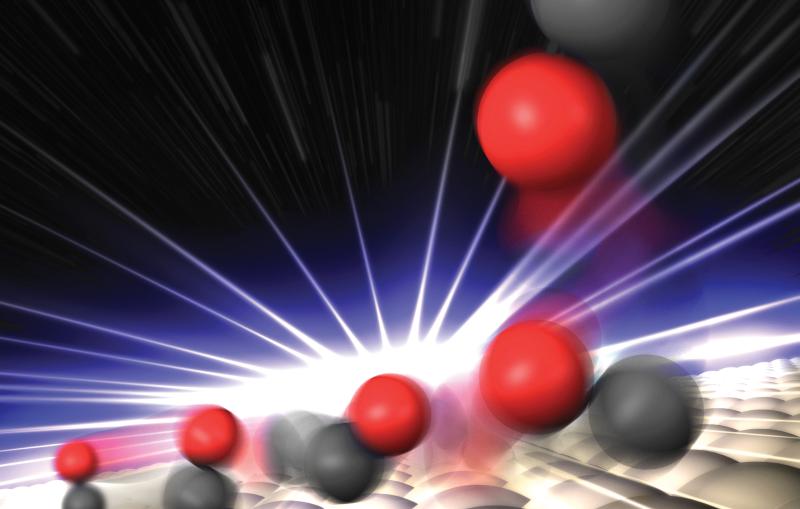
Nilsson science cover
Photograph

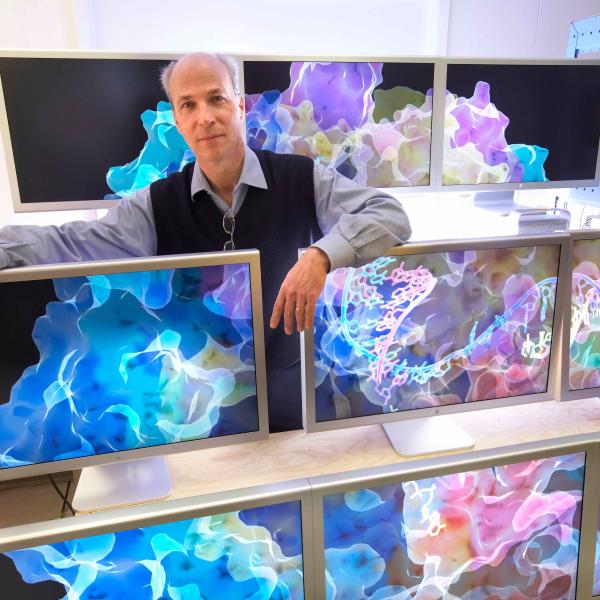
Stanford’s Roger Kornberg received the 2006 chemistry Nobel for work on RNA transcriptase, shown on screens. 
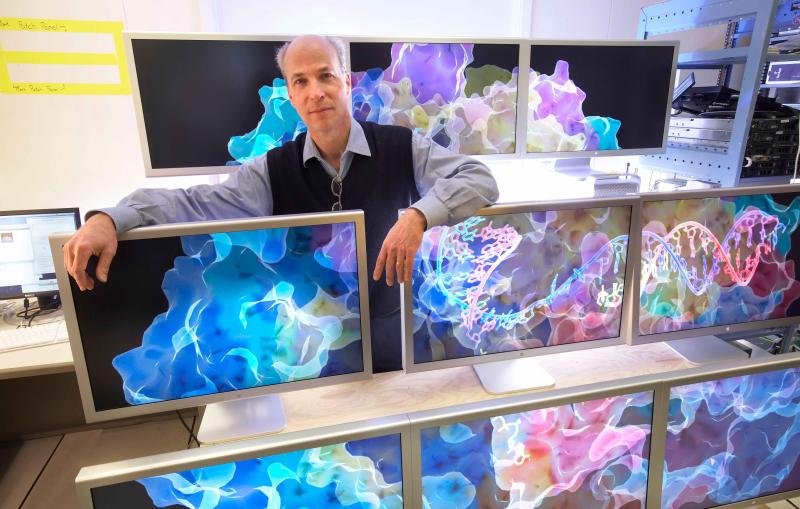
Roger Kornberg received the 2006 chemistry Nobel for work on RNA transcriptase
SLAC Science Explained

Molecular movie-making is both an art and a science; the results let us watch how nature works on the smallest scales.

Molecular movie filmstrip.
Feature

By revealing the chemistry of plant secretions, or exudates, these studies build a basis for better understanding and conserving art and tools made with...

Plant secretion from what is called "grass tree."
Feature

Researchers discover that a spot of molecular glue and a timely twist help a bacterial enzyme convert carbon dioxide into carbon compounds 20 times...

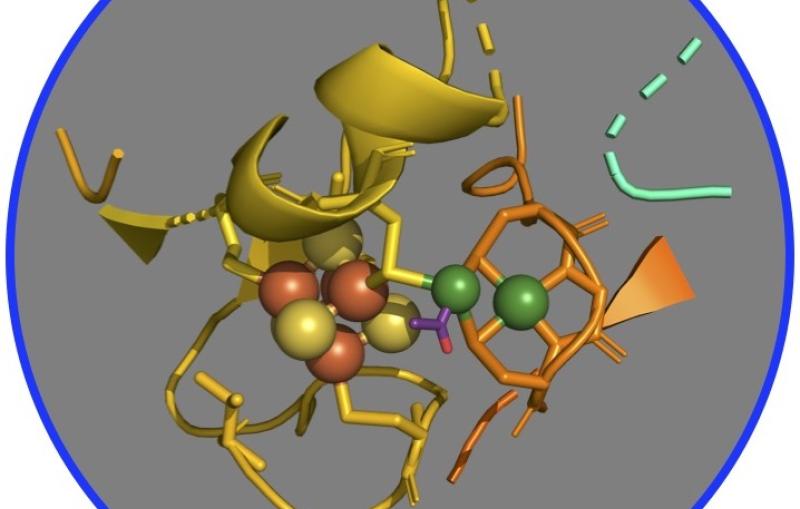
An illustration shows the pocket in an enzyme called ECR where the carbon fixing reaction takes place.
Feature

Less than a millionth of a billionth of a second long, attosecond X-ray pulses allow researchers to peer deep inside molecules and follow electrons...

Illustration of attosecond coherent electron motions.