SLAC topics

Stanford Synchrotron Radiation Lightsource (SSRL) RSS feed

SSRL is a pioneering synchrotron radiation facility known for outstanding science, technological innovation and user support. It provides extremely bright X-rays that scientists use for a wide range of research that probes matter on the scales of atoms and molecules.

Visit SSRL website

Browse tagged content

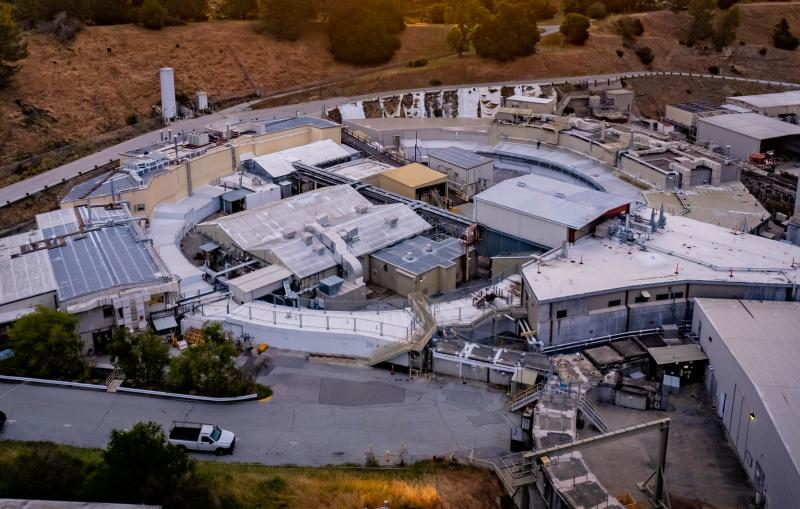
Aerial view of Stanford Synchrotron Radiation Lightsource (SSRL)
Video
Stanford and SLAC researchers are using our synchrotron (SSRL) to help uncover how and why batteries degrade, develop next-gen materials, and make them safer...
Video
News Brief

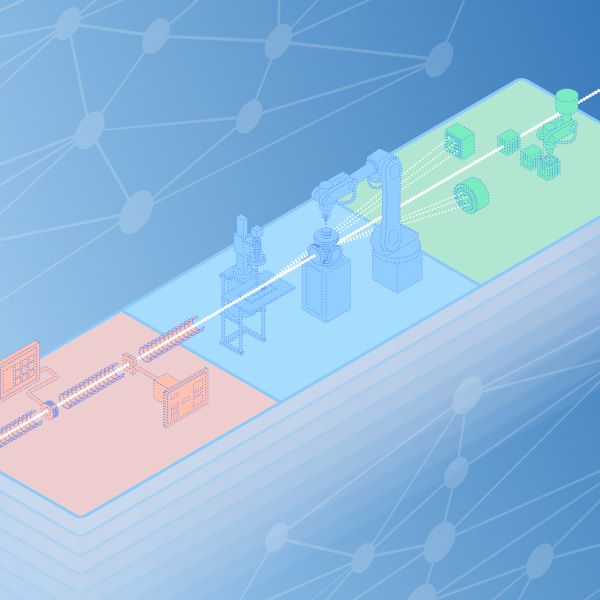
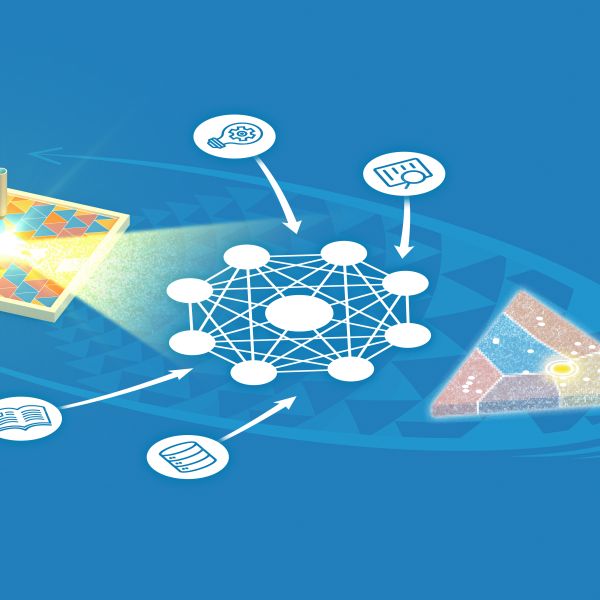
In a SLAC-led study, four laboratories collaborated to ensure reproducibility in AI training data to predict new catalysts for future fuel production.

Graph against blue background representing results from experiments
Feature

The lab’s contributions to the national AI initiative are bolstered by its breakthrough scientific tools, unprecedented data and unique partnerships that help illuminate nature...

Sunrise over SLAC campus
News Brief

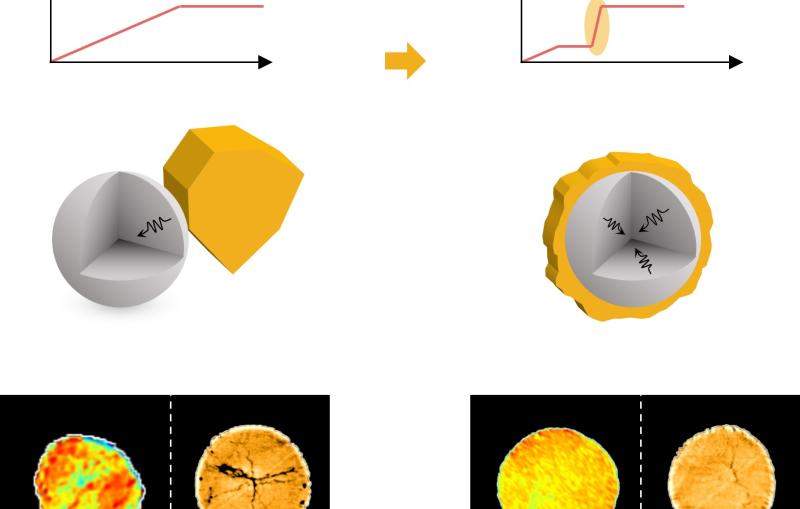
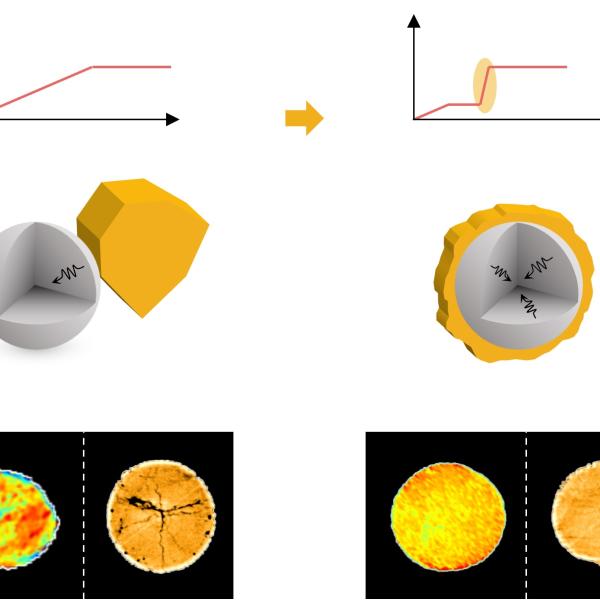
By adjusting the heating process when making lithium-ion cathodes, the team created batteries that retained nearly 93% of their energy after 500 cycles. 

Two line graphs with time axis, yellow arrow between them, 3D gray sphere with wedge beside yellow crystal, yellow-coated sphere on right, bottom panels showing uniform yellow-orange circular heat map and less-cracked orange circle, labeled "Uniform reaction, Homogeneous Ni states, Less cracked."
Video

Batteries power everything from medical devices to electronic devices, yet the core technology hasn't fundamentally changed in decades. At the SLAC-Stanford Battery Center, scientists...

Man in blue shirt standing in laboratory with battery diagram showing purple, blue, and yellow layers with text "Research at the SLAC-Stanford Battery Center."
Video
Feature

Their strategy revealed new details that open the door to designing proteins with powerful abilities that could ultimately benefit medicine and manufacturing. 

Illustration of proteins
News Brief

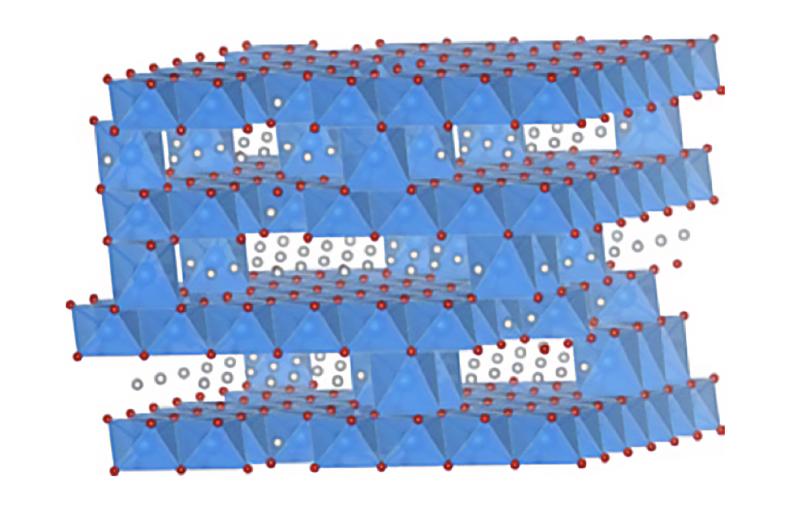
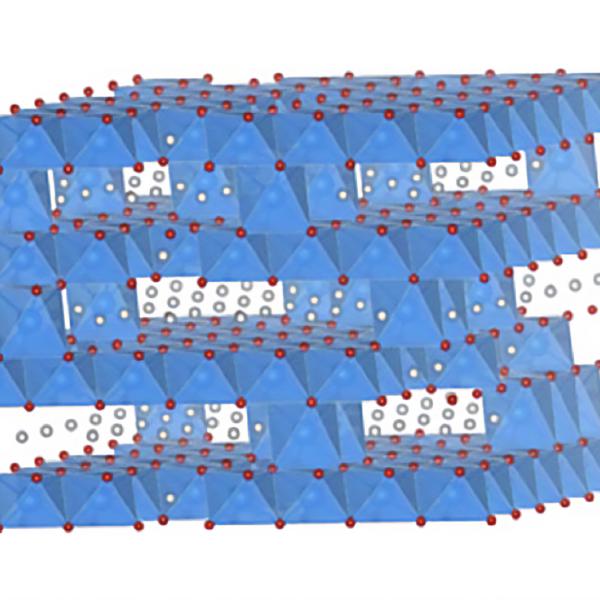
By instigating atomic disorder in lithium-ion battery materials, researchers created more stable materials that don’t expand, contract and degrade like traditional materials do.

Illustration of layers in a battery material
Feature

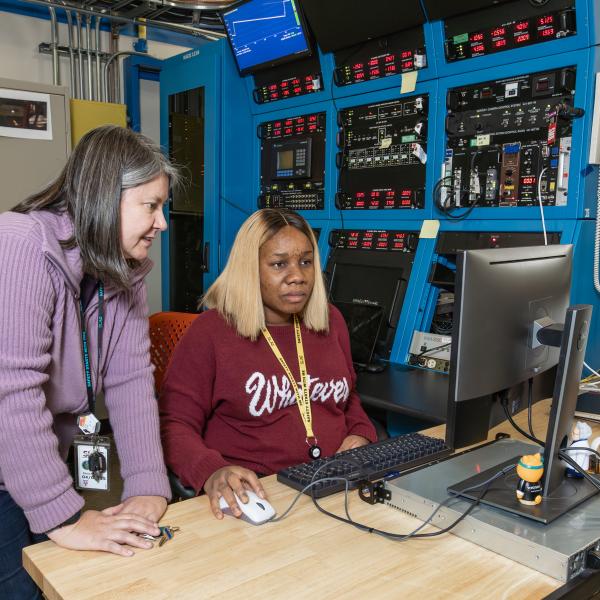
Making ‘magic’ happen with bright X-rays, SLAC’s Silvia Russi takes us into the world of a beamline scientist. 

One woman standing, a second woman sitting down at a computer.
News Brief

Researchers reveal why trace amounts of alloy added to some catalysts keep them performing better over time. The study suggests models that could boost...

Clustered orange spheres float beside a reflective gray plane, casting soft glows and reflections amid swirling ribbon-like streaks.
Feature

Derek Mendez and Xueli “Sherry” Zheng aim to accelerate drug discovery and improve energy storage.

Man and woman
Feature

SLAC experts discuss how microelectronics impacts our lives and where the future lies in this Q&A.

Angelo Dragone and Paul McIntyre
Feature

Salleo sees strength in the big picture and minute details of the people, tools and partnerships at SLAC.

Portrait of Alberto Salleo