


Accelerators form the backbone of SLAC’s national user facilities. They generate some of the highest quality particle beams in the world, helping thousands of scientists perform groundbreaking experiments each year.

Browse tagged content
Linac towards SLAC campus.
(Olivier Bonin/SLAC National Accelerator Laboratory)
“The Worlds Within” and “Fabrication of the Accelerator Structure,” now available digitally in high fidelity, tell the story of Stanford Linear Accelerator Center’s inception...
The SLAC Photowalk took a group of photographers, both amateur and professional, behind the scenes to photograph SLAC's world-class science facilities, including the world's...
This video explains how researchers at SLAC are using a method known as ultrafast electron diffraction (UED) to develop an atomic-level understanding of how...
“The Worlds Within” and “Fabrication of the Accelerator Structure,” now available digitally in high fidelity, tell the story of Stanford Linear Accelerator Center’s inception and construction.
The SLAC Photowalk took a group of photographers, both amateur and professional, behind the scenes to photograph SLAC's world-class science facilities, including the world's longest linear accelerator, the Linac Coherent Light Source (LCLS) and the Stanford Synchrotron Radiation Lightsource (SSRL)...
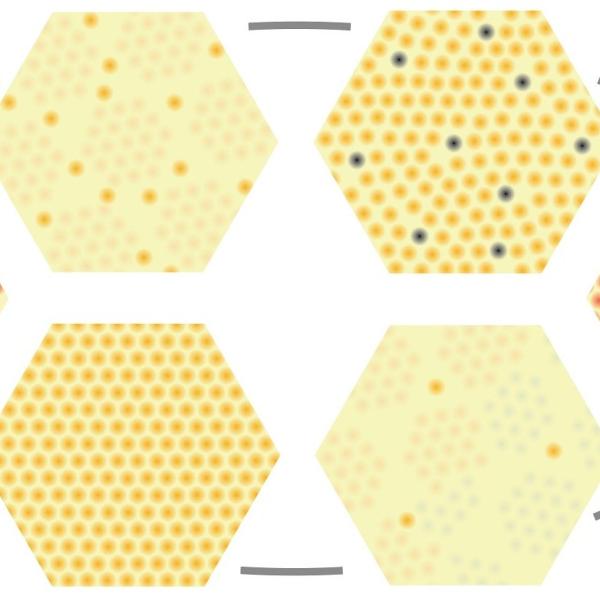
This video explains how researchers at SLAC are using a method known as ultrafast electron diffraction (UED) to develop an atomic-level understanding of how metals melt, which could help them design materials for applications where materials have to withstand extreme...
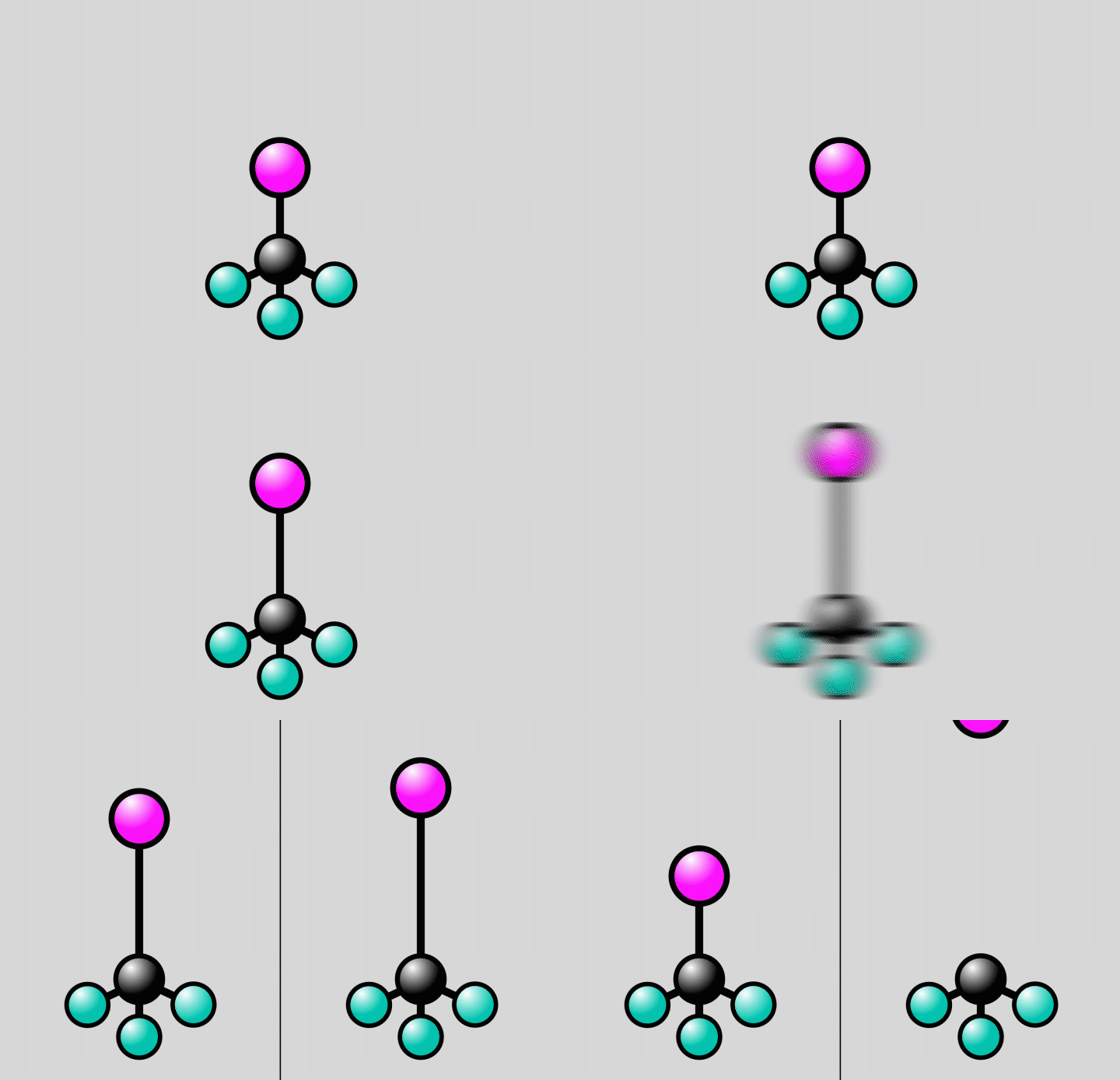
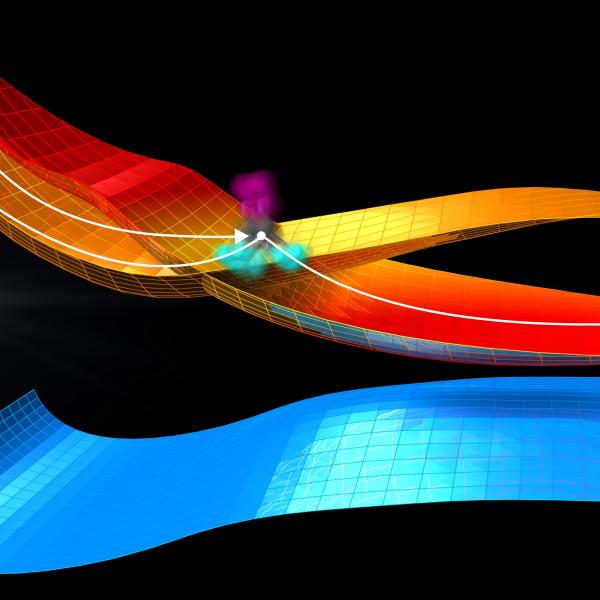
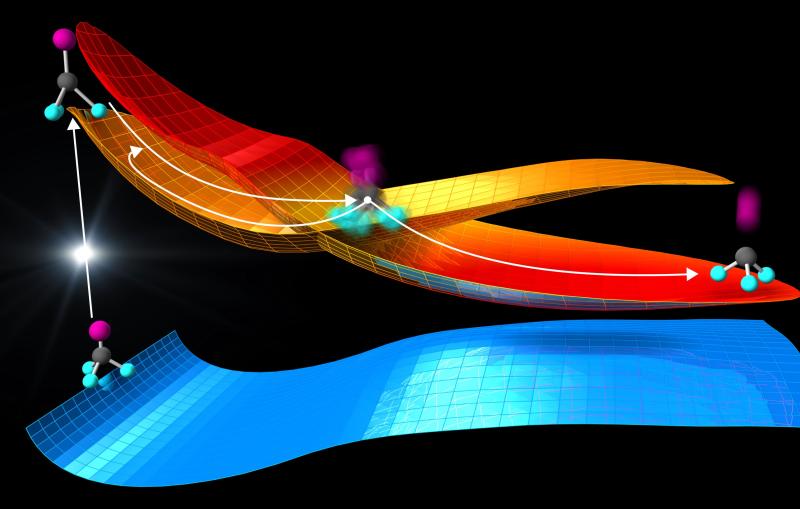
Animation of a trifluoroiodomethane molecule (carbon shown in black, fluoride in green, iodine in pink) responding to laser light. The light flash stretches the bond between the carbon and iodine atoms to a point where the bond can either break...