SLAC Topics

Rubin Observatory/LSSTCam RSS feed

The NSF-DOE Vera C. Rubin Observatory and the SLAC-built LSST Camera image the visible southern sky over and over for a decade, creating a vast archive of data that will advance our knowledge of dark energy and dark matter.

Related Link: 
LSST Camera: World’s largest camera for astrophysics
Browse tagged content

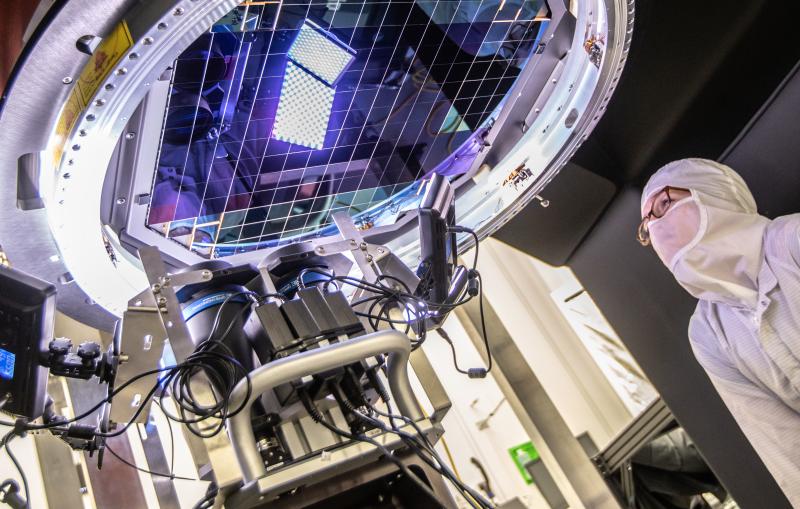
Vera C. Rubin Observatory LSST Camera Focal Plane Build 158
Feature

The lab’s contributions to the national AI initiative are bolstered by its breakthrough scientific tools, unprecedented data and unique partnerships that help illuminate nature...

Aerial photograph of SLAC campus at sunrise
News Brief

The long-time collaborator of SLAC joins the list that recognizes the impact, innovation and achievement of the world’s most influential individuals.

Tony Tyson photo with 2026 Time100 frame
Multimedia

This video breaks down how Rubin will run the Legacy Survey of Space and Time (LSST) and build a 10-year time lapse of the...

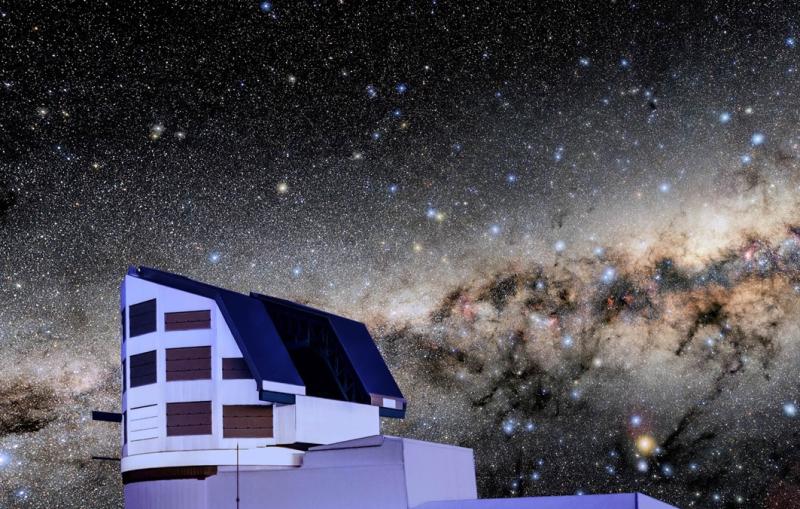
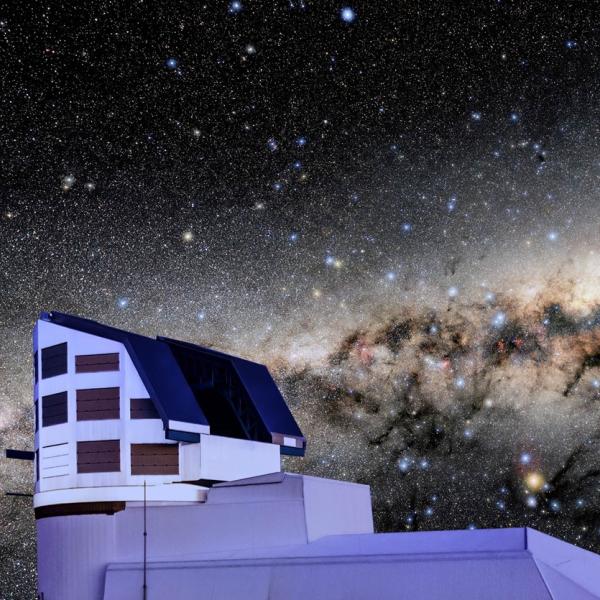
Rubin Observatory with the night sky and Milky Way in the background
News Release

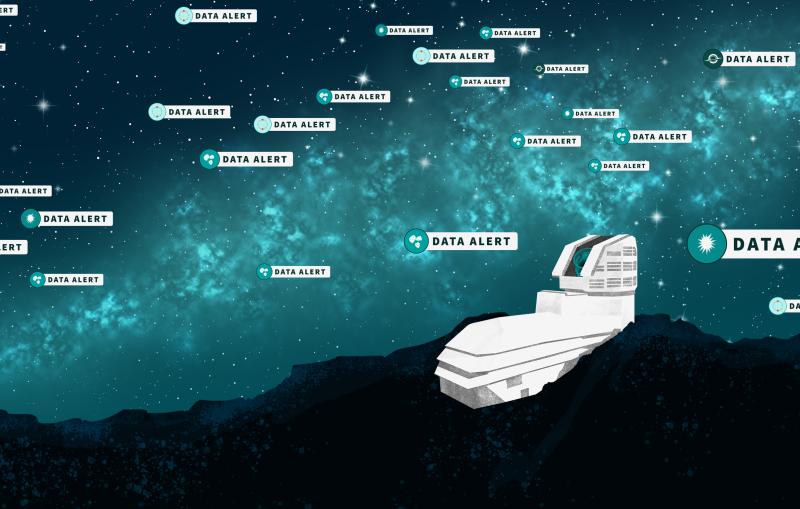
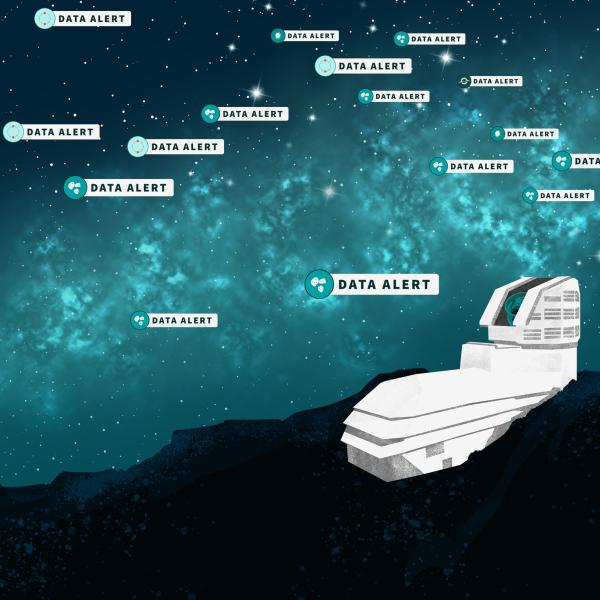
NSF-DOE Rubin Observatory has issued its first scientific alerts, marking a historic milestone in astrophysics and kicking off a new era of dynamic, real-time...

Star-filled teal night sky with turquoise glowing band, scattered “DATA ALERT” tags, and a white icon of the Rubin Observatory atop dark mountains.
Feature

Salleo sees strength in the big picture and minute details of the people, tools and partnerships at SLAC.

Portrait of Alberto Salleo
Feature

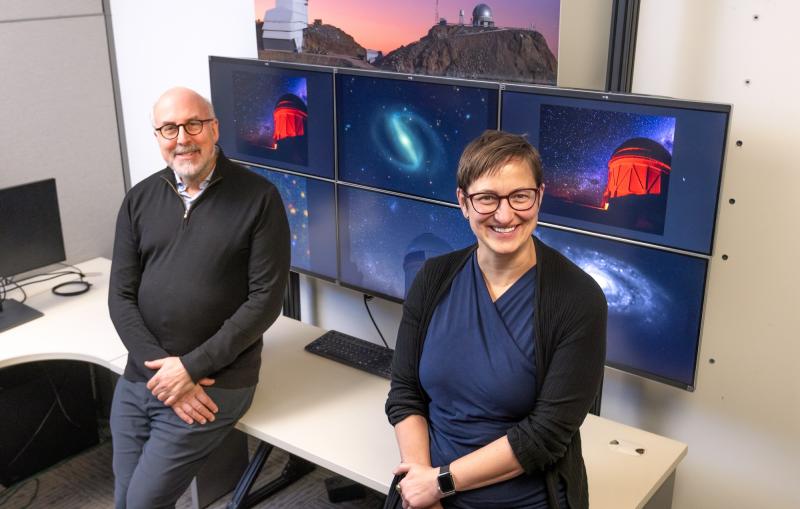
Cosmologists Josh Frieman and Risa Wechsler look back on the Dark Energy Survey, sharing how it’s paving the way for Rubin Observatory to dig...

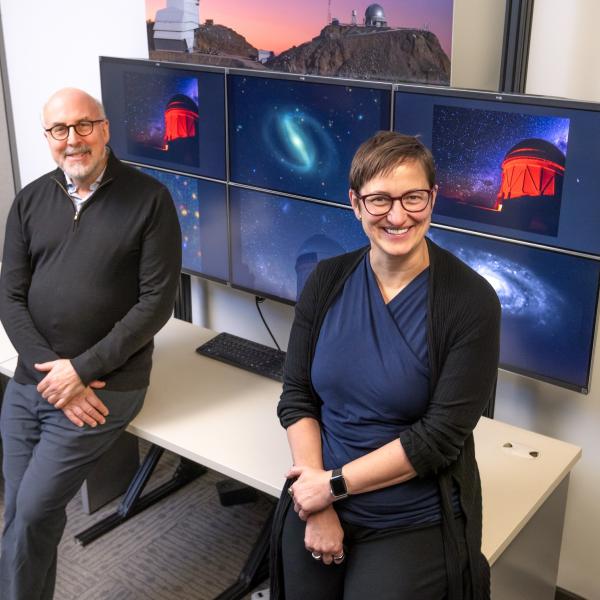
Josh Frieman and Risa Wechsler
News Release

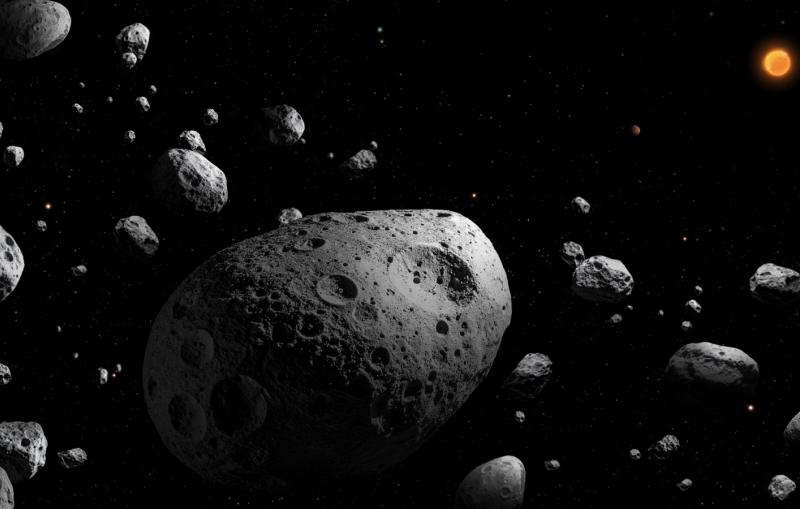
First peer-reviewed paper using data from SLAC-built LSST Camera identifies an asteroid, nearly the size of eight football fields, rotating every two minutes.

Illustration showing asteroids
Feature

With survey operations set to begin this fall, the Rubin control room at SLAC will serve as a key hub for training and remote...

First Photons in the Rubin control room at SLAC
Multimedia

His visit highlighted the breadth of our world-class research and the people and collaborations that make it possible. A key theme of the day...

U.S. Deputy Secretary of Energy Danly watches a simulation of dark matter.
News Brief

New 3D, interactive visualization of planets and minor planets in our solar system lets you explore Rubin discoveries in real time.

The main viewing screen of Orbitviewer, a groundbreaking new web app developed by NSF–DOE Vera C. Rubin Observatory that brings the dynamic movement of objects in our solar system to life.
Multimedia

On Monday, scientists and engineers reacted to the first images from the NSF–DOE Vera C. Rubin Observatory, marking a historic milestone.

Scientists reacting to presentation
Feature

Two decades ago, Stanford and SLAC took a gamble on an unproven telescope design. Now it's on the verge of paying off.

NSF–DOE Vera C. Rubin Observatory