Fan’s X-ray crystallography work at SLAC’s synchrotron moves us closer to a more protective coronavirus vaccine and a better understanding of how vital materials...
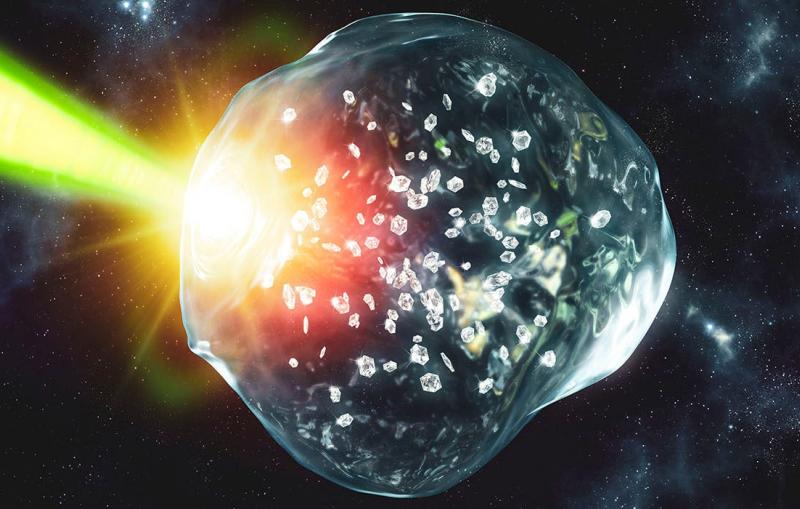
Studying a material that even more closely resembles the composition of ice giants, researchers found that oxygen boosts the formation of diamond rain.
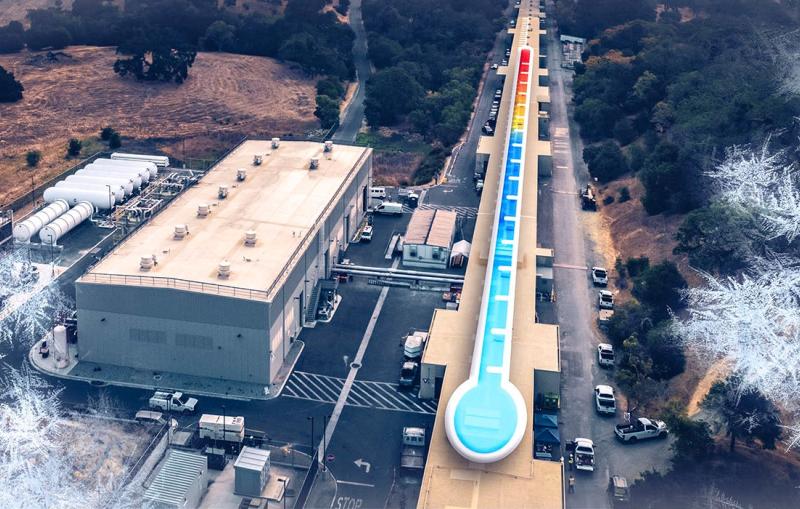
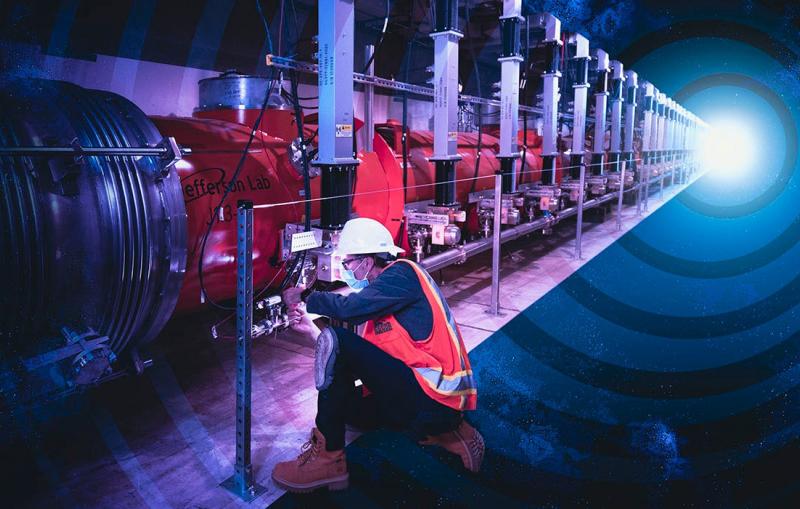
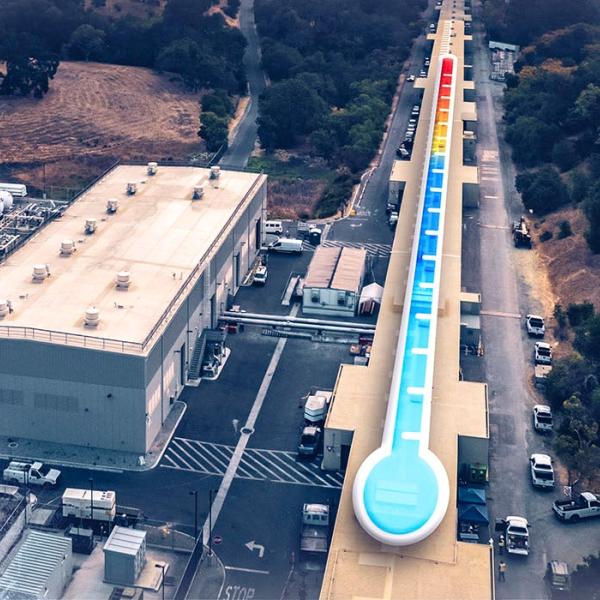
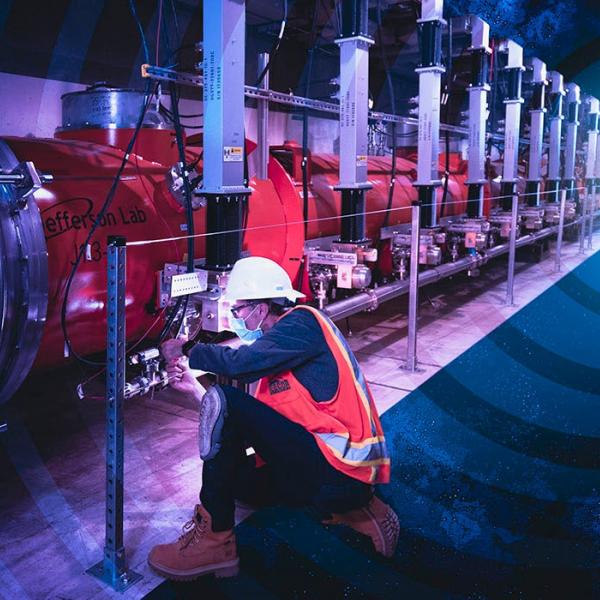
En route to record-breaking X-rays, SLAC’s Cryogenic team built a helium-refrigeration plant that lowers the LCLS-II accelerator to superconducting temperatures.
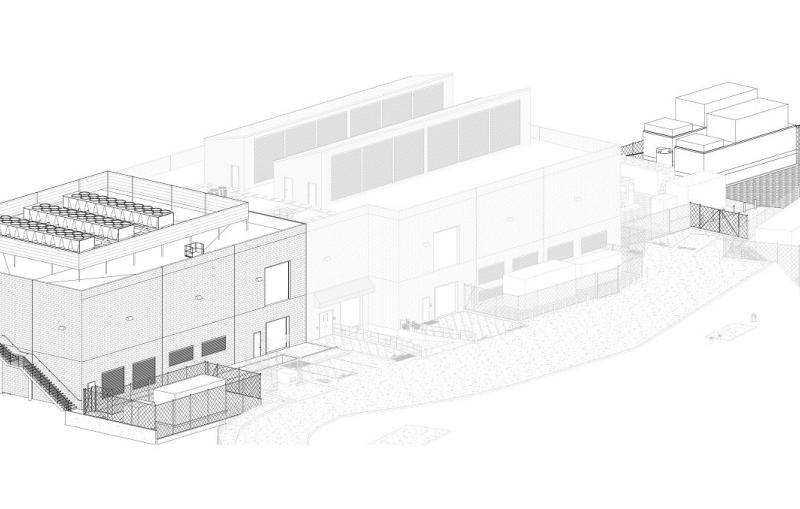
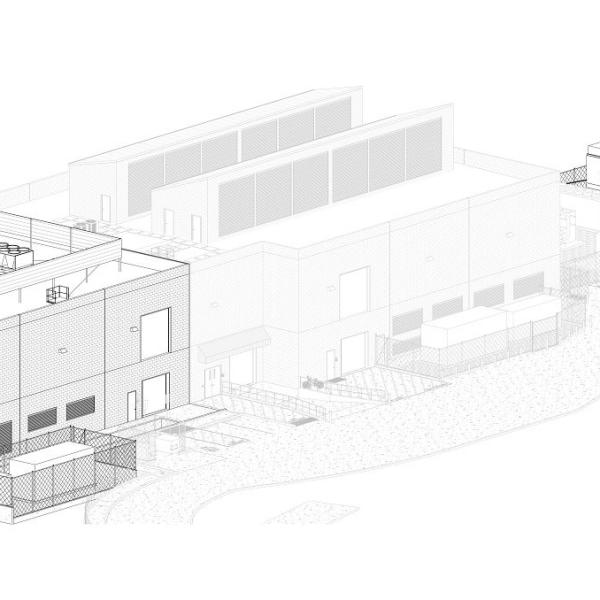
An extension of the Stanford Research Computing Facility will host several data centers to handle the unprecedented data streams that will be produced by...
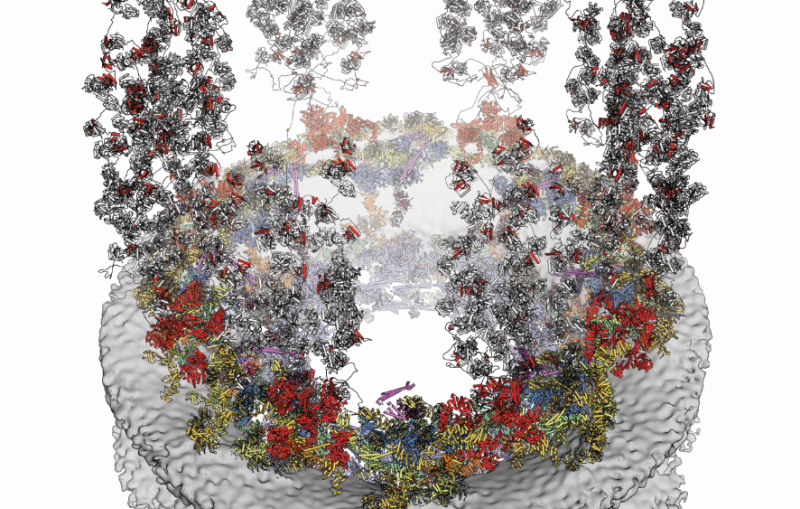
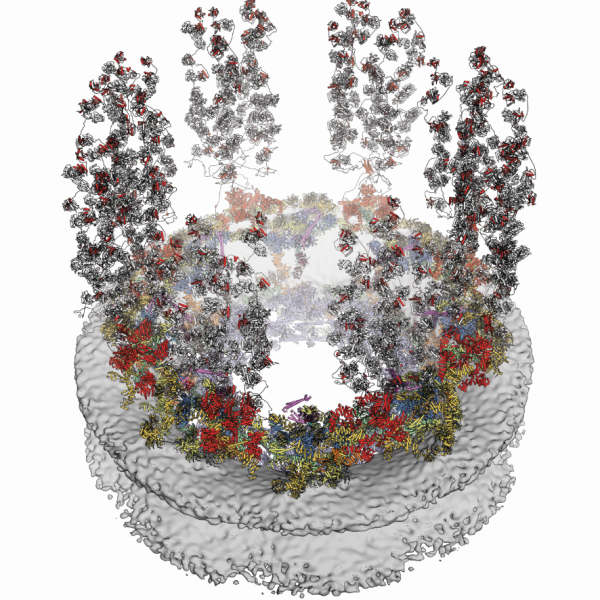
After almost two decades of synchrotron experiments, Caltech scientists have captured a clear picture of a cell’s nuclear pores, which are the doors and...
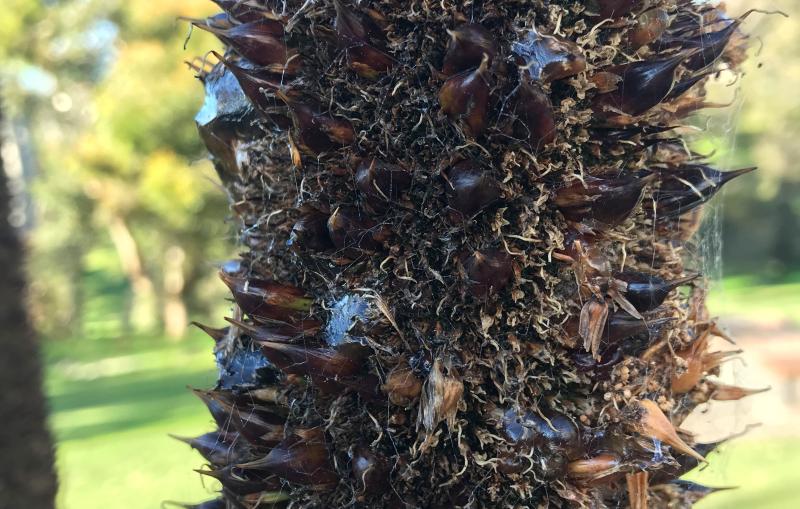
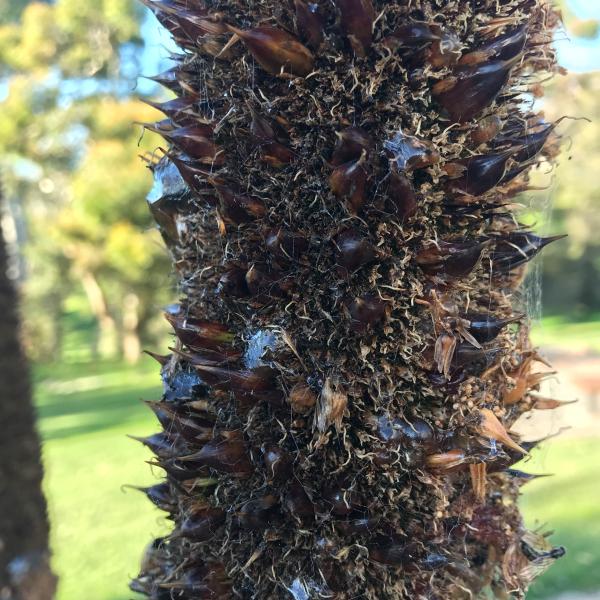
By revealing the chemistry of plant secretions, or exudates, these studies build a basis for better understanding and conserving art and tools made with...
The facility, LCLS-II, will soon sharpen our view of how nature works on ultrasmall, ultrafast scales, impacting everything from quantum devices to clean energy.
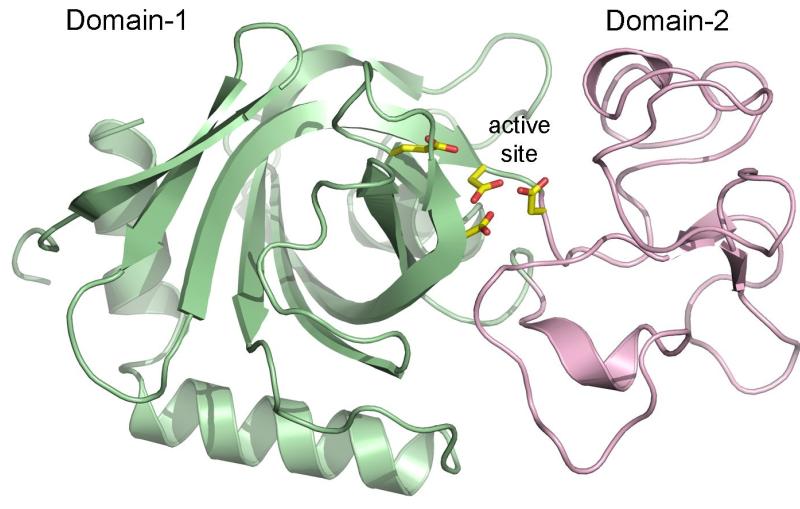
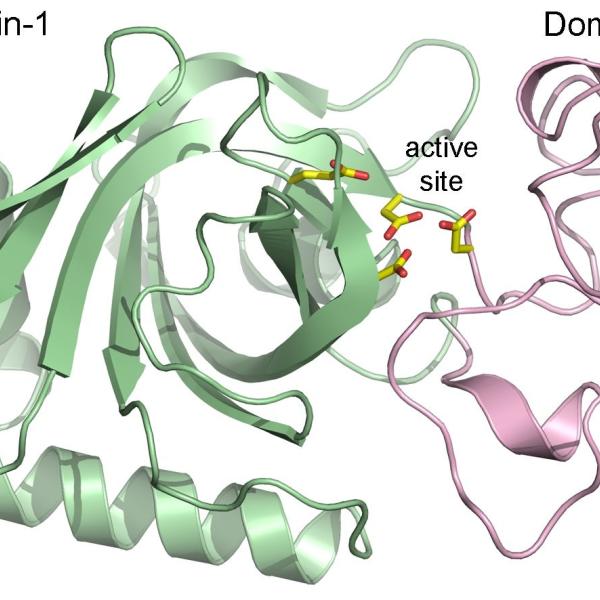
Fan’s X-ray crystallography work at SLAC’s synchrotron moves us closer to a more protective coronavirus vaccine and a better understanding of how vital materials flow in and out of cells.
Studying a material that even more closely resembles the composition of ice giants, researchers found that oxygen boosts the formation of diamond rain.
En route to record-breaking X-rays, SLAC’s Cryogenic team built a helium-refrigeration plant that lowers the LCLS-II accelerator to superconducting temperatures.
An extension of the Stanford Research Computing Facility will host several data centers to handle the unprecedented data streams that will be produced by a new generation of scientific projects.
After almost two decades of synchrotron experiments, Caltech scientists have captured a clear picture of a cell’s nuclear pores, which are the doors and windows through which critical material in your body flows in and out of the cell’s nucleus...
By revealing the chemistry of plant secretions, or exudates, these studies build a basis for better understanding and conserving art and tools made with plant materials.
The facility, LCLS-II, will soon sharpen our view of how nature works on ultrasmall, ultrafast scales, impacting everything from quantum devices to clean energy.
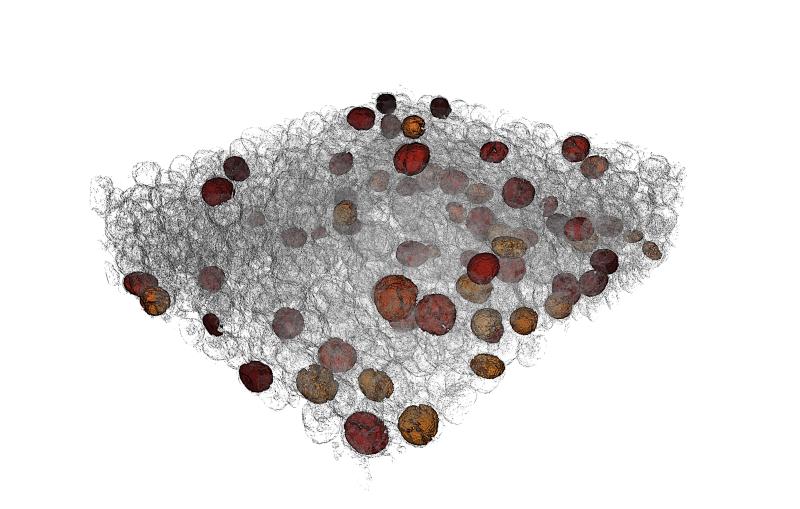
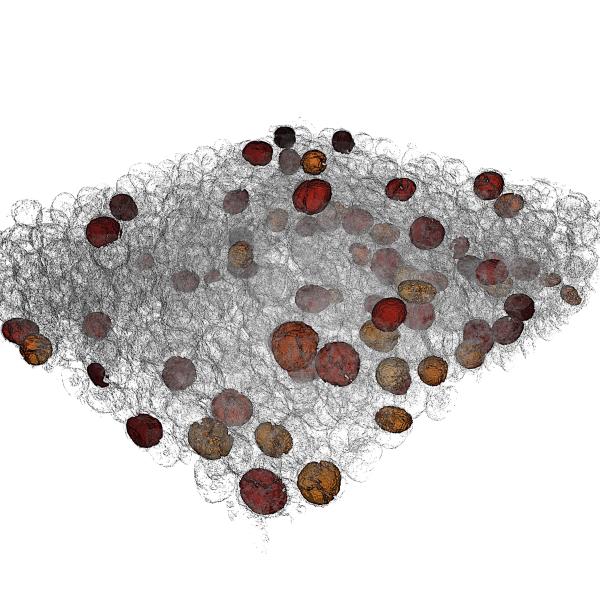
How quickly a battery electrode decays depends on properties of individual particles in the battery – at first. Later on, the network of particles matters more.