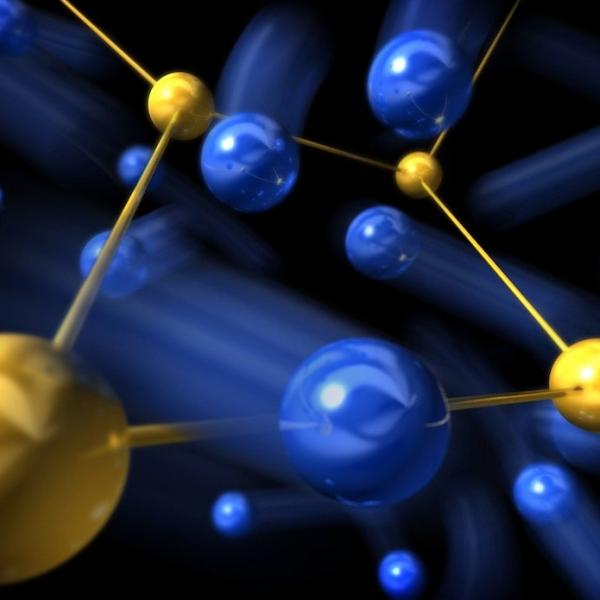
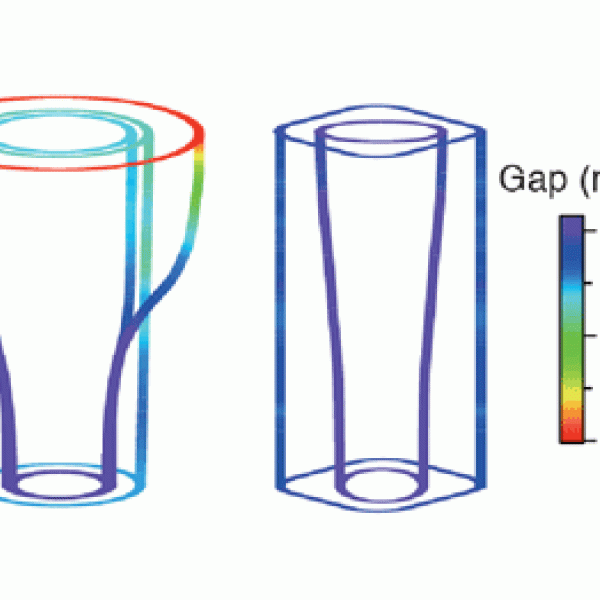
A material that could enable faster memory chips and more efficient batteries can switch between high and low ionic conductivity states much faster than...
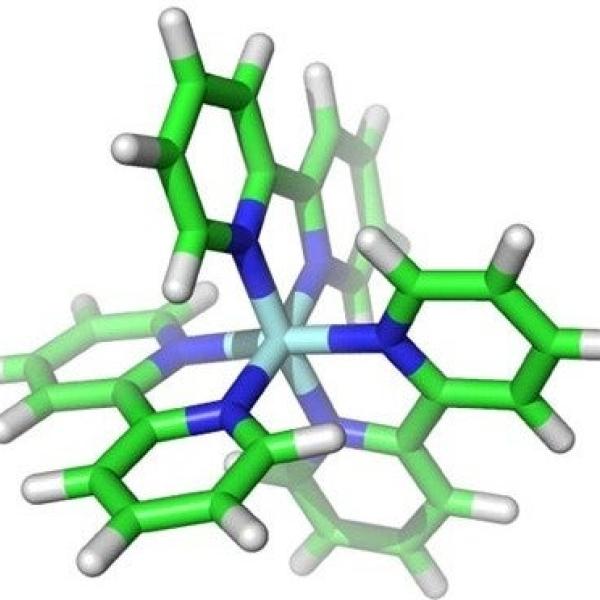
The way electrons move within and between molecules, transferring energy as they go, plays an important role in many chemical and biological processes, such...
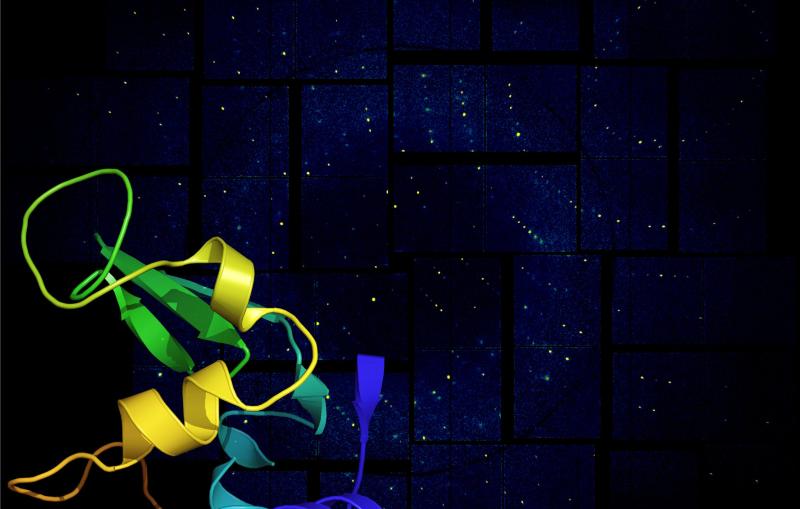
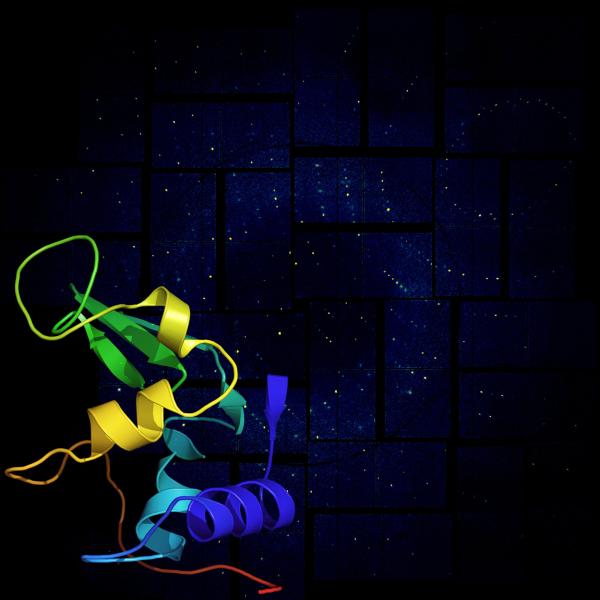
An international team led by the U.S. Department of Energy's (DOE) SLAC National Accelerator Laboratory has proved how the world's most powerful X-ray laser...
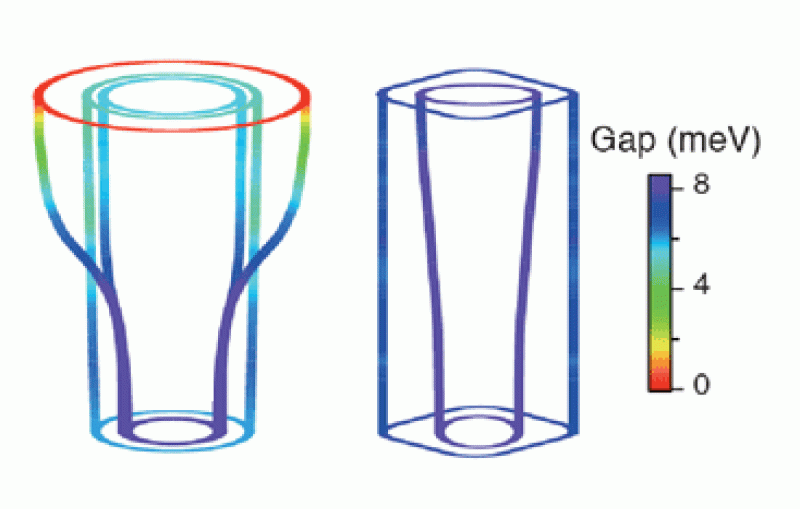
Condensed-matter physicists the world over are in hot pursuit of a comprehensive understanding of high-temperature superconductivity, not just for its technological benefits but for...
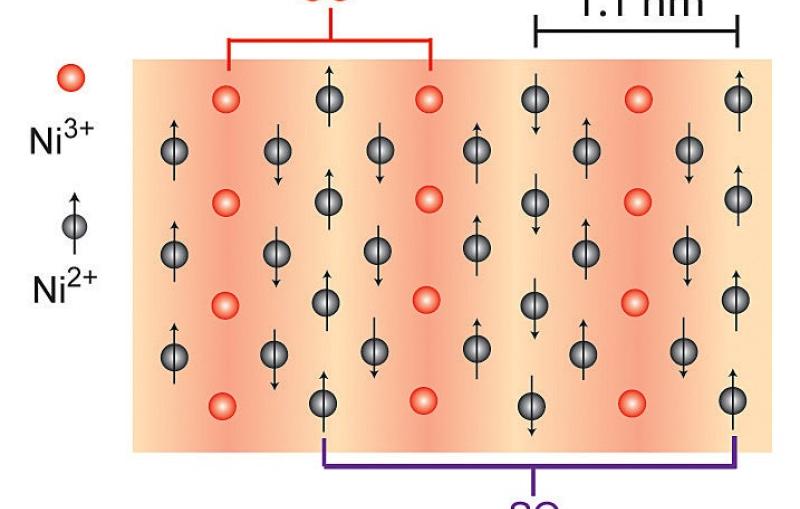
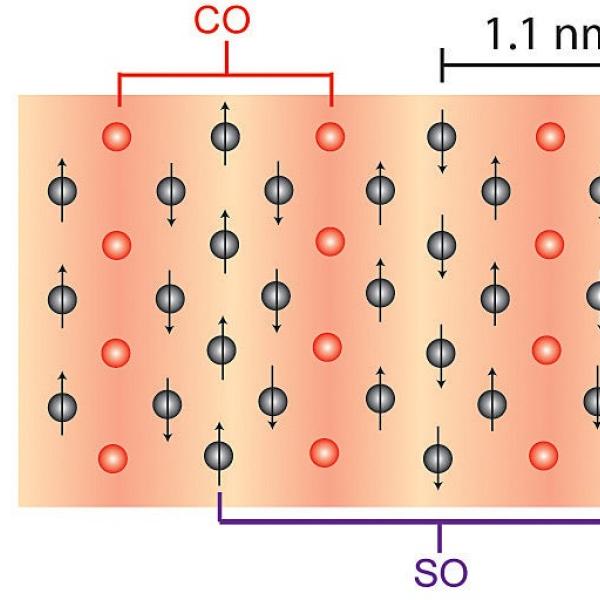
An international team of researchers has used SLAC’s Linac Coherent Light Source (LCLS) to discover never-before-seen behavior by electrons in complex materials with extraordinary...
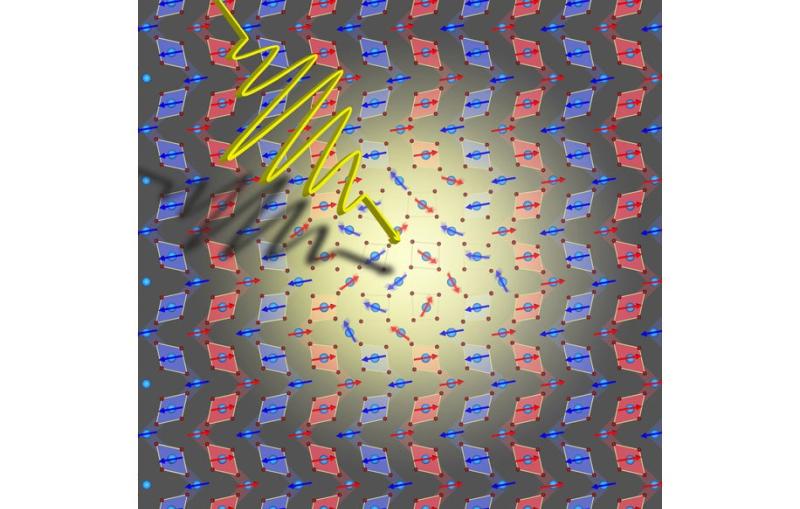
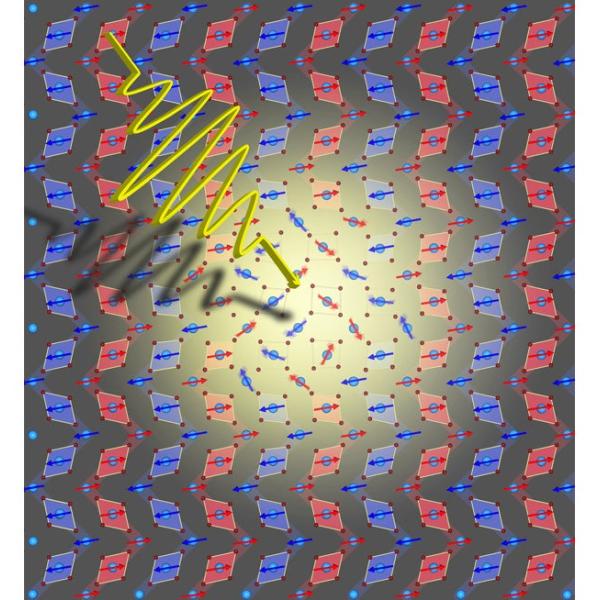
Scientists have found a way to distort the atomic arrangement and change the magnetic properties of an important class of electronic materials with ultra-short...
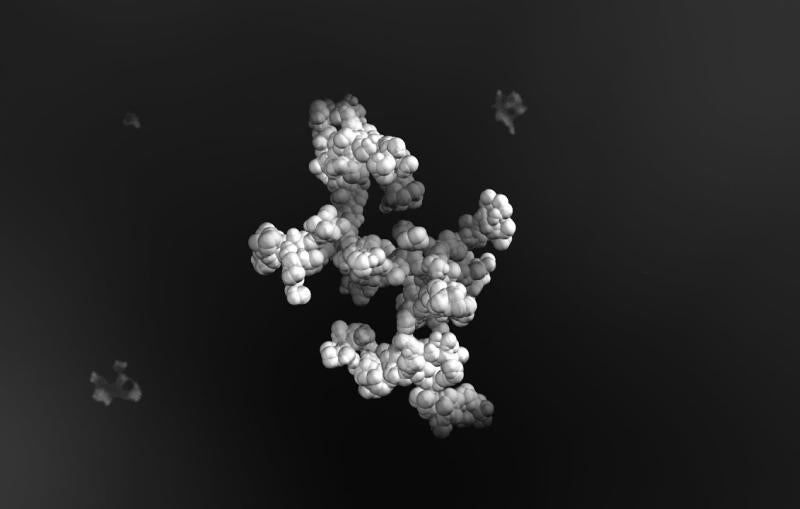
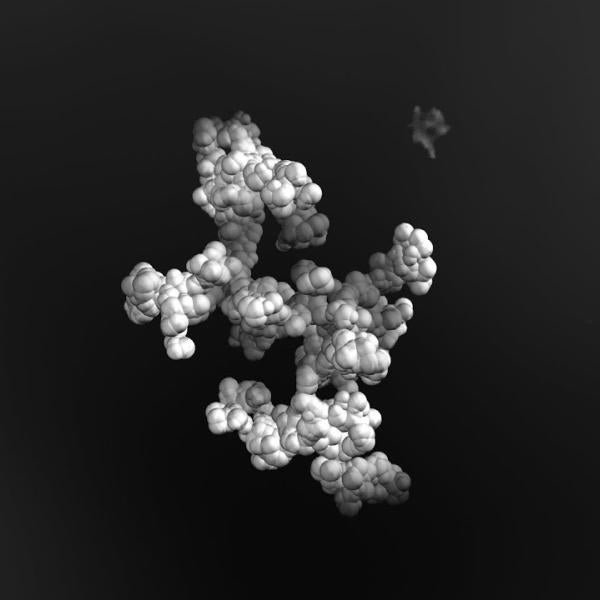
This short conceptual animation depicts how scientists can now simultaneously capture fractal morphology (structure), chemical composition and nanoscale imagery of individual aerosol particles in...
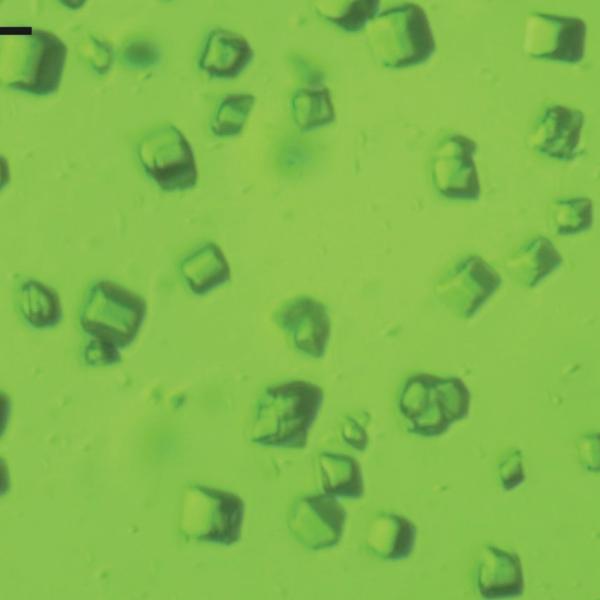
Menlo Park, Calif. — Opening a new window on the way plants generate the oxygen we breathe, researchers used an X-ray laser at the Department of Energy’s (DOE) SLAC National Accelerator Laboratory to simultaneously look at the structure and chemical...
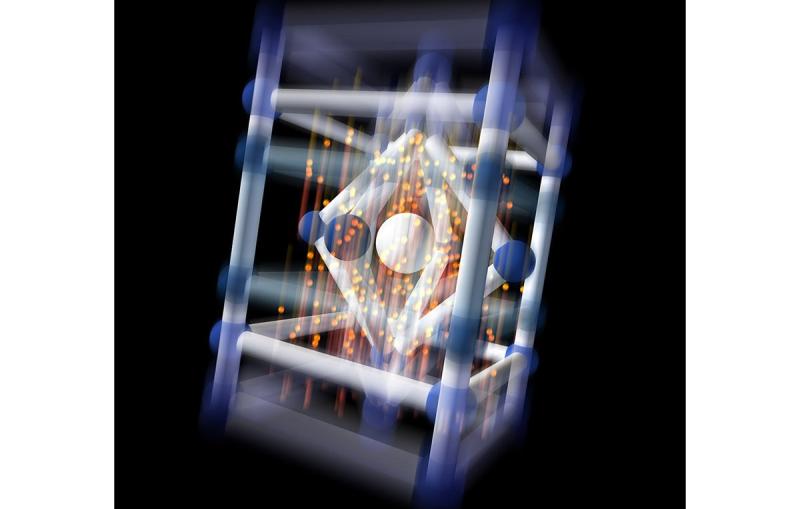
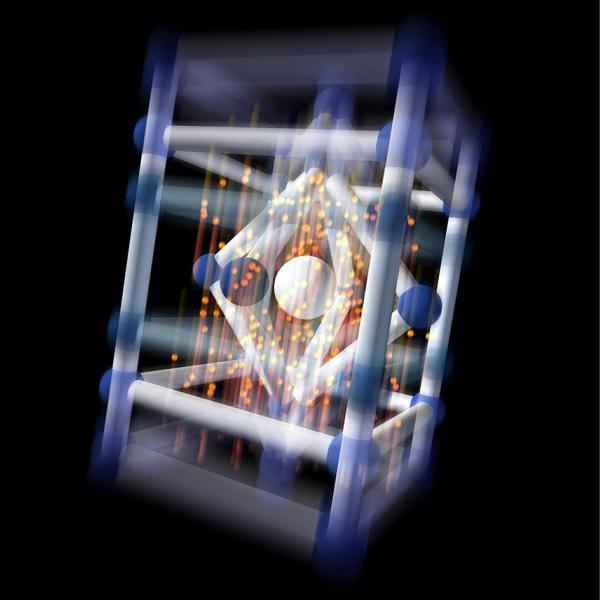
A material that could enable faster memory chips and more efficient batteries can switch between high and low ionic conductivity states much faster than previously thought, SLAC and Stanford researchers have determined. The key is to use extremely small chunks...
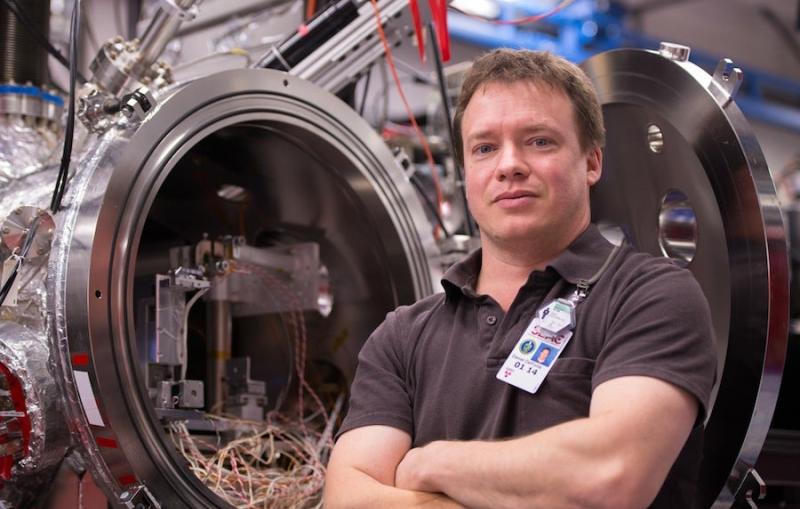
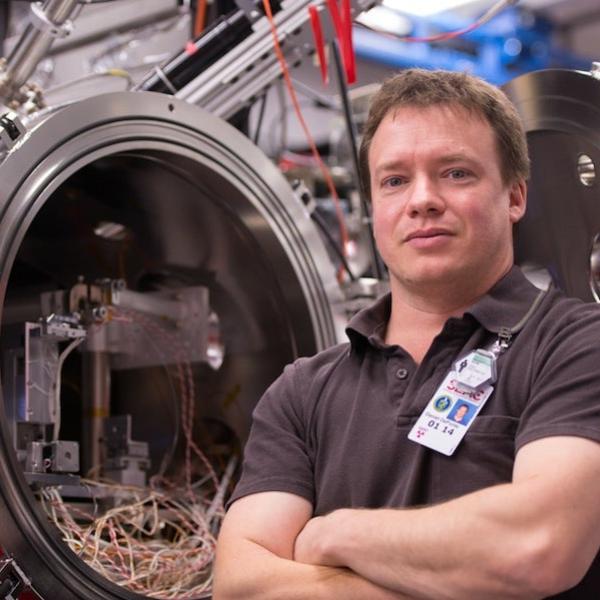
Daniel DePonte, a pioneer in finding ways to serve up a steady and precise supply of crystals, viruses and other precious samples for laser experiments, is the newly hired sample-delivery group leader for SLAC’s Linac Coherent Light Source X-ray laser.
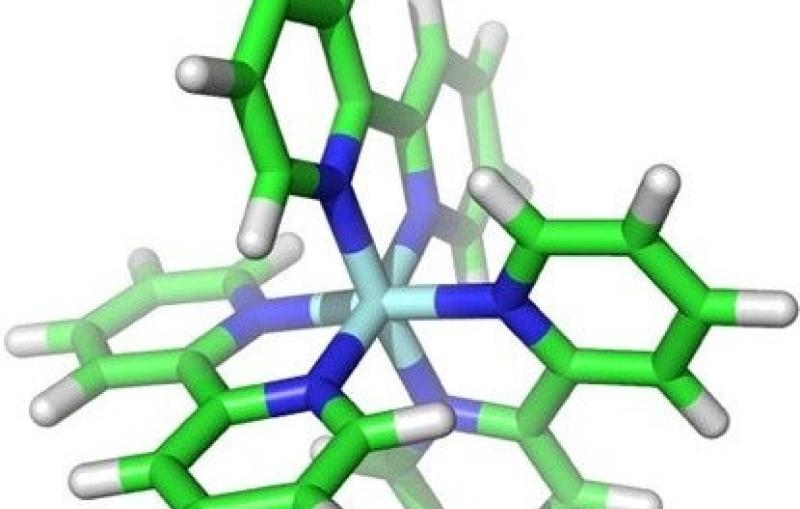
The way electrons move within and between molecules, transferring energy as they go, plays an important role in many chemical and biological processes, such as the conversion of sunlight to energy in photosynthesis and solar cells
A team led by SLAC and Stanford scientists has made an important discovery toward understanding how a large group of complex copper oxide materials lose their electrical resistance at remarkably high temperatures.
Most electric cars, from the Tesla Model S to the Nissan Leaf, run on rechargeable lithium-ion batteries – a pricey technology that accounts for more than half of the vehicle's total cost. One promising alternative is the lithium-sulfur battery, which...
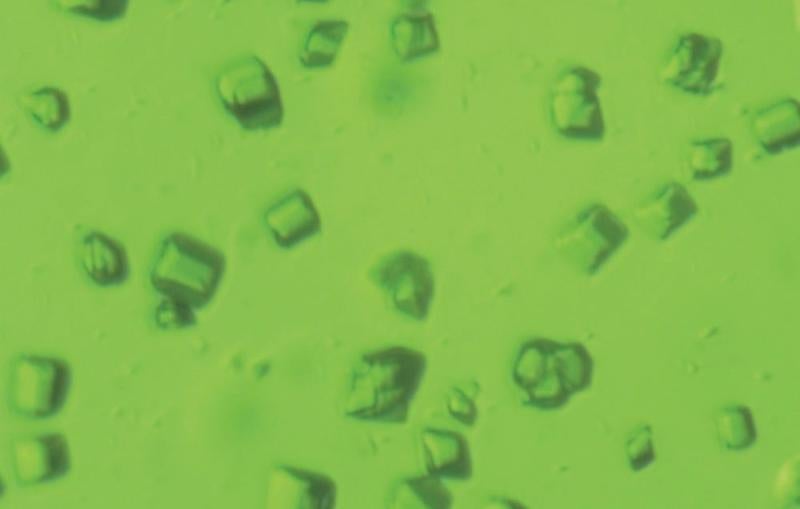
An international team led by the U.S. Department of Energy's (DOE) SLAC National Accelerator Laboratory has proved how the world's most powerful X-ray laser can assist in cracking the structures of biomolecules, and in the processes helped to pioneer critical...
Condensed-matter physicists the world over are in hot pursuit of a comprehensive understanding of high-temperature superconductivity, not just for its technological benefits but for the clues it holds to strongly correlated electron systems.
An international team of researchers has used SLAC’s Linac Coherent Light Source (LCLS) to discover never-before-seen behavior by electrons in complex materials with extraordinary properties.
A surprising atomic-scale wiggle underlies the way a special class of materials reacts to light, according to research that may lead to new devices for harvesting solar energy.
Scientists have found a way to distort the atomic arrangement and change the magnetic properties of an important class of electronic materials with ultra-short pulses of terahertz (mid-infrared) laser light without heating the material up.
This short conceptual animation depicts how scientists can now simultaneously capture fractal morphology (structure), chemical composition and nanoscale imagery of individual aerosol particles in flight. These particles, known as "PM2.5" because they are smaller than 2.5 microns in diameter, affect...