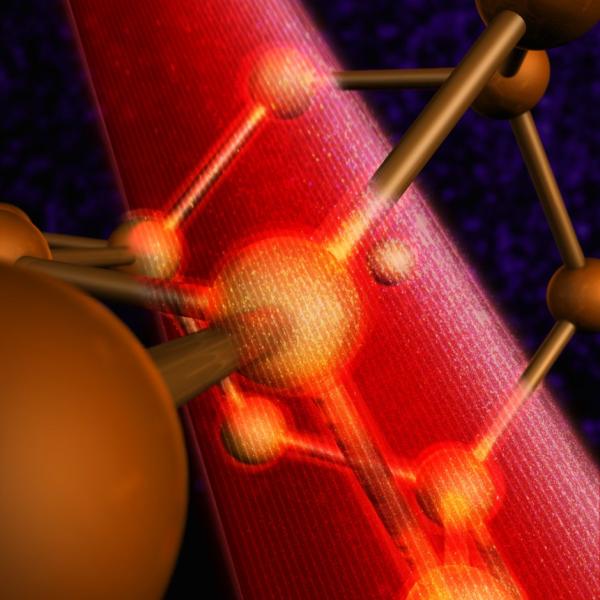
An international team led by scientists from two SLAC/Stanford institutes has devised a much faster and more accurate way of measuring subtle atomic vibrations...
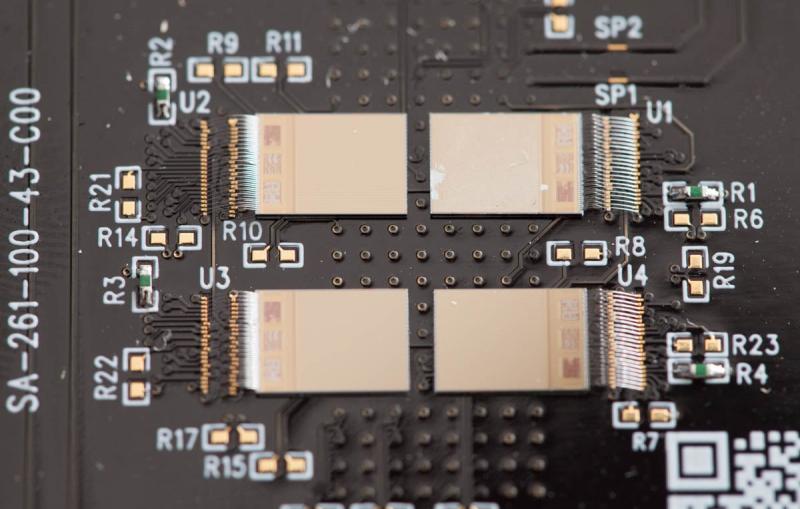
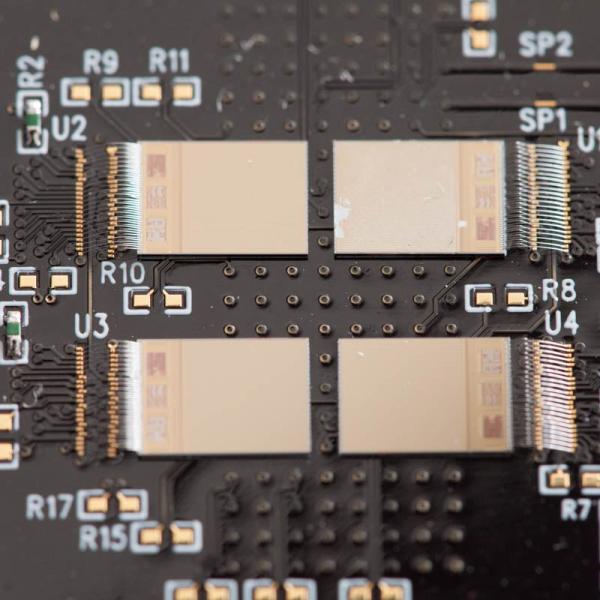
Scientists in SLAC's Integrated Circuits Department reach a new frontier in ultrafast X-ray science with intricately designed signal-processing chips that translate particles of light...
Scientists used the powerful X-ray laser at the U.S. Department of Energy's SLAC National Accelerator Laboratory to create movies detailing trillionths-of-a-second changes in the...
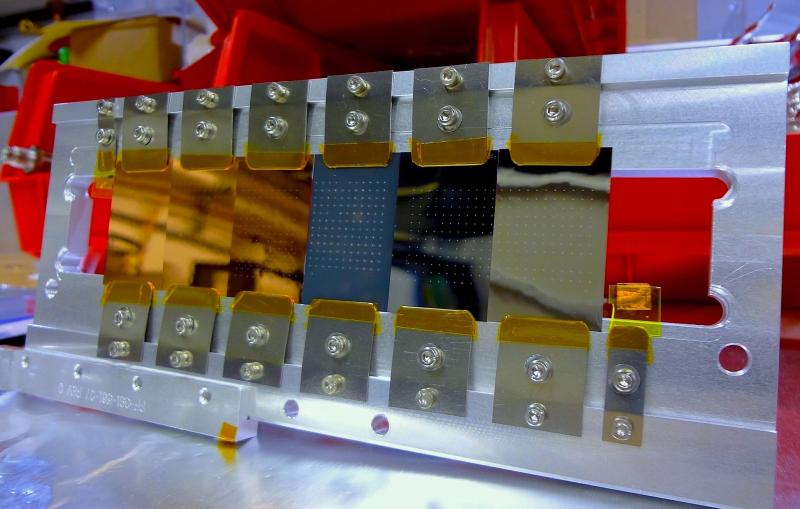
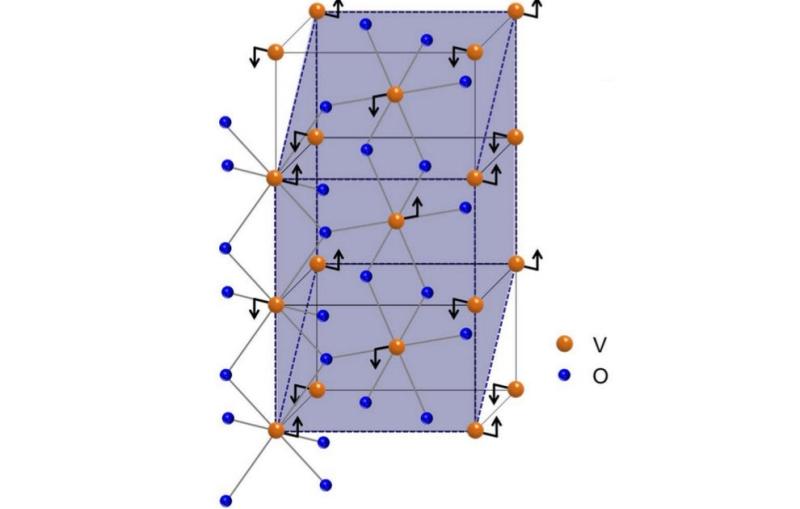
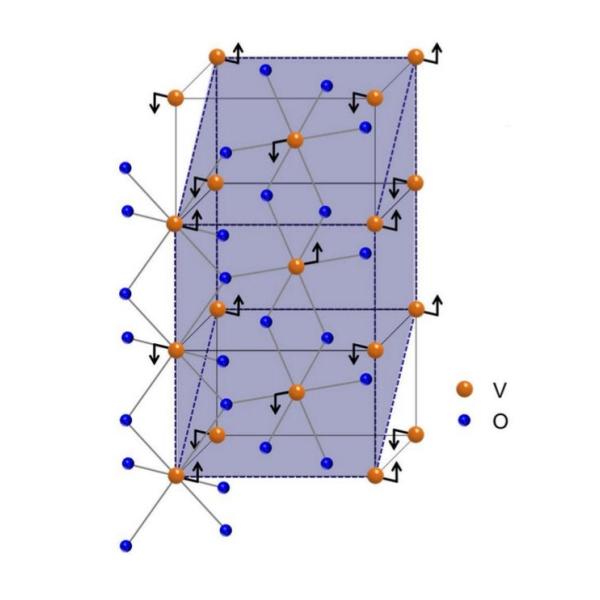
Working with a metal oxide that shows promise for future generations of electronic devices, IBM and SLAC scientists have shown they can precisely control...
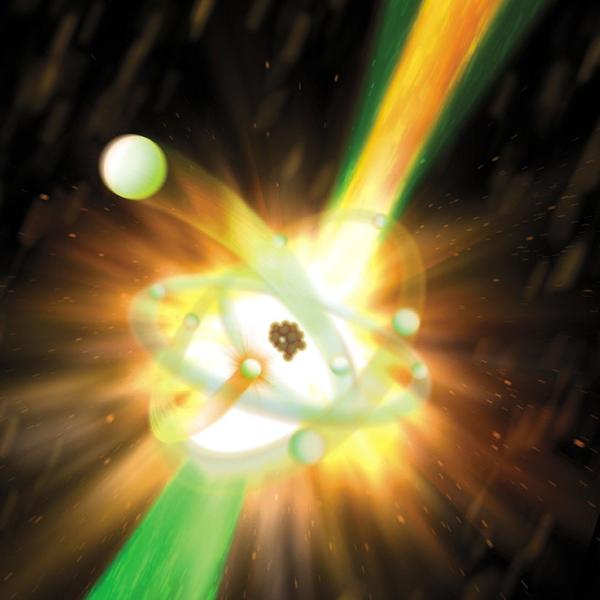
In a detailed study of how intense light strips electrons from atoms, researchers used an X-ray laser, SLAC's Linac Coherent Light Source (LCLS), to...
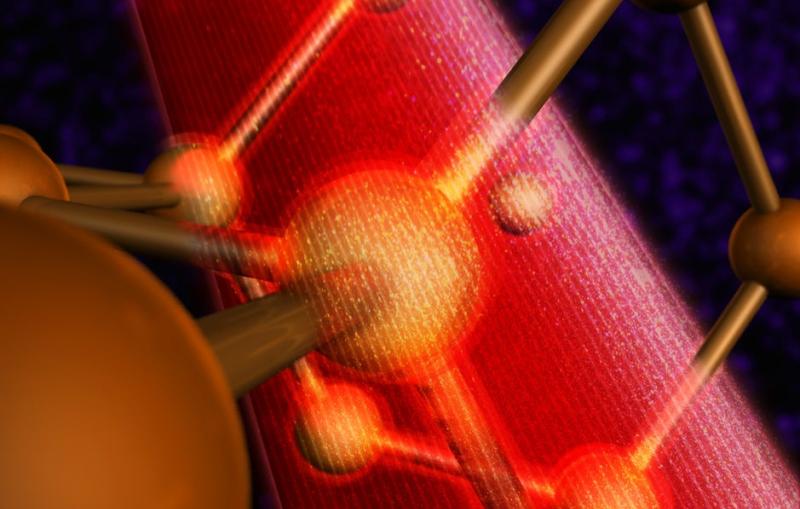
An international team led by scientists from two SLAC/Stanford institutes has devised a much faster and more accurate way of measuring subtle atomic vibrations that underlie important hidden properties of materials.
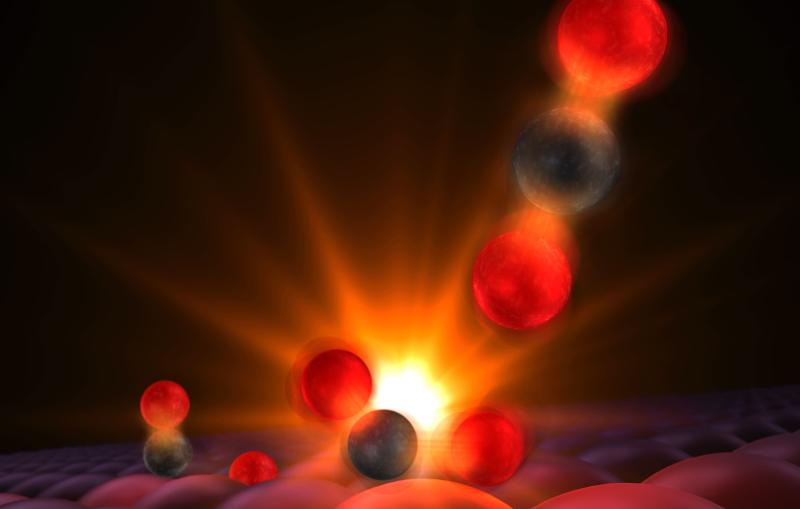
Researchers have found a new way to probe molecules and atoms with an X-ray laser, setting off cascading bursts of light that reveal precise details of what is going on inside, which could allow scientists to see details of chemical...
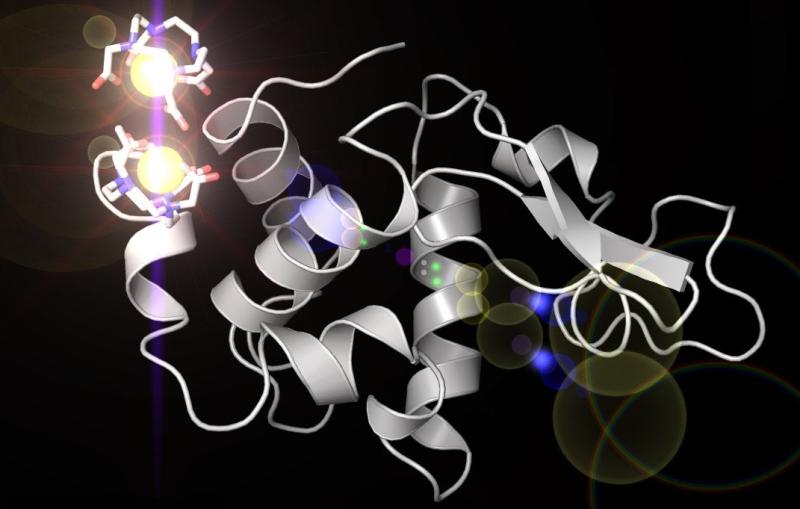
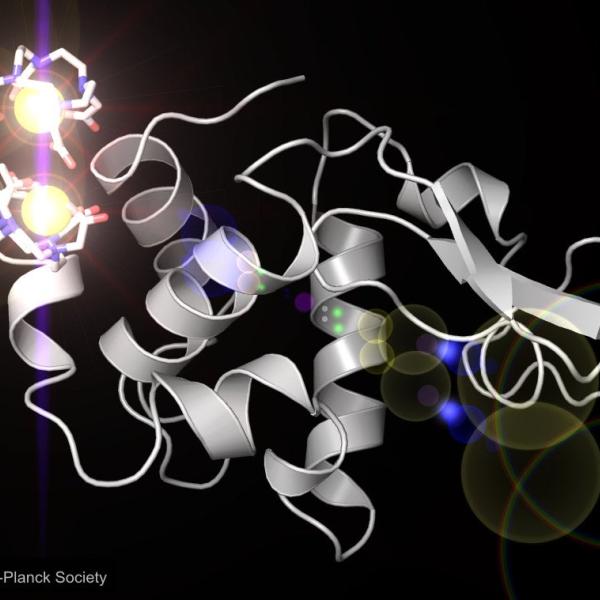
A study shows for the first time that X-ray lasers can be used to generate a complete 3-D model of a protein without any prior knowledge of its structure.
Scientists in SLAC's Integrated Circuits Department reach a new frontier in ultrafast X-ray science with intricately designed signal-processing chips that translate particles of light into bits of data.
Scientists used the powerful X-ray laser at the U.S. Department of Energy's SLAC National Accelerator Laboratory to create movies detailing trillionths-of-a-second changes in the arrangement of copper atoms after an extreme shock.
Sean Brennan's decades of X-ray expertise keep pulling him back to SLAC even though he formally retired in 2008. During a recent visit to the lab, he accepted the Farrel W. Lytle Award for his extensive contributions to SLAC's Stanford...
Working with a metal oxide that shows promise for future generations of electronic devices, IBM and SLAC scientists have shown they can precisely control the temperature at which it flips from being an electrical conductor to an insulator – and...
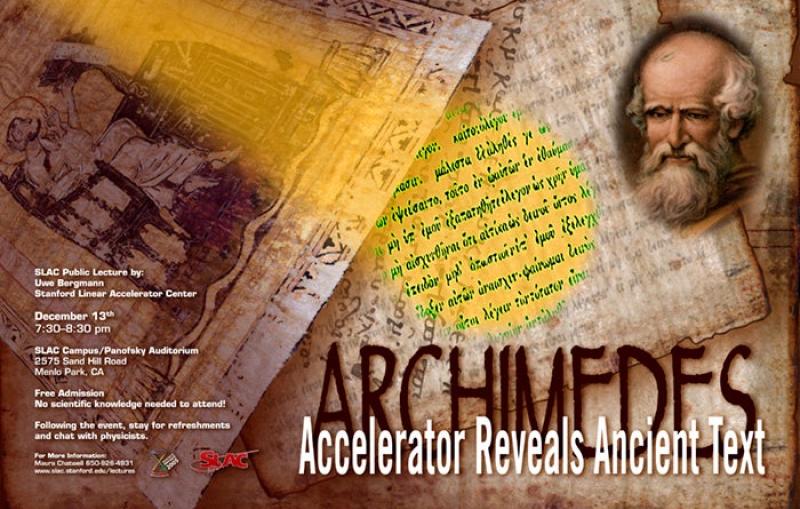
Archimedes (287-212 BC), who is famous for shouting ‘Eureka’ (I found it) is considered one of the most brilliant thinkers of all times. The 10th-century parchment document known as the “Archimedes Palimpsest” is the unique source for two of the...
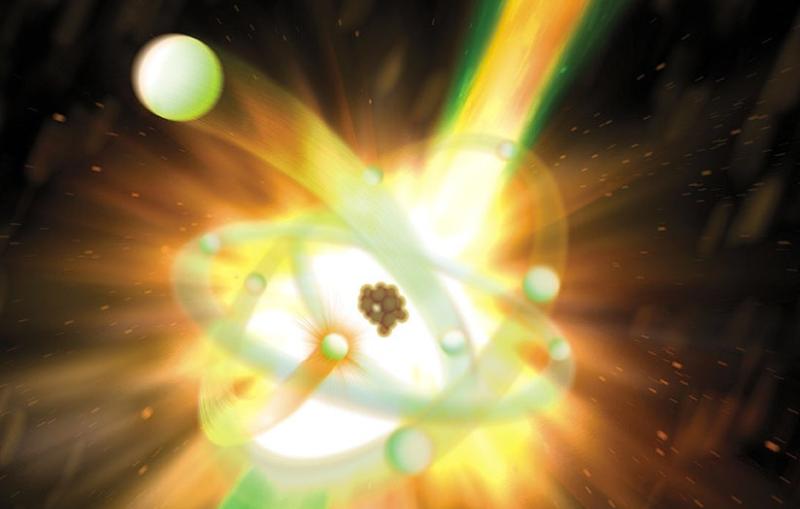
In a detailed study of how intense light strips electrons from atoms, researchers used an X-ray laser, SLAC's Linac Coherent Light Source (LCLS), to measure and sort the ejected electrons and discover how this process takes place.
Dao Xiang, a SLAC accelerator physicist, has received an international award for his work on a technique for tuning an electron beam with a laser to produce X-ray pulses with more uniform and predictable properties.