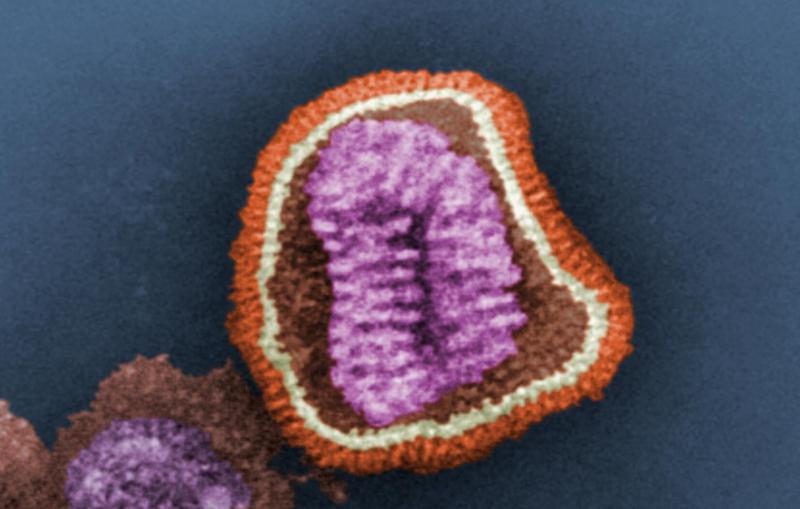
In an important step toward handling the nation’s uranium milling legacy, researchers try to understand why contamination at remediated uranium processing sites continues to...
Stanford and SLAC engineers observed electrons at work during catalytic reactions. Their findings challenge long-held theories about some catalysts, opening the door to new...
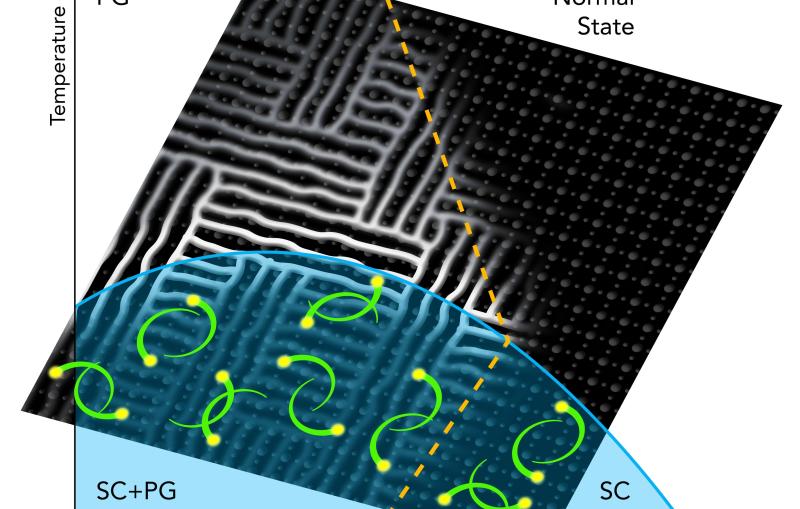
SLAC study shows the so-called ‘pseudogap’ hoards electrons that otherwise might pair up to carry current through a material with 100 percent efficiency.
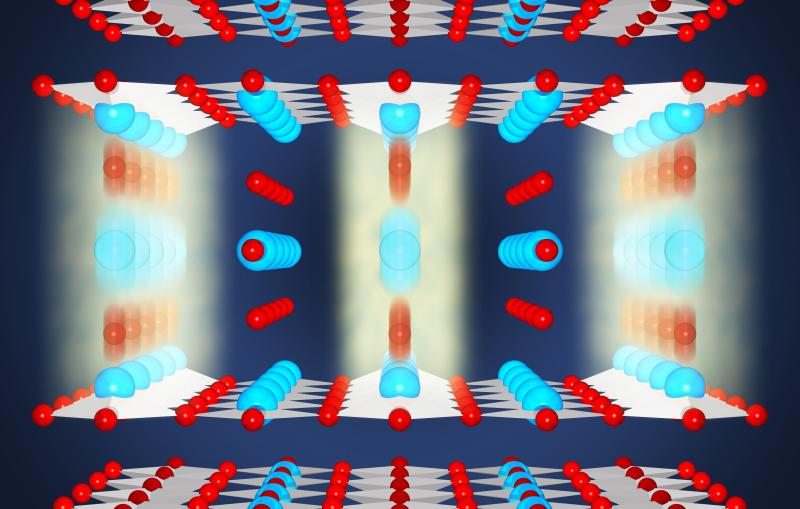
An experiment at SLAC provided the first fleeting glimpse of the atomic structure of a material as it entered a state resembling room-temperature superconductivity...
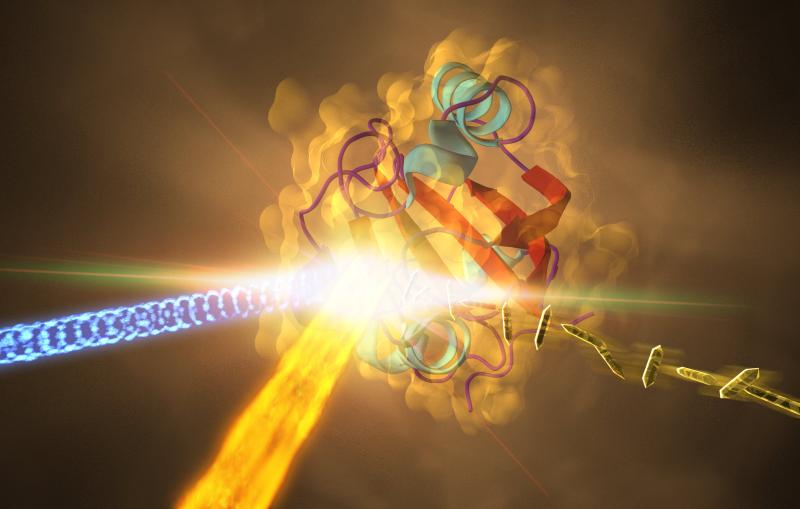
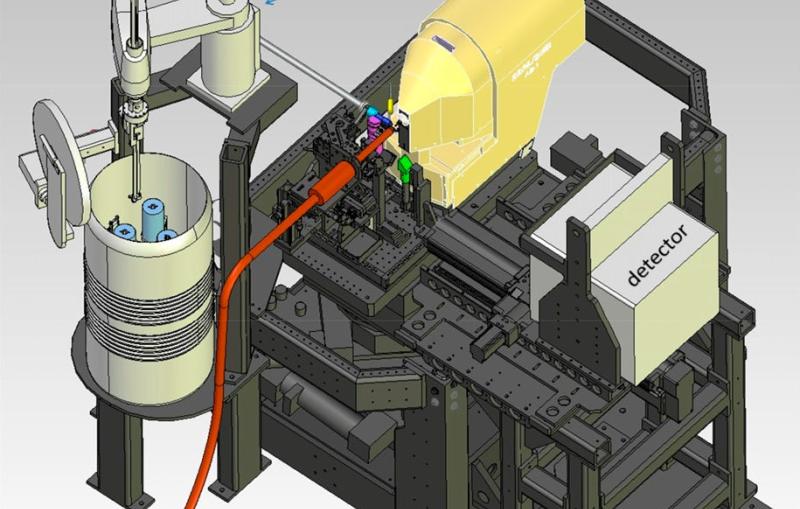
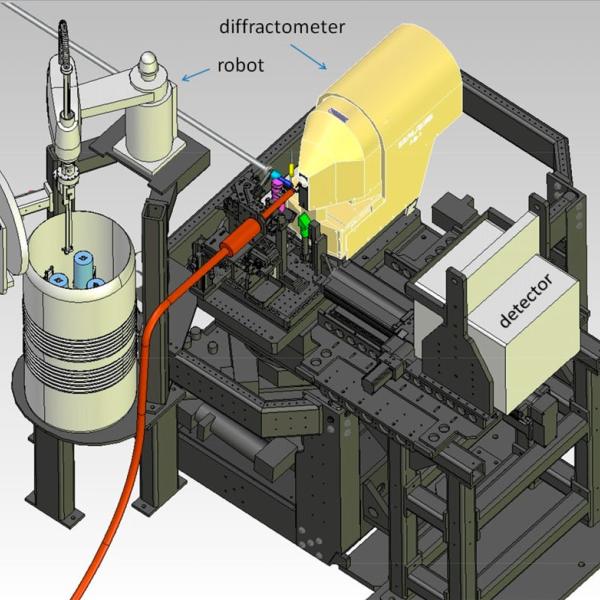
Scientists at the Department of Energy’s SLAC National Accelerator Laboratory are combining the speed and precision of robots with one of the brightest X-ray...
More than a dozen energy-storage companies have streamlined access to research facilities and expertise at SLAC under a new cooperative R&D agreement with CalCharge.
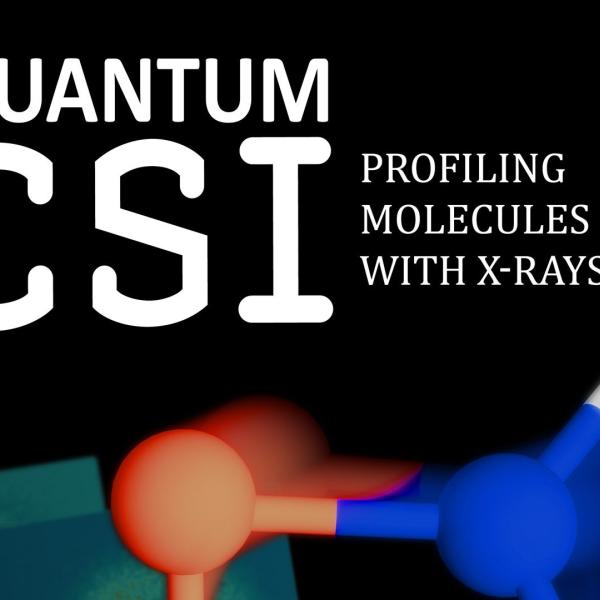
In this lecture, SLAC’s Ryan Coffee explains how researchers are beginning to use pattern recognition and machine learning to study chemical reactions at the...
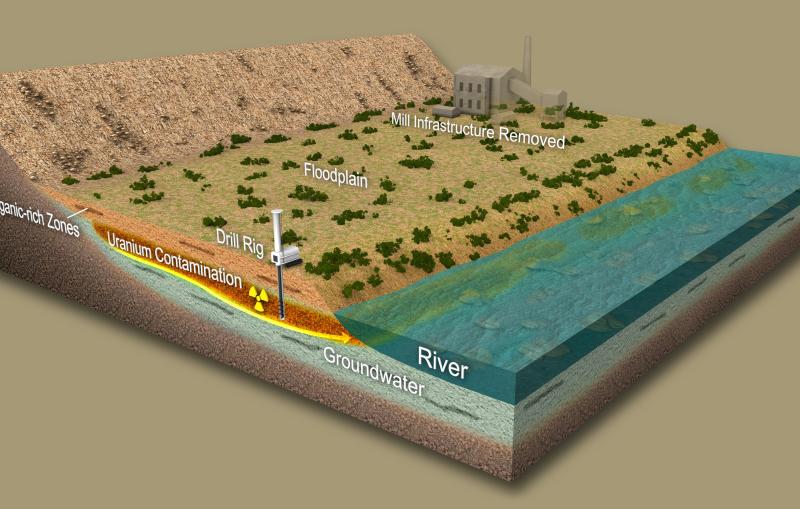
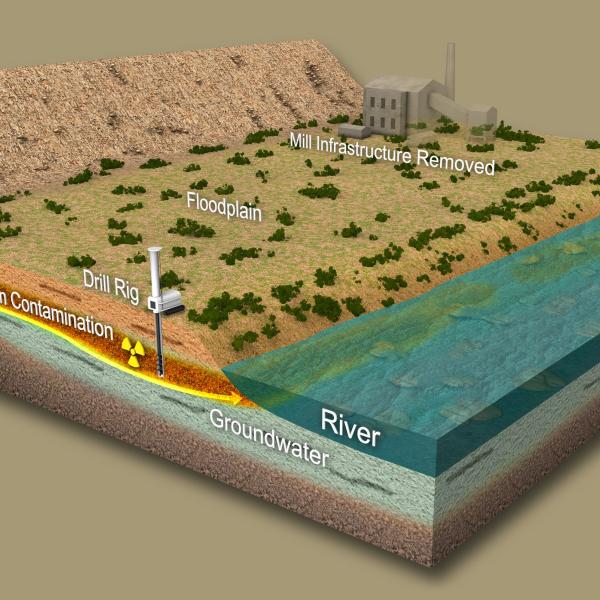
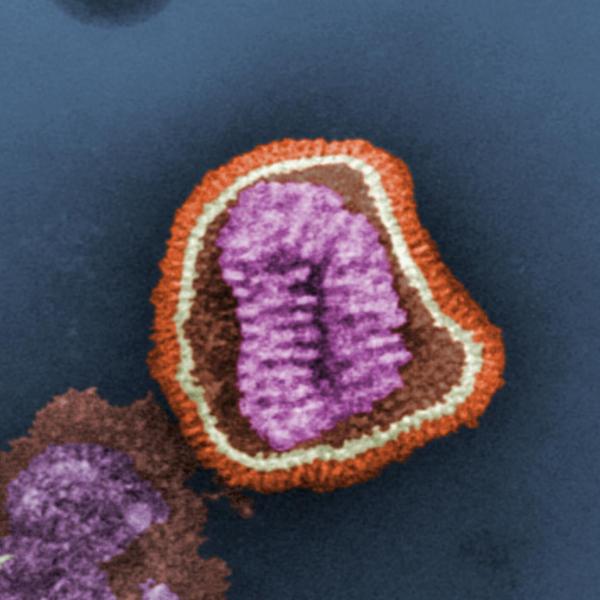
In an important step toward handling the nation’s uranium milling legacy, researchers try to understand why contamination at remediated uranium processing sites continues to persist at dangerously high levels.
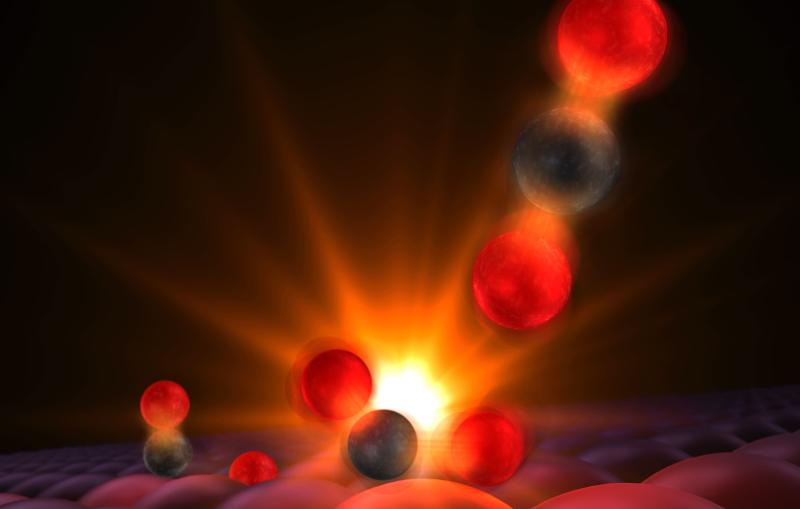
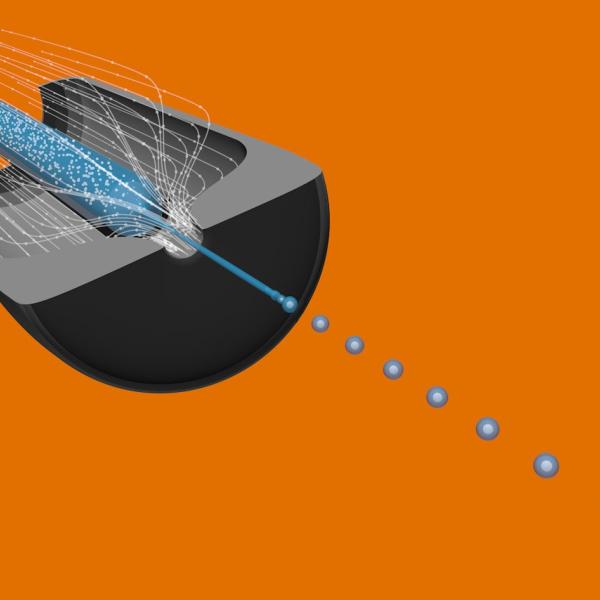
Stanford and SLAC engineers observed electrons at work during catalytic reactions. Their findings challenge long-held theories about some catalysts, opening the door to new or improved renewable energy applications.
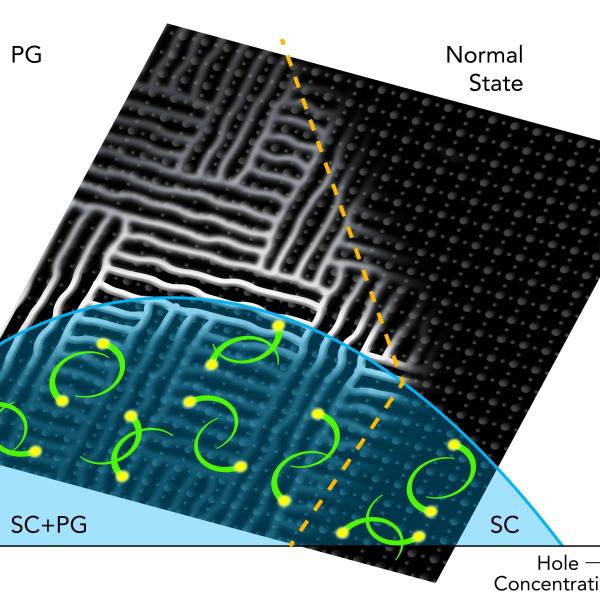
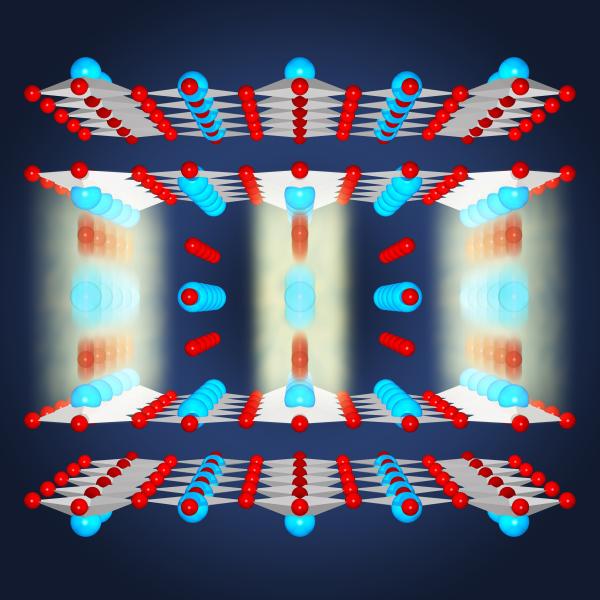
SLAC study shows the so-called ‘pseudogap’ hoards electrons that otherwise might pair up to carry current through a material with 100 percent efficiency.
An experiment at SLAC provided the first fleeting glimpse of the atomic structure of a material as it entered a state resembling room-temperature superconductivity – a long-sought phenomenon in which materials might conduct electricity with 100 percent efficiency under everyday...
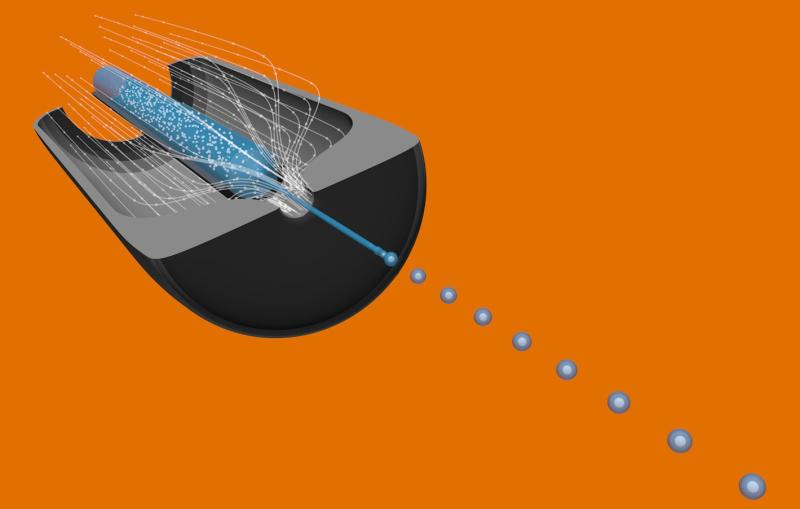
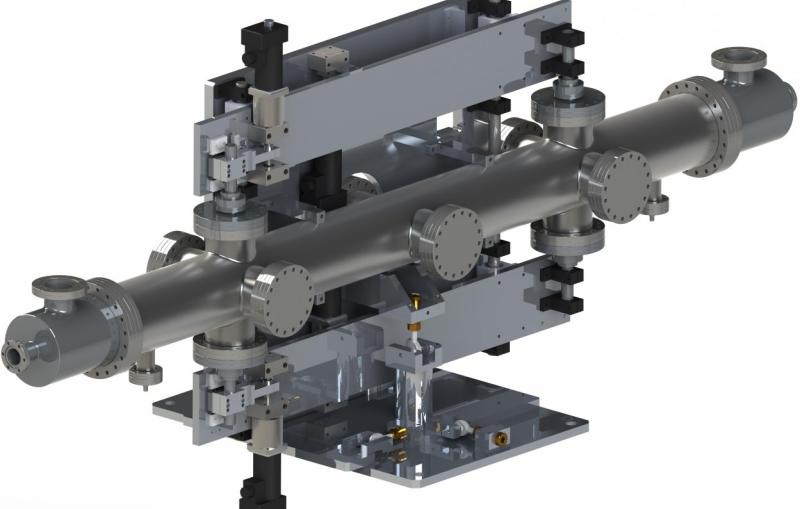
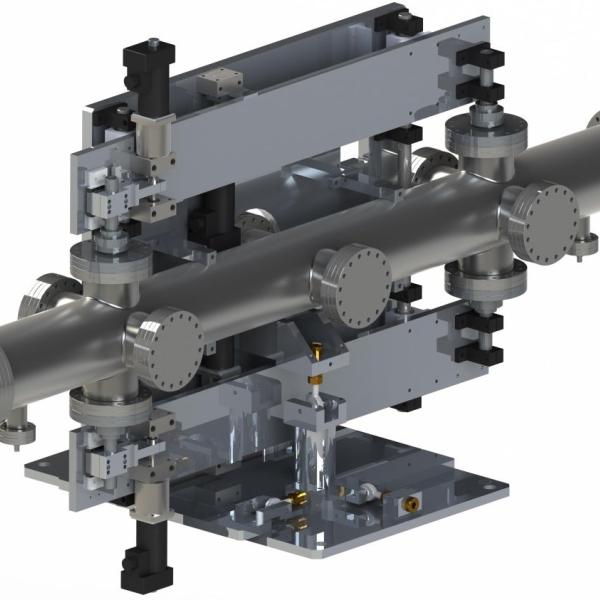
SLAC and RadiaBeam Systems have teamed up to construct a “dechirper” that will allow scientists to adjust the “color spectrum” of X-ray pulses in pioneering LCLS experiments.
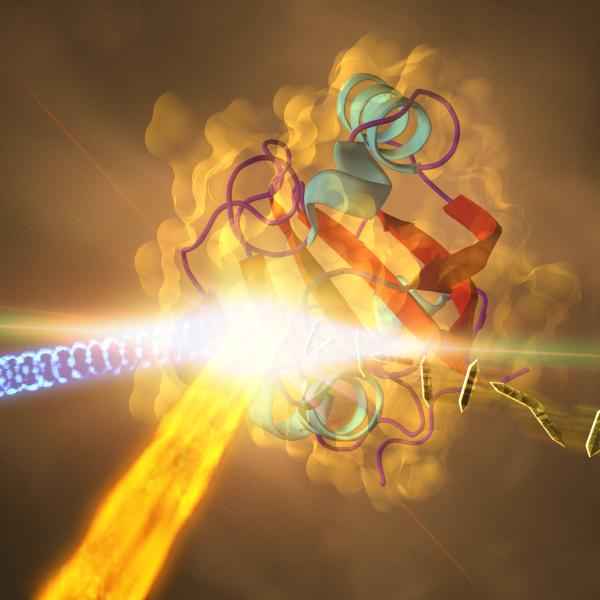
Scientists at the Department of Energy’s SLAC National Accelerator Laboratory are combining the speed and precision of robots with one of the brightest X-ray lasers on the planet for pioneering studies of proteins important to biology and drug discovery.
More than a dozen energy-storage companies have streamlined access to research facilities and expertise at SLAC under a new cooperative R&D agreement with CalCharge.
In this lecture, SLAC’s Ryan Coffee explains how researchers are beginning to use pattern recognition and machine learning to study chemical reactions at the level of atoms and molecules with the LCLS X-ray laser.