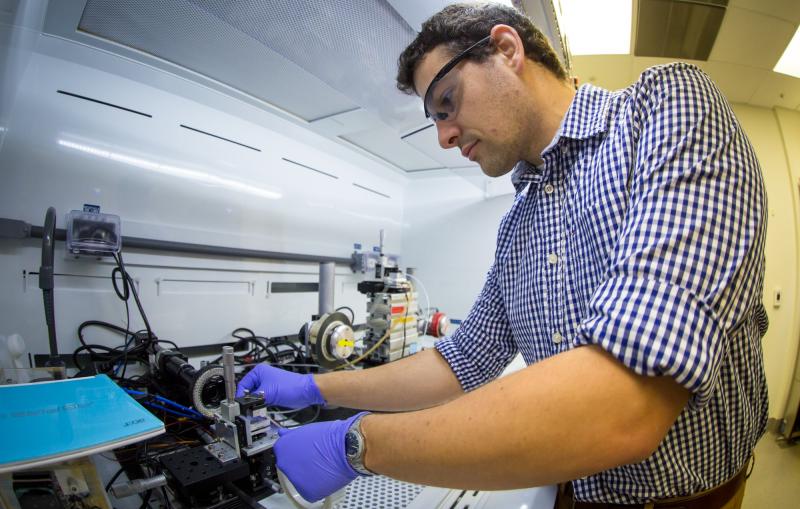
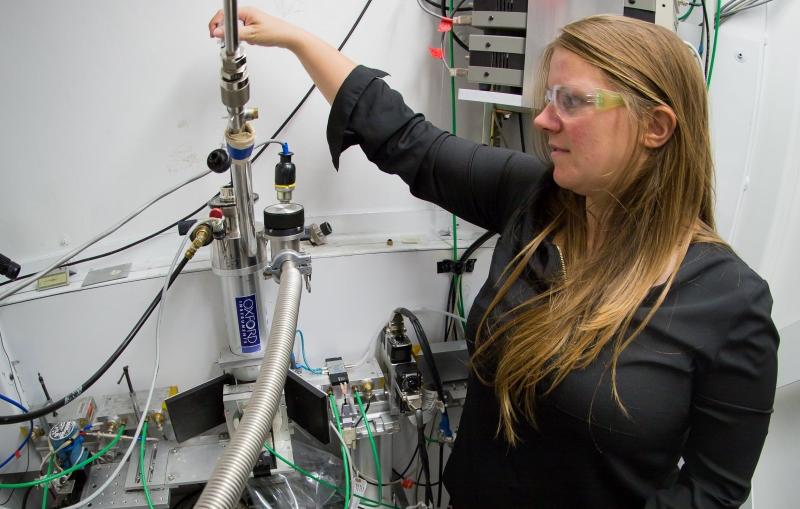
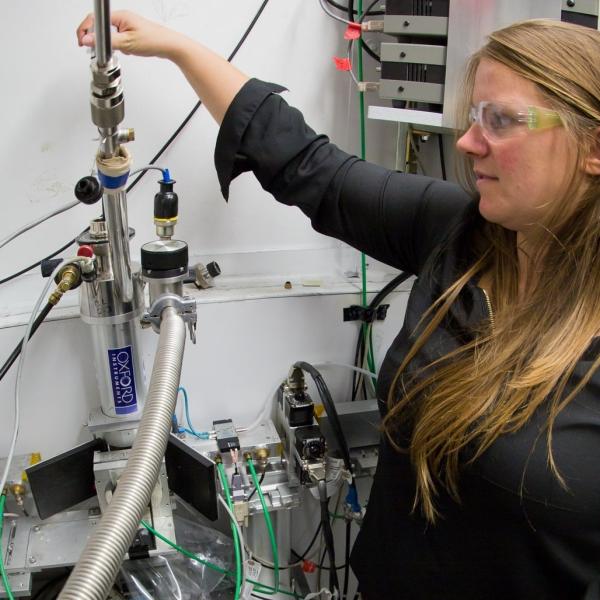
A process developed by Stanford and SLAC scientists has potential for scaling up to manufacture clear, flexible electrodes for solar cells, displays and other...
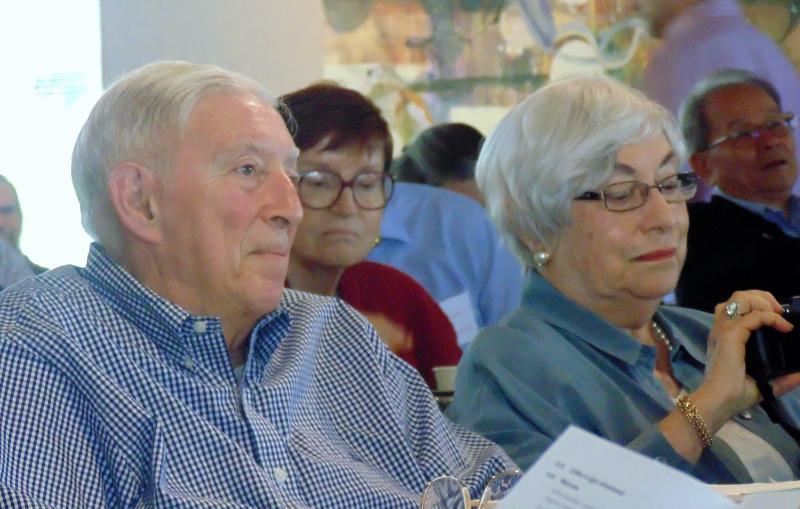
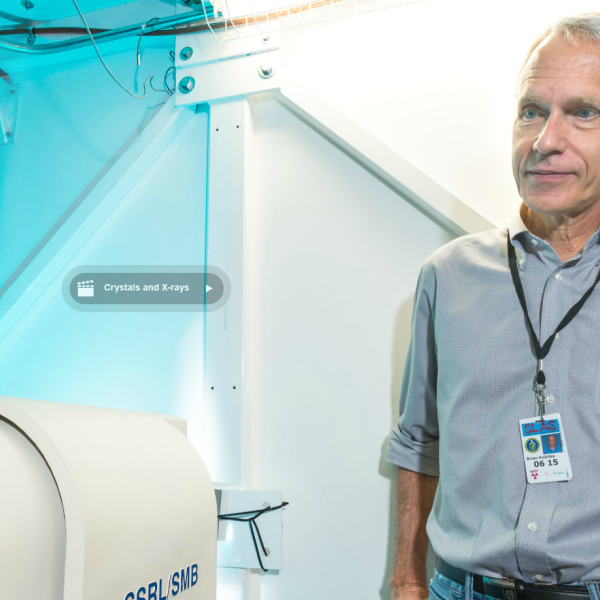
An all-day symposium recognized the professor emeritus for his many contributions to the scientific community, from pioneering synchrotron radiation research at SSRL to making...
A physicist at Argonne National Laboratory has been recognized for pioneering experiments at SLAC that helped establish a new way to study the structure...
X-ray research on 80-million-year-old fossilized burrows, likely the work of tiny marine worms, is helping scientists understand how living organisms affected the chemistry of...
A researcher who performed a variety of X-ray experiments at SLAC’s synchrotron will receive an annual scientific award during a SLAC conference next month.
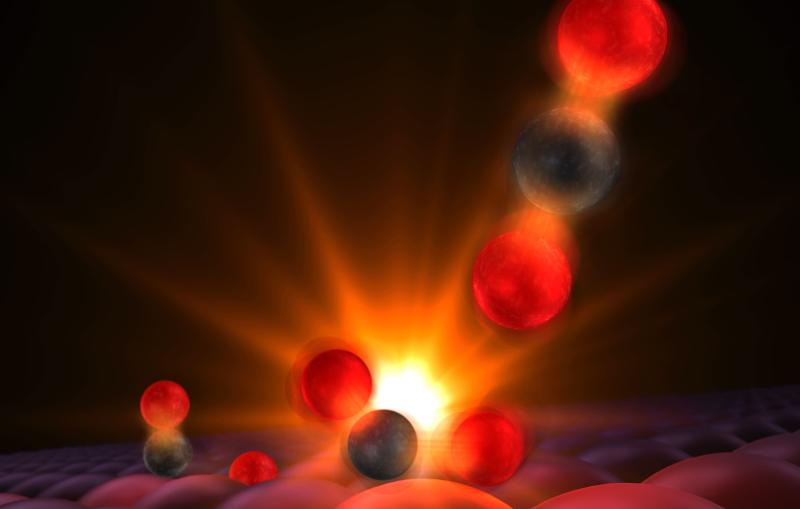
Using SLAC's X-ray laser, researchers have for the first time directly observed myoglobin move within quadrillionths of a second after a bond breaks and...
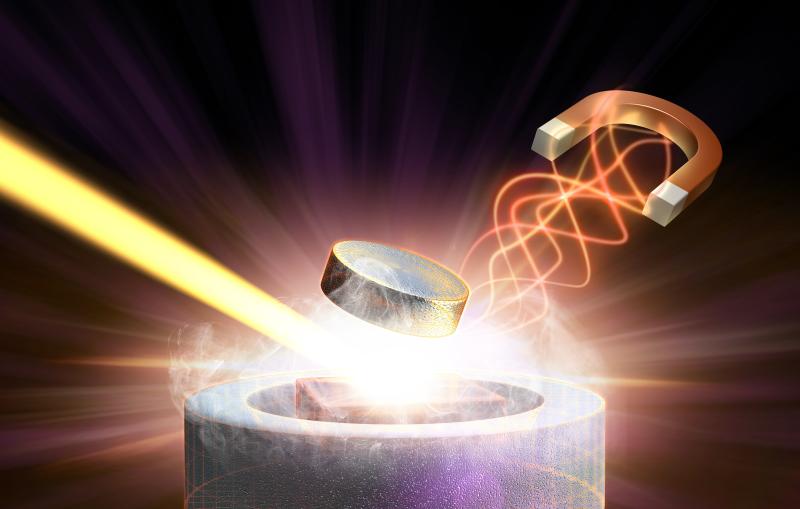
A team led by SLAC scientists combined powerful magnetic pulses with some of the brightest X-rays on the planet to discover a surprising 3-D effect that appears linked to a mysterious phenomenon known as high-temperature superconductivity.
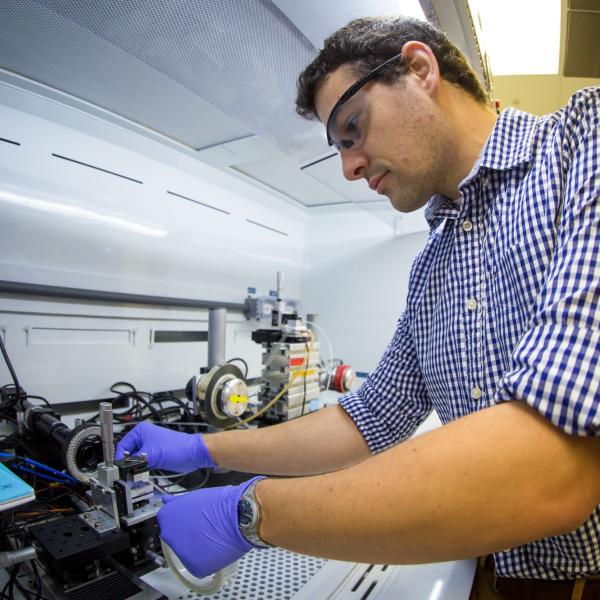
A process developed by Stanford and SLAC scientists has potential for scaling up to manufacture clear, flexible electrodes for solar cells, displays and other electronics.
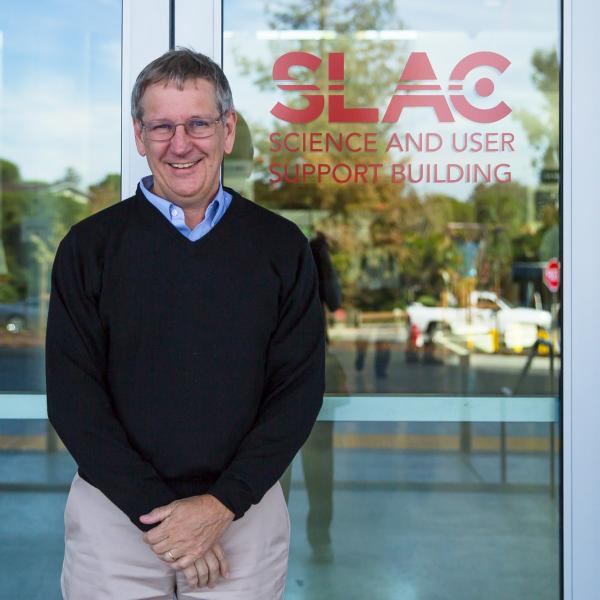
An all-day symposium recognized the professor emeritus for his many contributions to the scientific community, from pioneering synchrotron radiation research at SSRL to making science policies on Capitol Hill.
A physicist at Argonne National Laboratory has been recognized for pioneering experiments at SLAC that helped establish a new way to study the structure of complex materials.
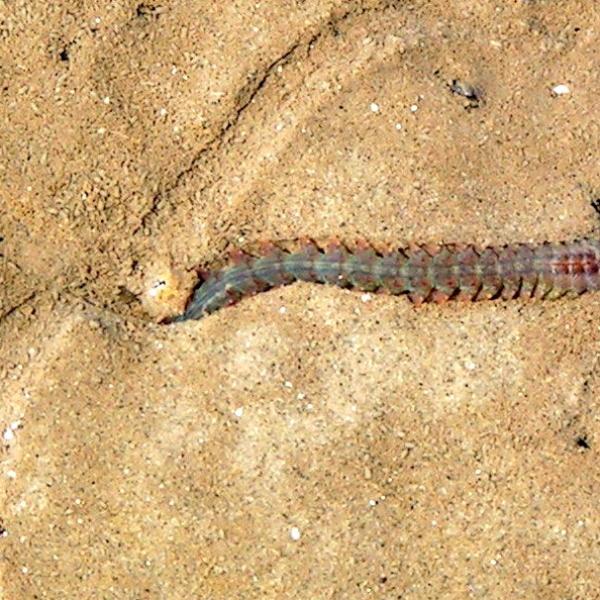
X-ray research on 80-million-year-old fossilized burrows, likely the work of tiny marine worms, is helping scientists understand how living organisms affected the chemistry of the sea floor.
A tiny change in the length of a chemical bond makes a big difference in the activity of a molecule important in health, drug development and chemical synthesis
A researcher who performed a variety of X-ray experiments at SLAC’s synchrotron will receive an annual scientific award during a SLAC conference next month.
Using SLAC's X-ray laser, researchers have for the first time directly observed myoglobin move within quadrillionths of a second after a bond breaks and the protein releases a gas molecule.
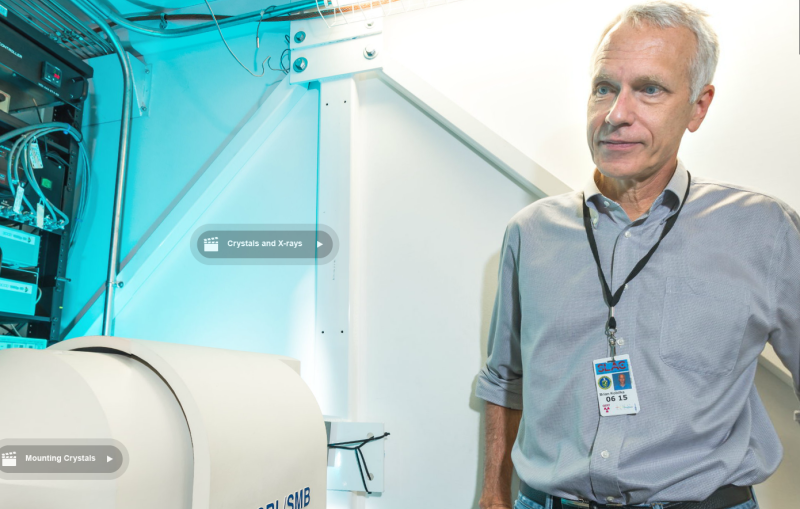
Visit the immersive Nobel Labs 360 website about Kobilka, including an interactive tour of his work at SSRL. To find the SSRL section, click twice on the window in the upper right corner.
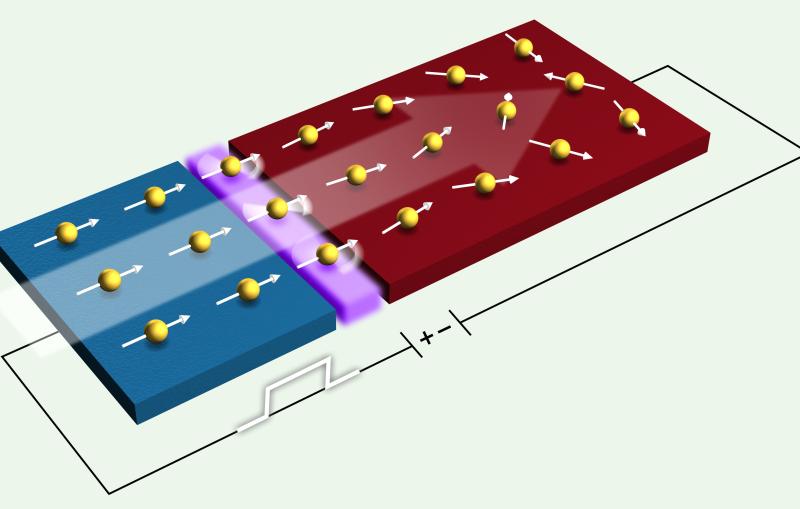
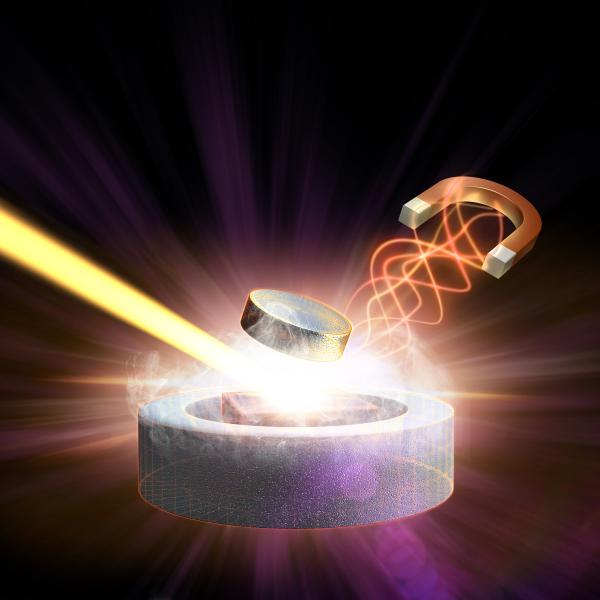
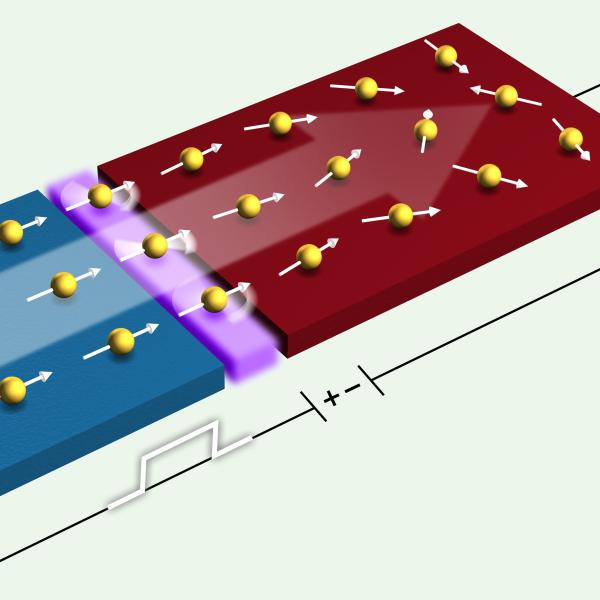
Researchers at SLAC have for the first time seen a spin current – an inherent magnetic property common to all electrons – as it travels across materials.