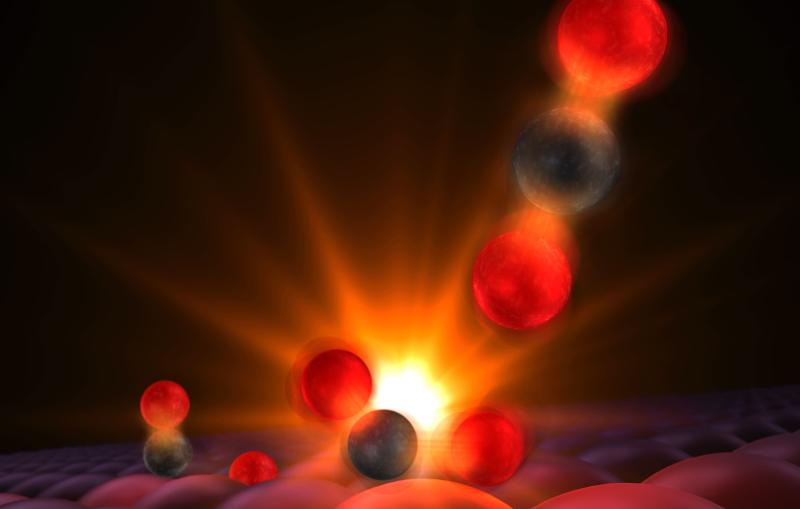
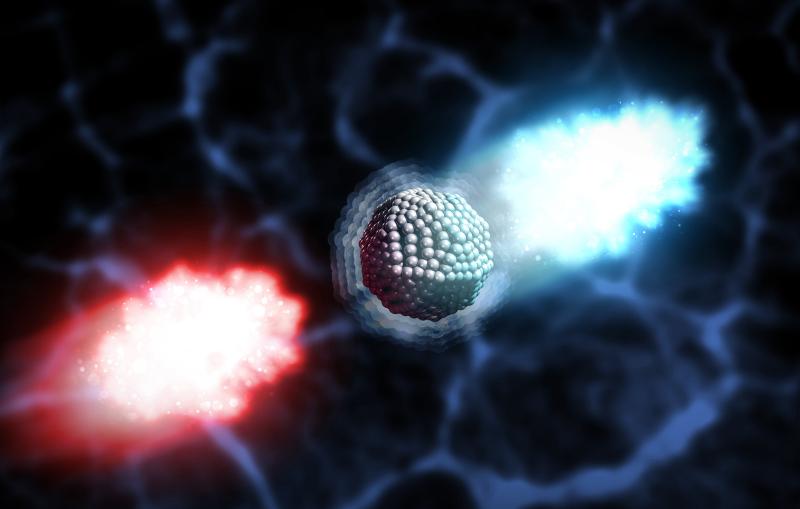
Toward next-generation electronics, better medications and green energy solutions: "The First Five Years" point to a bright future of high-impact discovery at LCLS.
Contributions to LIGO have come from many Stanford teams, including SLAC, Applied Physics, Mechanical Engineering, Aeronautics and Astronautics and the School of Earth, Energy...
A new study with the LCLS X-ray laser could change the way researchers take atomic-level snapshots of important biological machineries, potentially affecting research in...
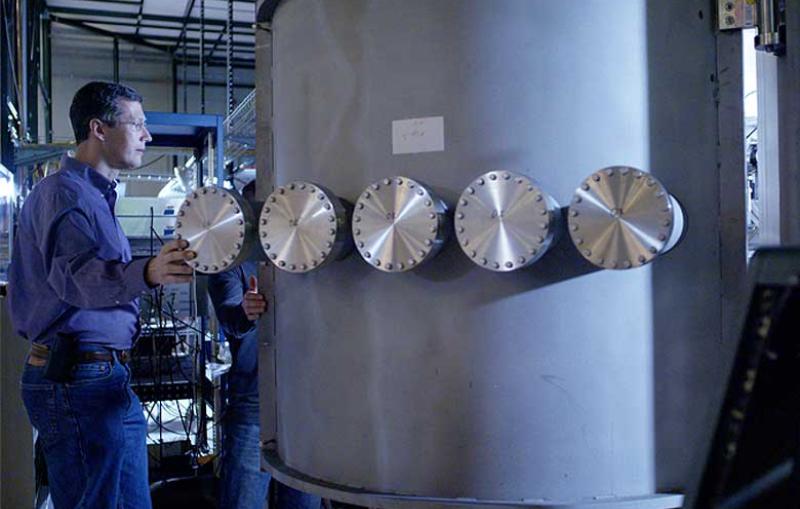
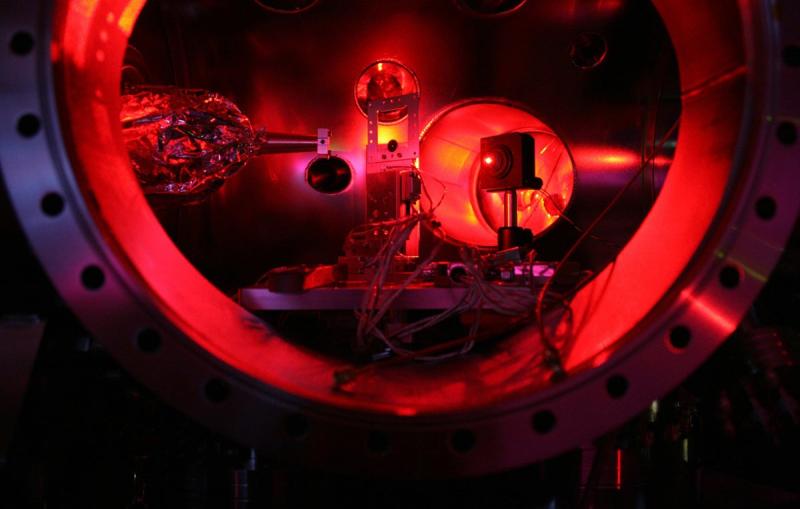
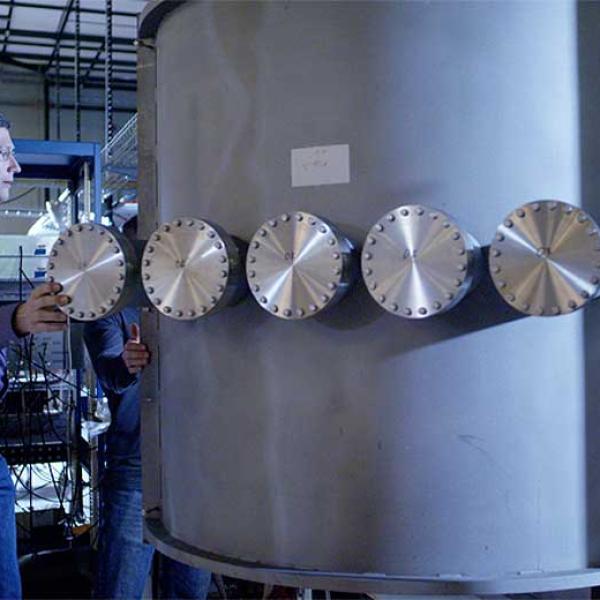
The 2010 experiment marked a significant step forward in understanding extreme states of matter at the hearts of stars, planets and nuclear fusion reactions.
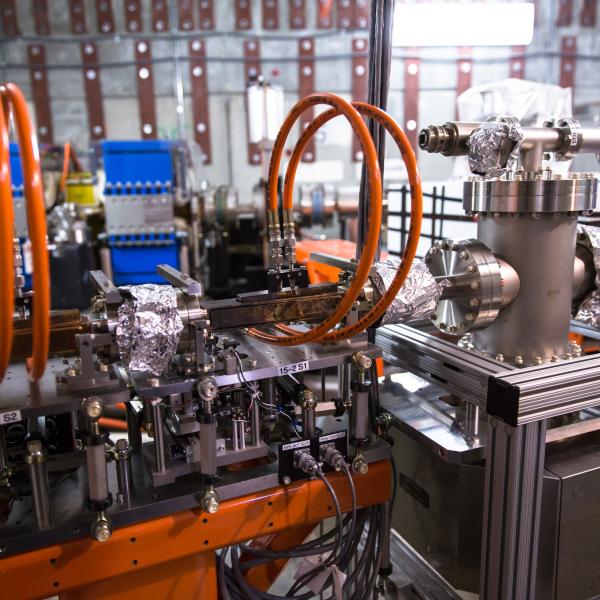
View photos of upgrades and new equipment at the Stanford Synchrotron Radiation Lightsource (SSRL) that will enable scientists to study photosynthesis, superconductors and other...
Scientists have determined in atomic detail how a potential drug molecule fits into and blocks a channel in cell membranes that Ebola and related “filoviruses” need to infect victims’ cells.
Toward next-generation electronics, better medications and green energy solutions: "The First Five Years" point to a bright future of high-impact discovery at LCLS.
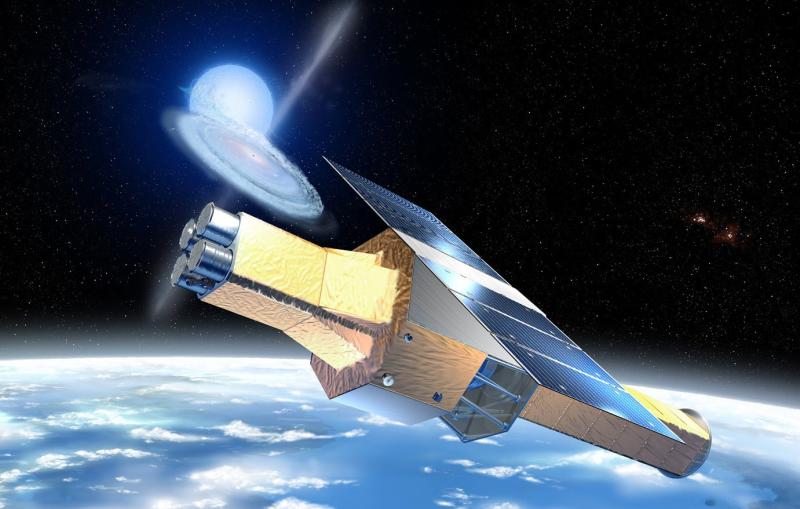
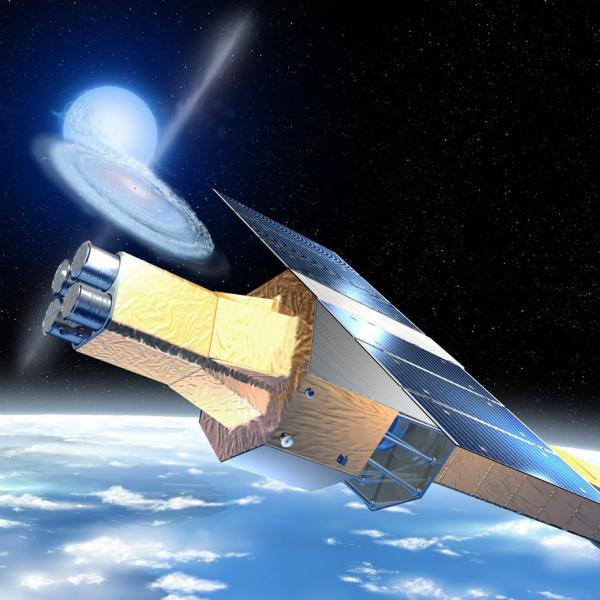
It will provide new insights into the physics of black holes, the formation of chemical elements, stars and galaxies, and the evolution of the universe itself.
Contributions to LIGO have come from many Stanford teams, including SLAC, Applied Physics, Mechanical Engineering, Aeronautics and Astronautics and the School of Earth, Energy and Environmental Sciences.
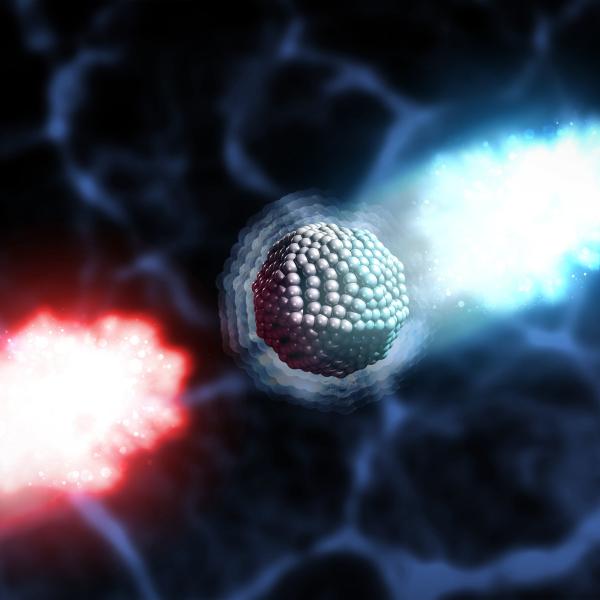
A new study with the LCLS X-ray laser could change the way researchers take atomic-level snapshots of important biological machineries, potentially affecting research in drug development, clean energy production and many more areas.
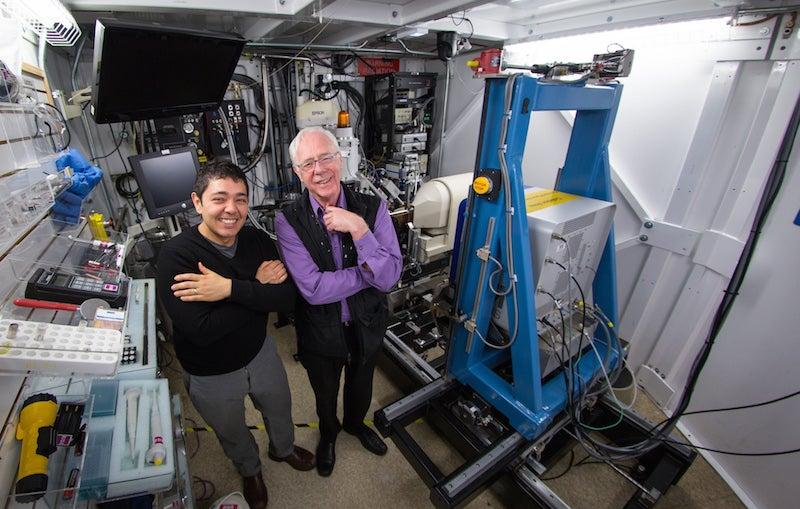
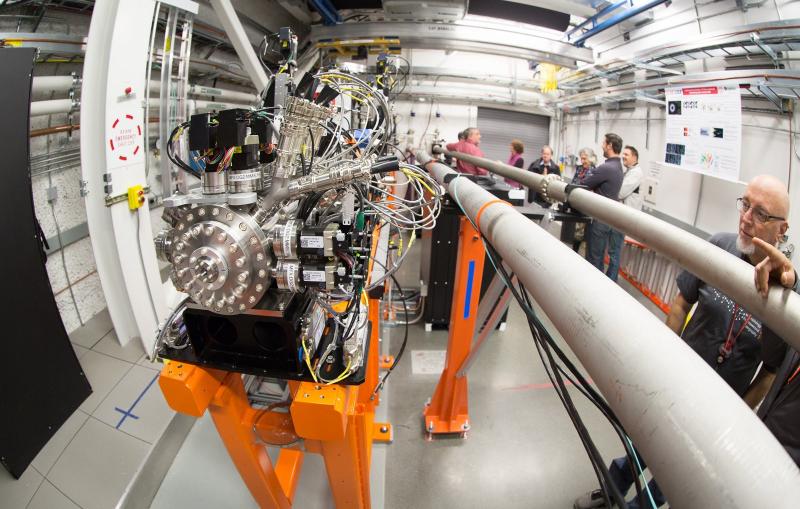
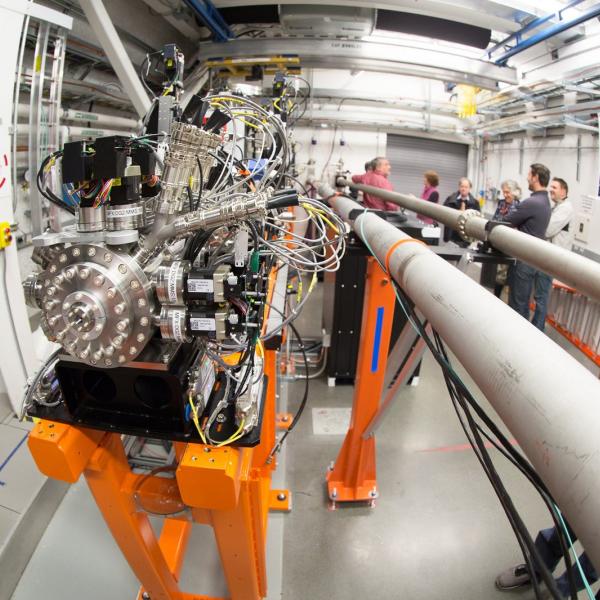
For the first time in three years, LCLS has added a new instrument to its set of experimental stations. See photos of the brand new MFX hutch, LCLS’s seventh instrument.
The 2010 experiment marked a significant step forward in understanding extreme states of matter at the hearts of stars, planets and nuclear fusion reactions.
Researchers at SLAC have found a simple new way to study very delicate biological samples – like proteins at work in photosynthesis and components of protein-making machines called ribosomes – at the atomic scale using SLAC's X-ray laser.
View photos of upgrades and new equipment at the Stanford Synchrotron Radiation Lightsource (SSRL) that will enable scientists to study photosynthesis, superconductors and other fields of research.
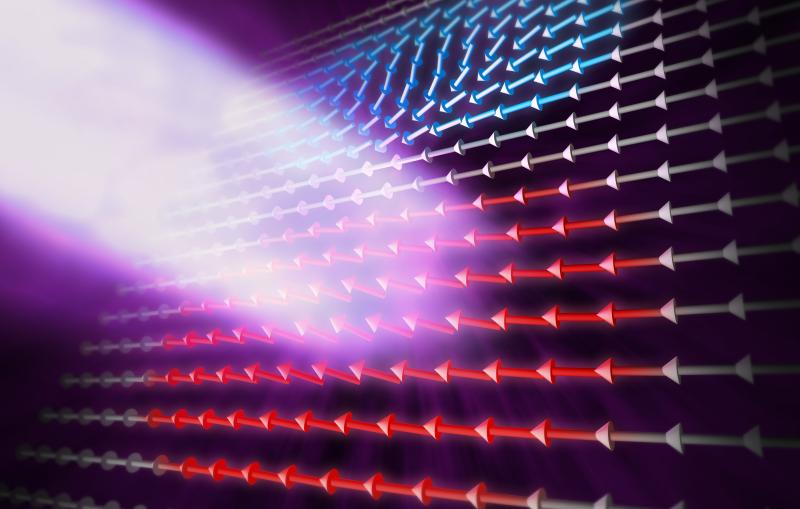
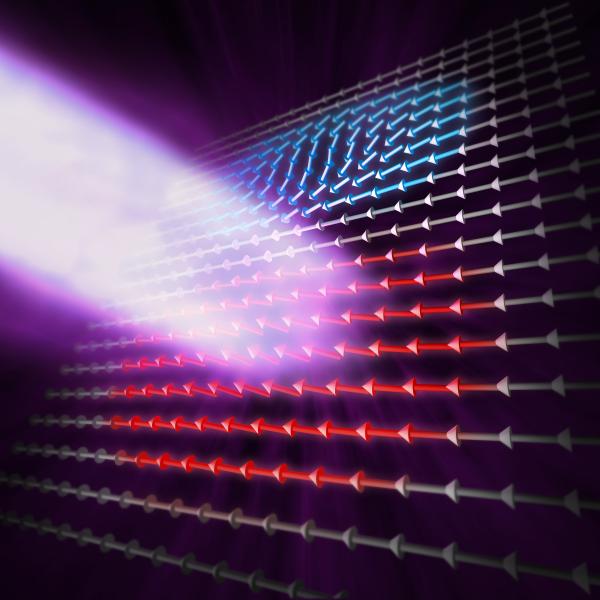
Scientists working at SLAC have for the first time directly observed a phenomenon that allows magnetic waves to travel a long distance with no resistance.