SLAC topics

X-ray science RSS feed

X-ray studies at SLAC facilities help scientists understand the fundamental workings of nature by probing matter in atomic detail.

atoms forming a tentative bond
Feature

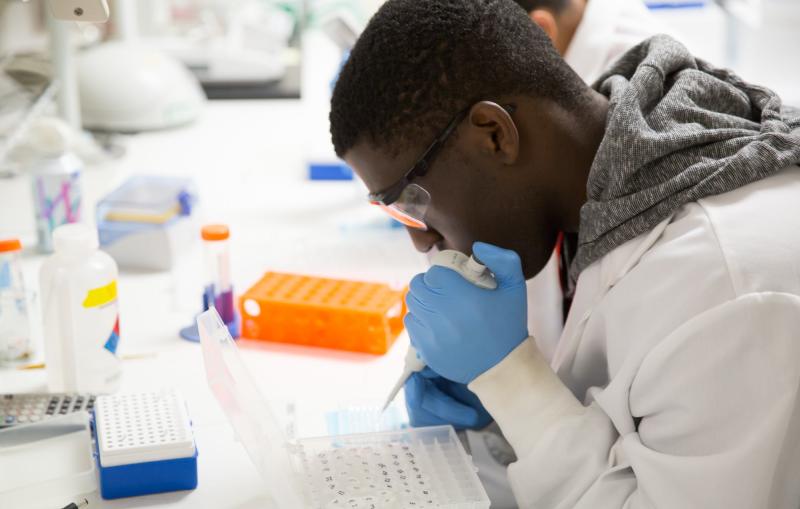
The team determined the 3-D structure of a biomolecule by tagging it with selenium atoms and taking hundreds of thousands of images.

Feature

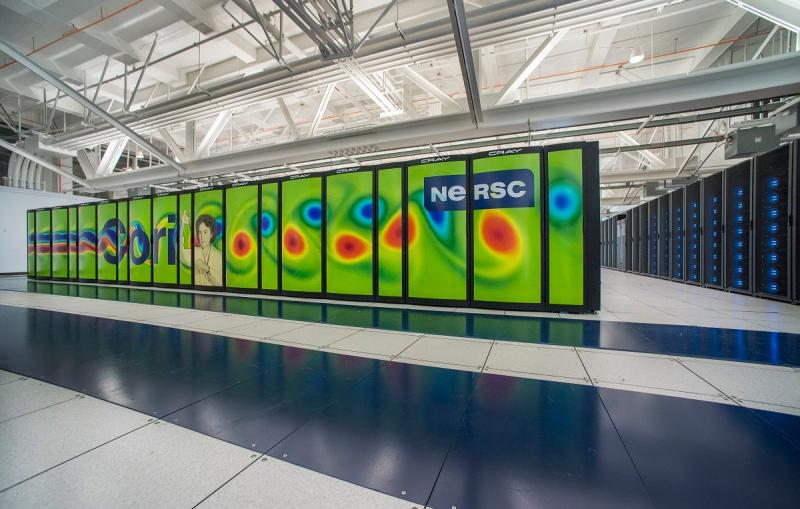
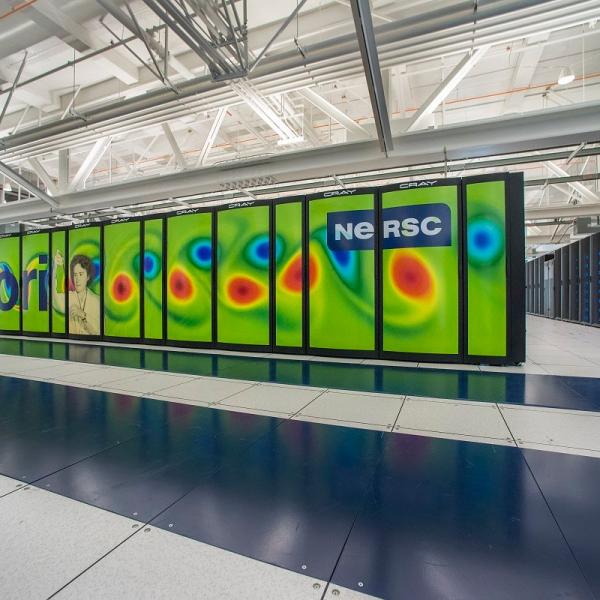
Two recently funded computing projects work toward developing cutting-edge scientific applications for future exascale supercomputers that can perform at least a billion billion computing...

Feature

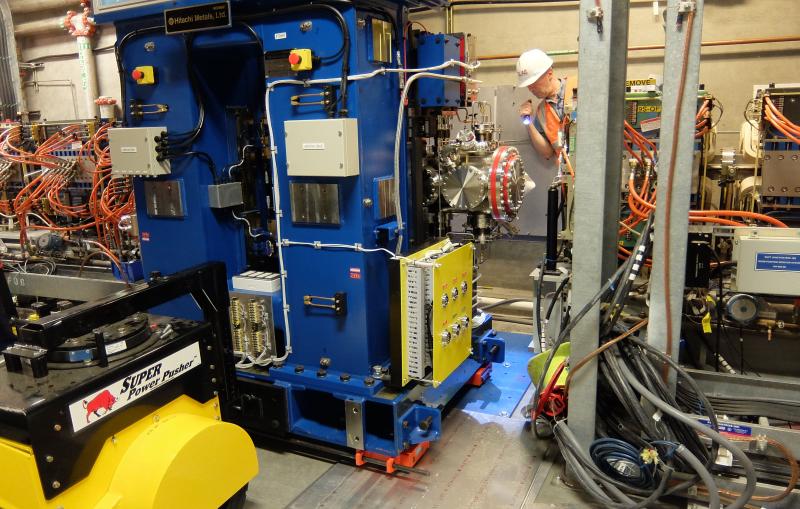
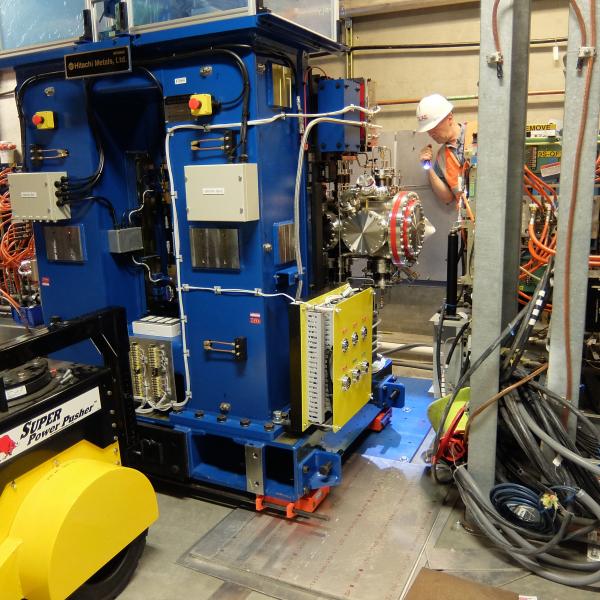
During a recent shutdown, engineers installed new beamline technology and a 3-D virtual tour captured rare views of the synchrotron’s interior.

New in-vacuum undulator
Feature

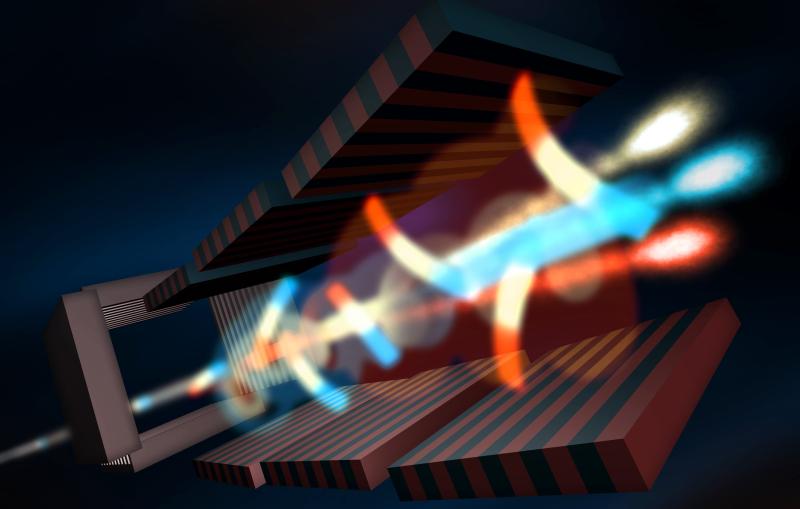
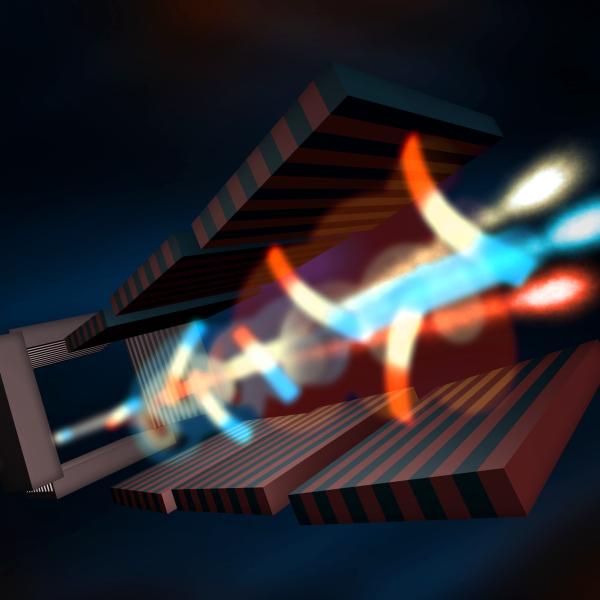
For the first time, scientists at SLAC’s X-ray laser have created bright, three-colored X-ray pulses.

Feature

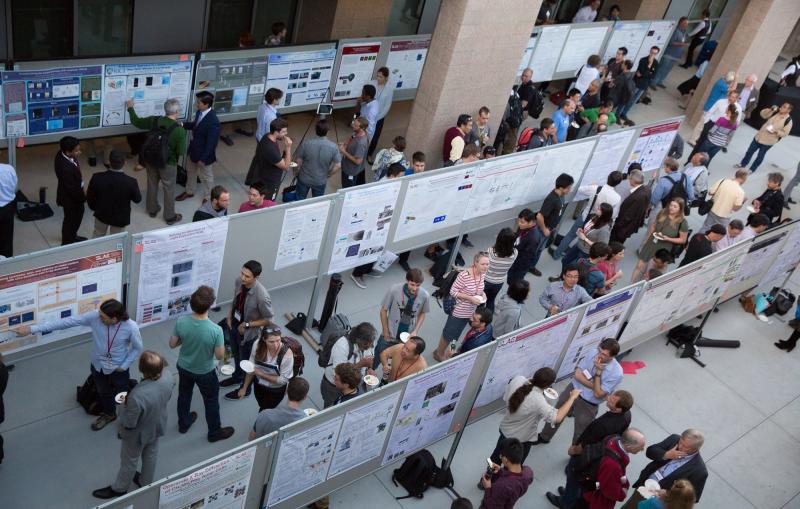
The event drew more than 400 participants, with workshops and presentations focusing on collaborations and new technology at SLAC’s light sources.

Feature

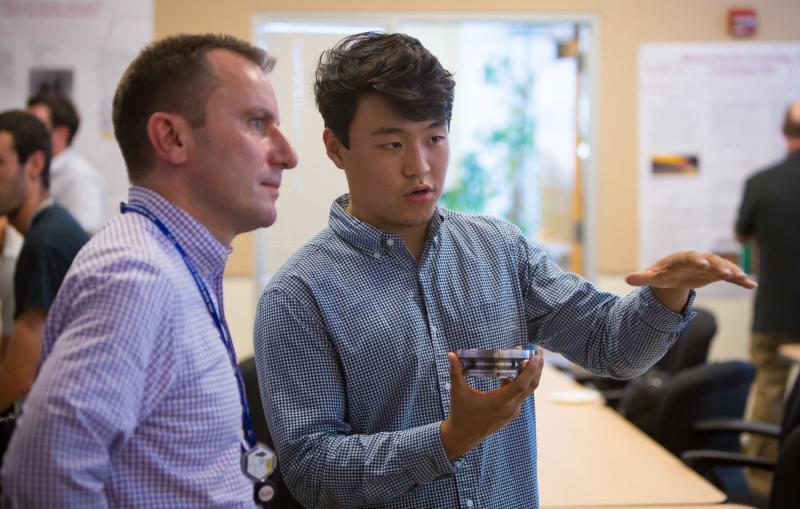
More than 40 interns spent 10 weeks this summer helping SLAC researchers advance the use of the Linac Coherent Light Source.

LCLS director Mike Dunne with intern Temuulen Batenkh​
Feature

Award honors accomplishments in condensed matter physics and electrochemistry at SSRL.

Trevor Petach
News Release

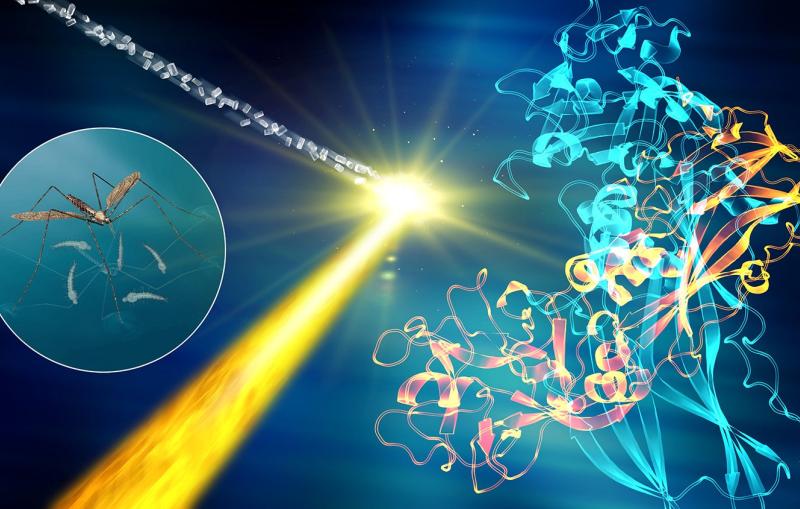
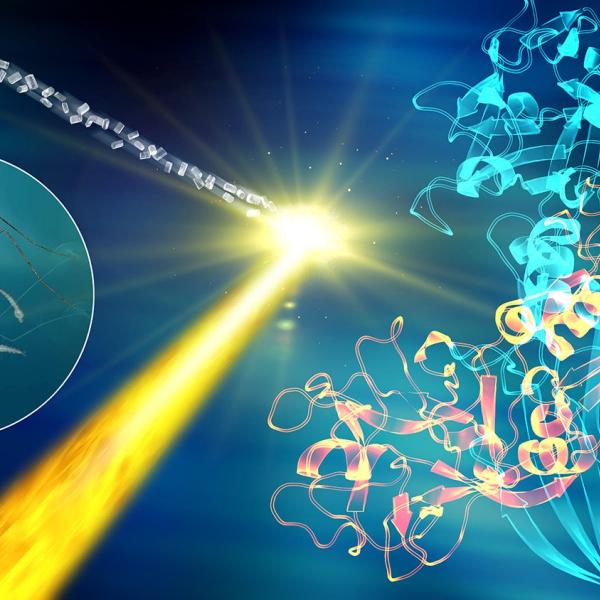
SLAC’s X-ray laser provides clues to engineering a new protein to kill mosquitos that carry dengue and Zika.

Scientists shed light on the three-dimensional structure of BinAB and its mode of action.
Feature

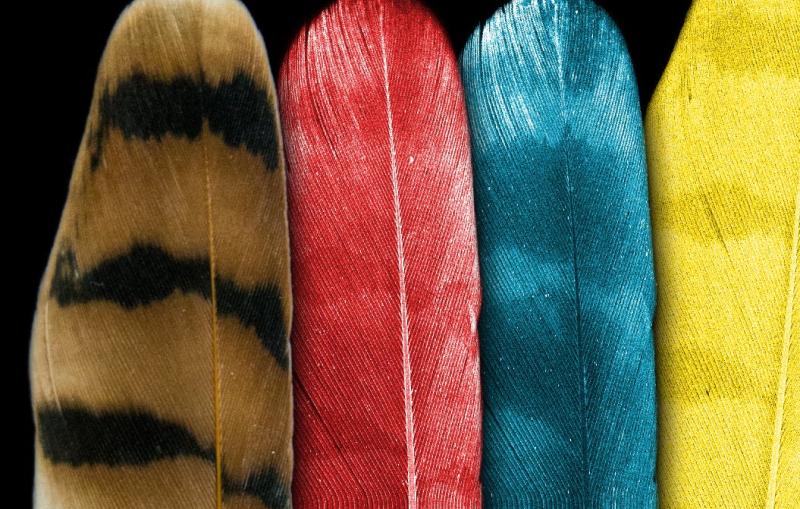
The discovery is one of the first steps towards mapping hues of fossilized species.

American kestrel feather
Feature

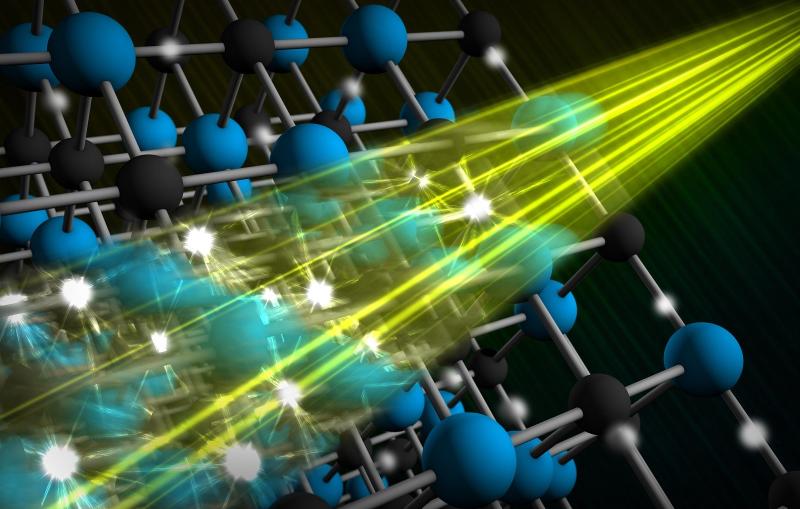
Understanding how a material’s electrons interact with vibrations of its nuclear lattice could help design and control novel materials, from solar cells to high-temperature...

News Release

Just as Schroedinger's Cat is both alive and dead, an atom or molecule can be in two different states at once. Now scientists have...

Illustration of a molecule splitting into two Schroedinger's Cat states
Feature

The fellowship will support their research into developing new methods of imaging tiny particles and understanding the properties of the Higgs boson.

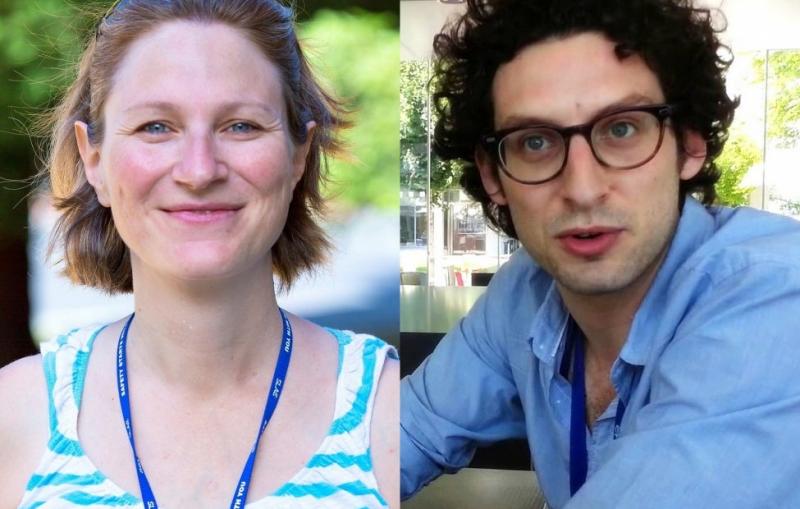
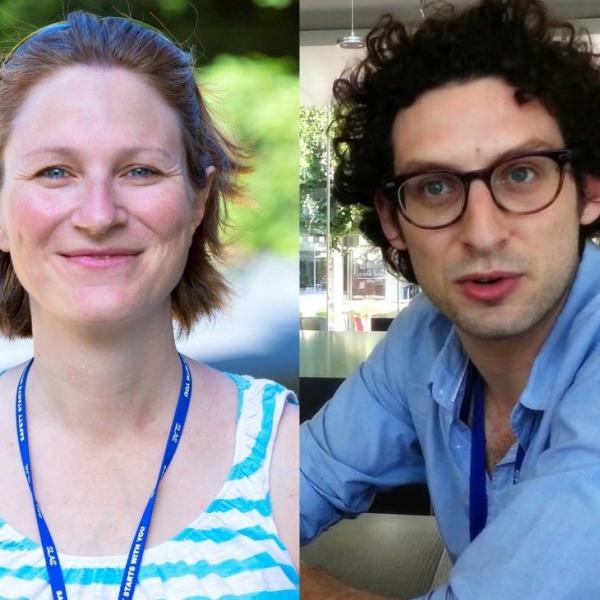
Tais Gorkhover and Michael Kagan, the 2016 Panofsky Fellows at SLAC