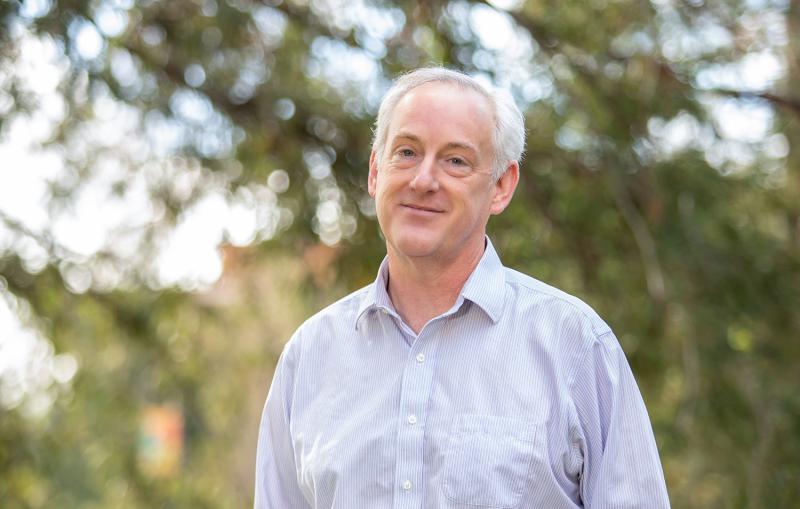
An associate scientist at SSRL, Richardson studies plant growth to find ways to enhance nutrient uptake in plants, especially in challenging conditions – such...
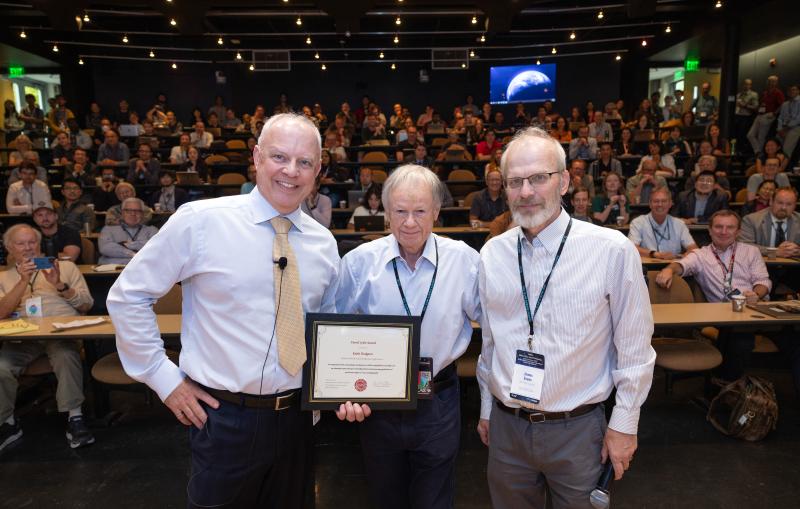
For nearly 50 years, Hodgson has illuminated the synchrotron radiation community through his pioneering research, innovations, leadership, advocacy and mentorship at the Stanford Synchrotron...
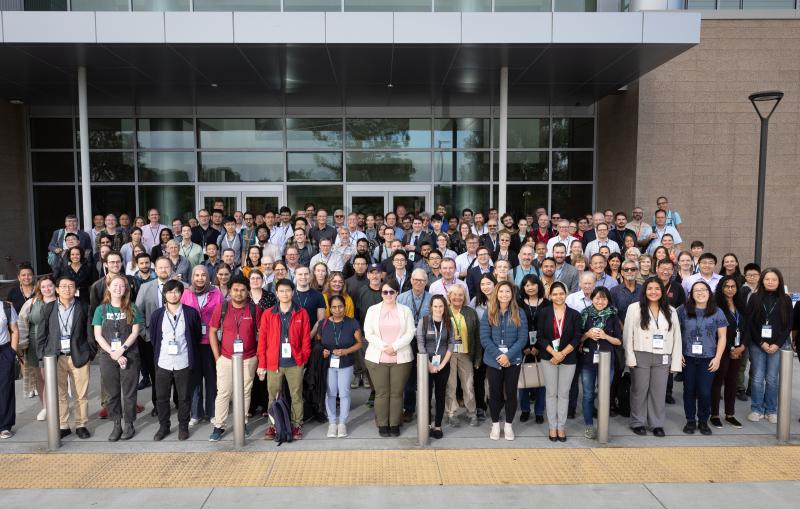
Scientists worldwide who conduct research at SLAC’s light sources shine light on latest discoveries and innovations in talks, workshops and discussions.
The high-energy upgrade will keep the U.S. at the forefront of X-ray science and technology, allowing researchers to advance fields such as sustainability, human...
Researchers across the lab are developing AI tools to harness data and particle beams in real time and make molecular movies, speeding up the discovery process in the era of big data.
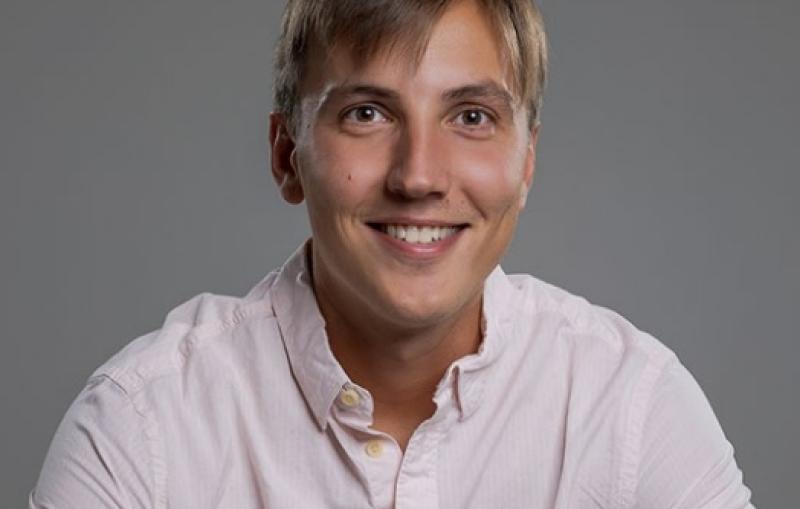
An associate scientist at SSRL, Richardson studies plant growth to find ways to enhance nutrient uptake in plants, especially in challenging conditions – such as higher temperatures, drought, and intense precipitation events – brought about by climate change.
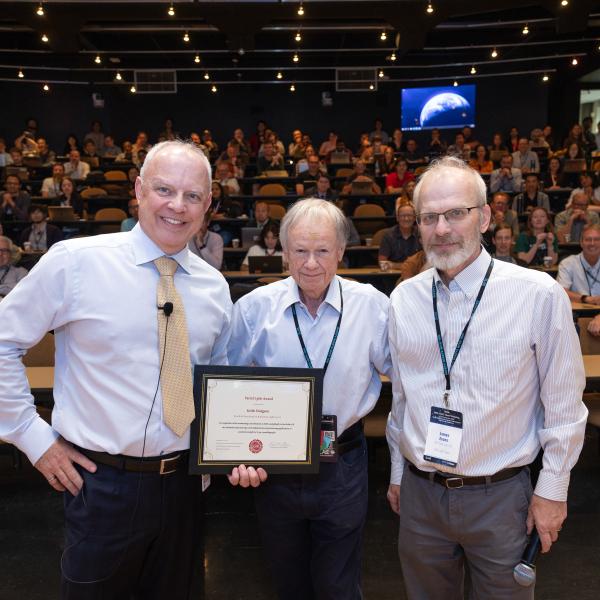
For nearly 50 years, Hodgson has illuminated the synchrotron radiation community through his pioneering research, innovations, leadership, advocacy and mentorship at the Stanford Synchrotron Radiation Lightsource.
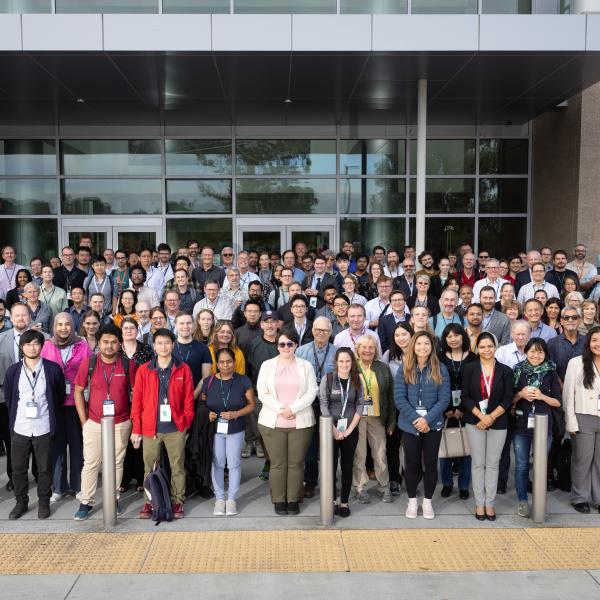
Scientists worldwide who conduct research at SLAC’s light sources shine light on latest discoveries and innovations in talks, workshops and discussions.
The high-energy upgrade will keep the U.S. at the forefront of X-ray science and technology, allowing researchers to advance fields such as sustainability, human health and quantum information.