By placing the tiniest strands of proteins on one-atom-thick graphene, scientists capture promising X-ray laser images of these elusive biomolecules that play a key...
Like turning a snowball back into fluffy snow, a new technique turns high-density materials into a lower-density one by applying the chemical equivalent of...
The liquid sheets – less than 100 water molecules thick – will let researchers probe chemical, physical and biological processes, and even the nature...
The foils, each made from a single chemical element, are used to calibrate X-ray equipment at SLAC’s SSRL synchrotron, and were donated by long-time...
SLAC and its collaborators are transforming the way new materials are discovered. In a new report, they combine artificial intelligence and accelerated experiments to...
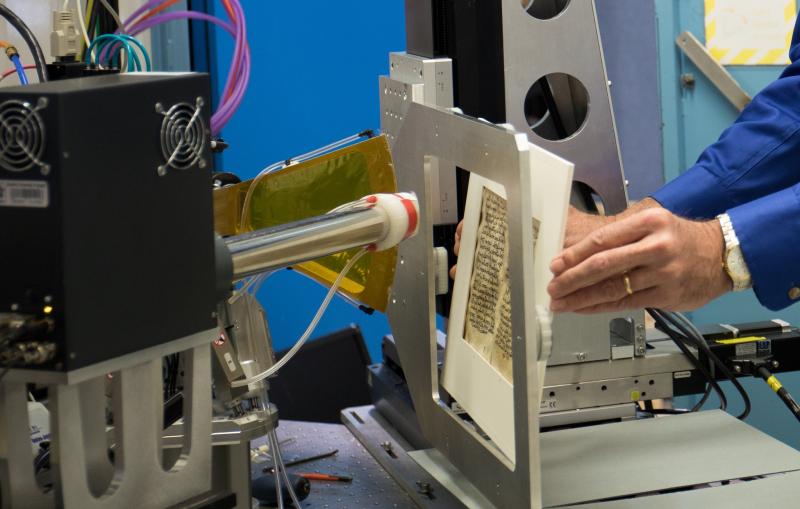
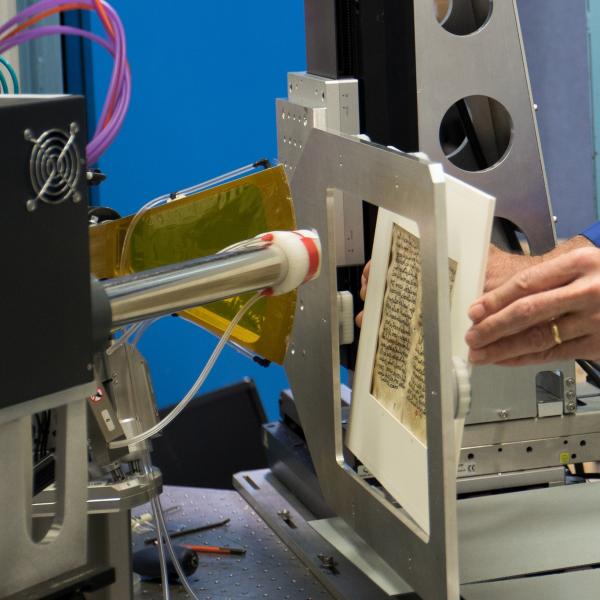
With X-ray imaging at SLAC’s synchrotron, scientists uncovered a 6th century translation of a book by the Greek-Roman doctor Galen. The words had been...
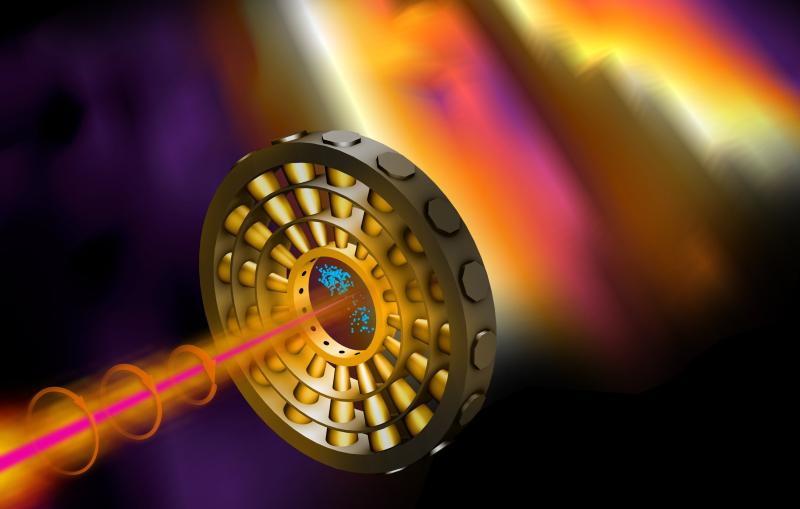
Using SLAC’s X-ray laser, researchers have made detailed 3-D images of nanoscale biology, with future applications in the study of air pollution, combustion and...
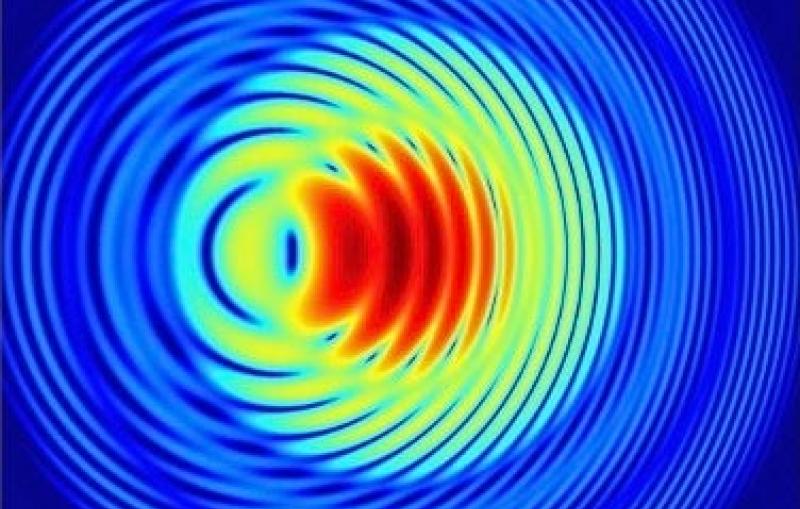
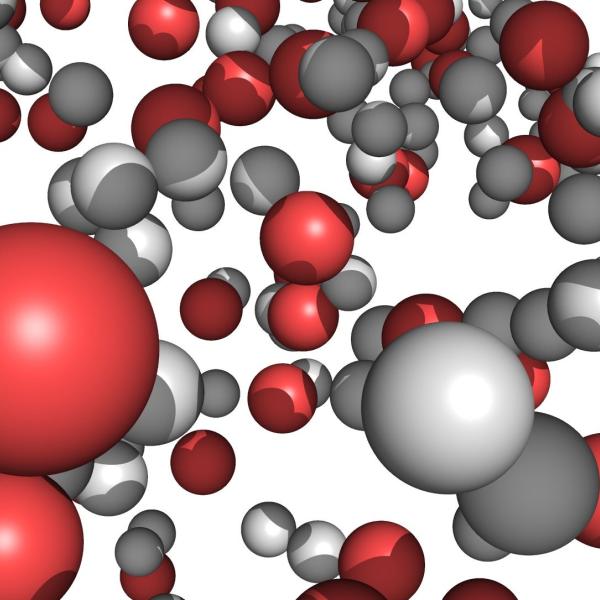
Water is more complicated than it seems. Now a study led by researchers at Stockholm University has probed the movements of its molecules on a timescale of millionths of a billionth of a second.
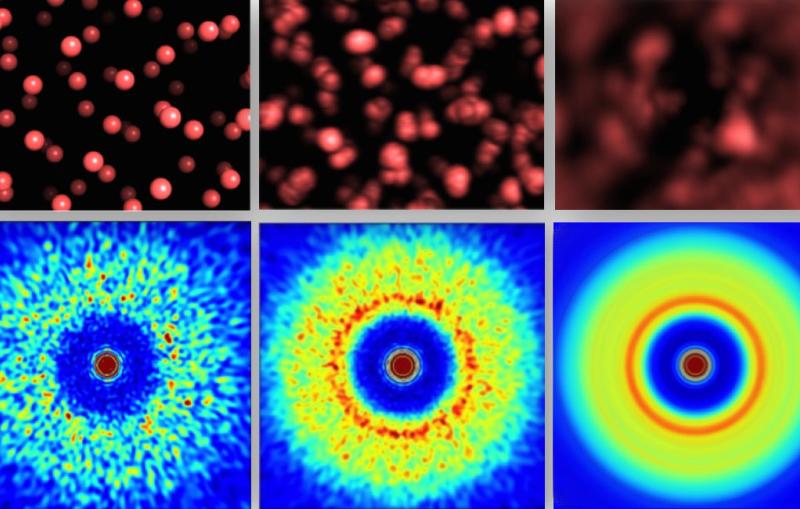
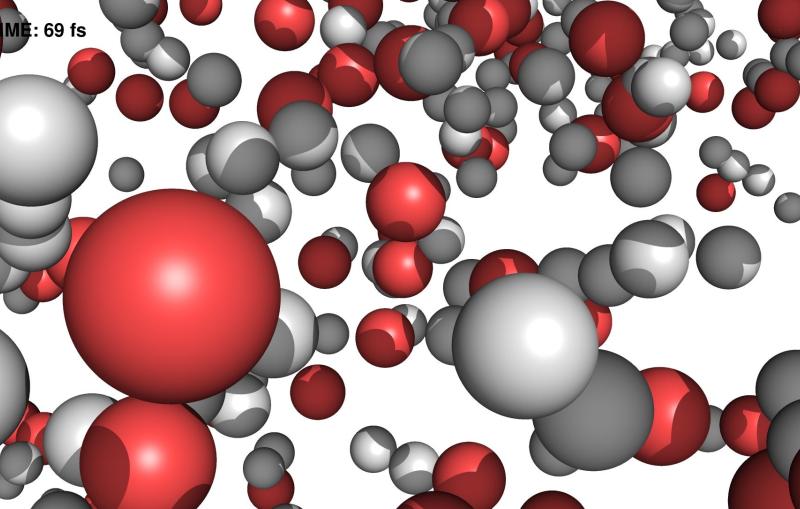
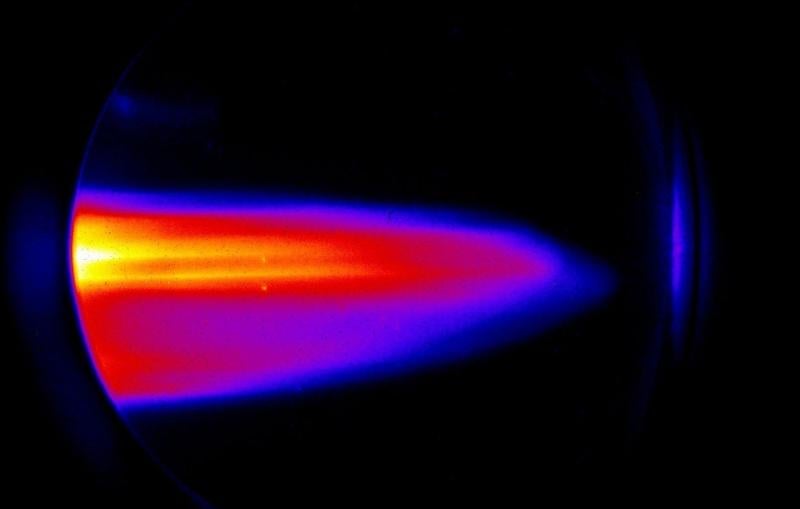
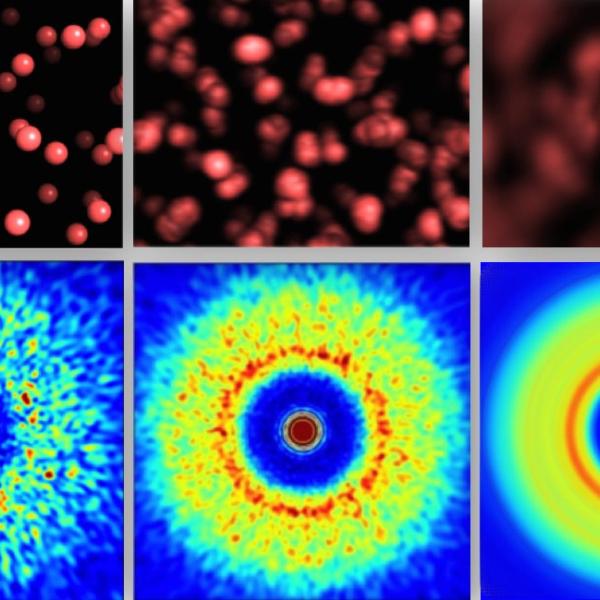
Experiments at SLAC heated water from room temperature to 100,000 degrees Celsius in less than a millionth of a millionth of a second, producing an exotic state of water that could shed light on Earth’s most important liquid.
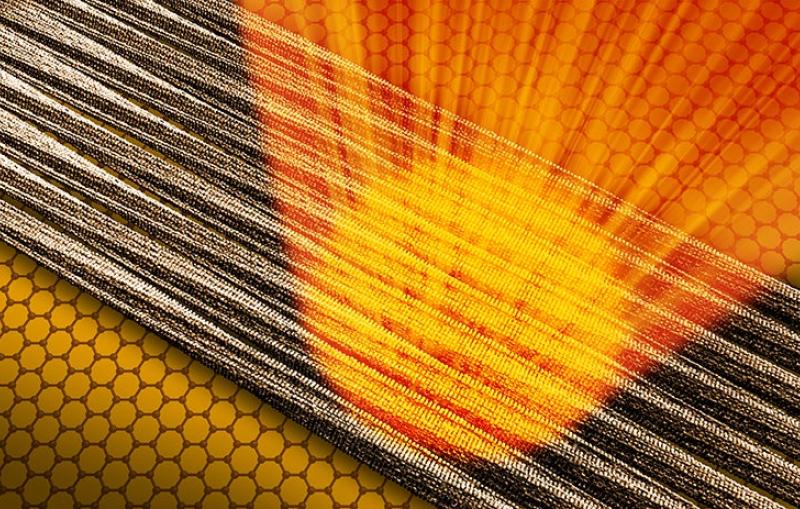
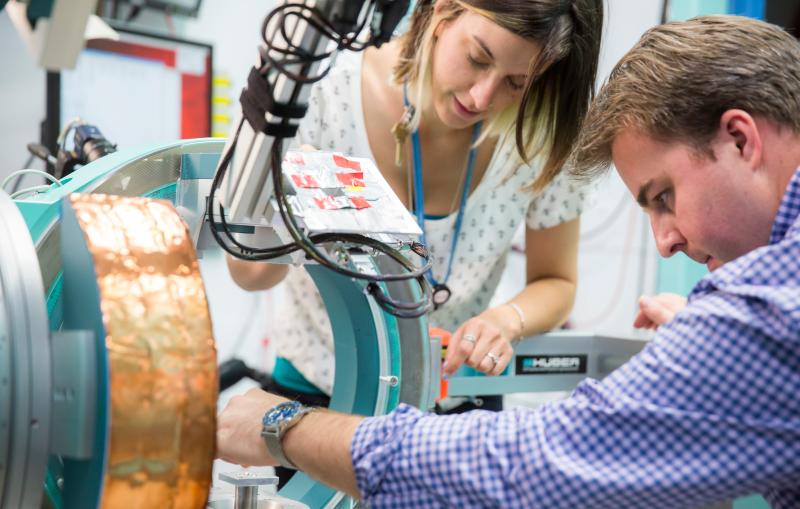
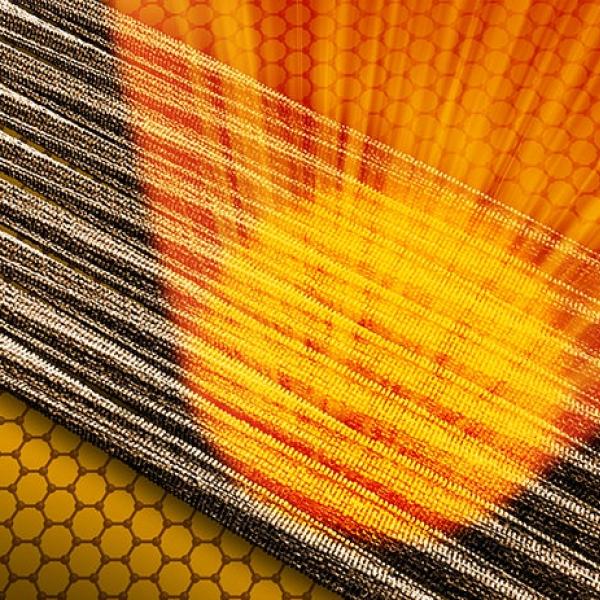
By placing the tiniest strands of proteins on one-atom-thick graphene, scientists capture promising X-ray laser images of these elusive biomolecules that play a key role in neurodegenerative diseases.
Like turning a snowball back into fluffy snow, a new technique turns high-density materials into a lower-density one by applying the chemical equivalent of ‘negative pressure.’
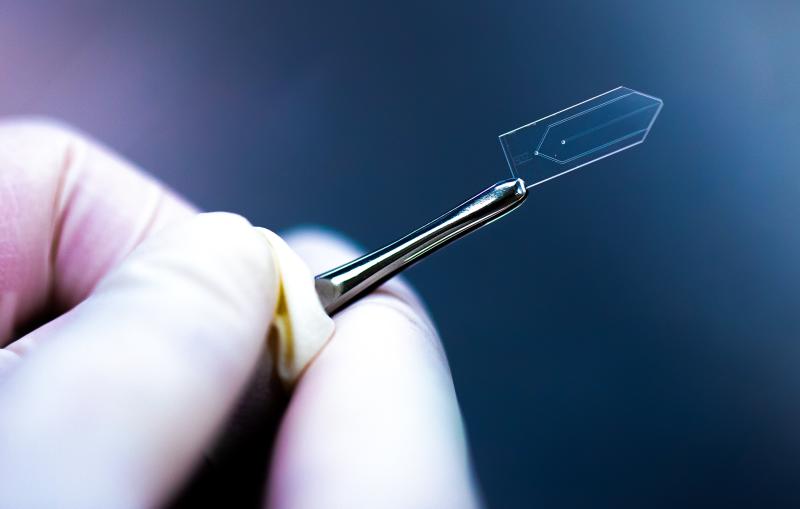
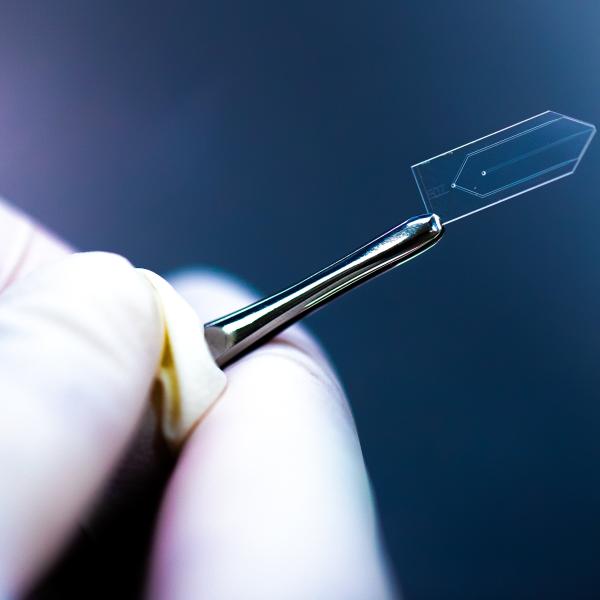
The liquid sheets – less than 100 water molecules thick – will let researchers probe chemical, physical and biological processes, and even the nature of water itself, in a way they could never do before.
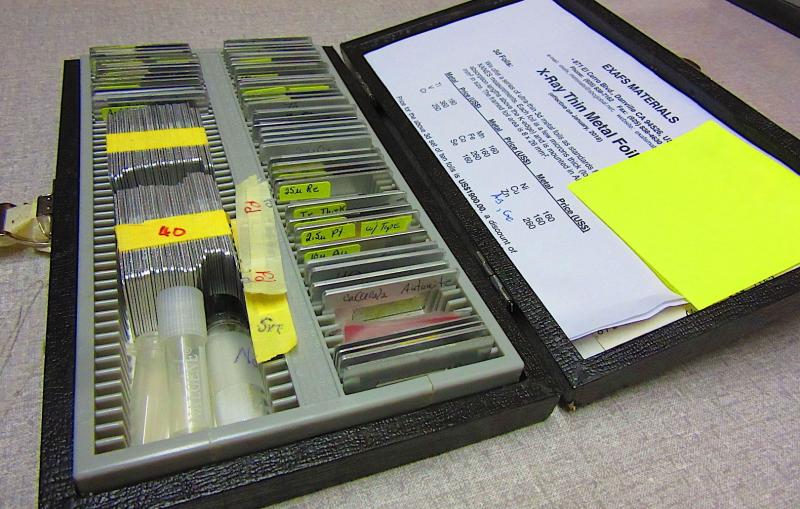
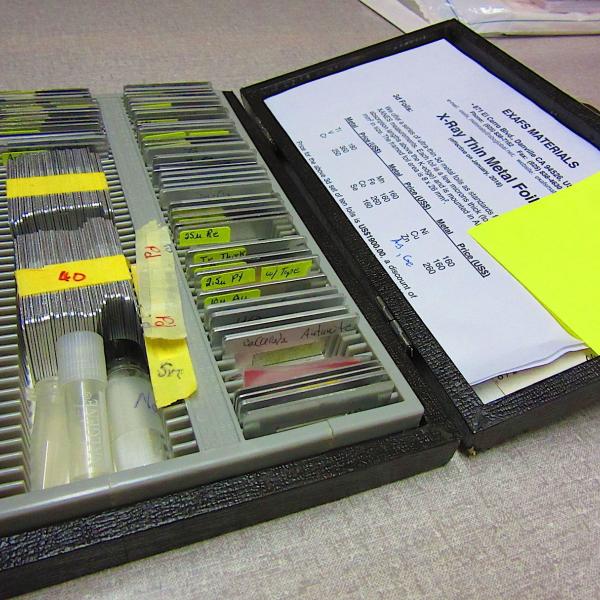
The foils, each made from a single chemical element, are used to calibrate X-ray equipment at SLAC’s SSRL synchrotron, and were donated by long-time user, Farrel Lytle.
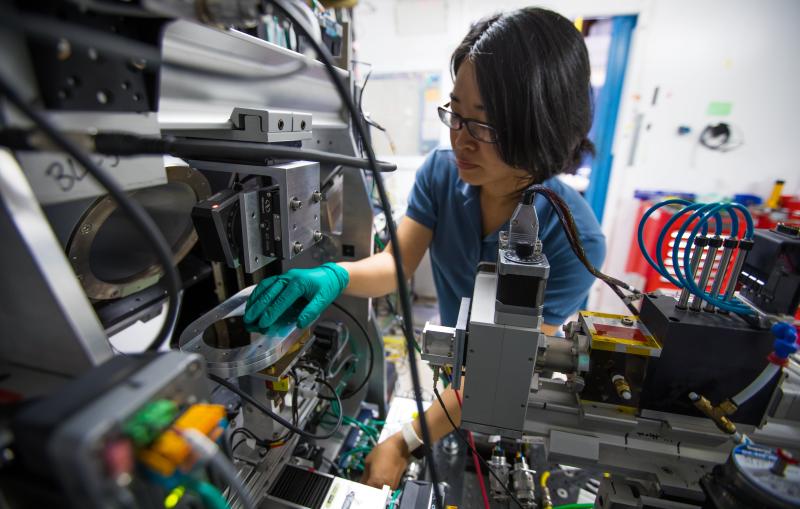
SLAC and its collaborators are transforming the way new materials are discovered. In a new report, they combine artificial intelligence and accelerated experiments to discover potential alternatives to steel in a fraction of the time.
When it comes to making molecular movies, producing the world’s fastest X-ray pulses is only half the battle. A new technique reveals details about the timing and energy of pulses that are less than a millionth of a billionth of...
With X-ray imaging at SLAC’s synchrotron, scientists uncovered a 6th century translation of a book by the Greek-Roman doctor Galen. The words had been scraped off the parchment manuscript and written over with hymns in the 11th century.
Using SLAC’s X-ray laser, researchers have made detailed 3-D images of nanoscale biology, with future applications in the study of air pollution, combustion and catalytic processes.