SLAC topics

X-ray light sources and electron imaging RSS feed

X-ray light sources and electron imaging are advanced techniques used to study the structure and properties of materials. X-ray light sources use high-energy photons to produce X-rays, while electron imaging uses high-energy electrons to produce detailed images of samples. 

Browse tagged content

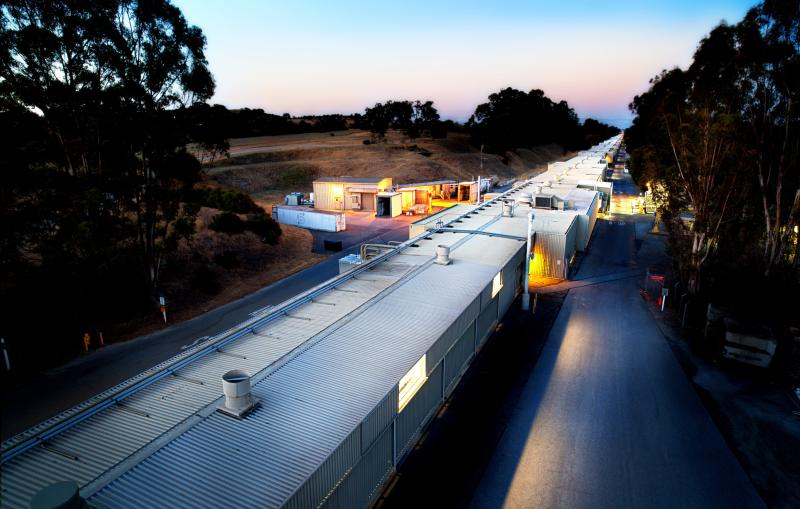
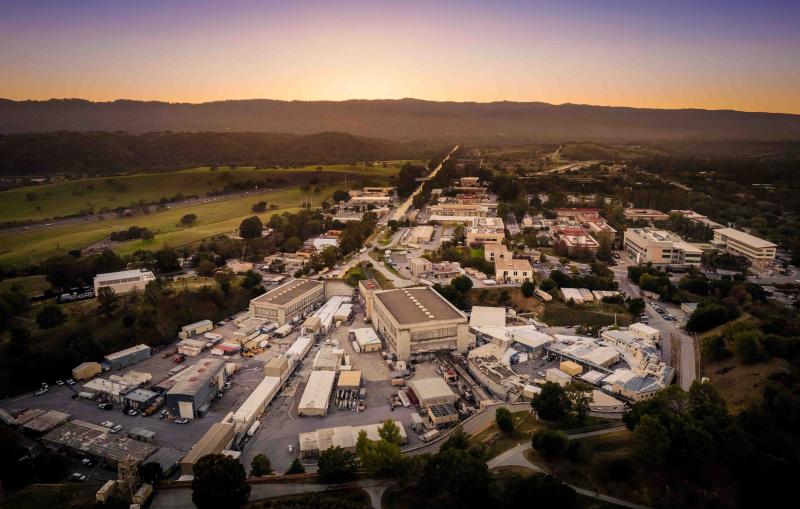
Aerial view of SLAC
Feature

Scientists have determined in atomic detail how a potential drug molecule fits into and blocks a channel in cell membranes that Ebola and related...

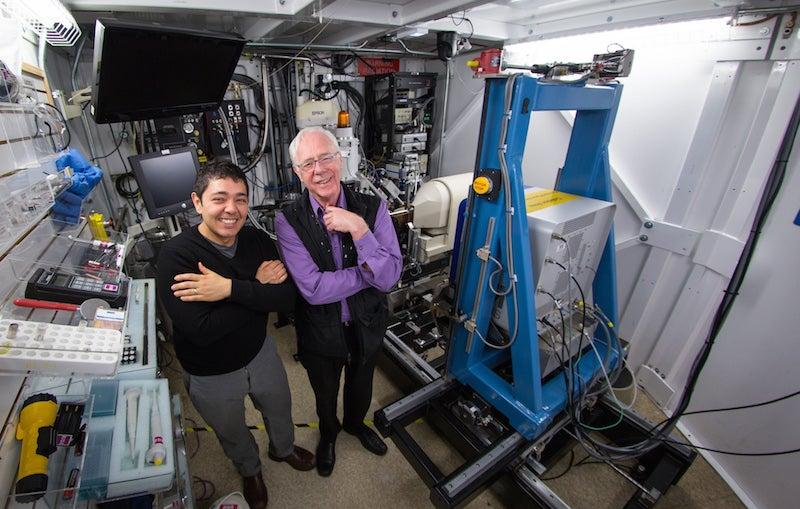
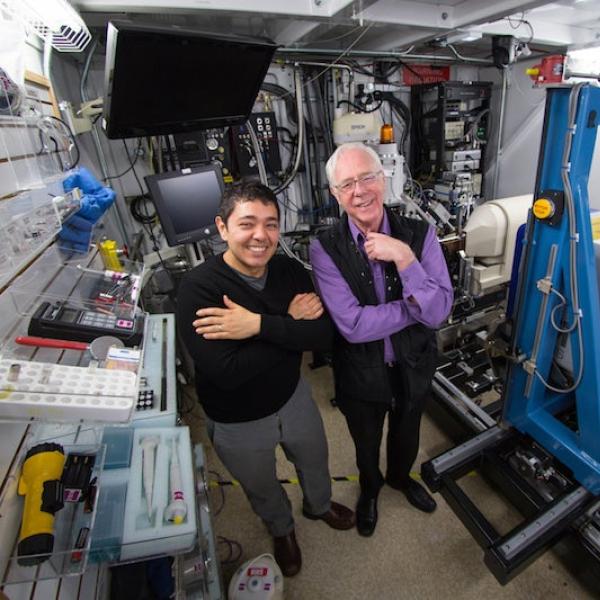
Alex Kintzer and Robert Stroud at SLAC's Stanford Synchrotron Radiation Light Source.
Feature

Toward next-generation electronics, better medications and green energy solutions: "The First Five Years" point to a bright future of high-impact discovery at LCLS.

Feature

Contributions to LIGO have come from many Stanford teams, including SLAC, Applied Physics, Mechanical Engineering, Aeronautics and Astronautics and the School of Earth, Energy...

Feature

This surprising finding has potentially broad implications, from X-ray imaging of single particles to fusion research.

Feature
VIA SLAC Flickr

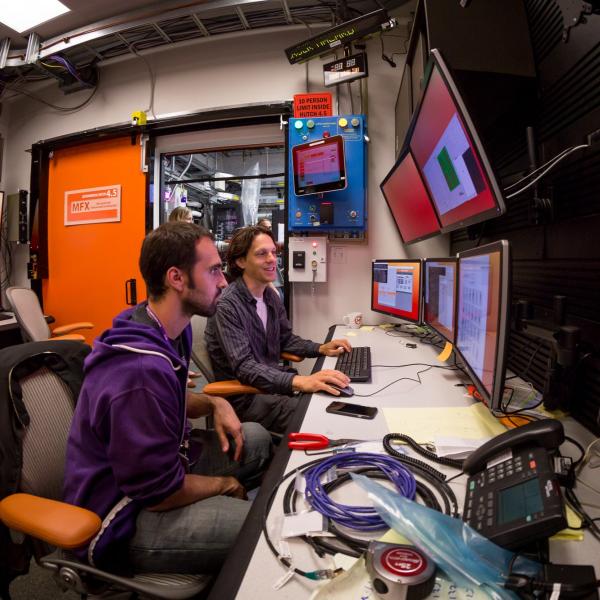
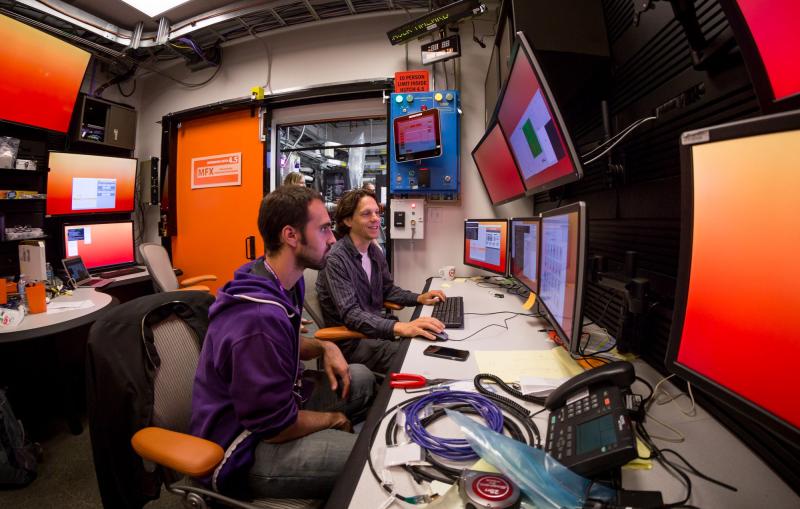
MFX First Light

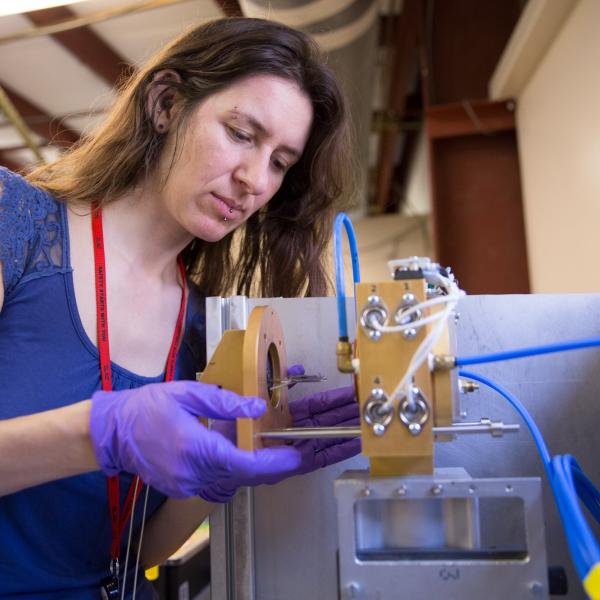
For the first time in three years, LCLS has added a new instrument to its set of experimental stations. See photos of the brand...

Feature

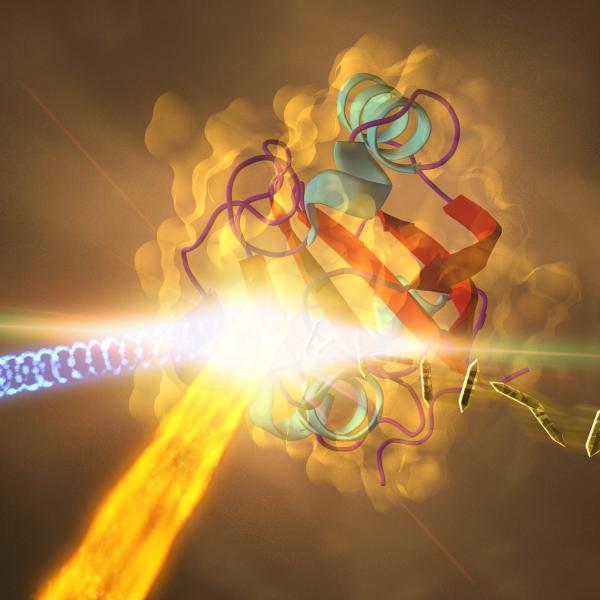
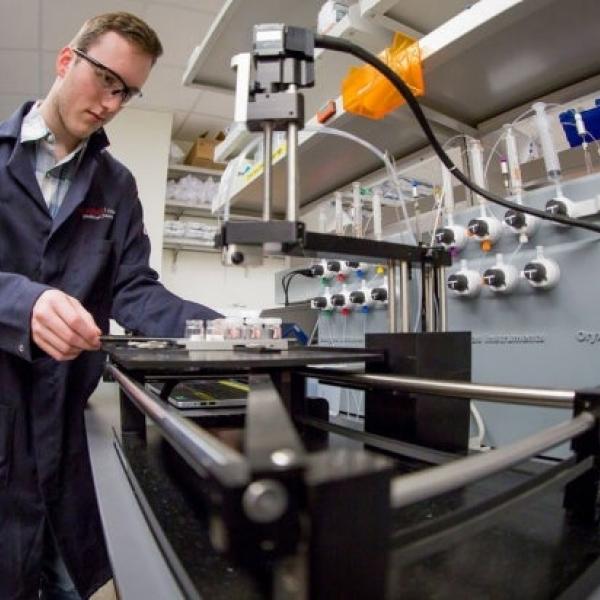
Researchers at SLAC have found a simple new way to study very delicate biological samples – like proteins at work in photosynthesis and components...

News Release

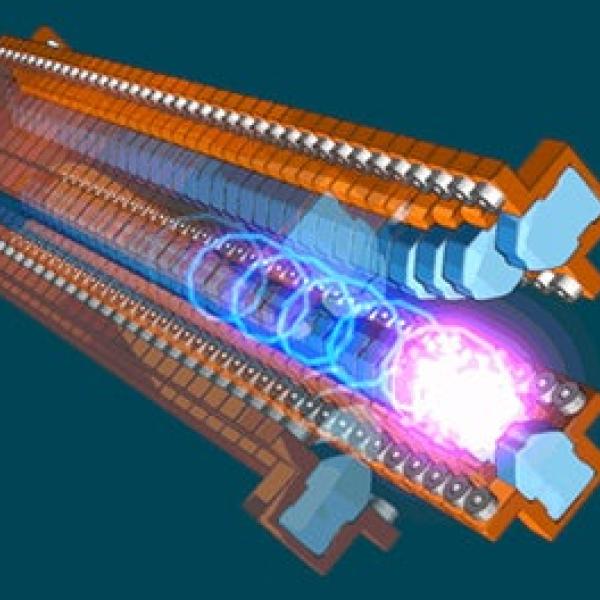
The Gordon and Betty Moore Foundation has awarded $13.5 million for an international effort to build a working particle accelerator the size of a...

Three accelerator chips on a finger
News Release

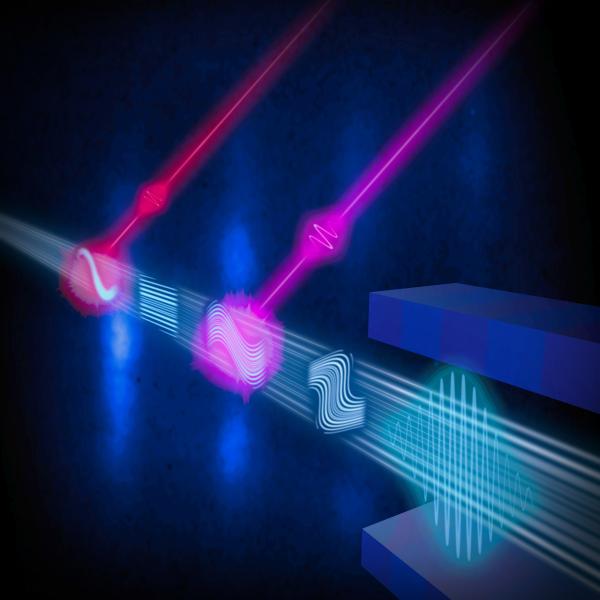
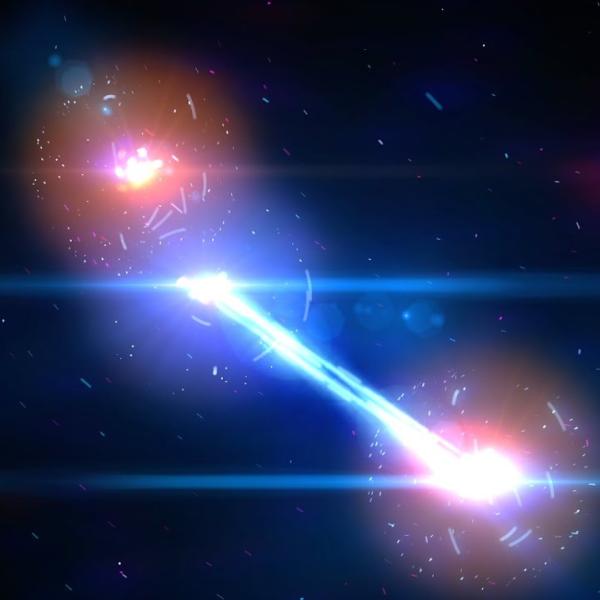
A team led by SLAC scientists combined powerful magnetic pulses with some of the brightest X-rays on the planet to discover a surprising 3-D...

Image - In this artistic rendering, a magnetic pulse (right) and X-ray laser light (left) converge on a superconductor material to study the behavior of its electrons. (SLAC National Accelerator Laboratory)
Feature

An all-day symposium recognized the professor emeritus for his many contributions to the scientific community, from pioneering synchrotron radiation research at SSRL to making...

Feature

President Obama honored a SLAC and UCLA scientist for work that paved the way for the brightest sources of X-ray light on the planet.

Image - Claudio Pellegrini, right, talks with President Obama in the Oval Office on Tuesday. (Pete Souza/Official White House Photo)
Feature

A physicist at Argonne National Laboratory has been recognized for pioneering experiments at SLAC that helped establish a new way to study the structure...

Image - Paul Fuoss (SLAC National Accelerator Laboratory)
Feature

X-ray research on 80-million-year-old fossilized burrows, likely the work of tiny marine worms, is helping scientists understand how living organisms affected the chemistry of...

Image - This marine worm, commonly known as a ragworm, can grow up to 4 inches in length. It is part of a class of worms known as polychaetes. A far smaller variety of polychaetes was likely responsible for creating ancient burrows studied at SLAC.