
SLAC topics

X-ray light sources and electron imaging RSS feed

X-ray light sources and electron imaging are advanced techniques used to study the structure and properties of materials. X-ray light sources use high-energy photons to produce X-rays, while electron imaging uses high-energy electrons to produce detailed images of samples. 

Browse tagged content

Aerial view of SLAC
News Release

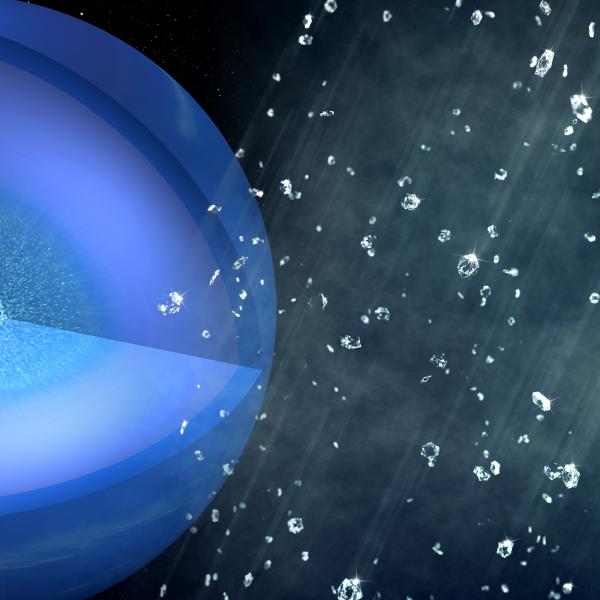
SLAC’s X-ray laser and Matter in Extreme Conditions instrument allow researchers to examine the exotic precipitation in real time as it materializes in the...

A cutaway depicts the interior of Neptune (right) and an illustration of diamond rain (left).
Feature

With SLAC’s X-ray laser, scientists captured a virus changing shape and rearranging its genome to invade a cell.

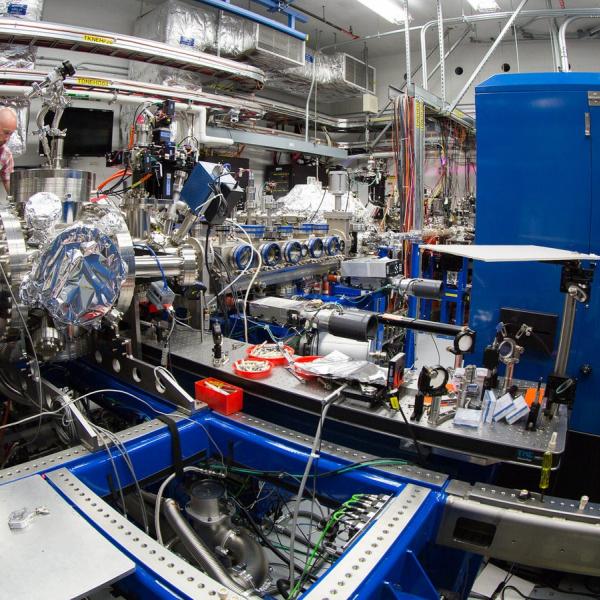
The AMO (Atomic, Molecular & Optical Science) instrument
Feature

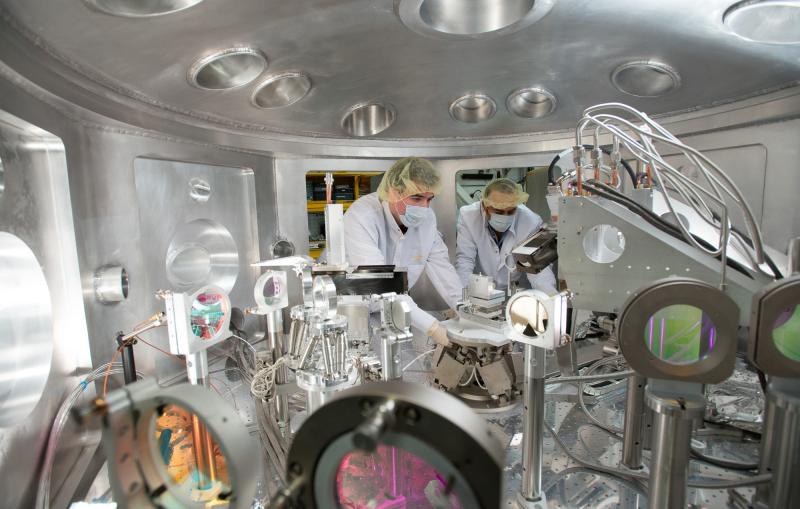
Tripling the energy and refining the shape of optical laser pulses at LCLS’s Matter in Extreme Conditions instrument allows researchers to recreate higher-pressure conditions...

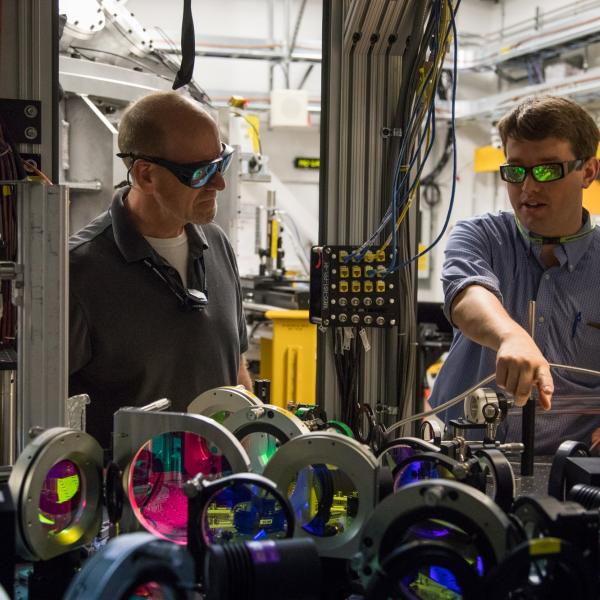
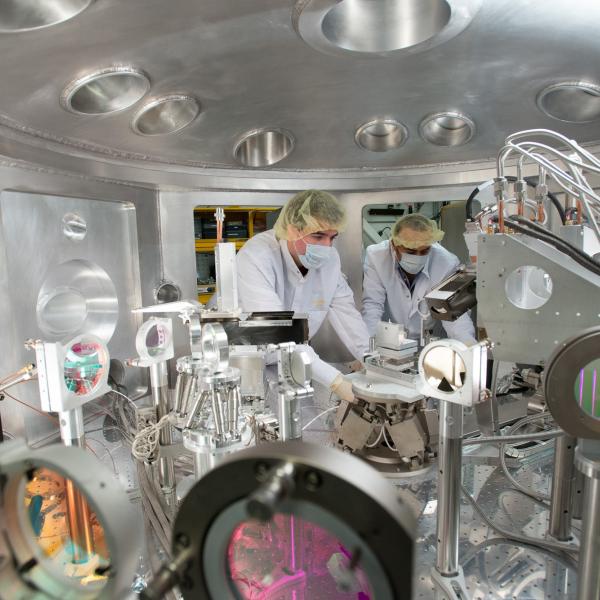
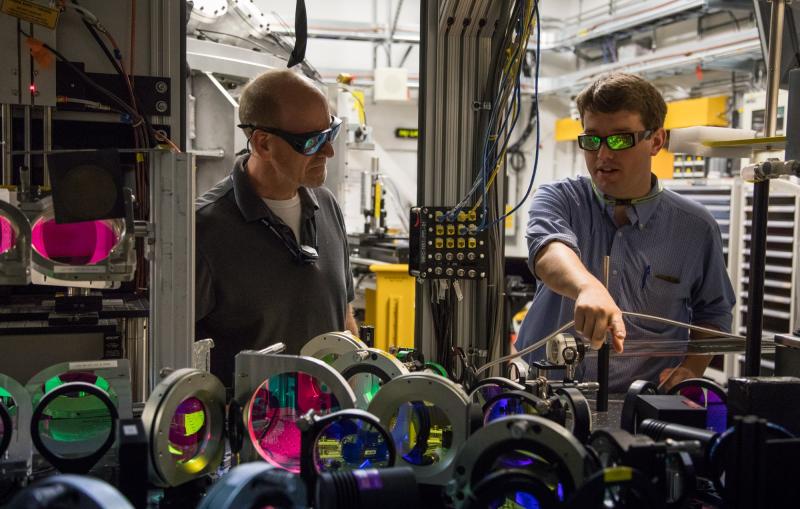
Laser engineers with the upgraded Matter in Extreme Conditions optical laser
Feature

Over the next five years they’ll work on getting significantly more information about how catalysts work and improving biological imaging methods.

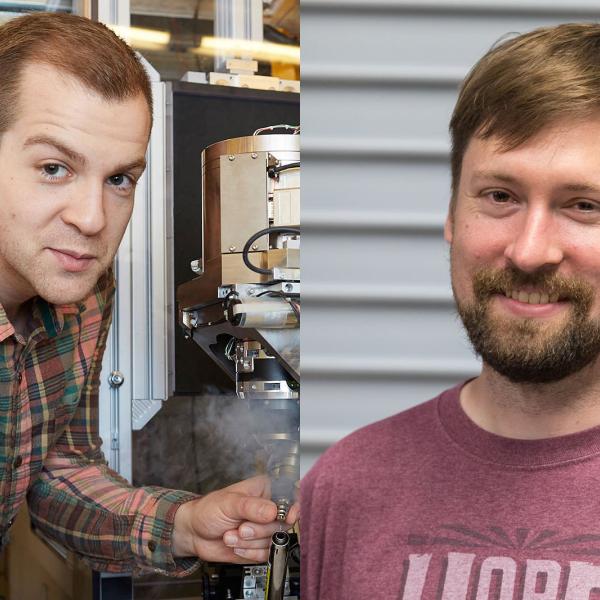
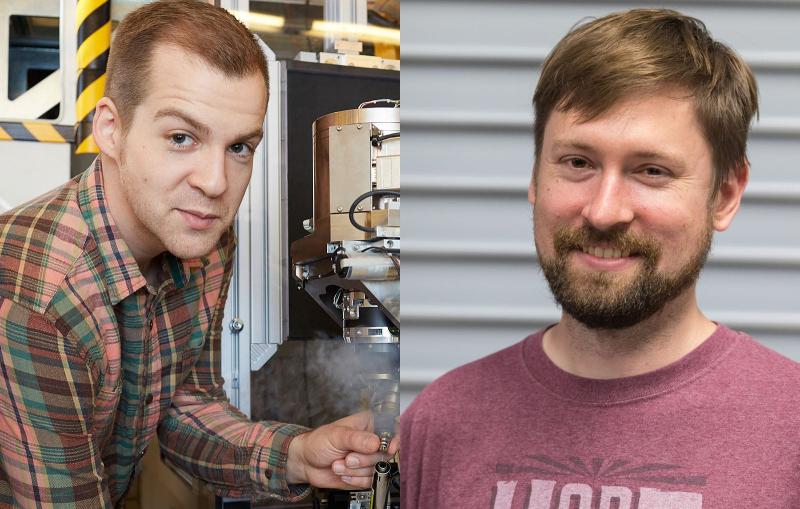
Cornelius Gati and Franklin Fuller, the 2017 Panofsky fellows at SLAC
News Release

A serendipitous discovery lets researchers spy on this self-assembly process for the first time with SLAC’s X-ray synchrotron. What they learn will help them...

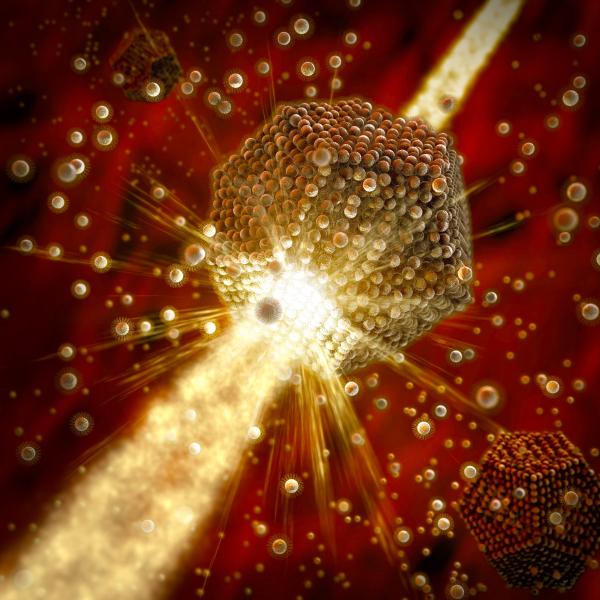
Illustration of nanocrystals forming into superlattices at SLAC's SSRL
Feature

A flash of green laser followed by pulses of X-rays, and mere nanoseconds later an extraterrestrial form of ice has formed.

Feature

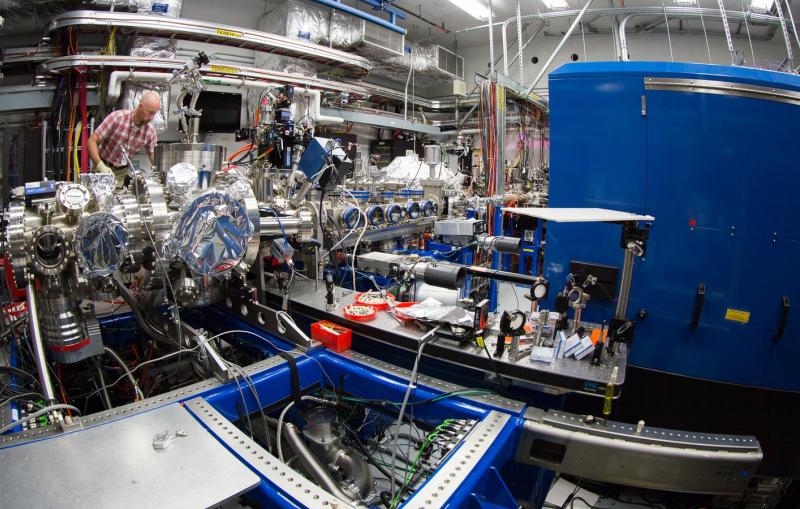
The research team was able to watch energy from light flow through atomic ripples in a molecule. Such insights may provide new ways to...

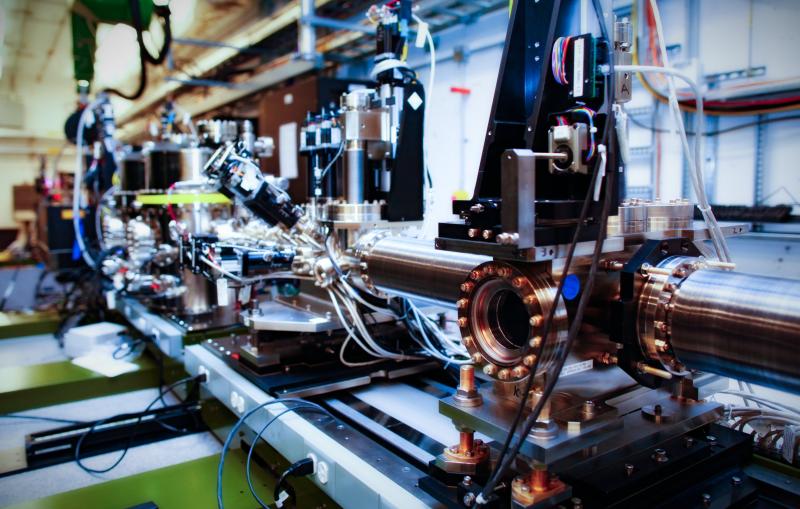
View of the The X-ray Pump Probe instrument at SLAC’s Linac Coherent Light Source.
News Release

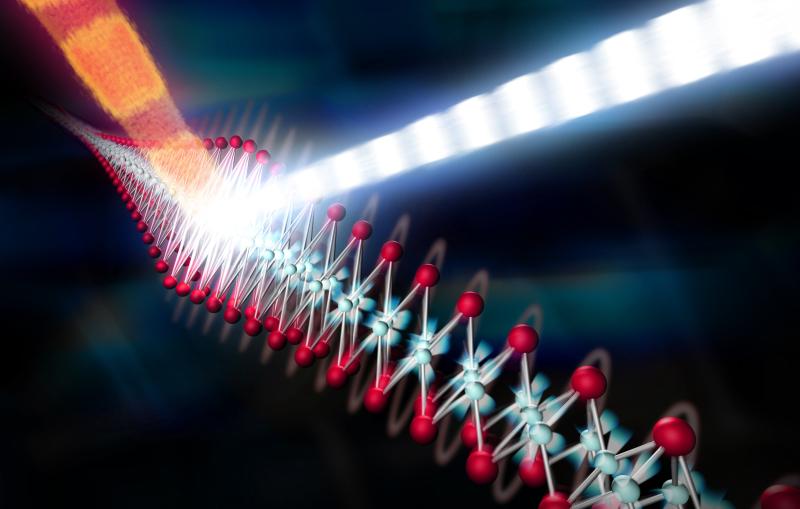
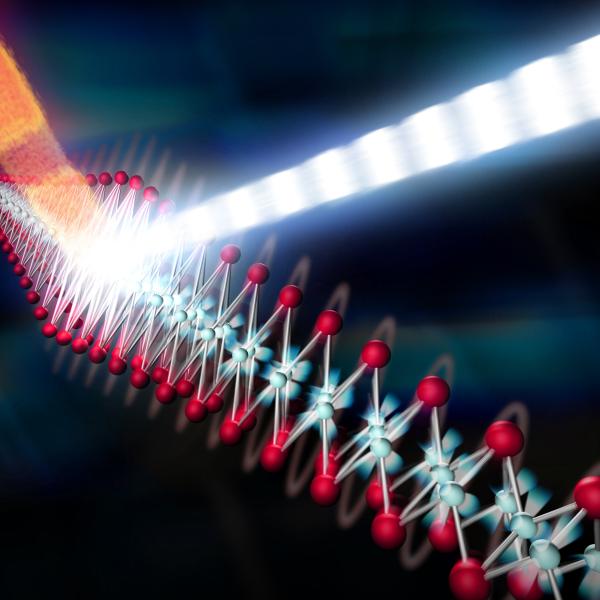
Extraordinarily precise measurements -- within millionths of a billionth of a second and a billionth of a hair's breadth -- show this ‘electron-phonon coupling’...

Illustration of a laser beam triggering atomic vibrations in iron selenide
Feature

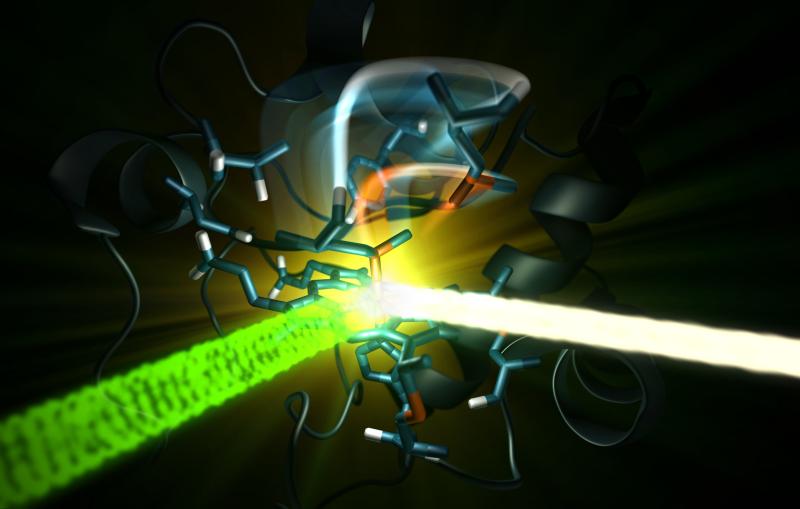
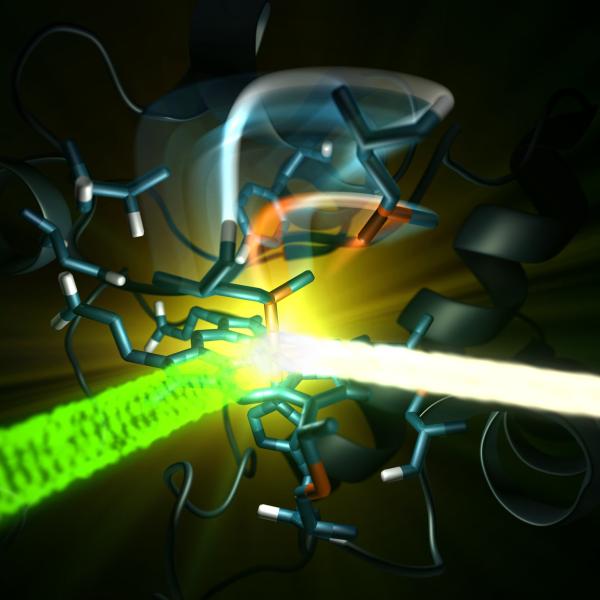
With SLAC’s X-ray laser and synchrotron, scientists measured exactly how much energy goes into keeping this crucial bond from triggering a cell's death spiral.

An optical laser (green) excites the iron-containing active site of the protein cytochrome c, and then an X-ray laser (white) probes the iron.
Feature

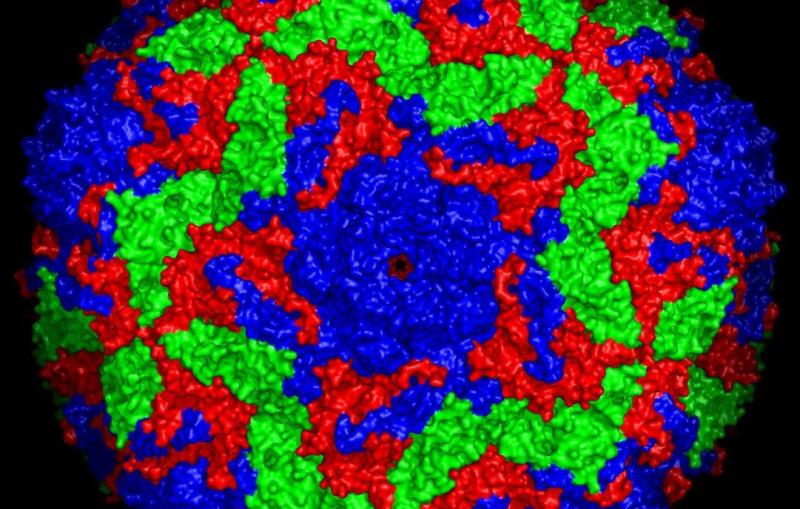
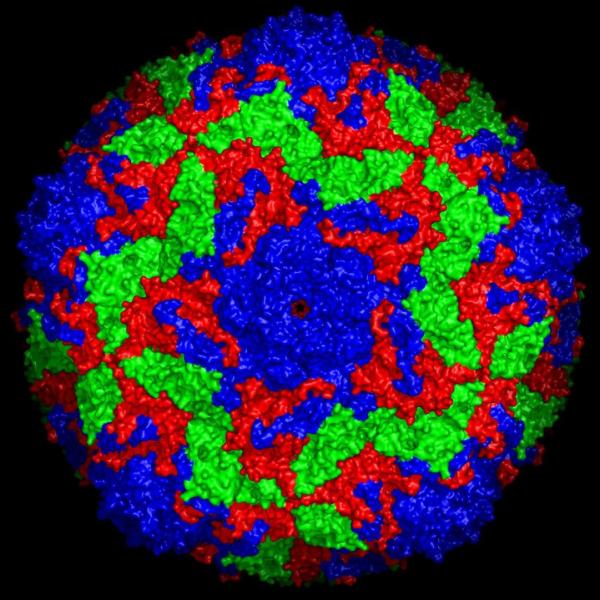
The method dramatically reduces the amount of virus material required and allows scientists to get results several times faster.

Surface structure of the bovine enterovirus 2
News Release

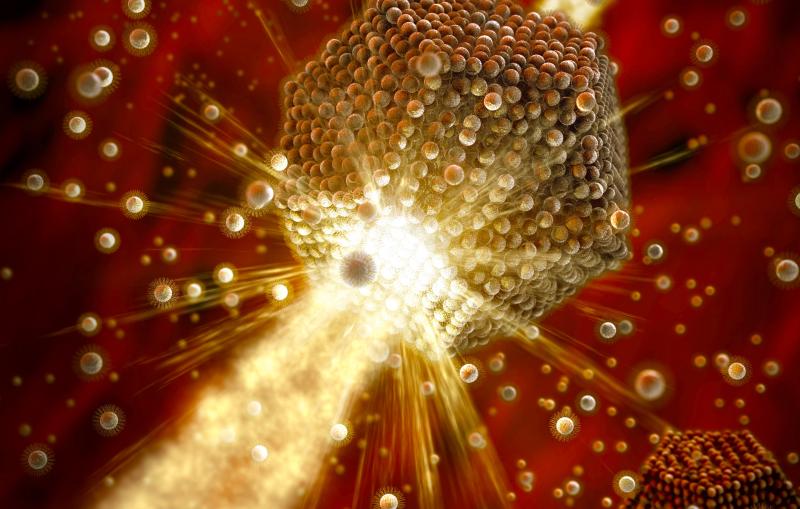
When scientists at the Department of Energy’s SLAC National Accelerator Laboratory focused the full intensity of the world’s most powerful X-ray l

molecular black hole
Feature

A new study reveals that organic matter whose breakdown would yield only minimal energy for hungry microorganisms preferentially builds up in floodplains, illuminating a...