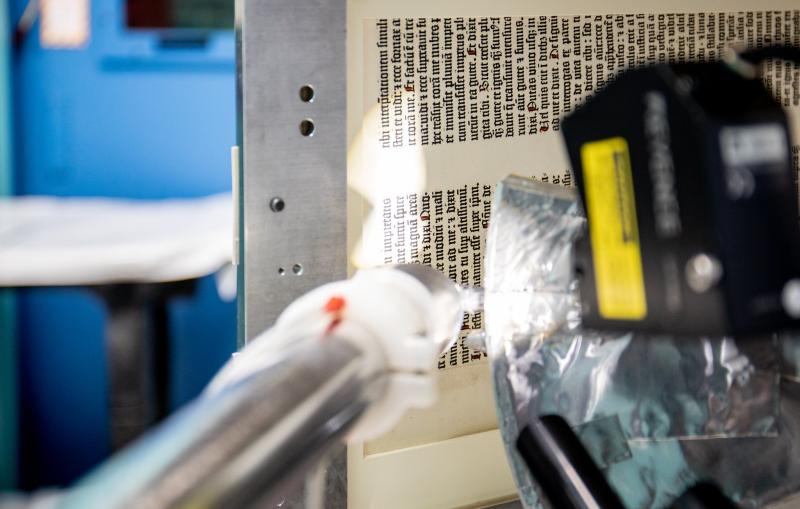
A page of the Gutenberg Bible from 1450-1455 AD is prepped before being scanned at SSRL beamline 7-2.
(Jacqueline Ramseyer Orrell/SLAC National Accelerator Laboratory)
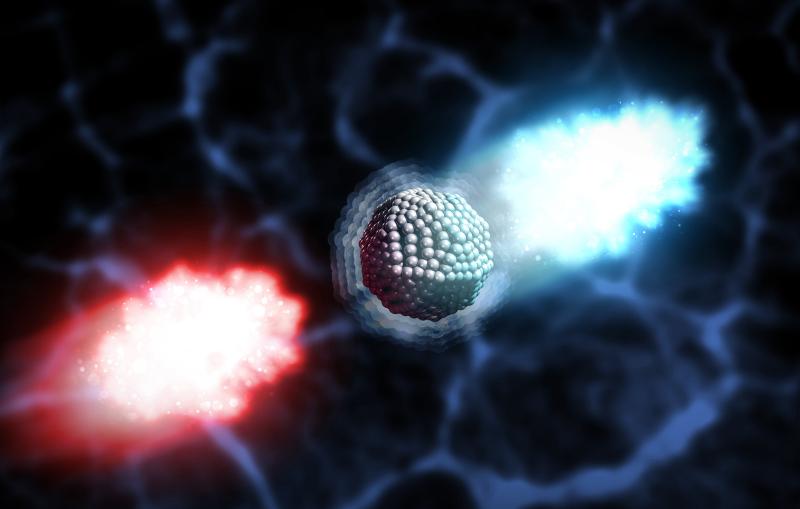
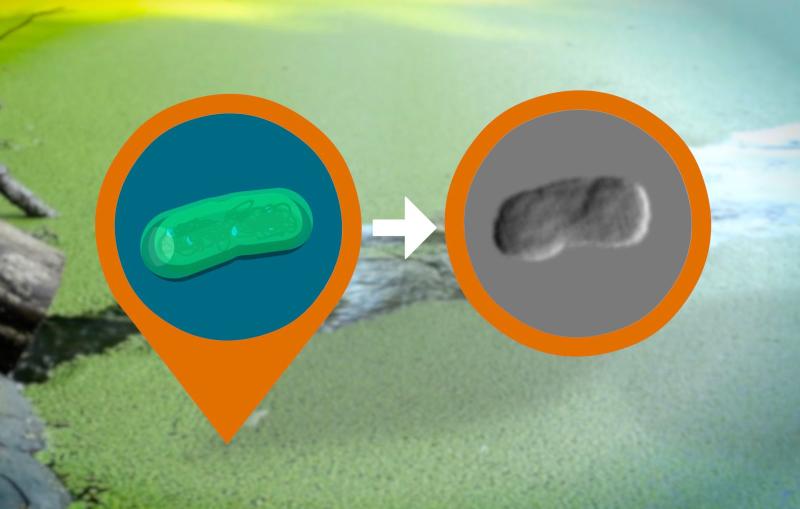
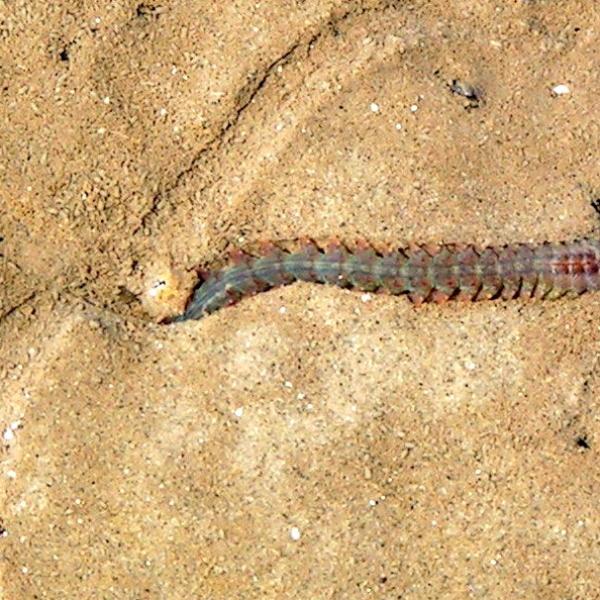
X-ray research on 80-million-year-old fossilized burrows, likely the work of tiny marine worms, is helping scientists understand how living organisms affected the chemistry of...
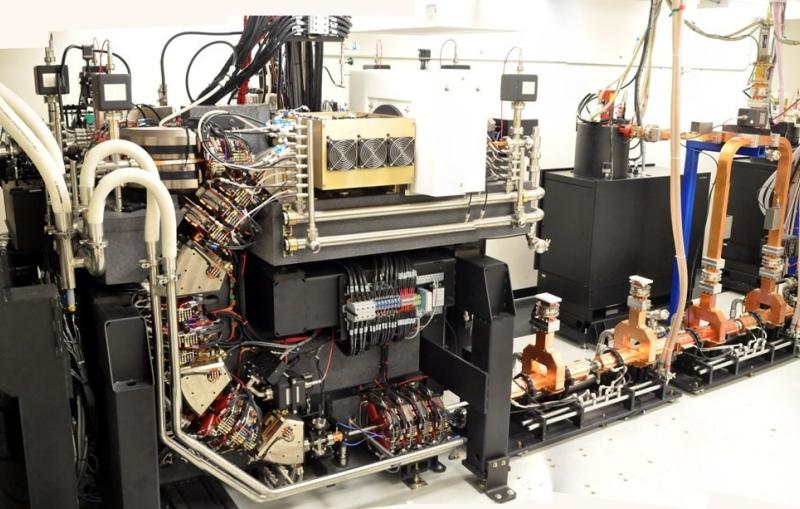
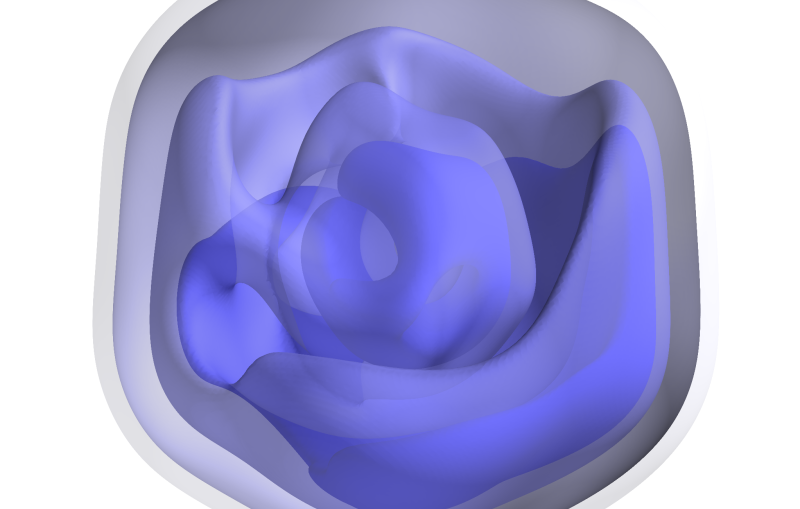
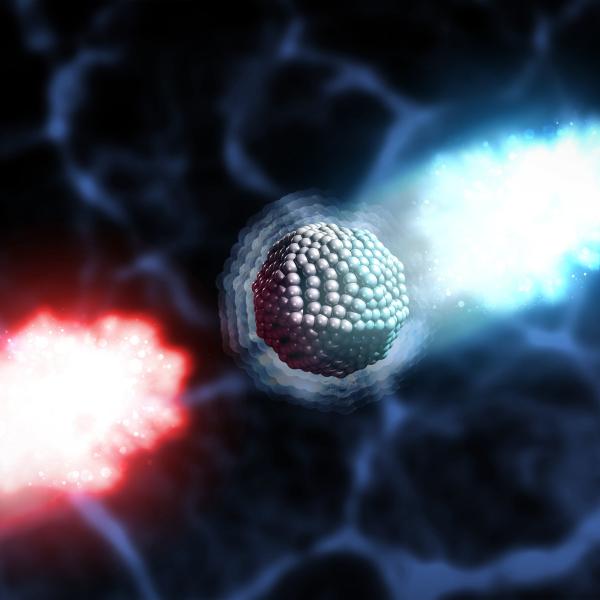
A commercial X-ray source with roots in SLAC research enables multi-mode computer tomography scans that outperform routine scans in hospitals. The technique could potentially...
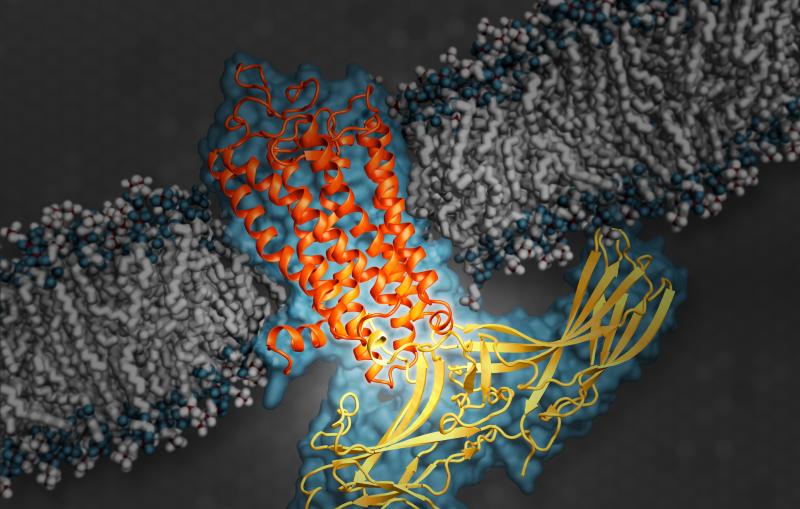
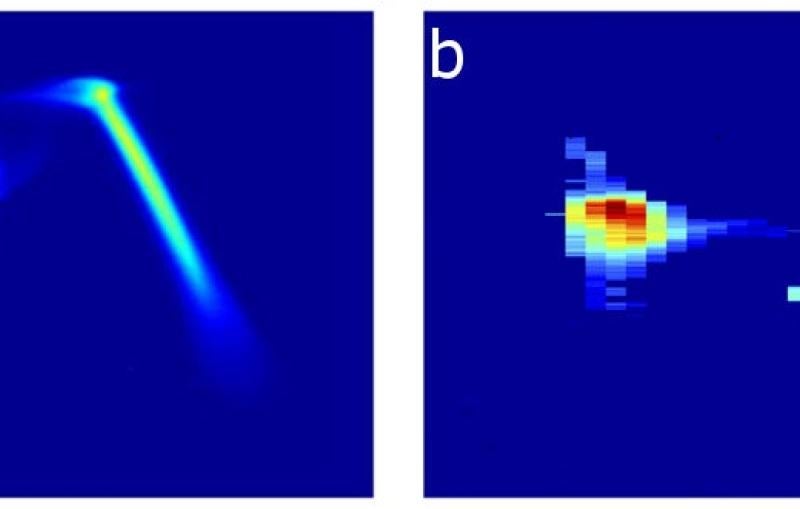
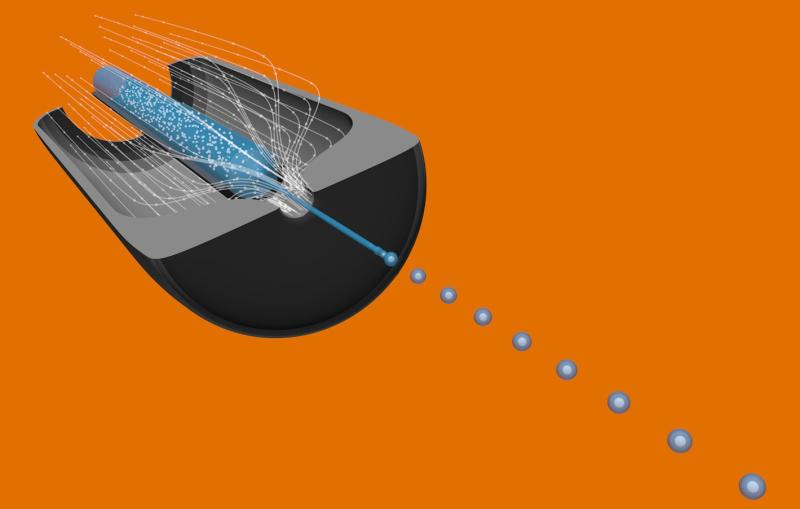
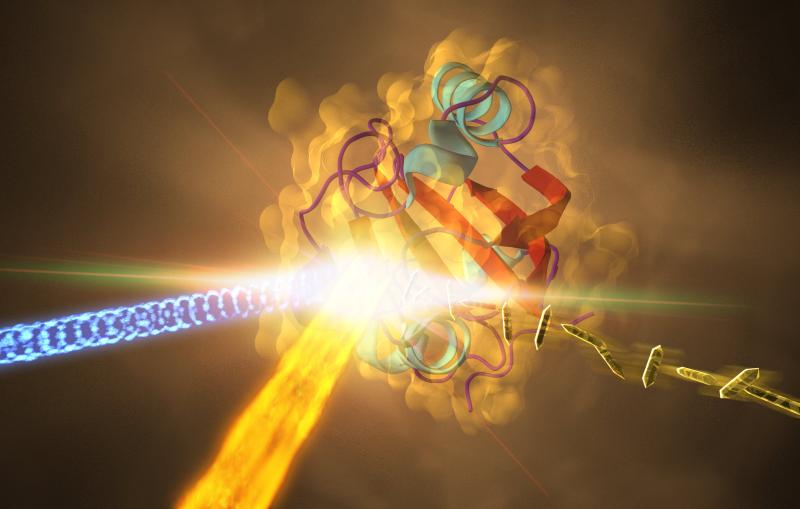
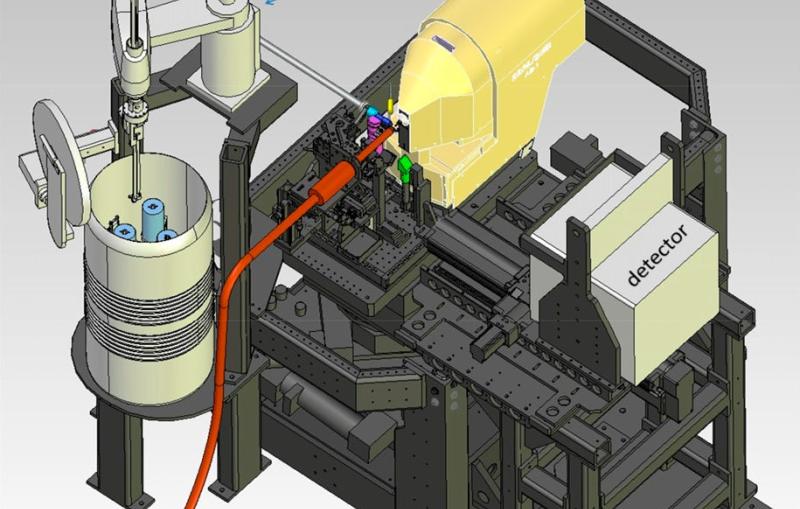
Scientists at the Department of Energy’s SLAC National Accelerator Laboratory are combining the speed and precision of robots with one of the brightest X-ray...
X-ray research on 80-million-year-old fossilized burrows, likely the work of tiny marine worms, is helping scientists understand how living organisms affected the chemistry of the sea floor.
A commercial X-ray source with roots in SLAC research enables multi-mode computer tomography scans that outperform routine scans in hospitals. The technique could potentially find widespread use in medicine and other fields.
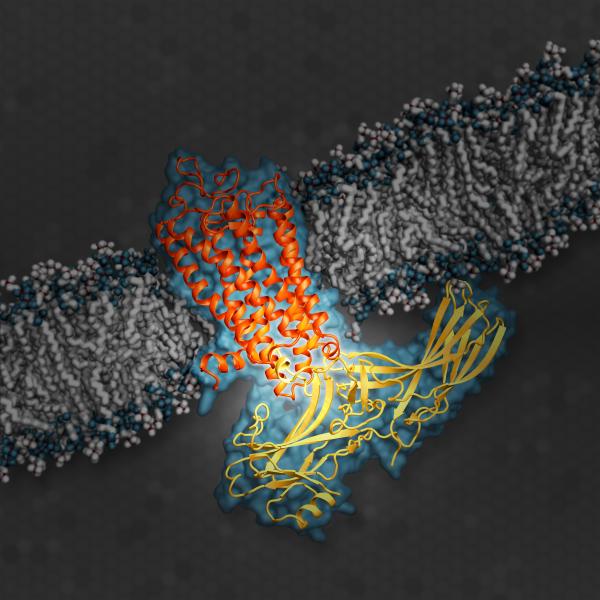
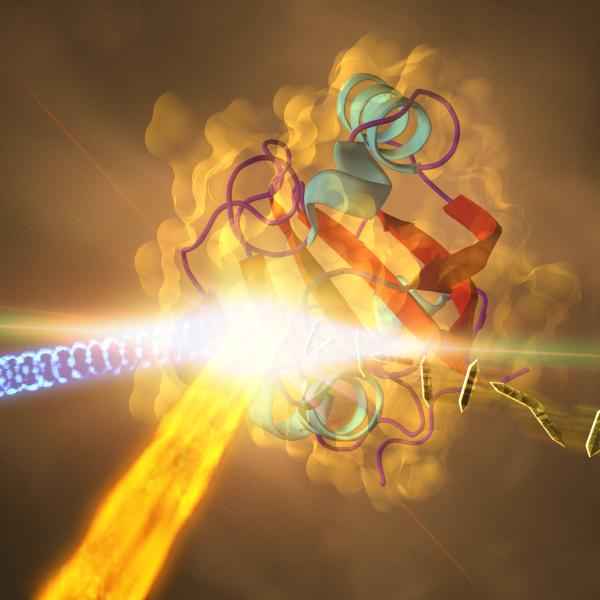
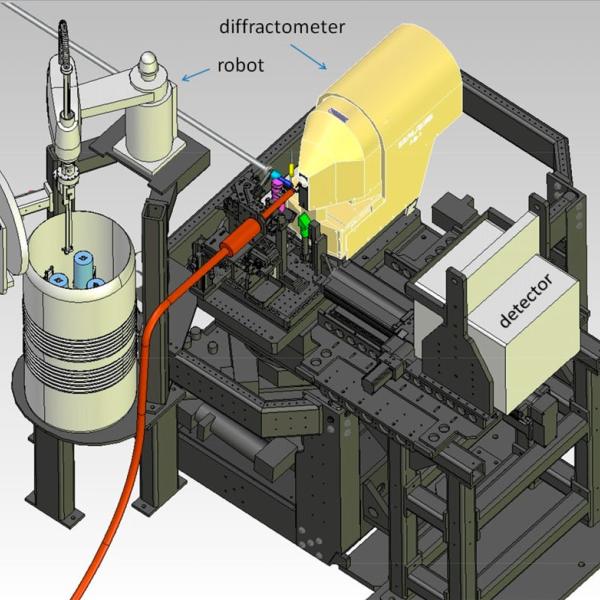
Scientists at the Department of Energy’s SLAC National Accelerator Laboratory are combining the speed and precision of robots with one of the brightest X-ray lasers on the planet for pioneering studies of proteins important to biology and drug discovery.