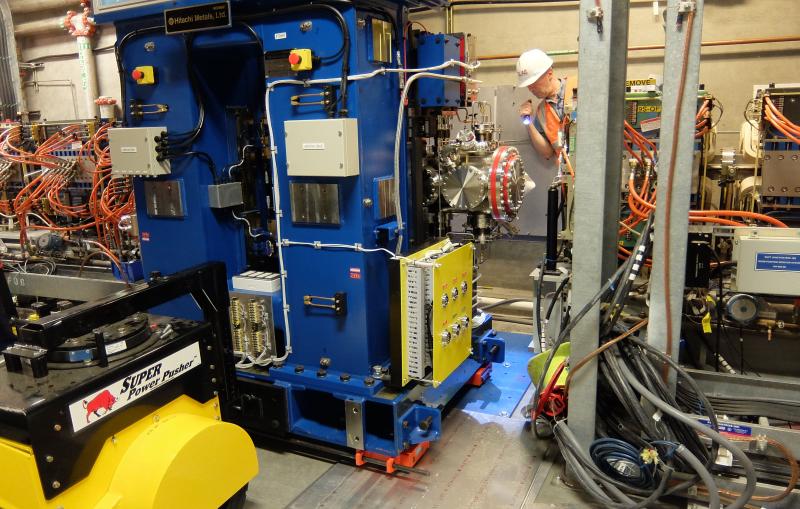
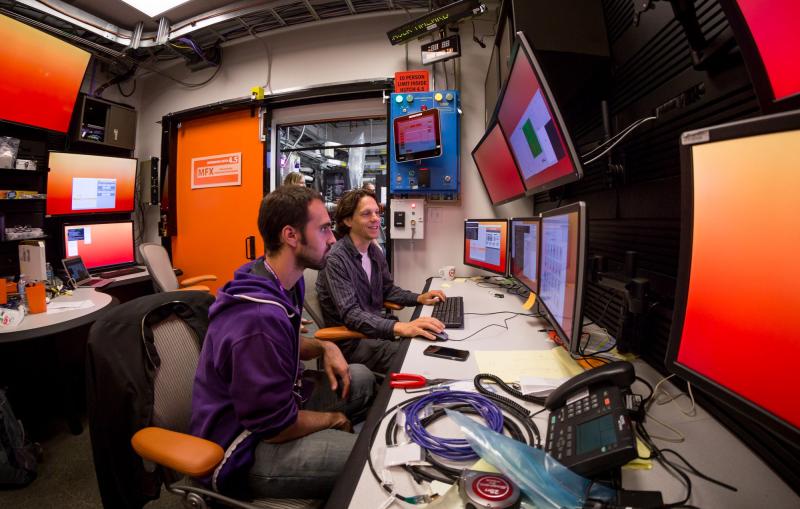
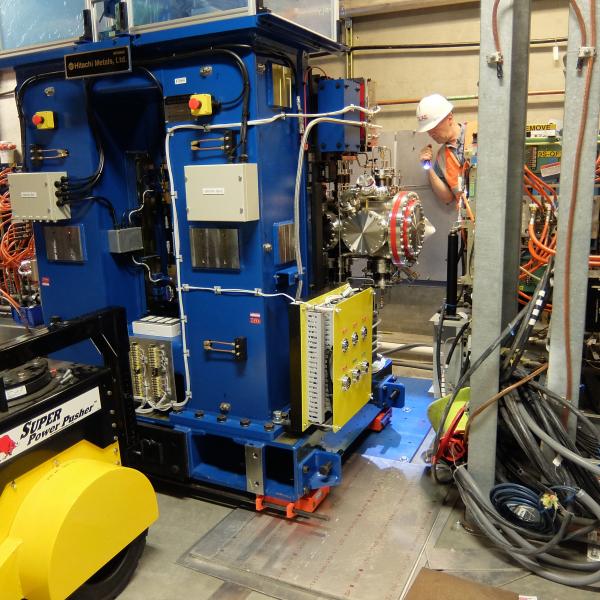
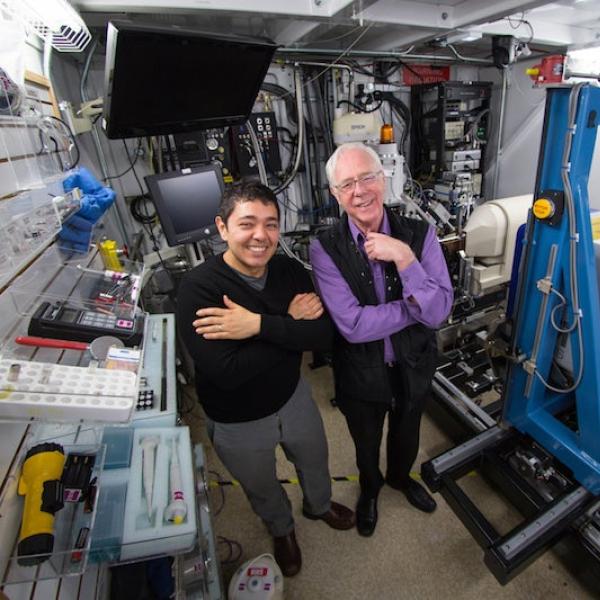
The new MFX station expands the X-ray laser’s capability and flexibility for biological studies, which are increasingly in demand at SLAC's Linac Coherent Light...
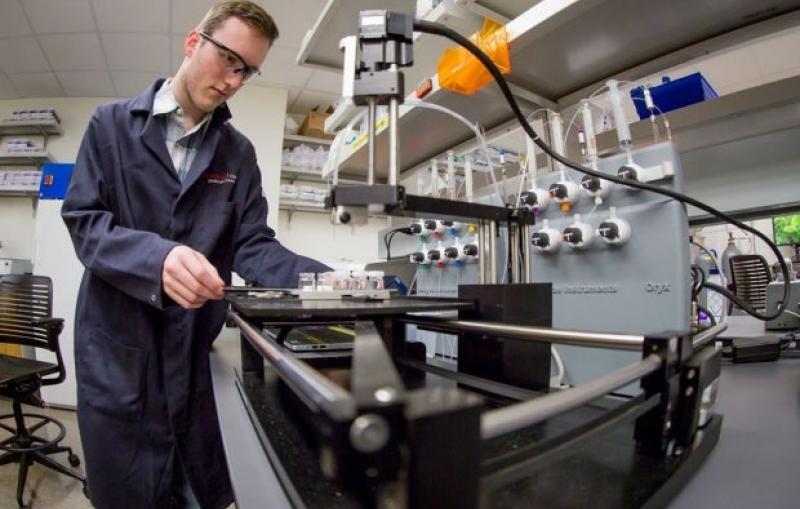
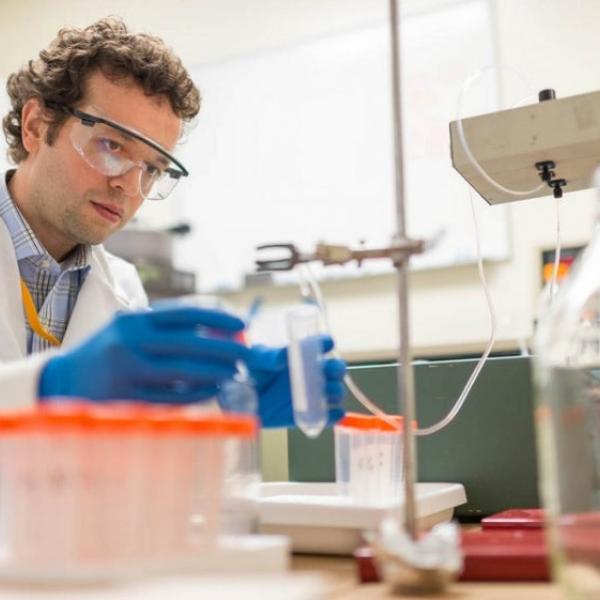
The Macromolecular Structure Knowledge Center can help researchers who lack equipment for testing hundreds of different crystallization conditions or expertise in working with challenging...
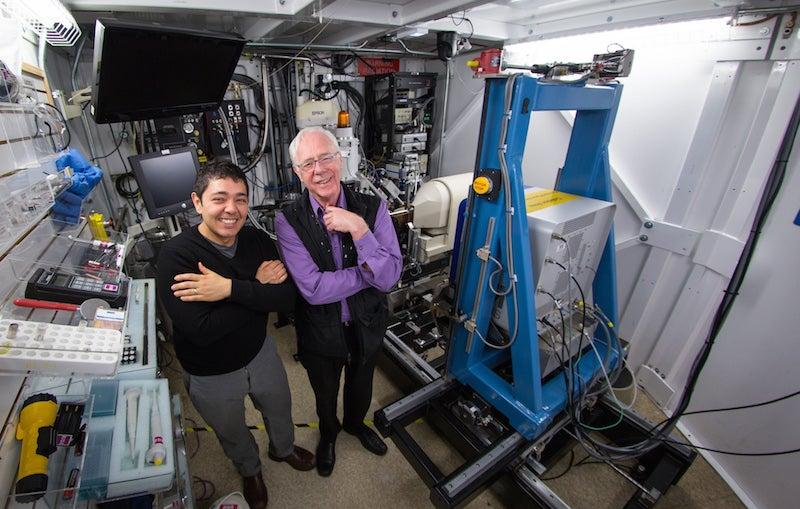
A new study with the LCLS X-ray laser could change the way researchers take atomic-level snapshots of important biological machineries, potentially affecting research in...
Using SLAC's X-ray laser, researchers have for the first time directly observed myoglobin move within quadrillionths of a second after a bond breaks and...
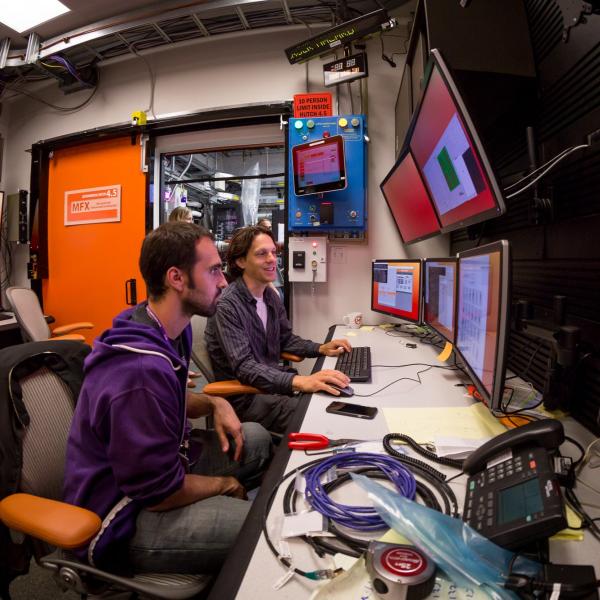
The new MFX station expands the X-ray laser’s capability and flexibility for biological studies, which are increasingly in demand at SLAC's Linac Coherent Light Source.
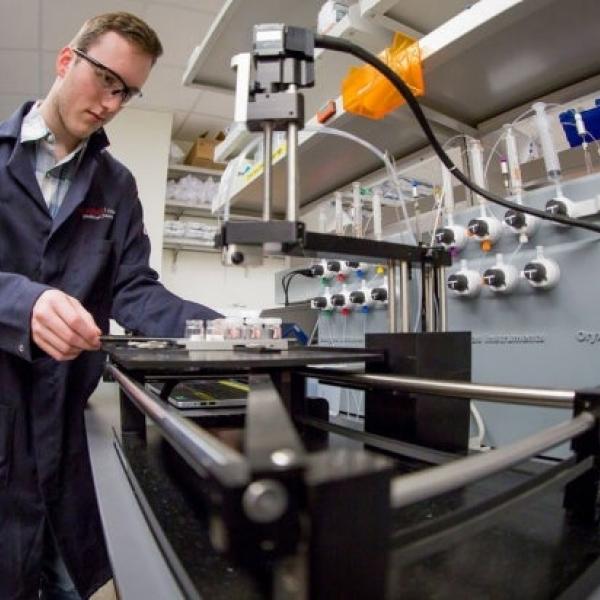
The Macromolecular Structure Knowledge Center can help researchers who lack equipment for testing hundreds of different crystallization conditions or expertise in working with challenging molecules.
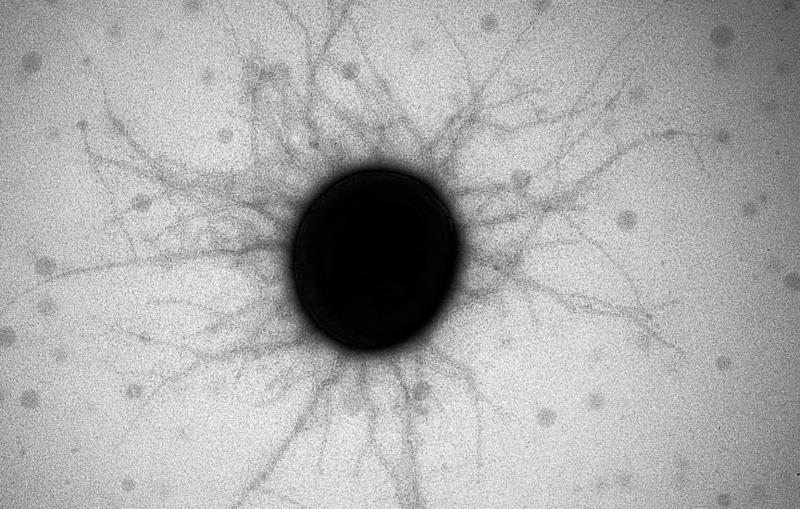
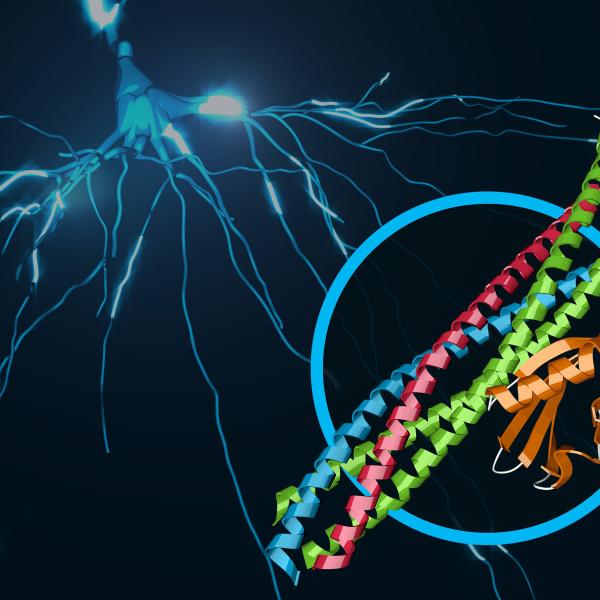
Scientists have determined in atomic detail how a potential drug molecule fits into and blocks a channel in cell membranes that Ebola and related “filoviruses” need to infect victims’ cells.
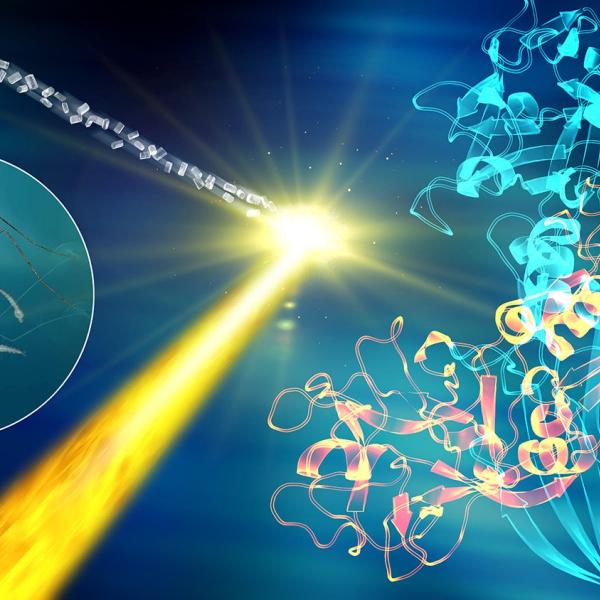
A new study with the LCLS X-ray laser could change the way researchers take atomic-level snapshots of important biological machineries, potentially affecting research in drug development, clean energy production and many more areas.
Ian Wilson explains how scientists have found a way to induce antibodies to fight a range of influenza viruses, which could some day eliminate the need for seasonal flu shots.
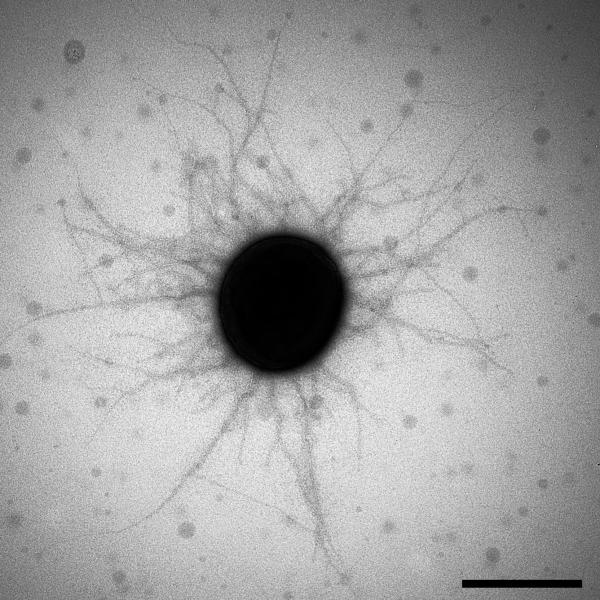
Researchers at SLAC have found a simple new way to study very delicate biological samples – like proteins at work in photosynthesis and components of protein-making machines called ribosomes – at the atomic scale using SLAC's X-ray laser.
Using SLAC's X-ray laser, researchers have for the first time directly observed myoglobin move within quadrillionths of a second after a bond breaks and the protein releases a gas molecule.