SLAC’s Matt Garrett and Susan Simpkins talk about tech transfer that brings innovations from the national lab to the people, including advances for medical...
Q-NEXT will tackle next-generation quantum science challenges through a public-private partnership, ensuring U.S. leadership in an economically crucial arena.
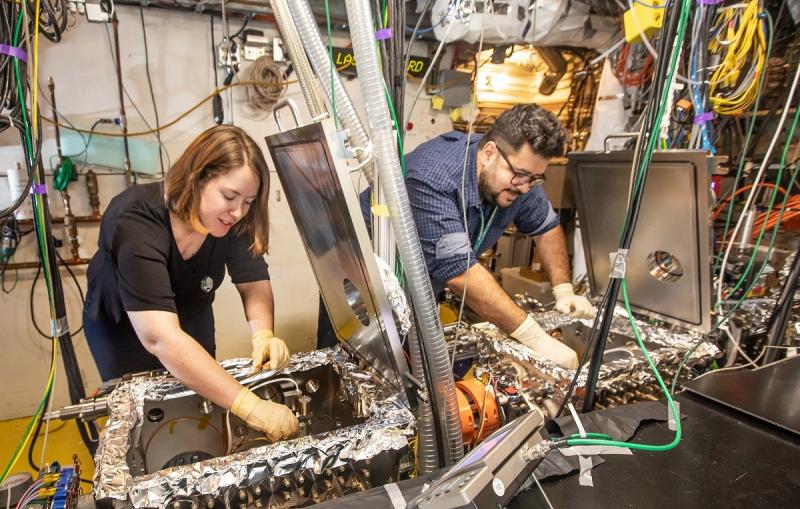
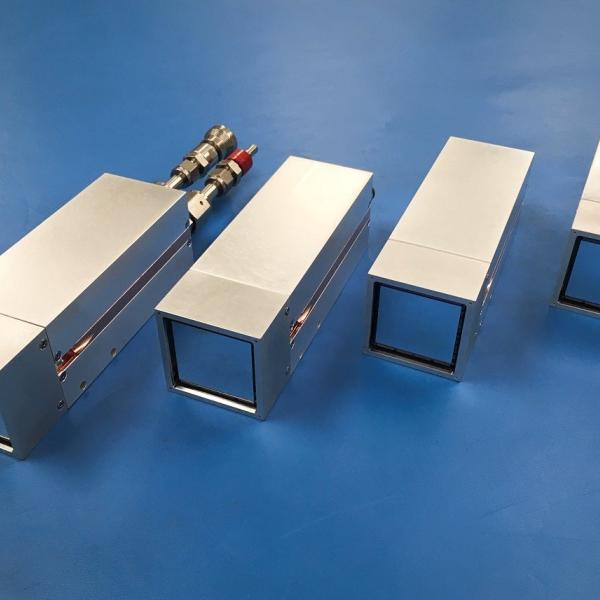
Researchers have squeezed a high-energy electron beam into tight bundles using terahertz radiation, a promising advance in watching the ultrafast world of atoms unfold.
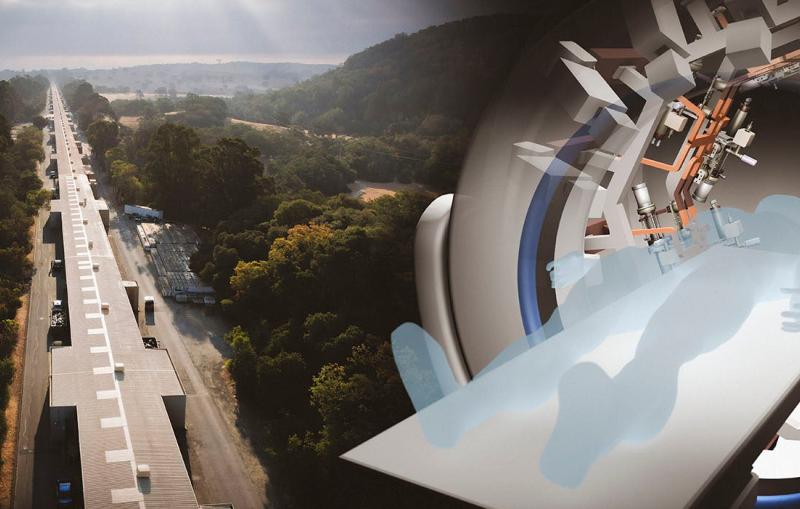
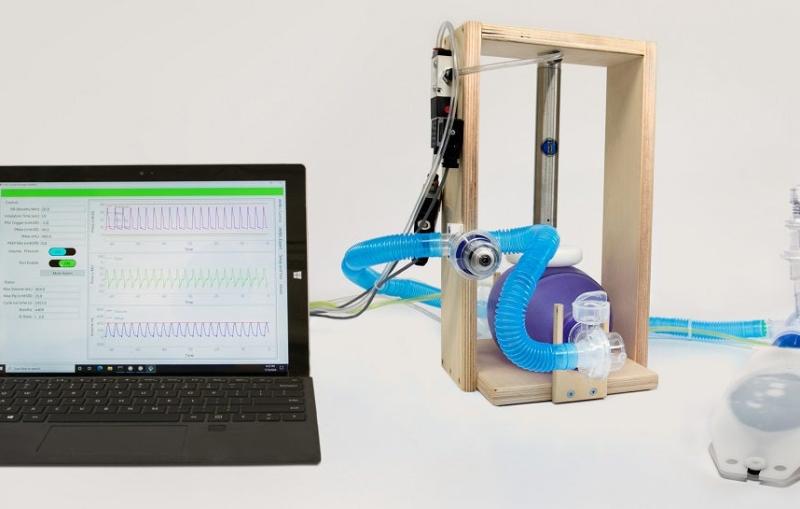
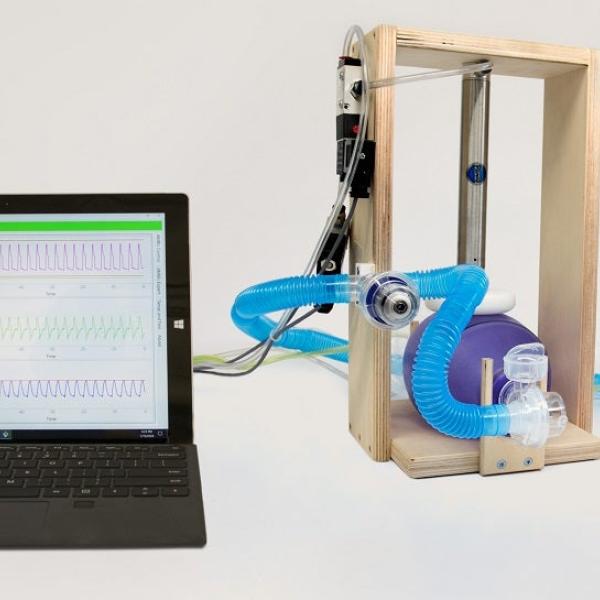
SLAC’s Matt Garrett and Susan Simpkins talk about tech transfer that brings innovations from the national lab to the people, including advances for medical devices and self-driving vehicles.
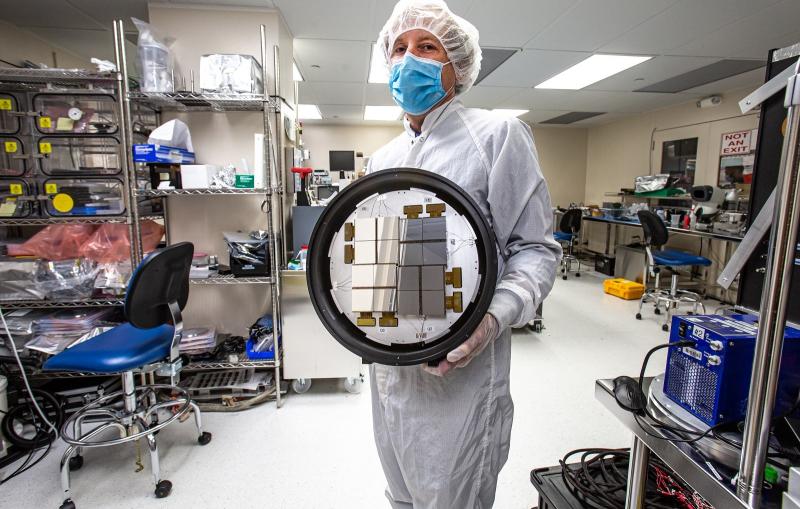
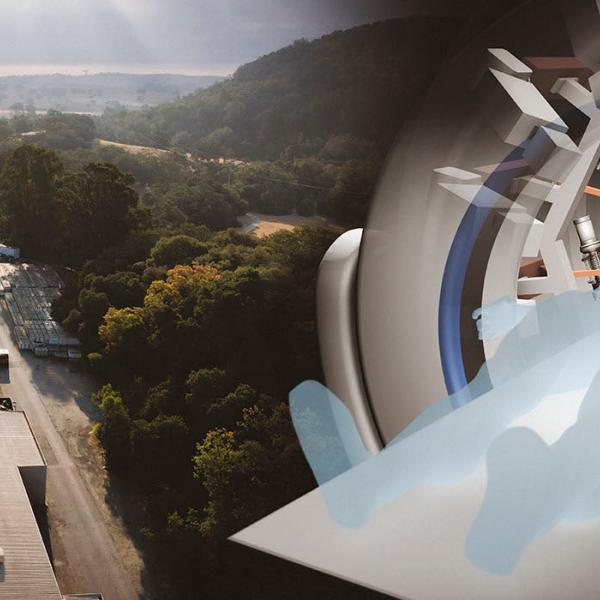
Q-NEXT will tackle next-generation quantum science challenges through a public-private partnership, ensuring U.S. leadership in an economically crucial arena.
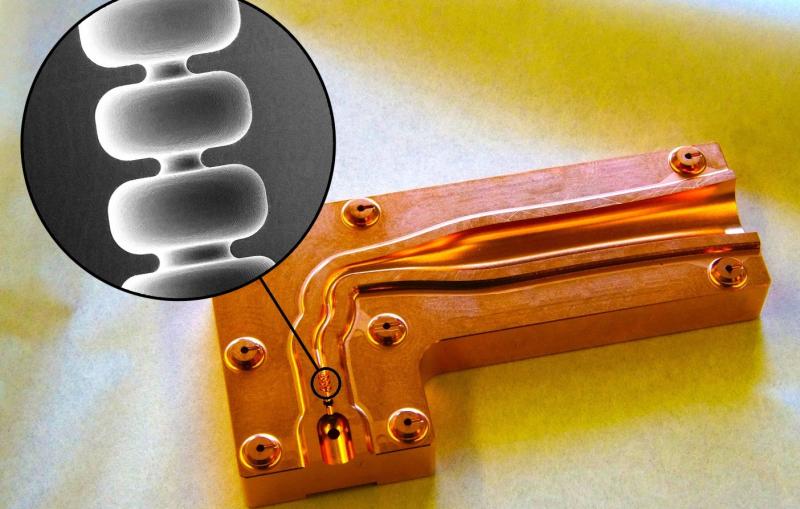
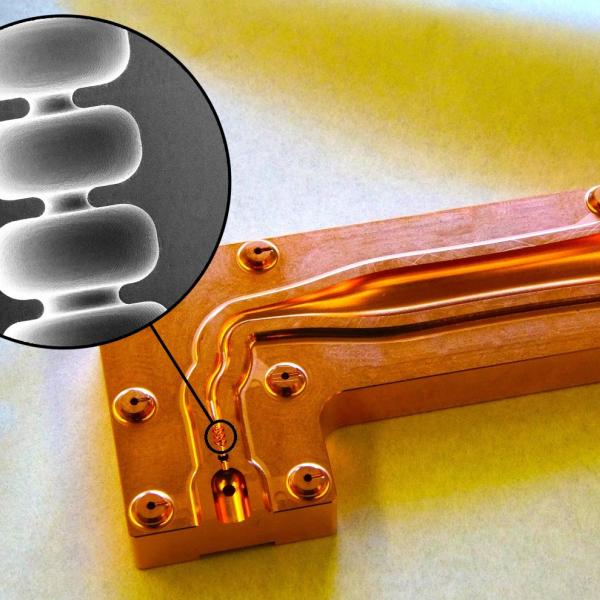
Researchers have squeezed a high-energy electron beam into tight bundles using terahertz radiation, a promising advance in watching the ultrafast world of atoms unfold.
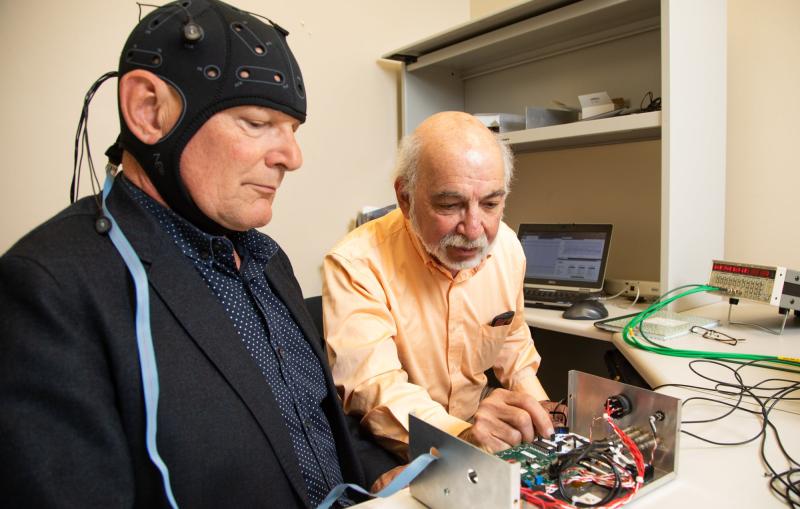
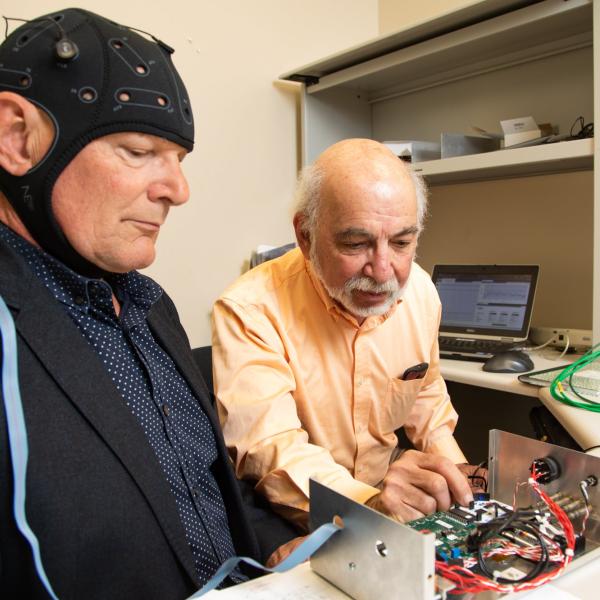
After meeting at a party, a Stanford psychologist and SLAC particle physicists have collaborated on a new kind of EEG device that can stimulate the brain and read out the effects.
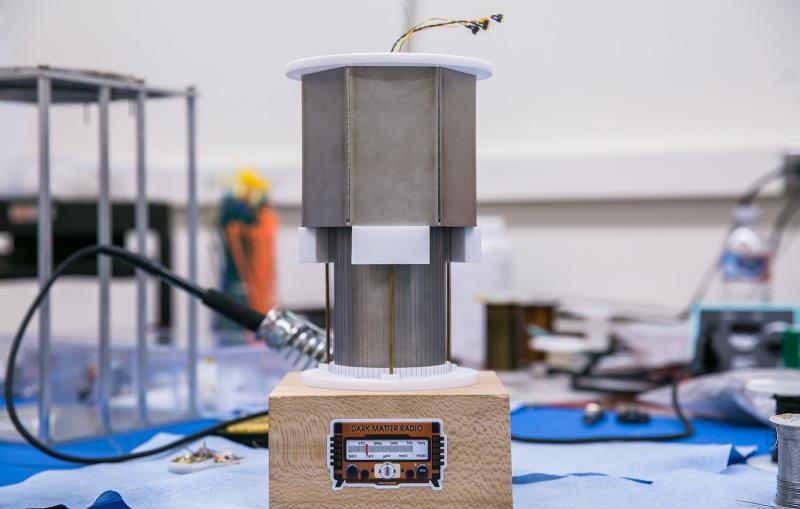
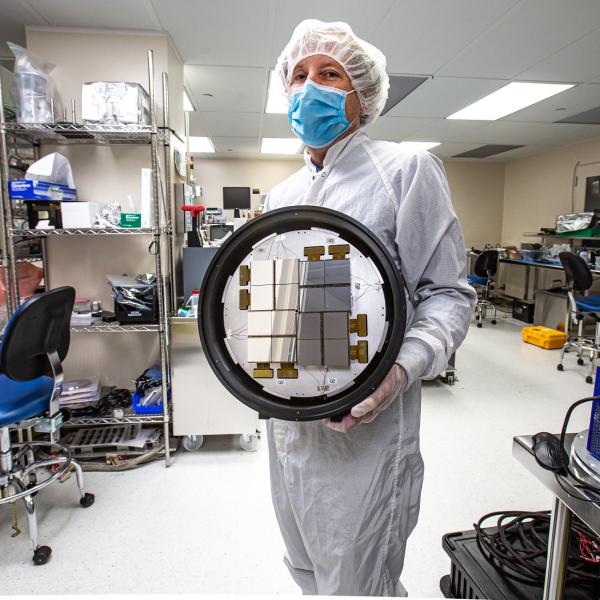
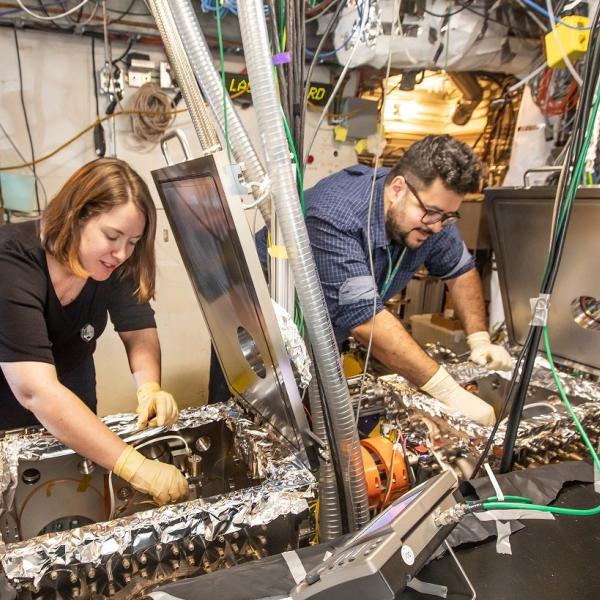
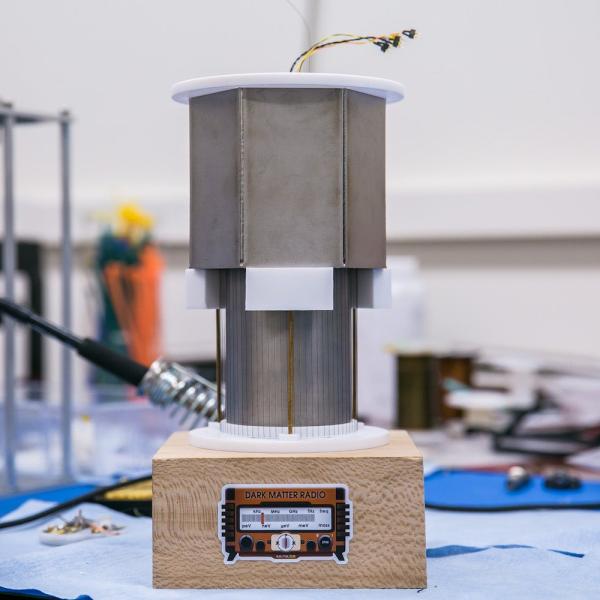
An “out there” theory inspired the development of the Dark Matter Radio, a device that could explain the mysterious matter that makes up 85 percent of the mass of our universe.