SLAC topics

SUNCAT Center for Interface Science and Catalysis RSS feed

Catalysts are the unsung heroes of chemistry, accelerating reactions used to make fertilizers, fuels and consumer products. SUNCAT’s focus is on improving catalysts for making chemicals and fuels with renewable energy.

Visit SUNCAT website

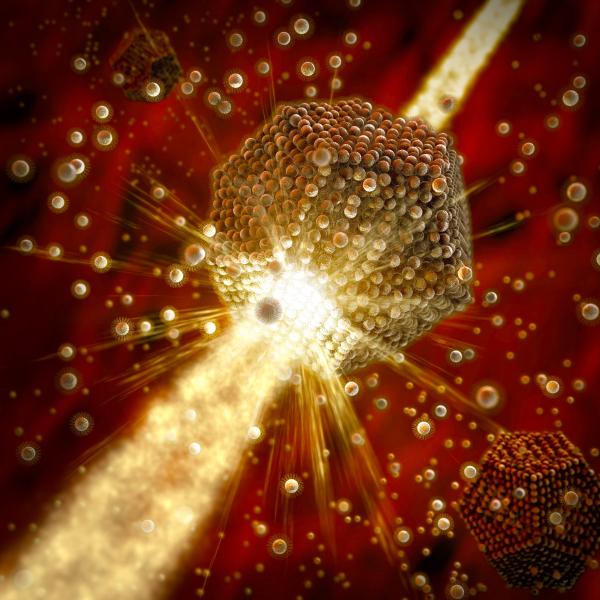
Illustration of nanocrystals forming into superlattices at SLAC's SSRL
Feature

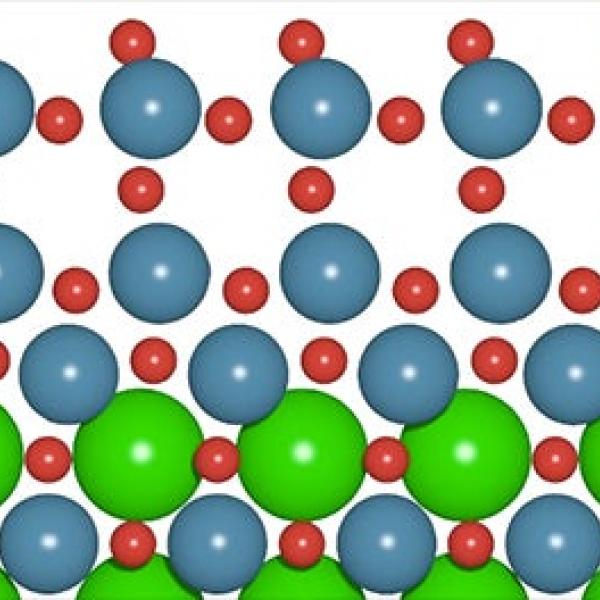
A new way to arrange the hard-working atoms in this part of an exhaust system could lower the cost of curbing pollution from automotive...

News Release

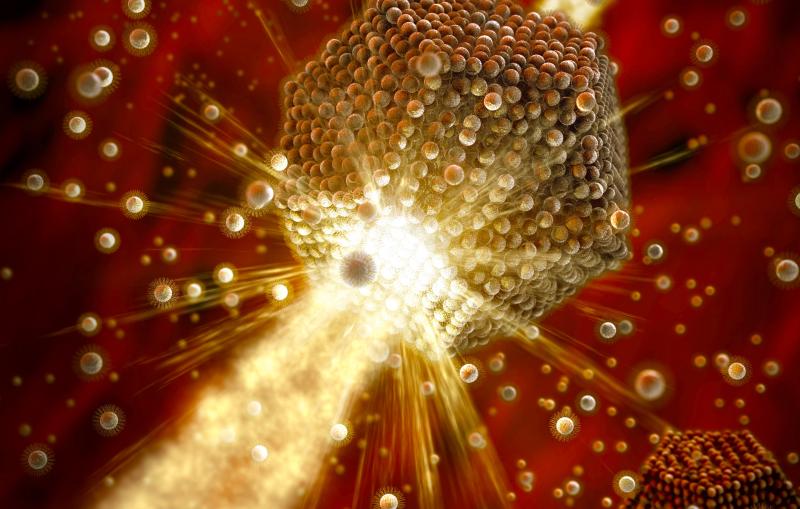
A serendipitous discovery lets researchers spy on this self-assembly process for the first time with SLAC’s X-ray synchrotron. What they learn will help them...

Illustration of nanocrystals forming into superlattices at SLAC's SSRL
Feature

A recent discovery by scientists from the SUNCAT Center for Interface Science and Catalysis could lead to a new, more sustainable way to make...

Feature

An advance by SLAC and Stanford researchers greatly reduces the time needed to analyze complex catalytic reactions for making fuel, industrial chemicals and other...

Feature

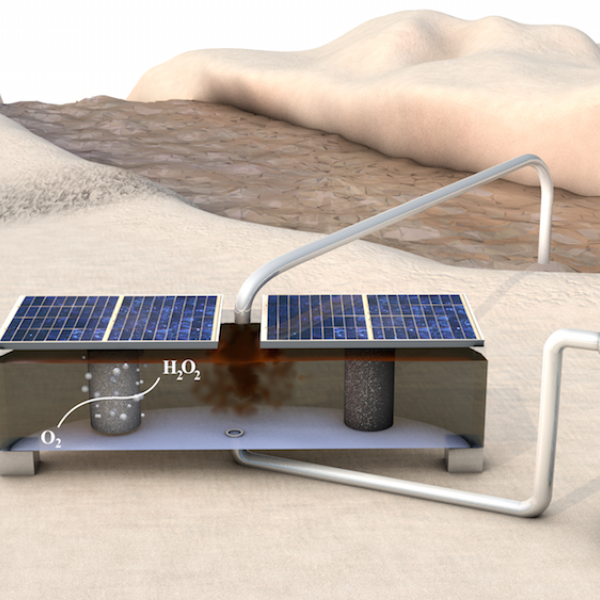
Stanford and SLAC researchers are leading a multi-year effort to produce nitrogen-based fertilizers in a sustainable way, by inventing a solar-powered chemistry technology that...

Feature

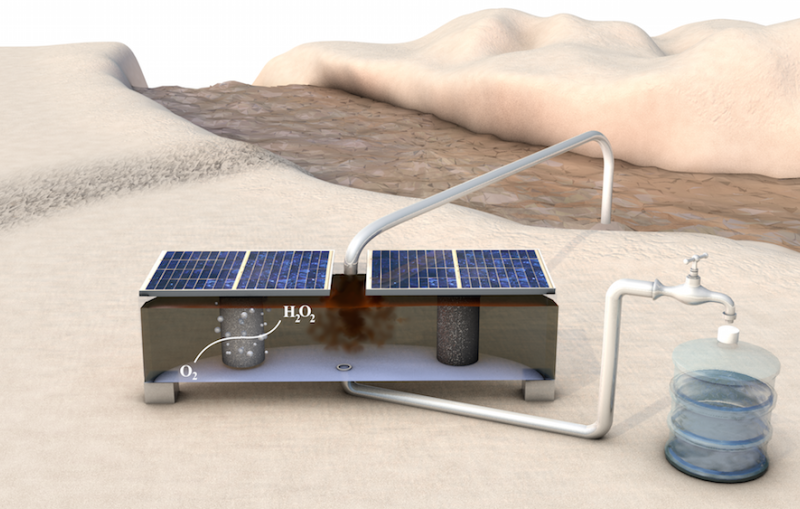
Scientists at SLAC and Stanford have identified active carbon catalysts and developed an electrochemical cell designed to purify water in small villages.

Feature

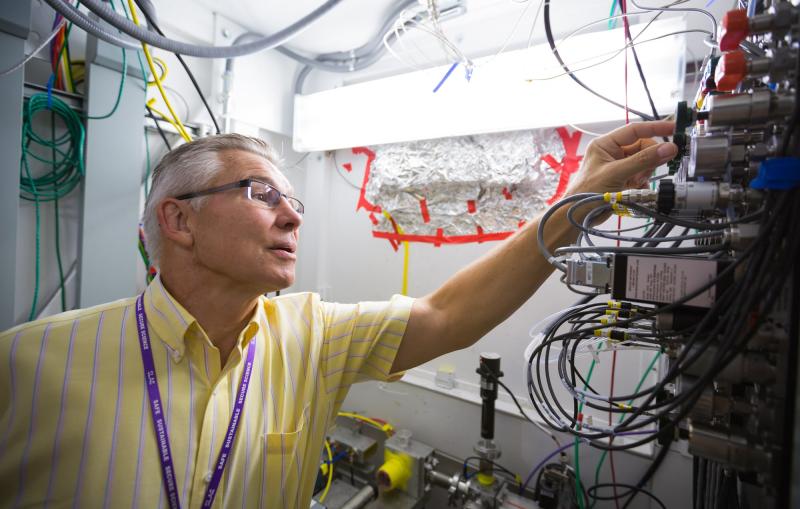
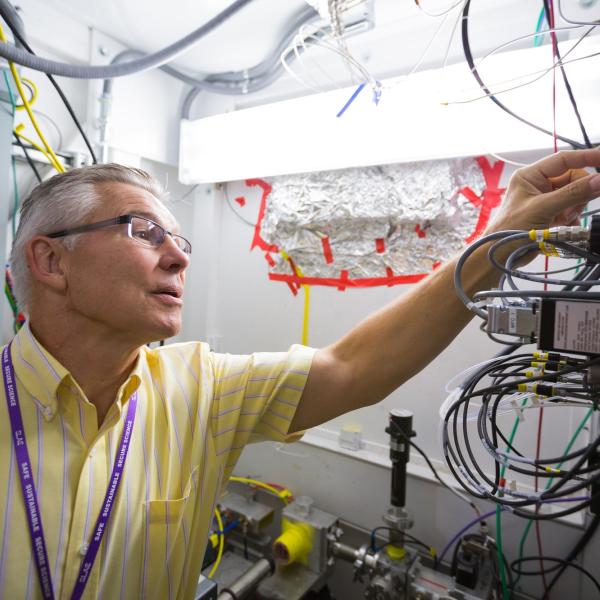
After 30 years in industry, he is leading a new focus at the lab’s SSRL X-ray light source and looking for ways to build...

Simon Bare at SLAC’s Stanford Synchrotron Radiation Lightsource
Feature

Squeezing a platinum catalyst a fraction of a nanometer nearly doubles its catalytic activity, a finding that could lead to better fuel cells and...

Feature

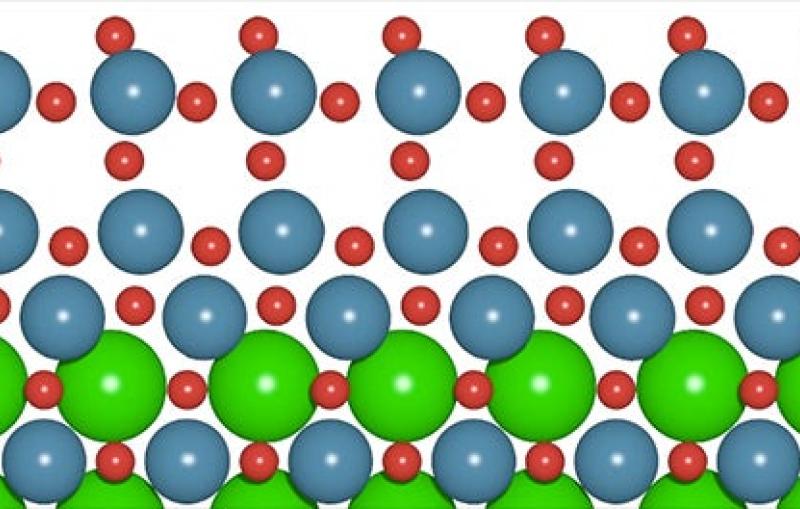
The discovery could make water splitting, a key step in a number of clean energy technologies, cheaper and more efficient.

Feature

The SLAC staff scientist is being honored for using theory and computation to help design new catalysts for generating and storing clean energy.

Feature

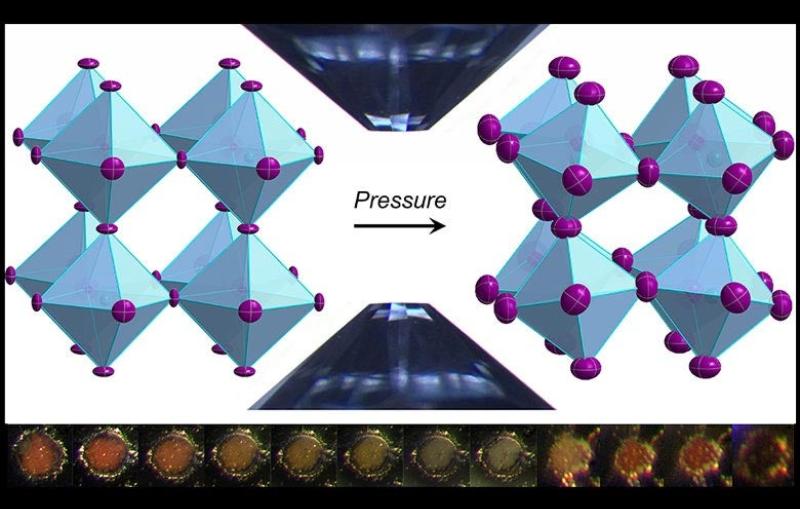
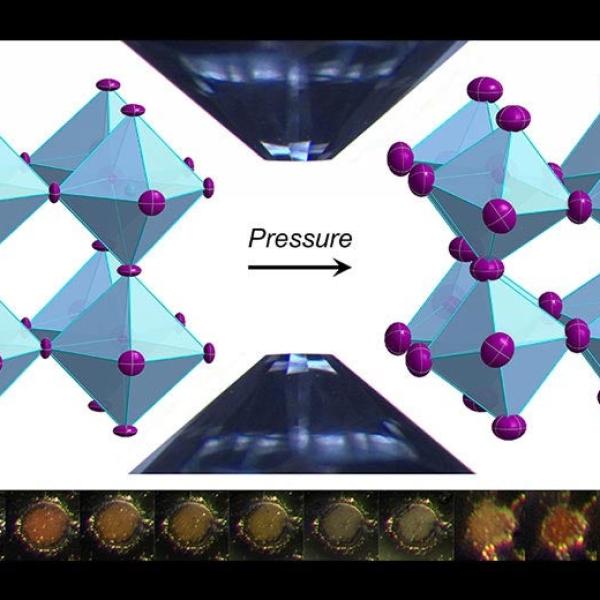
Adding pressure could improve the performance of solar cells made of perovskites, a promising photovoltaic material.

Feature

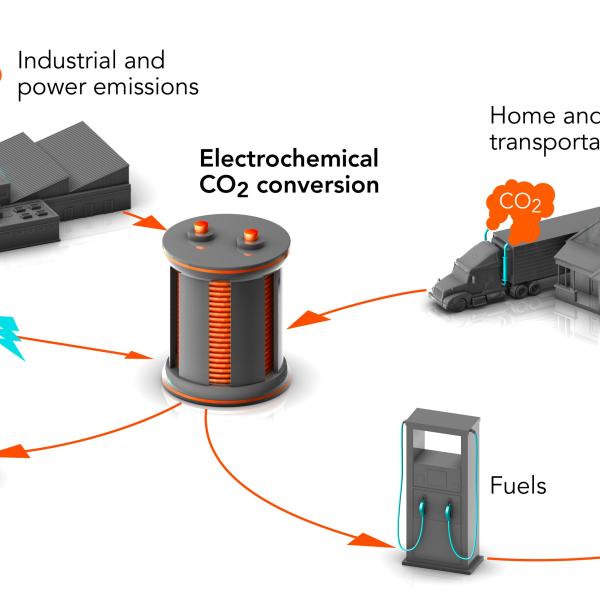
Their results suggest a more efficient way to store energy from solar and wind power by converting it into renewable fuels.

A water-splitting device at the University of Toronto