SLAC topics

Stanford Synchrotron Radiation Lightsource (SSRL) RSS feed

SSRL is a pioneering synchrotron radiation facility known for outstanding science, technological innovation and user support. It provides extremely bright X-rays that scientists use for a wide range of research that probes matter on the scales of atoms and molecules.
Visit SSRL website

Browse tagged content

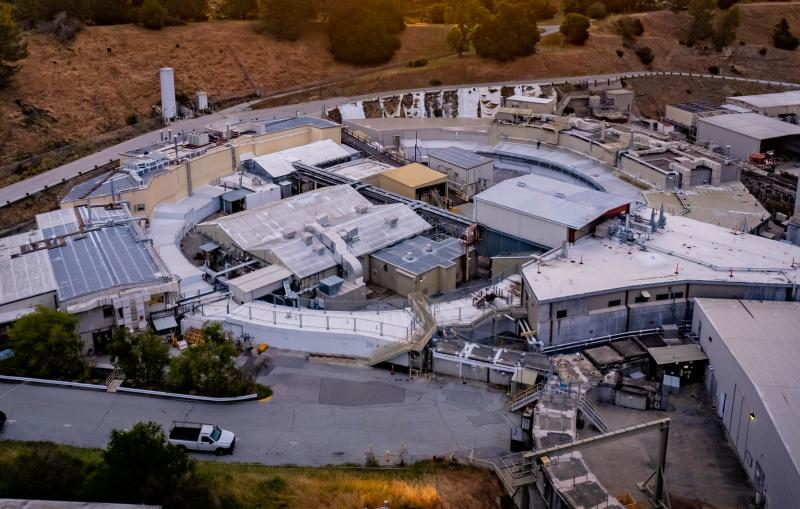
Aerial view of Stanford Synchrotron Radiation Lightsource (SSRL)
Feature

Chris Pollock Adapted Technique to Study Biomolecules in More Detail

Image - Chris Pollock monitors an experiment at SLAC's Stanford Synchrotron Radiation Lightsource. (Courtesy of Chris Pollock)
Feature

SIMES Researcher Developed Innovative Printing Process

Image - Ying Diao
Feature

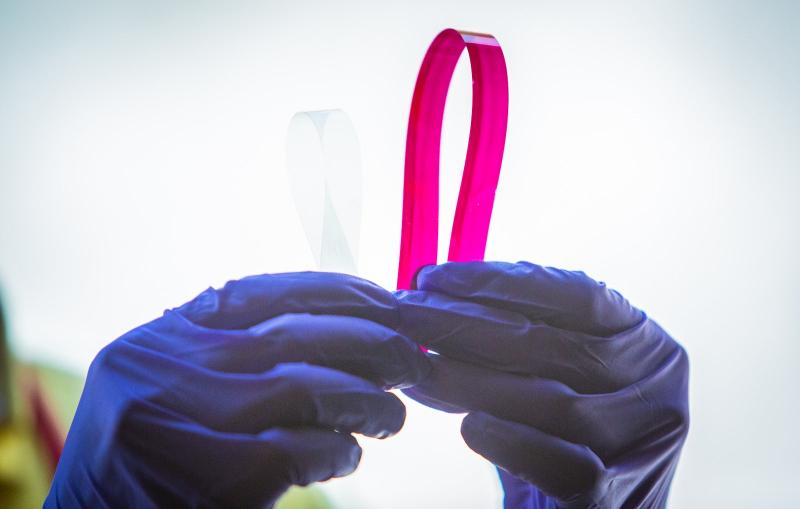
X-ray Studies will Explore Hybrid Materials for Solar Energy, Efficient Lighting and Other Uses

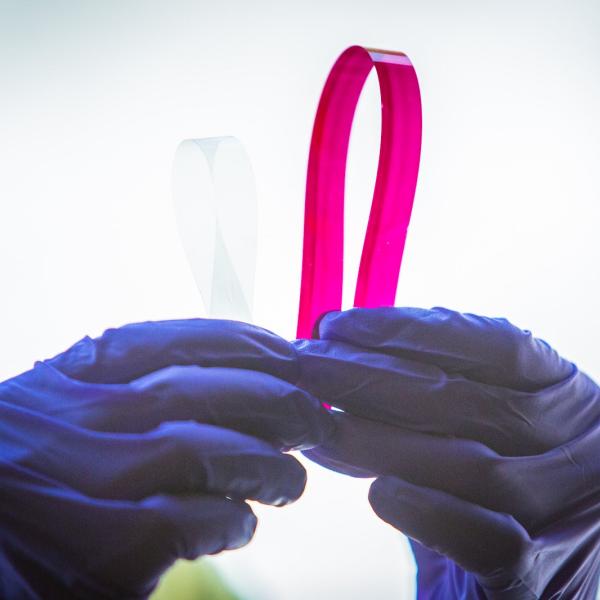
Image - A researcher at SLAC's Stanford Synchrotron Radiation Lightsource holds up a thin strip of material printed with an ink (magenta) relevant to solar-energy conversion.
Feature

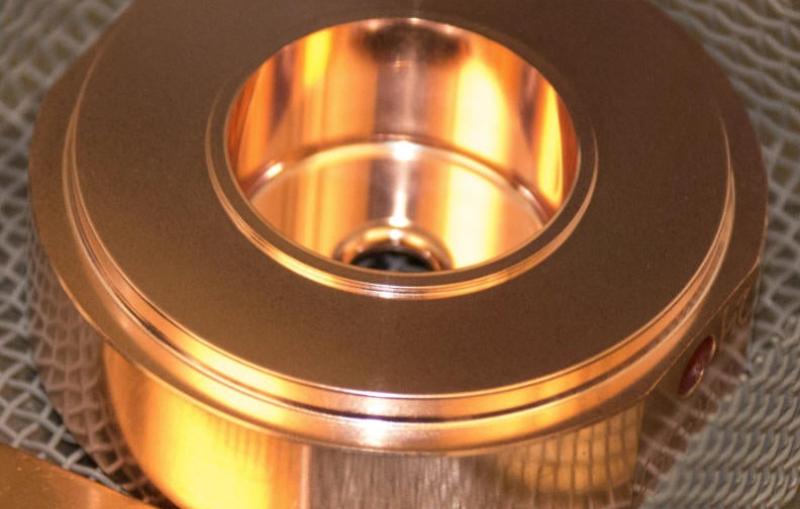
DOE-funded Program Benefits Companies, the Lab and Society

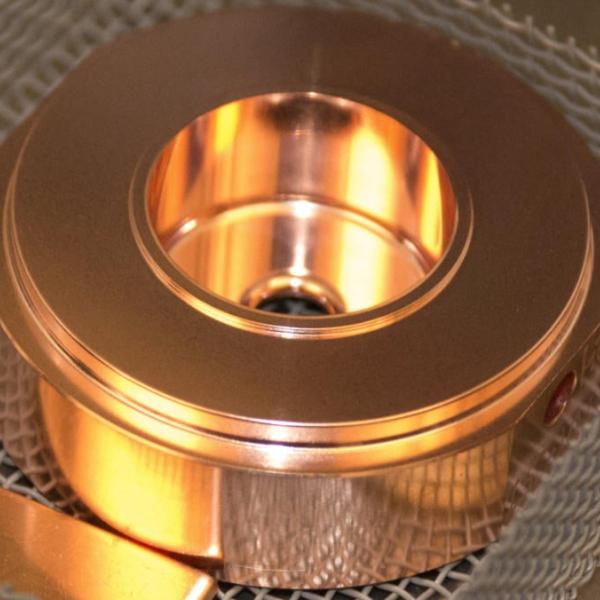
A copper acceleration cavity with an extremely thin coating of tungsten.
Feature

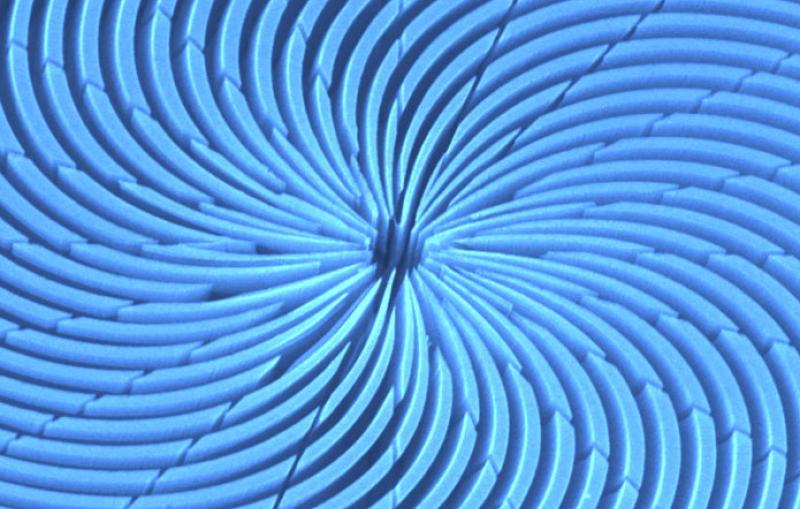
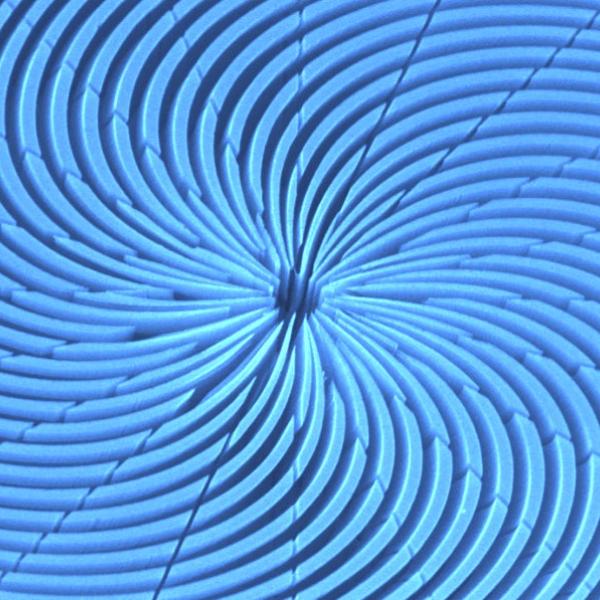
SLAC-invented Etching Process Builds Custom Nanostructures for X-ray Optics

Image - This colorized scanning electron microscope image shows a top-down view of a spiral zone plate, an X-ray optical device, created using a chemical etching technique developed at SLAC. (Chieh Chang, Anne Sakdinawat)
Feature

Highly Efficient Nanoparticles Could Bring Down the Cost of Fuel Cells

Photo of a hydrogen fuel cell car
News Release

Scientists at the Department of Energy's SLAC National Accelerator Laboratory have made the first structural observations of liquid water at temperatures down to minus...

Artist's concept - see caption
Feature

SLAC scientists have found a new way to produce bright pulses of light from accelerated electrons that could shrink "light source" technology used around...

A PhD student inspects the microwave undulator.
News Release

By finding surprising similarities in the way immune system defenders bind to disease-causing invaders, a new study may help scientists develop new treatments.

Conceptual art - see caption
Feature

Researchers have discovered that an Ebola virus protein can transform into three distinct structures with different functions. This rather uncommon property provides new clues...

ebola protein
Feature

In a recent experiment at SLAC's Stanford Synchrotron Radiation Lightsource, scientists "tickled" atoms to explore the flow of heat and energy across materials at...

Photo - A view of a materials science experimental setup at SLAC's Stanford Synchrotron Radiation Lightsource (SSRL). The circular instrument that frames this photo is part of a diffractometer that was used to align samples and a detector with X-rays.
Feature

Scientists at SLAC and Stanford show how high-temperature superconductivity emerges out of magnetism in an iron pnictide, a class of materials with great potential...

An illustration of electrons pairing up like dancers at a party