SLAC topics

Stanford Synchrotron Radiation Lightsource (SSRL) RSS feed

SSRL is a pioneering synchrotron radiation facility known for outstanding science, technological innovation and user support. It provides extremely bright X-rays that scientists use for a wide range of research that probes matter on the scales of atoms and molecules.

Visit SSRL website

Browse tagged content

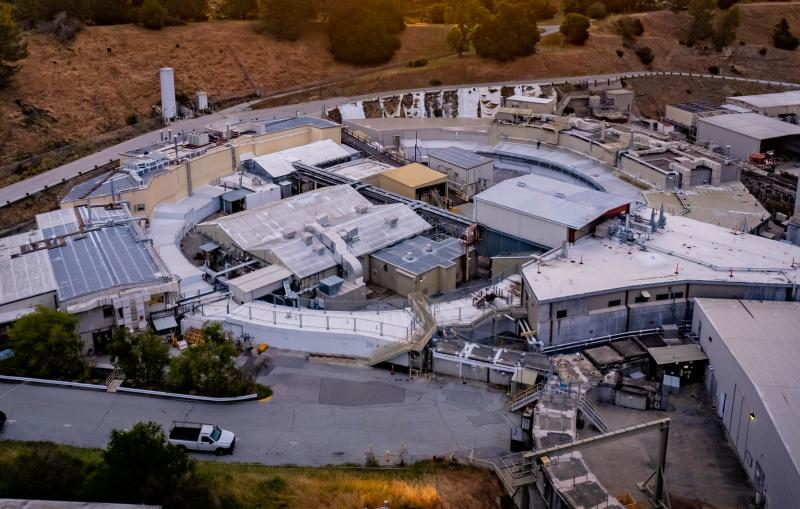
Aerial view of Stanford Synchrotron Radiation Lightsource (SSRL)
Feature

SLAC postdoctoral scholars recently participated in Tech Trek program to engage in a lively discussion with middle-schoolers.

SLAC postdoctoral scholars
Feature

The discovery is one of the first steps towards mapping hues of fossilized species.

American kestrel feather
Feature

Understanding how a material’s electrons interact with vibrations of its nuclear lattice could help design and control novel materials, from solar cells to high-temperature...

Feature

The goal of the DuraMat consortium is to make solar modules last longer, and thus drive down the cost of solar energy.

Image of solar panels
Feature

The award honors his work on a world-class experimental station at SLAC's Stanford Synchrotron Radiation Lightsource.

Feature

The discovery could make water splitting, a key step in a number of clean energy technologies, cheaper and more efficient.

Feature

Liu acknowledged for wide-ranging work in energy materials, catalysis, carbon sequestration, material in extreme conditions and scientific big data mining.

Feature

Merging two powerful 3-D X-ray techniques, researchers revealed new details of a process known as metal poisoning that clogs the pores of catalyst particles...

Feature

The study could help develop ways to safely transport radioactive actinium through the body to target tumor cells.

SSRL at dusk
Feature

The White House announced $50 million in funding for ‘Battery500’, a five year effort, as part of a package of initiatives to accelerate adoption...

An electric vehicle at a charging station
Feature

Scientists are using plasma to create electronic sensors that will track the health of astronauts.

Feature

The goal: Develop high-tech coatings that make the detector’s mirrors less “noisy”.