
SLAC topics

Stanford Synchrotron Radiation Lightsource (SSRL) RSS feed

SSRL is a pioneering synchrotron radiation facility known for outstanding science, technological innovation and user support. It provides extremely bright X-rays that scientists use for a wide range of research that probes matter on the scales of atoms and molecules.

Visit SSRL website

Browse tagged content

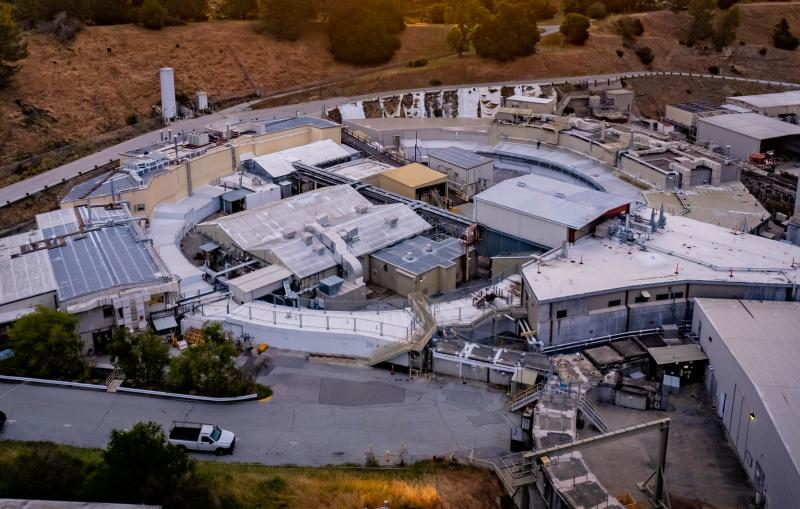
Aerial view of Stanford Synchrotron Radiation Lightsource (SSRL)
Feature

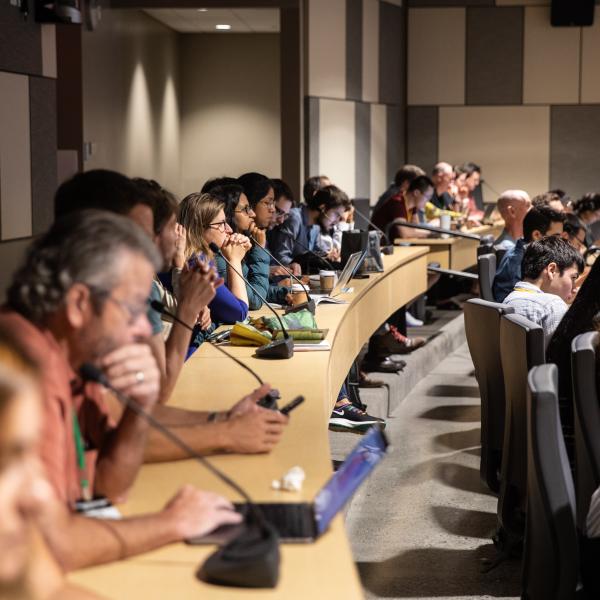
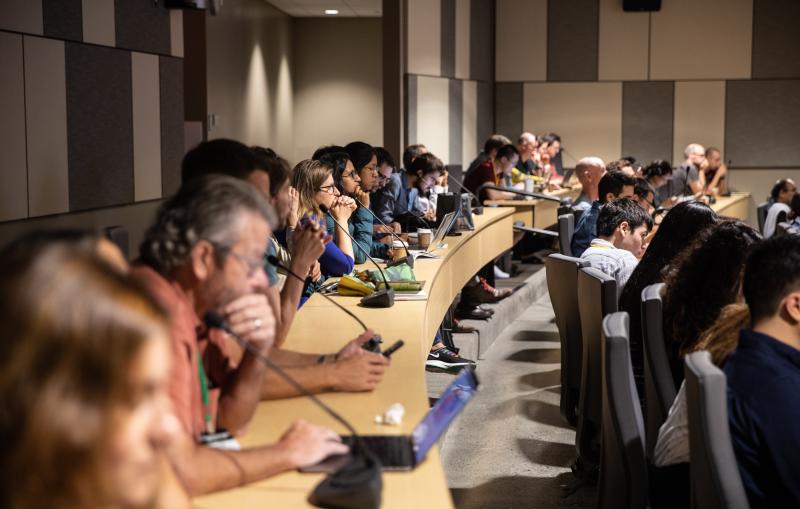
The annual conference for scientists who conduct research at SLAC’s light sources engaged about 350 researchers in talks, workshops and discussions.

Users meeting
Feature

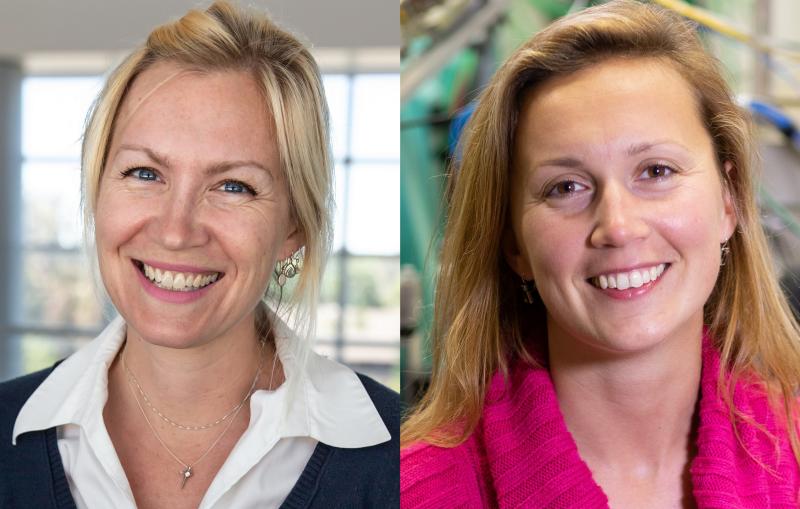
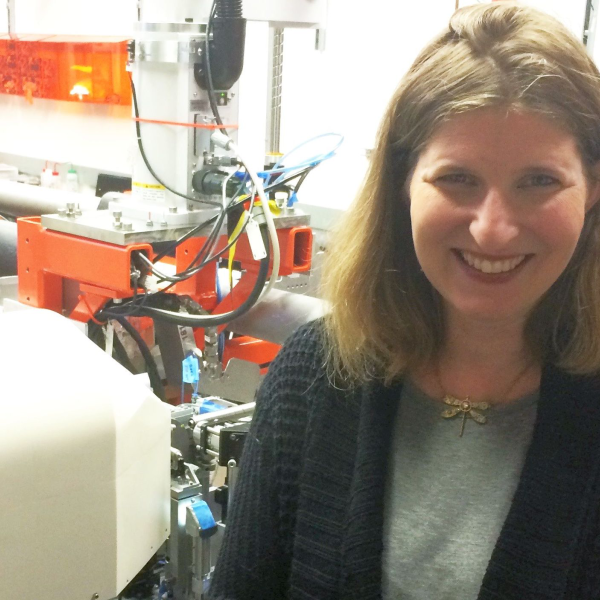
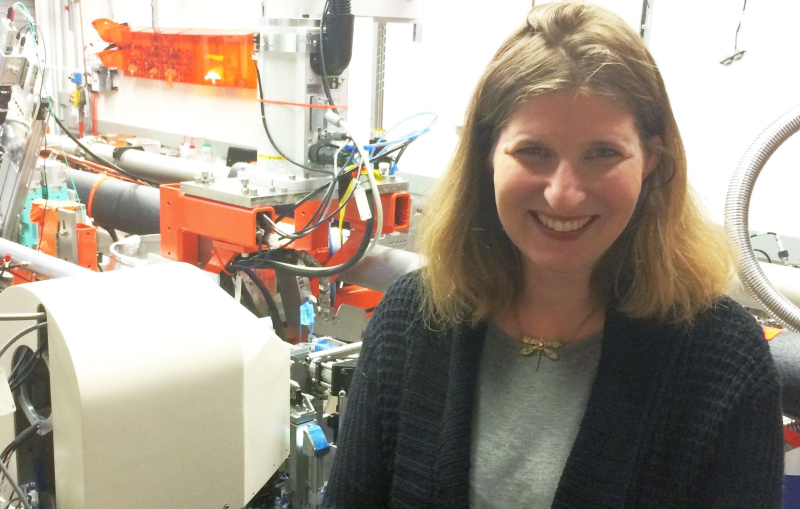
She is recognized for two decades of innovation and excellence at the Stanford Synchrotron Radiation Lightsource.

Aina Cohen
Feature

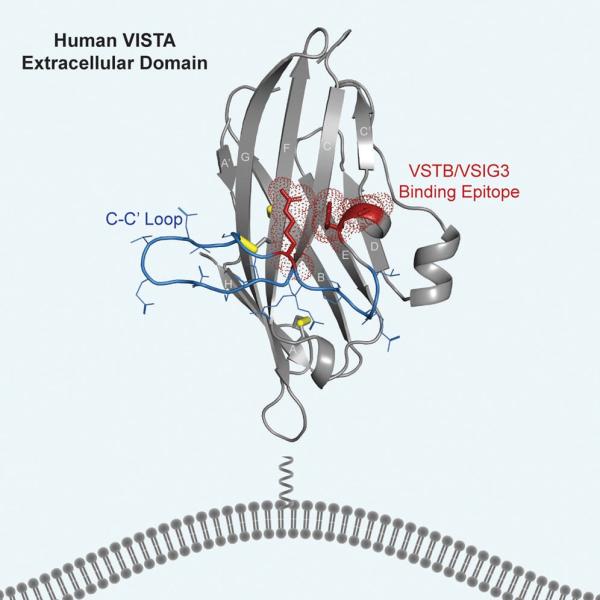
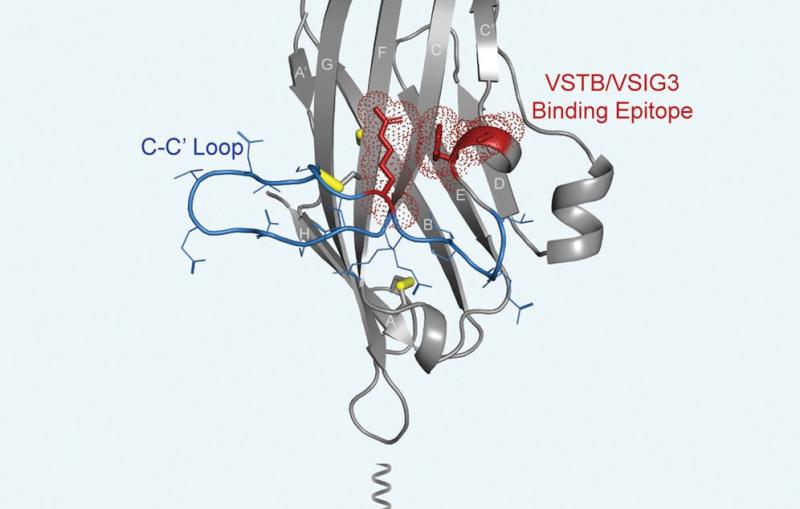
Using SLAC’s X-ray synchrotron SSRL, Wang improves fundamental knowledge about how cells communicate, which could enable the development of more effective drugs.

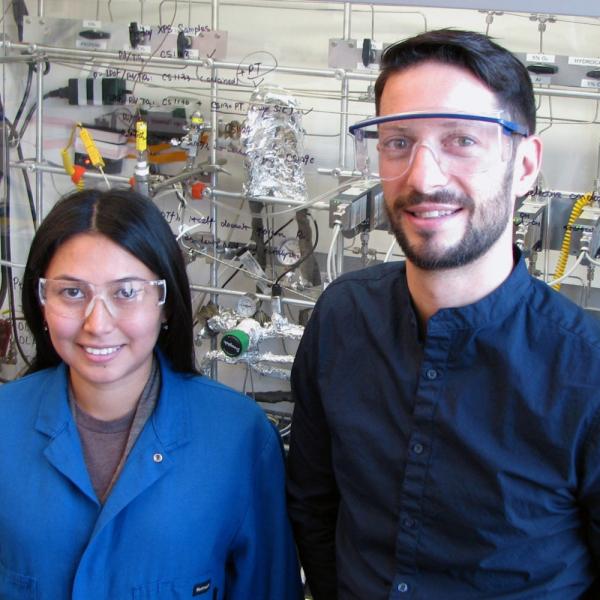
Xinru Wang
Feature

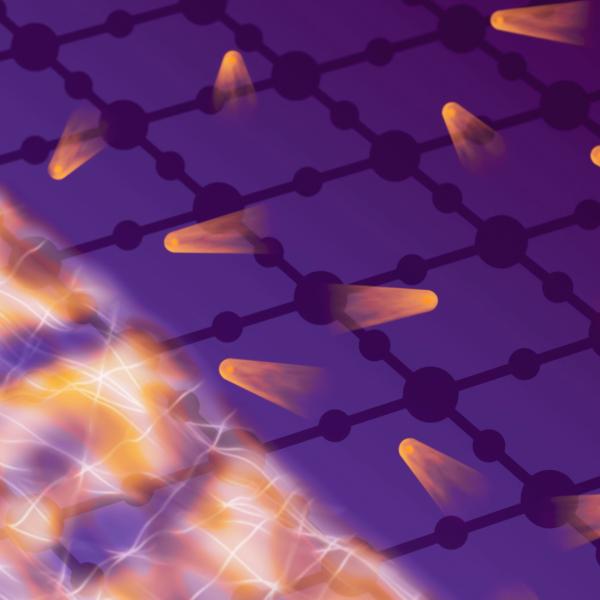
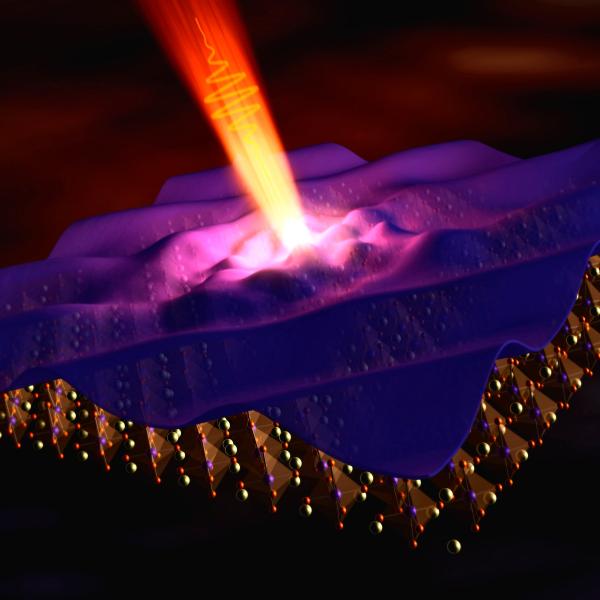
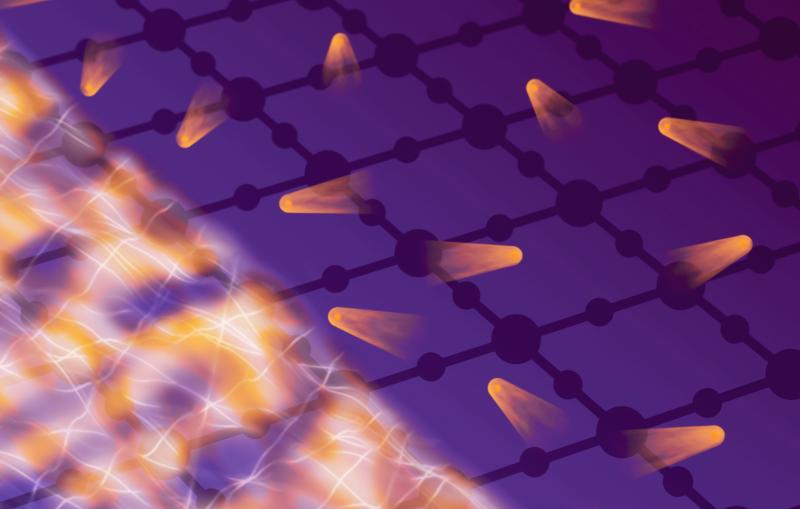
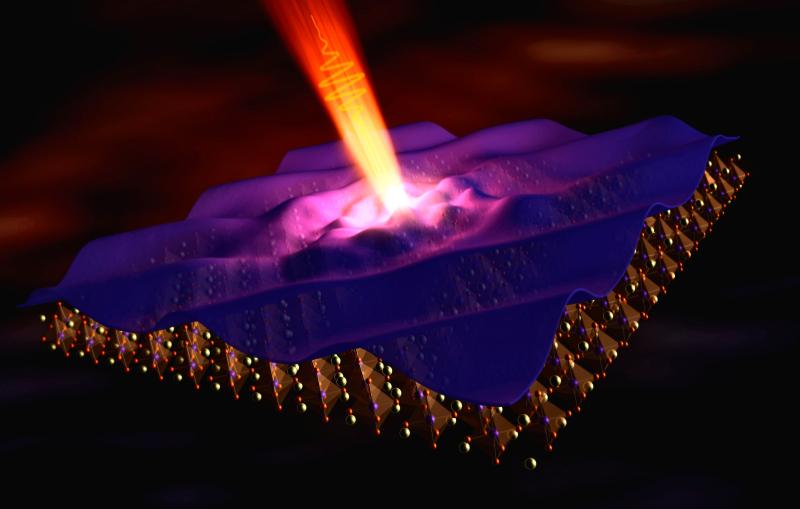
The studies could lead to a new understanding of how high-temperature superconductors operate.

fluctuating charge stripes
Feature

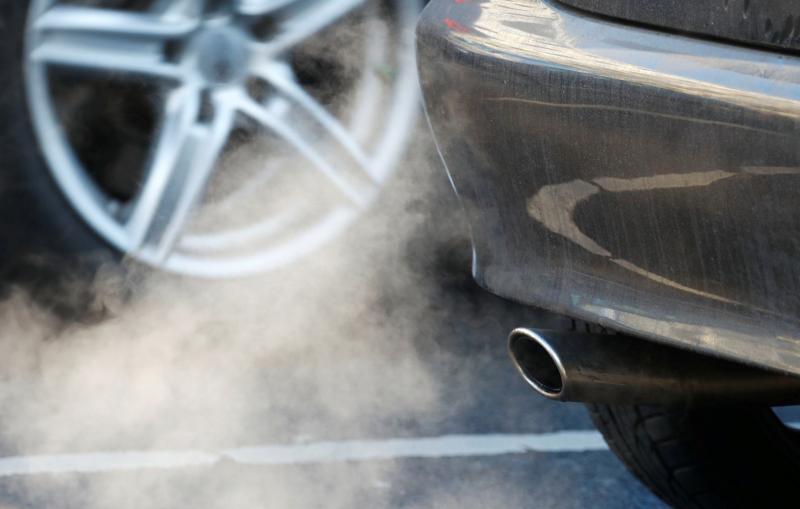
A new way to arrange the hard-working atoms in this part of an exhaust system could lower the cost of curbing pollution from automotive...

Feature

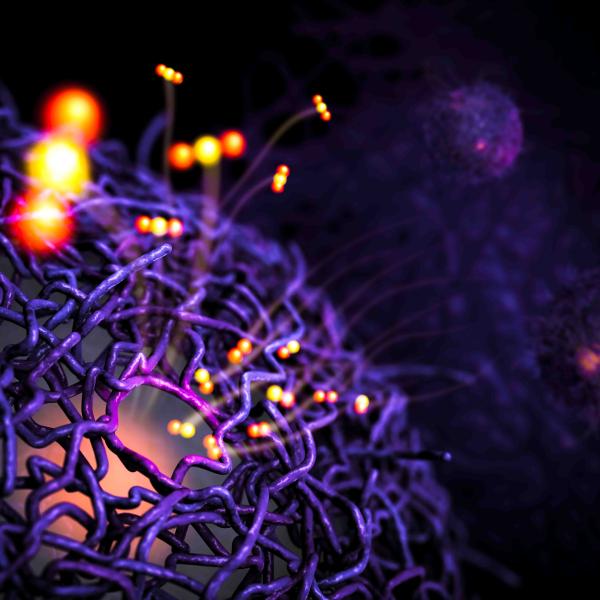
Stanford researchers have made a significant advance in the development of artificial catalysts for making cleaner chemicals and fuels at an industrial scale.

Scientists create artificial catalysts inspired by living enzymes.
Feature

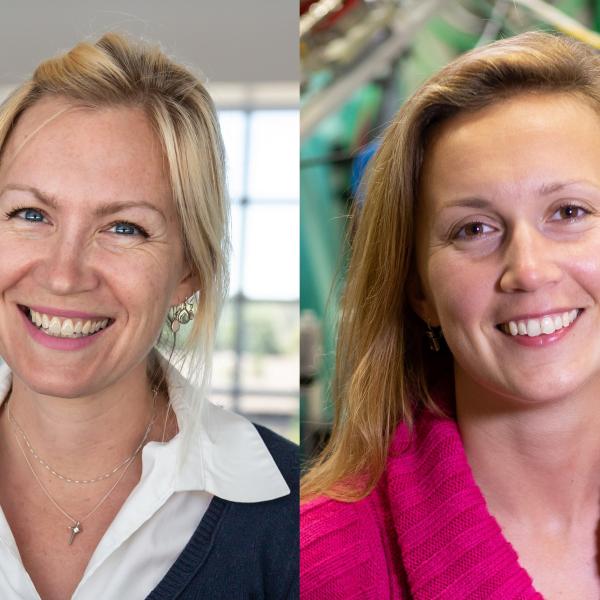
The SLAC scientists will each receive $2.5 million for their research on fusion energy and advanced radiofrequency technology.

Gleason-Gamzina-ECA2019
Feature

This early-career scientist has undertaken challenging projects with significant implications for lithium-ion batteries.

Hans-Georg Steinrück
News Release

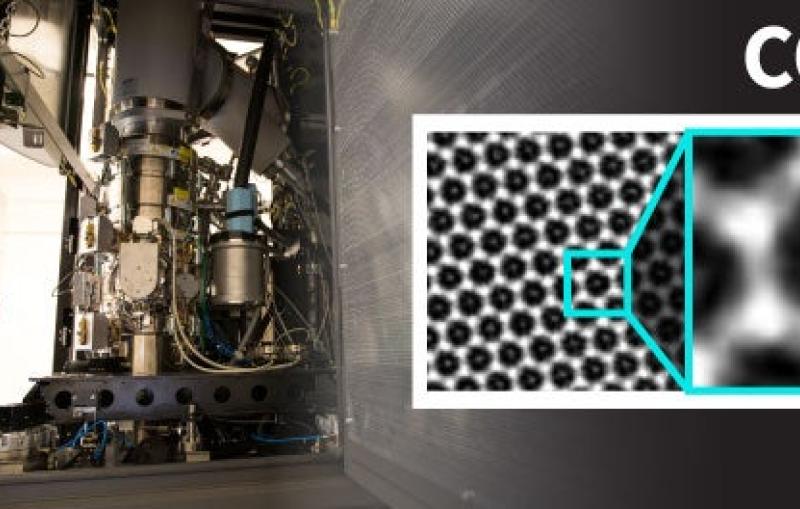
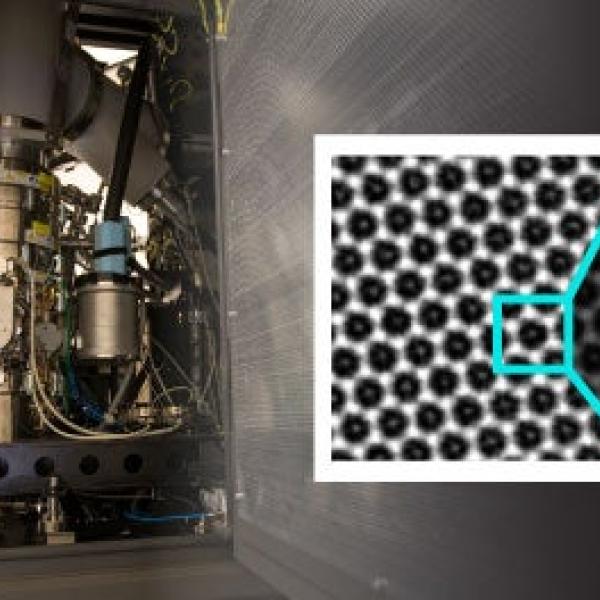
A new twist on cryo-EM imaging reveals what’s going on inside MOFs, highly porous nanoparticles with big potential for storing fuel, separating gases and...

Images of cryo-EM equipment, CO2 molecule in cage
Feature

A close-up look at how microbes build their crystalline shells has implications for understanding how cell structures form, preventing disease and developing nanotechnology.

Image of microbe showing areas where its crystalline shell is growing
Feature

What they learned could help manufacturers design more reliable and longer-lasting batteries for smartphones and cars.

battery electrode damage
Feature

For mechanical engineer Sarah Edwards, SSRL is the ultimate classic car.

photo of Sarah Edwards