SLAC topics

Stanford Synchrotron Radiation Lightsource (SSRL) RSS feed

SSRL is a pioneering synchrotron radiation facility known for outstanding science, technological innovation and user support. It provides extremely bright X-rays that scientists use for a wide range of research that probes matter on the scales of atoms and molecules.

Visit SSRL website

Browse tagged content

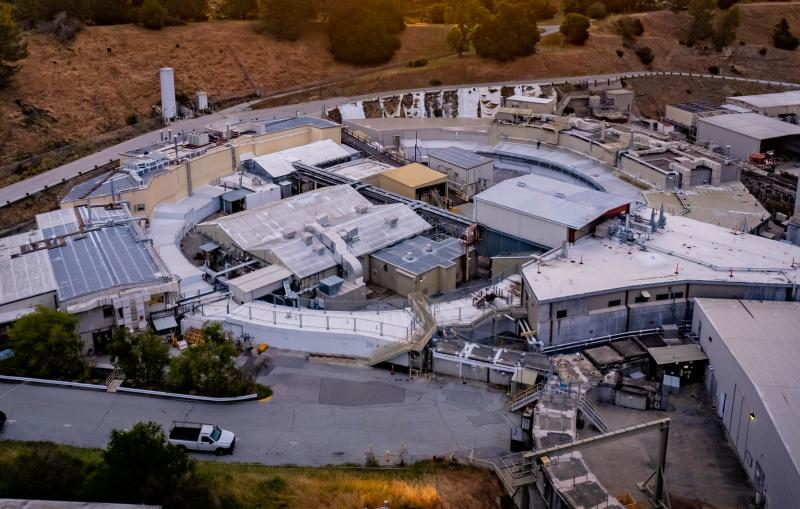
Aerial view of Stanford Synchrotron Radiation Lightsource (SSRL)
Feature

The results show how a particle’s surface and interior influence each other, an important thing to know when developing more robust batteries.

Closeup of an illustration showing how battery cathode material degrades
News Brief

University of Alberta researchers worked with SLAC X-ray scientists to explore the potential of a feline coronavirus drug that may be effective against SARS-CoV-2.

Feature

Q-NEXT will tackle next-generation quantum science challenges through a public-private partnership, ensuring U.S. leadership in an economically crucial arena.

QIS public-private partnership.
Feature

Chung is being recognized for pathbreaking contributions to the study of proteins involved in Parkinson’s and Alzheimer’s diseases and for mentoring the next generation...

Feature

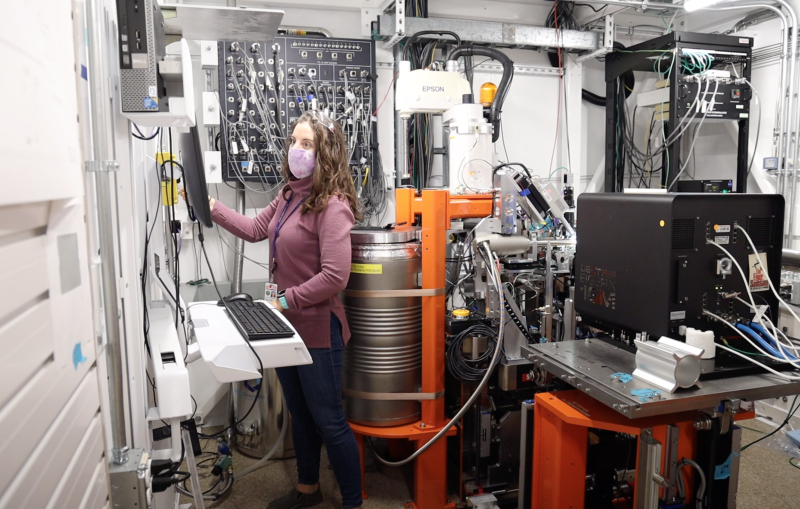
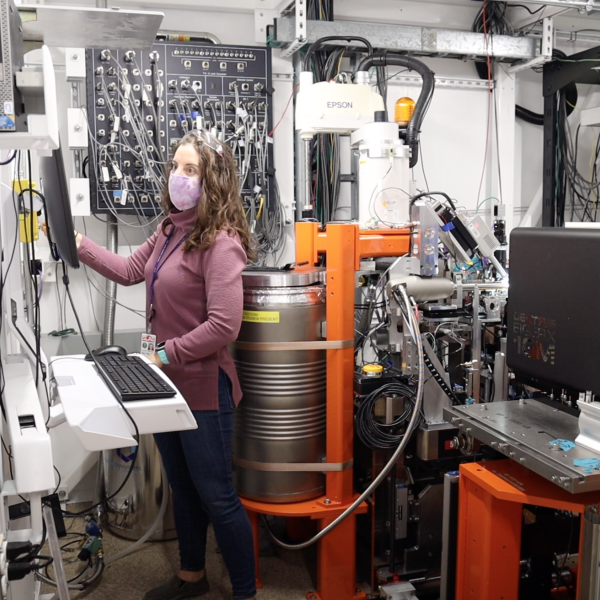
Scientists are deploying this state-of-the-art X-ray crystallography facility to study biological molecules related to the COVID-19 pandemic.

Video
Jeney Wierman, a staff scientist at SLAC, explains how SSRL tools are contributing to COVID-19 research.

video still frame about X-ray crystallography at SSRL
Video
News Brief

In a new perspective, SLAC and University of Paderborn scientists argue that research at synchrotrons could help improve water-purifying materials in ways that might...

Cracked, dry earth landscape.
Feature

The prestigious awards provide at least $2.5 million over five years in support of their work in understanding photochemical reactions and improving accelerator beams.

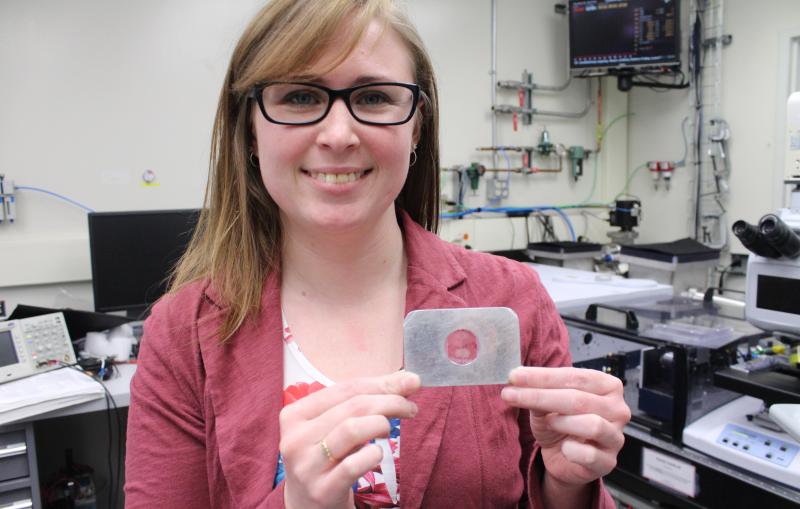
SLAC staff scientists Amy Cordones-Hahn and Brendan O'Shea
Feature

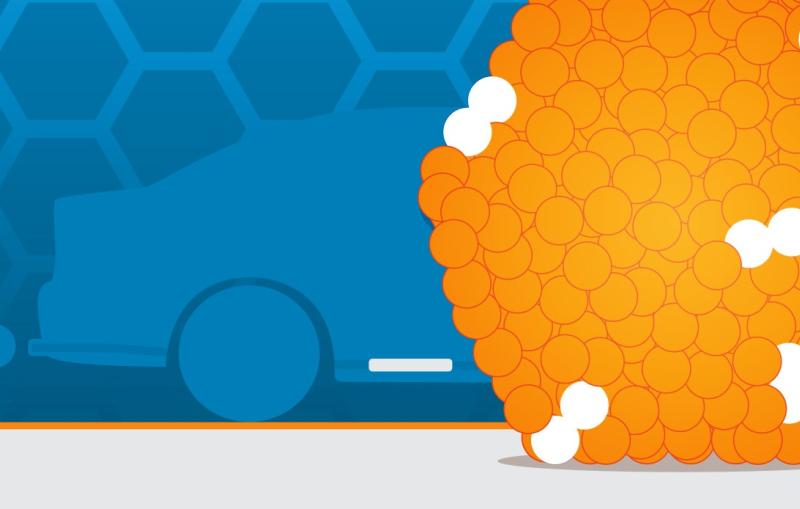
They discovered the messy environment of a chemical reaction can actually change the shape of a catalytic nanoparticle in a way that makes it...

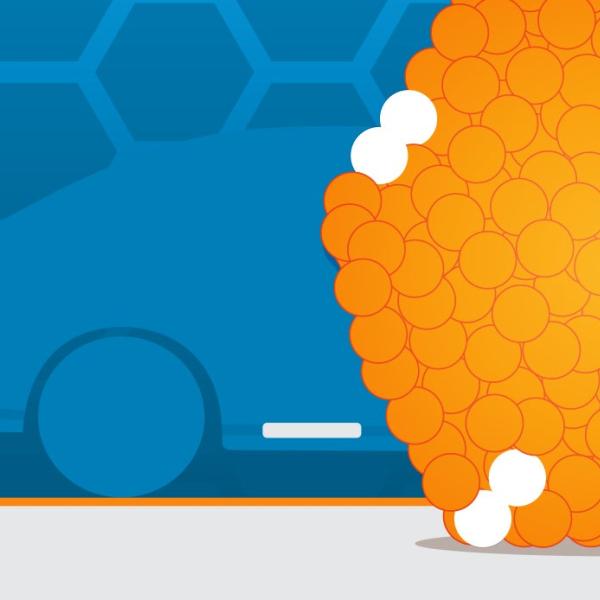
Illustration of catalyst nanoparticle and car with exhaust emissions
Feature

Understanding nature’s process could inform the next generation of artificial photosynthetic systems that produce clean and renewable energy from sunlight and water.

How electrons flow in the oxygen-evolving complex of Photosystem II.
Animation

In photosystem II, the water-splitting center cycles through four stable states, S0-S3. On a baseball field, S0 would be...

Photosystem II
News Brief

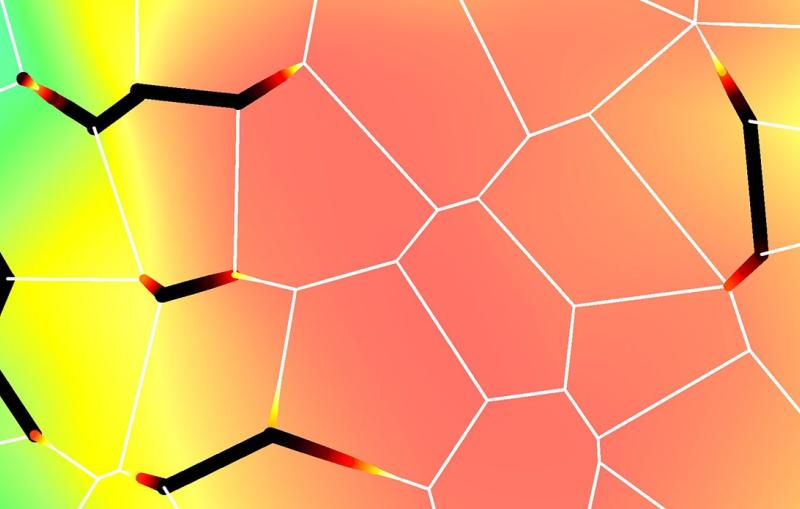
New machine learning methods bring insights into how lithium ion batteries degrade, and show it’s more complicated than many thought.

Particles in a nickel-manganese-cobalt cathode are highlighted using a new computer vision algorithm.