The Hubbard model, used to understand electron behavior in numerous quantum materials, now shows us its stripes, and superconductivity too, in simulations for cuprate...
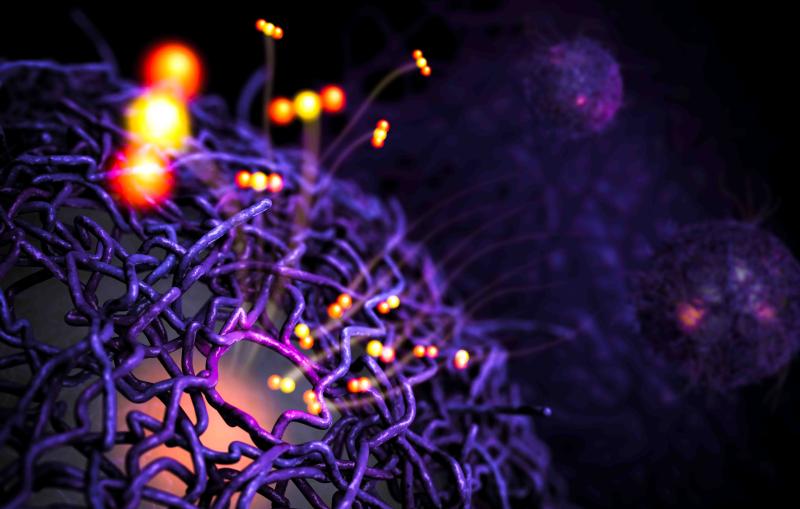
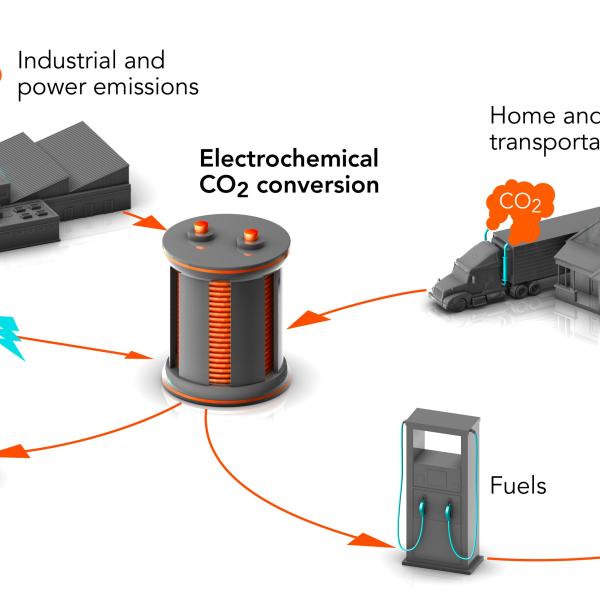
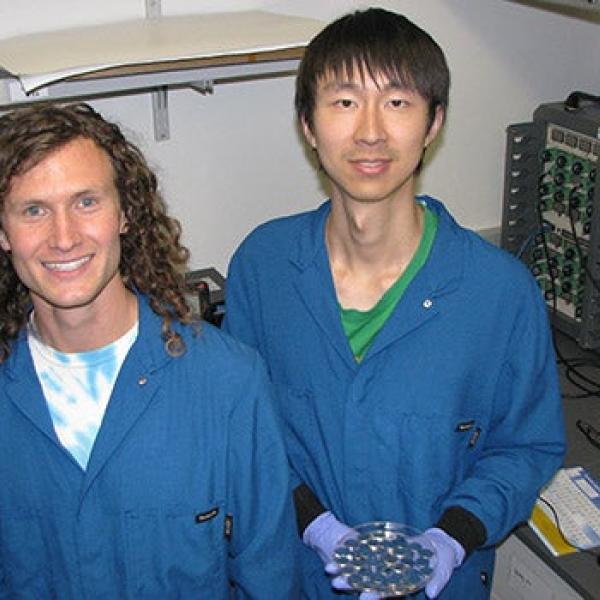
Stanford researchers have made a significant advance in the development of artificial catalysts for making cleaner chemicals and fuels at an industrial scale.
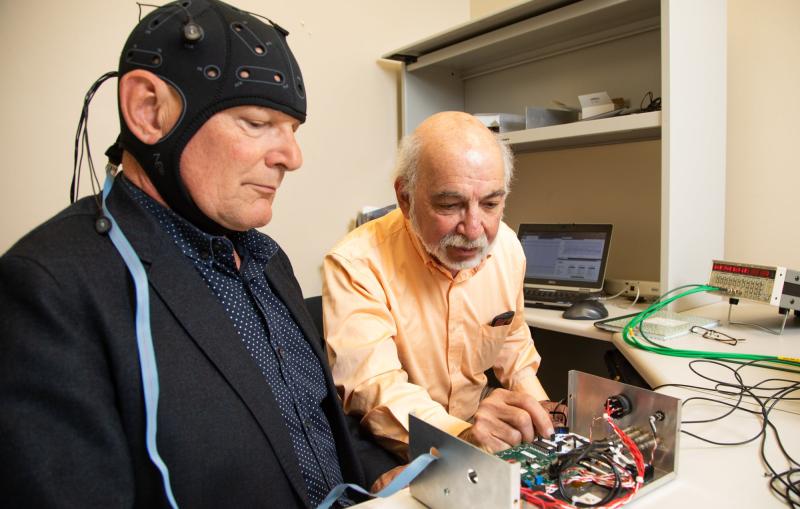
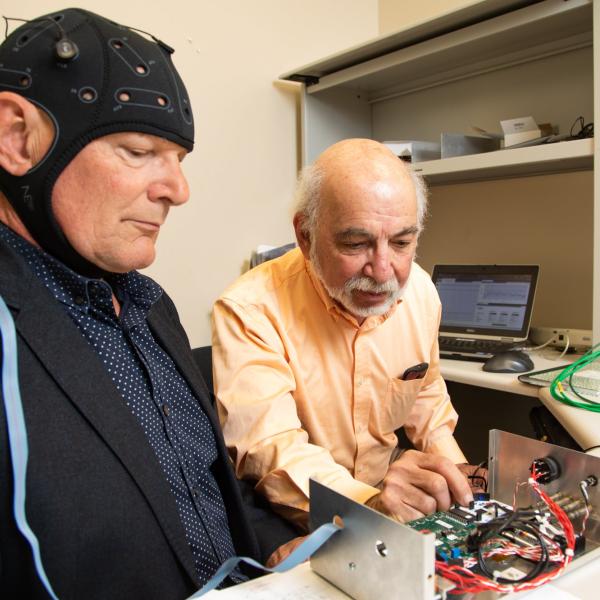
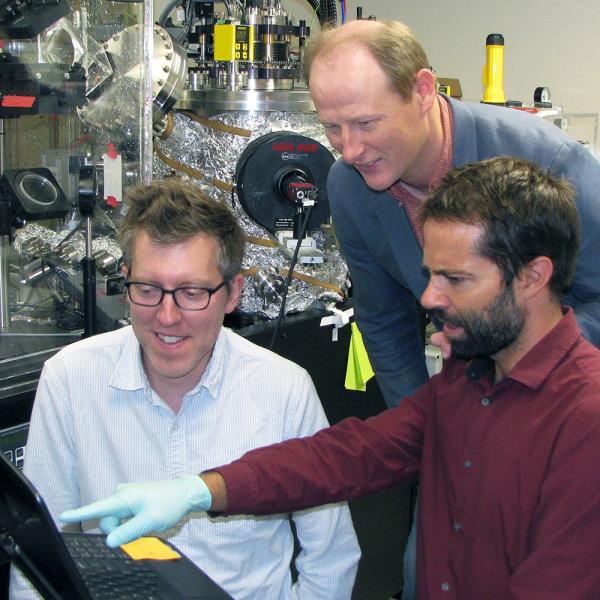
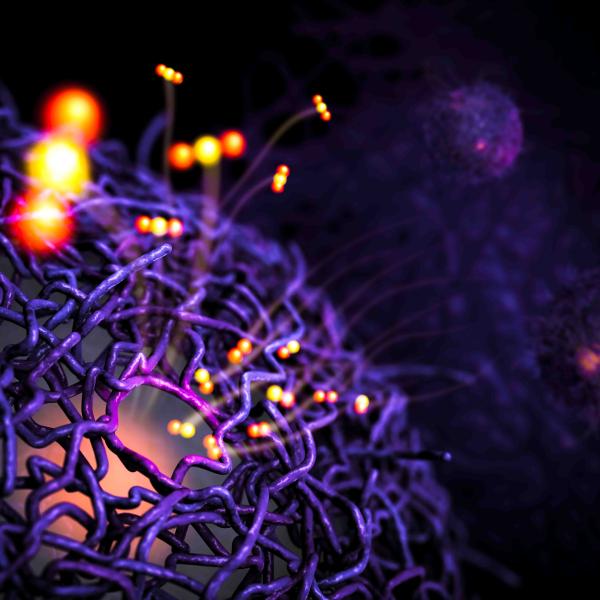
After meeting at a party, a Stanford psychologist and SLAC particle physicists have collaborated on a new kind of EEG device that can stimulate the brain and read out the effects.
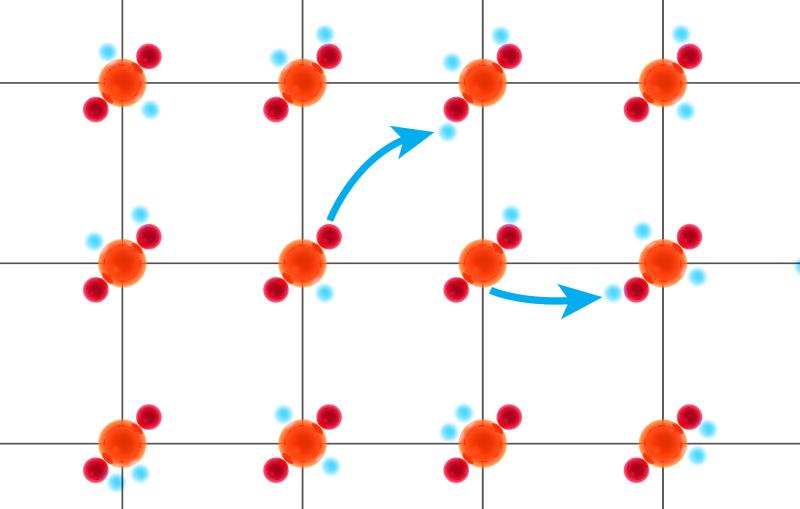
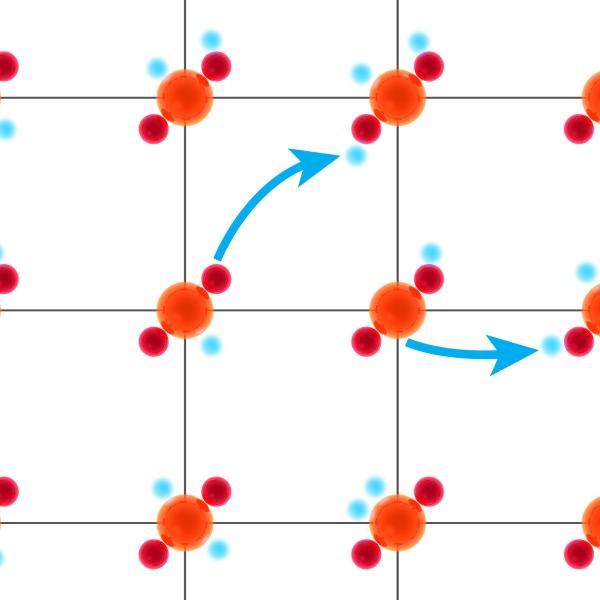
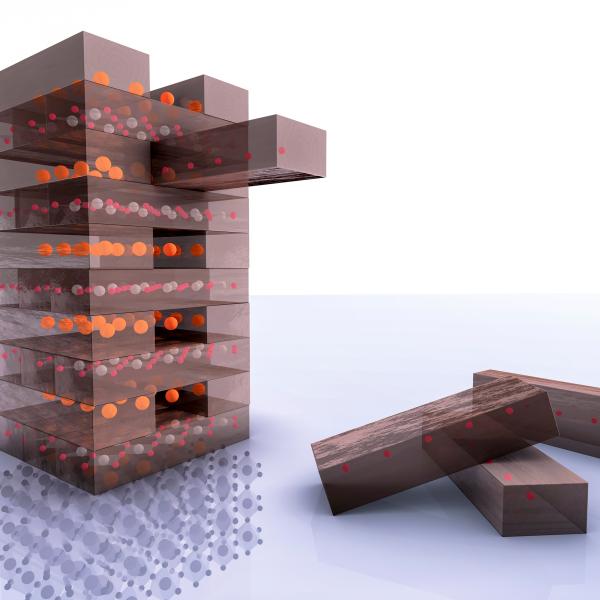
The Hubbard model, used to understand electron behavior in numerous quantum materials, now shows us its stripes, and superconductivity too, in simulations for cuprate superconductors.
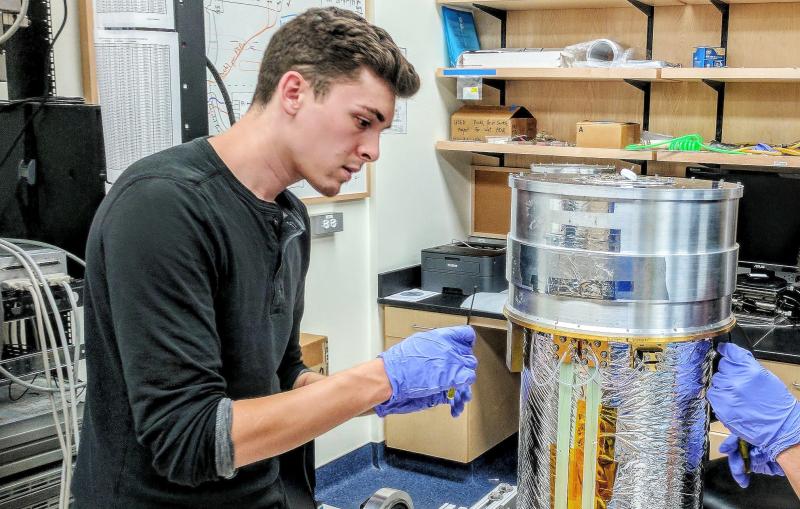
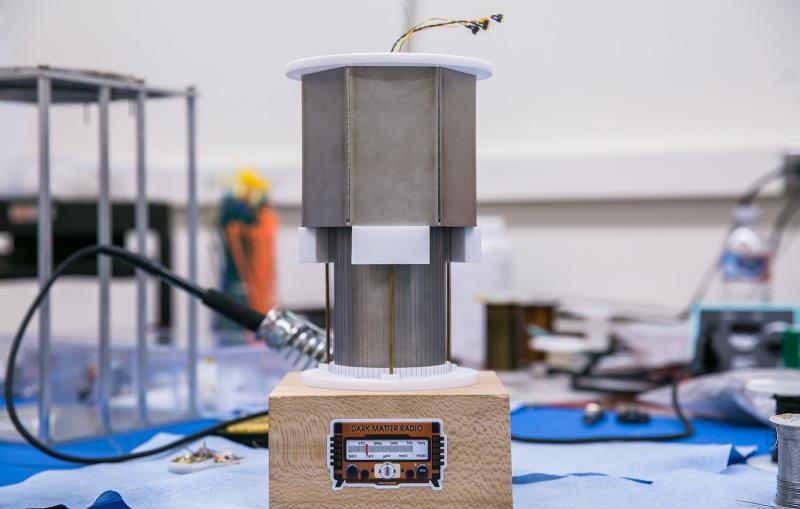
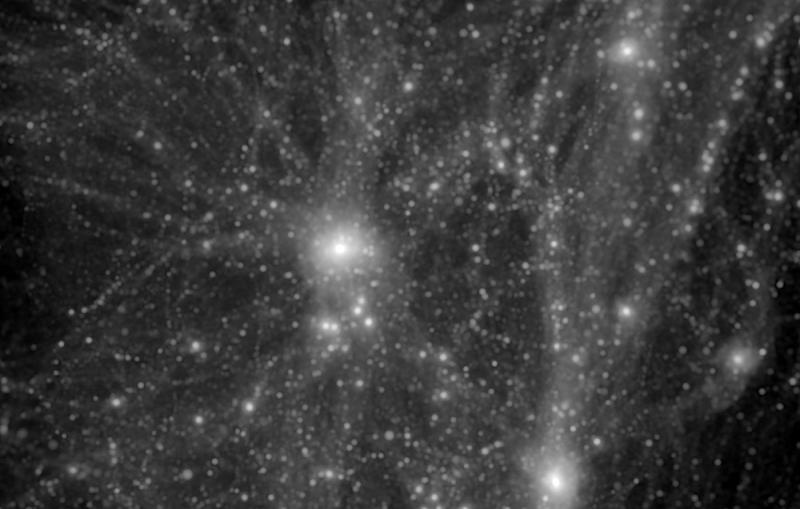
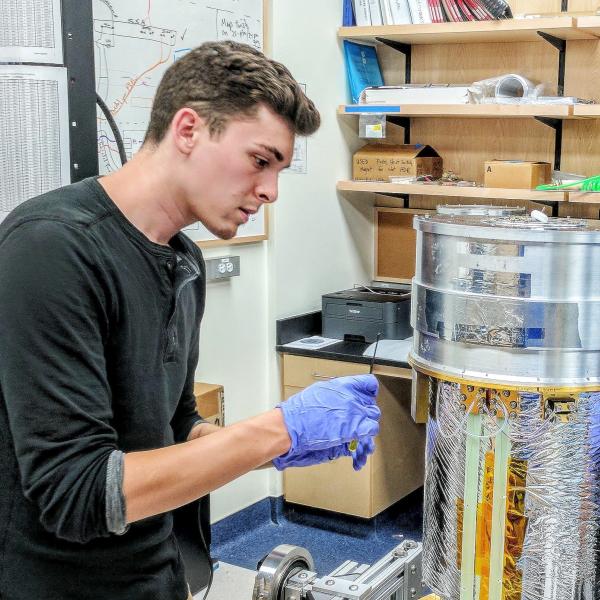
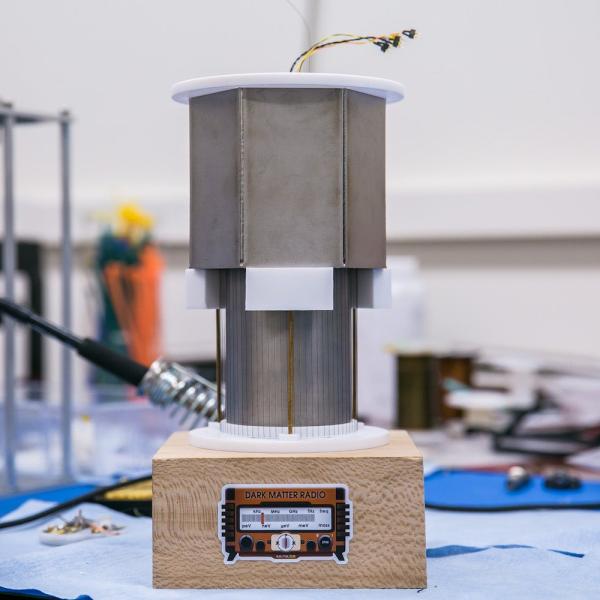
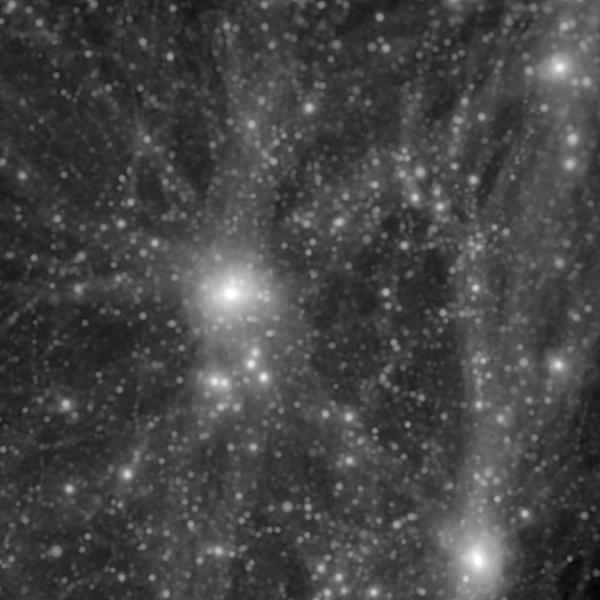
An “out there” theory inspired the development of the Dark Matter Radio, a device that could explain the mysterious matter that makes up 85 percent of the mass of our universe.
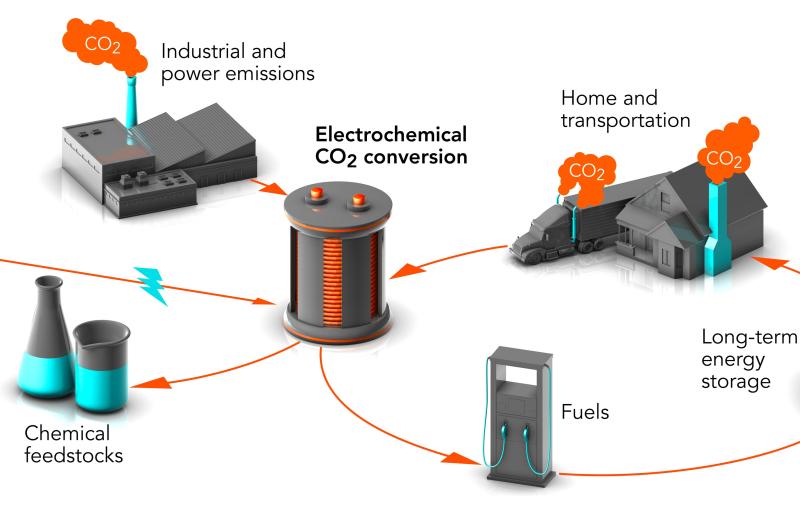
SUNCAT researchers discover a way to improve a key step in these conversions, and explore what it would take to turn the climate-changing gas into valuable products on an industrial scale.
Stanford researchers have made a significant advance in the development of artificial catalysts for making cleaner chemicals and fuels at an industrial scale.